Artwork
Pudhu Mandapa of Tirumal Nayak (r. 1623–59), Minakshi Sundareshvara Temple, Madurai
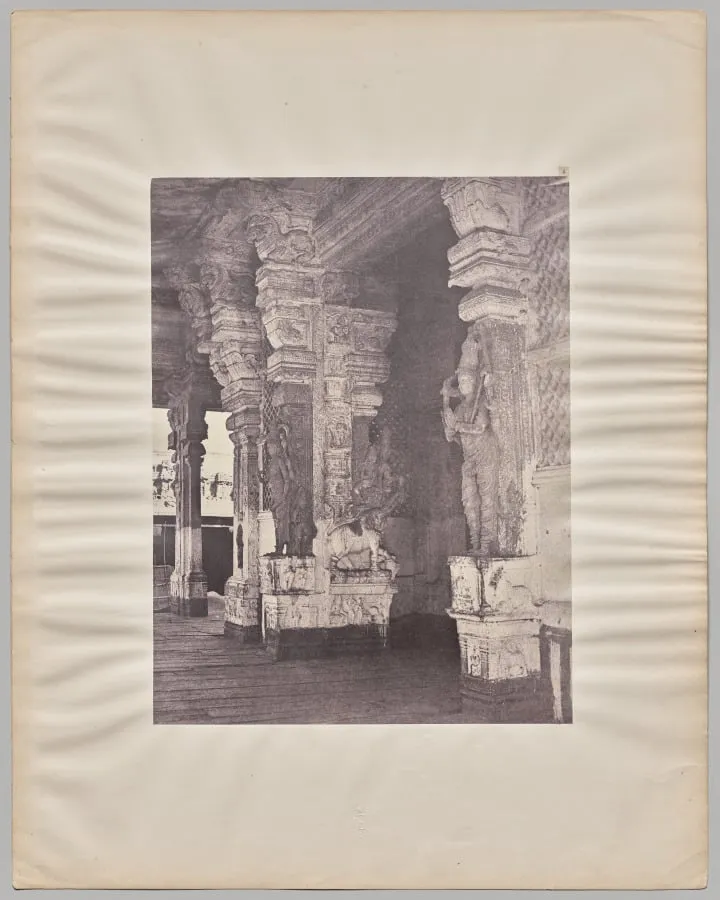
Pudhu Mandapa of Tirumal Nayak (r. 1623–59), Minakshi Sundareshvara Temple, Madurai is a photography by the Impressionist artist Captain Linnaeus Tripe. It dates from 1858 and is held in the collection of the Cleveland Museum of Art.
About this work
The central pillar has Shiva feeding sugarcane to an elephant—hard to photograph in dim light, but Tripe made it clear.
You see a long, shadowy hall lined with carved stone pillars in an Indian temple.
Tripe took this photo in 1858, when most British photographers focused on forts or palaces. He chose to show the quiet beauty of Hindu temple carvings instead. The central pillar has Shiva feeding sugarcane to an elephant—hard to photograph in dim light, but Tripe made it clear.
Look up more photos by Captain Linnaeus Tripe (British, 1822–1902).
Overview
This photograph, taken by Captain Linnaeus Tripe in 1858, captures the Pudhu Mandapa, a pillared hall within the Minakshi Sundareshvara Temple in Madurai. Unlike contemporaries who favored colonial architecture, Tripe turned his lens toward sacred Hindu spaces, documenting their intricate stone carvings with care. The image reveals a dimly lit, elongated corridor lined with sculpted pillars, emphasizing the quiet grandeur of a religious site often overlooked by British photographers of the era.
Subject & Meaning
The central pillar depicts Shiva, in his form as Sundareshvara, offering sugarcane to an elephant—a symbolic gesture of divine generosity and harmony between deity and creature. In Hindu iconography, the elephant represents strength and wisdom, while sugarcane signifies abundance. This scene, embedded within a temple dedicated to the divine couple Minakshi and Sundareshvara, reinforces themes of cosmic balance and sacred nourishment central to the temple’s spiritual purpose.
Technique & Style
Tripe employed wet-plate collodion photography, a technically demanding process requiring precision in low light. Despite the shadows obscuring much of the mandapa’s detail, he managed to render the central pillar with remarkable clarity, adjusting exposure and composition to highlight key carvings. His methodical approach prioritized documentary accuracy over dramatic effect, capturing textures and forms with a quiet, observational rigor that distinguished his work from more theatrical contemporary images.
History & Provenance
Taken during Tripe’s 1858 expedition to South India, this photograph was part of a larger effort to systematically record temple architecture under the auspices of the British East India Company. Though commissioned for administrative purposes, Tripe treated the sites with scholarly respect, producing images that served both colonial records and later academic study. The photograph remains among the earliest photographic records of the Madurai temple complex, preserved in institutional archives.
Context
In mid-19th century India, British photographers predominantly focused on military structures and royal residences. Tripe’s choice to document Hindu temples—especially their obscured, devotional carvings—was unconventional. His work emerged during a period of growing colonial interest in India’s ancient heritage, yet few contemporaries matched his sensitivity to religious context or his commitment to preserving details often ignored by visitors and officials alike.
Legacy
Tripe’s photographs of the Minakshi Sundareshvara Temple contributed to a broader recognition of South Indian temple art as worthy of serious study. His images provided early visual references for scholars and conservationists, influencing later documentation efforts. Though little known in his time, his disciplined, non-intrusive approach to photographing sacred spaces laid groundwork for modern practices in cultural heritage recording.
Artist & collection

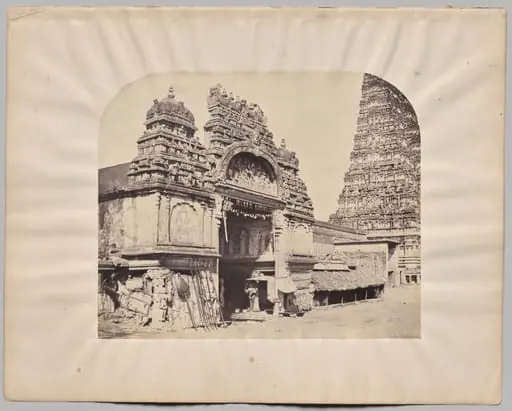 Entrance to the Minakshi Sundareshvara Temple, Madurai
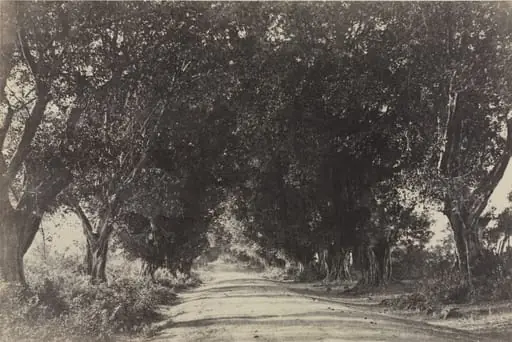 Avenue of the Banian Trees, Seringham, India
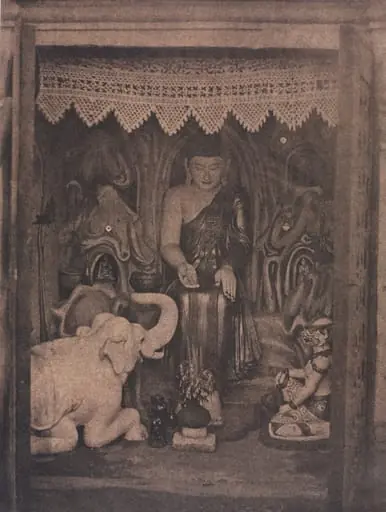 Amerapoora. Gautama's Shrine
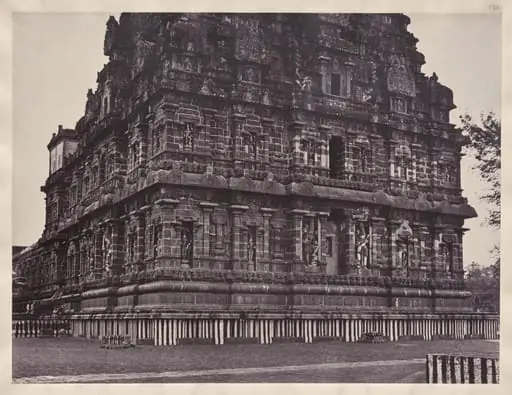 West and South Sides of the Vimana Walls, Great Temple (Brihadeshvara) at Tanjore (Thanjavur)
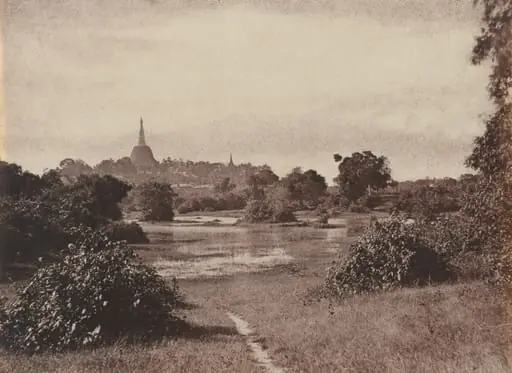 Rangoon. View Near the Lake
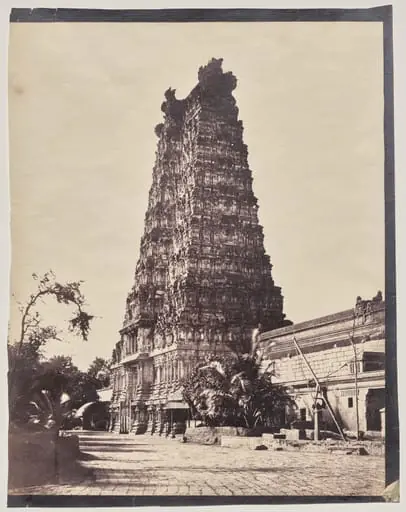 Western Gateway (Gopuram) of the Minakshi Sundareshvara Temple, Madurai
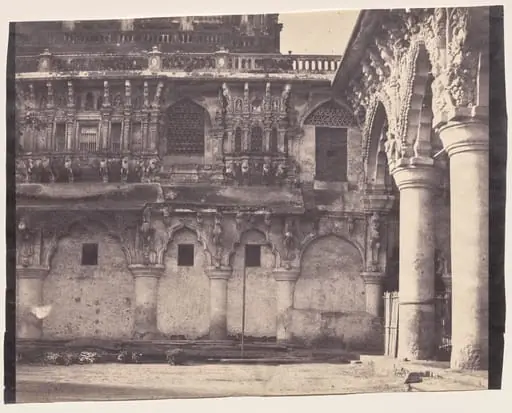 South Façade of the Quadrangle of the Nayak Darbar Hall, Thanjavur
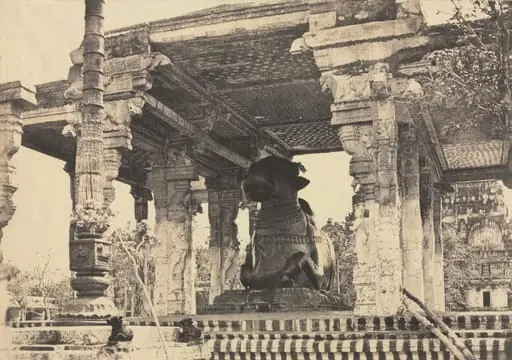 Great Pagoda, Great Bull, Front View, Tanjore, India (Rajarajeshvara Temple), plate 12 from Photographic Views of Tanjore and Trivady (Madras: Madras Presidency)
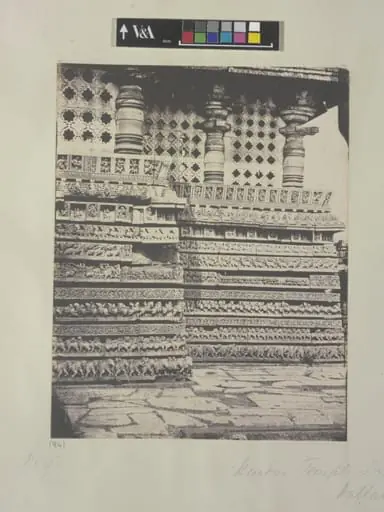 Hindoo Temple Sculpture, Southern India, Hullabeed
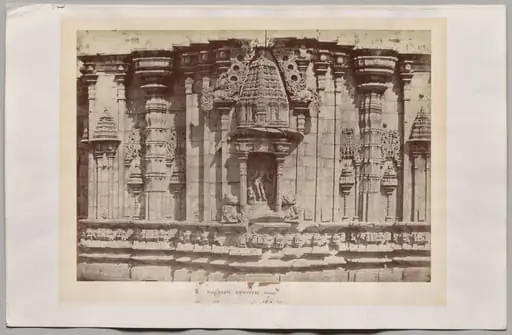 Kirwuttee, A Temple, India
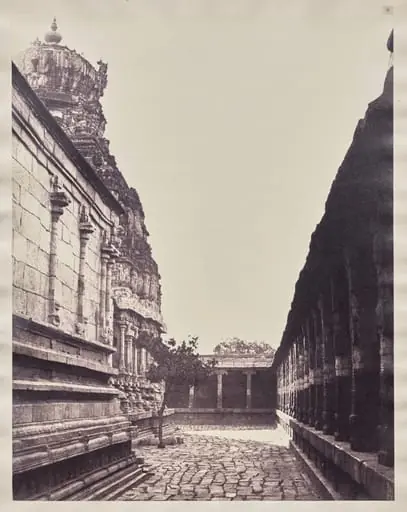 Perumal Temple Vimana from Corner of Court, Madurai
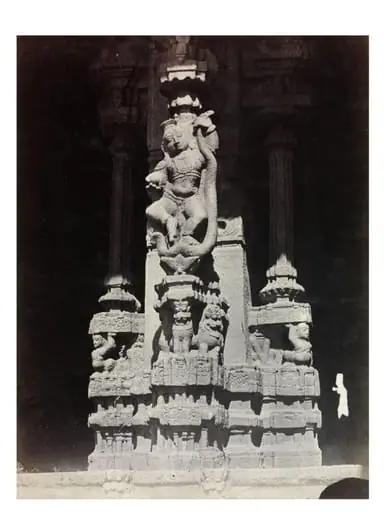 Hampi (Vijayanagara): Stone pier with Krishna dancing on the snake.
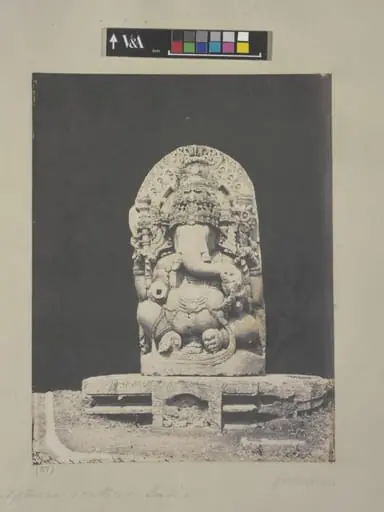 Hindoo Temple Sculptures, Southern India, Hullabeed
 Exp. 670: Composite of oval portrait prints and engravings
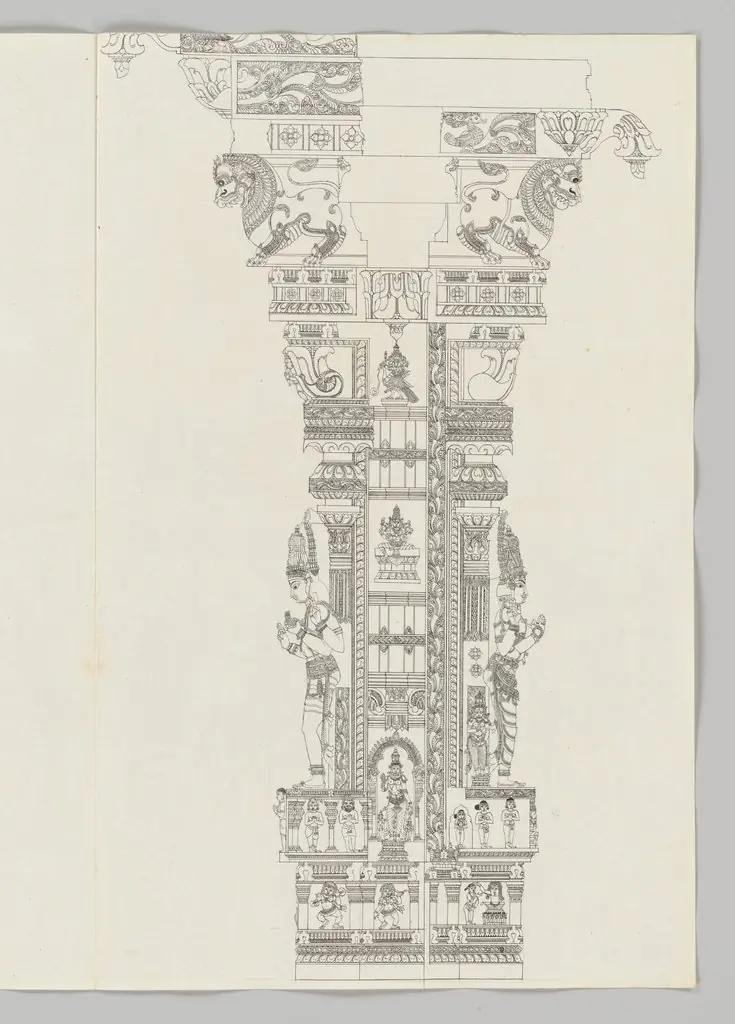 Sundareshvara teaching a bird a mantra; Nandishvara.
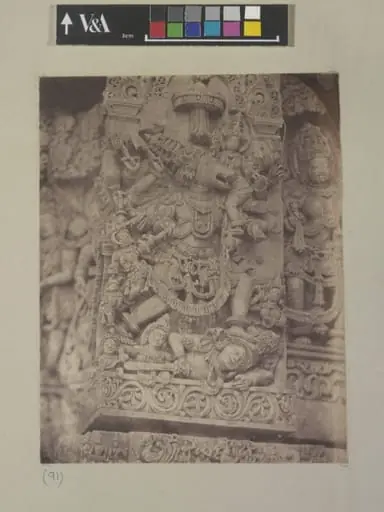 Hindoo Temple Sculptures, Southern India, Hullabeed
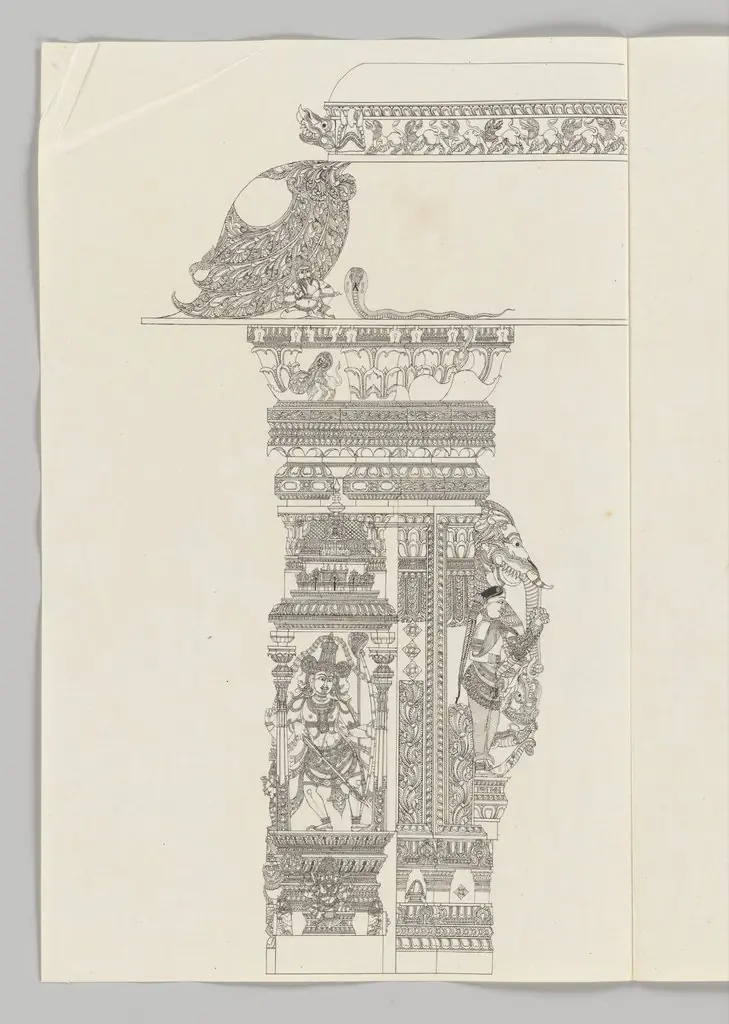 Shiva as Tripsurasamhara; woman holding a flywhisk; rearing yali