Artwork
The Wise and Foolish Virgins: The Fifth Foolish Virgin
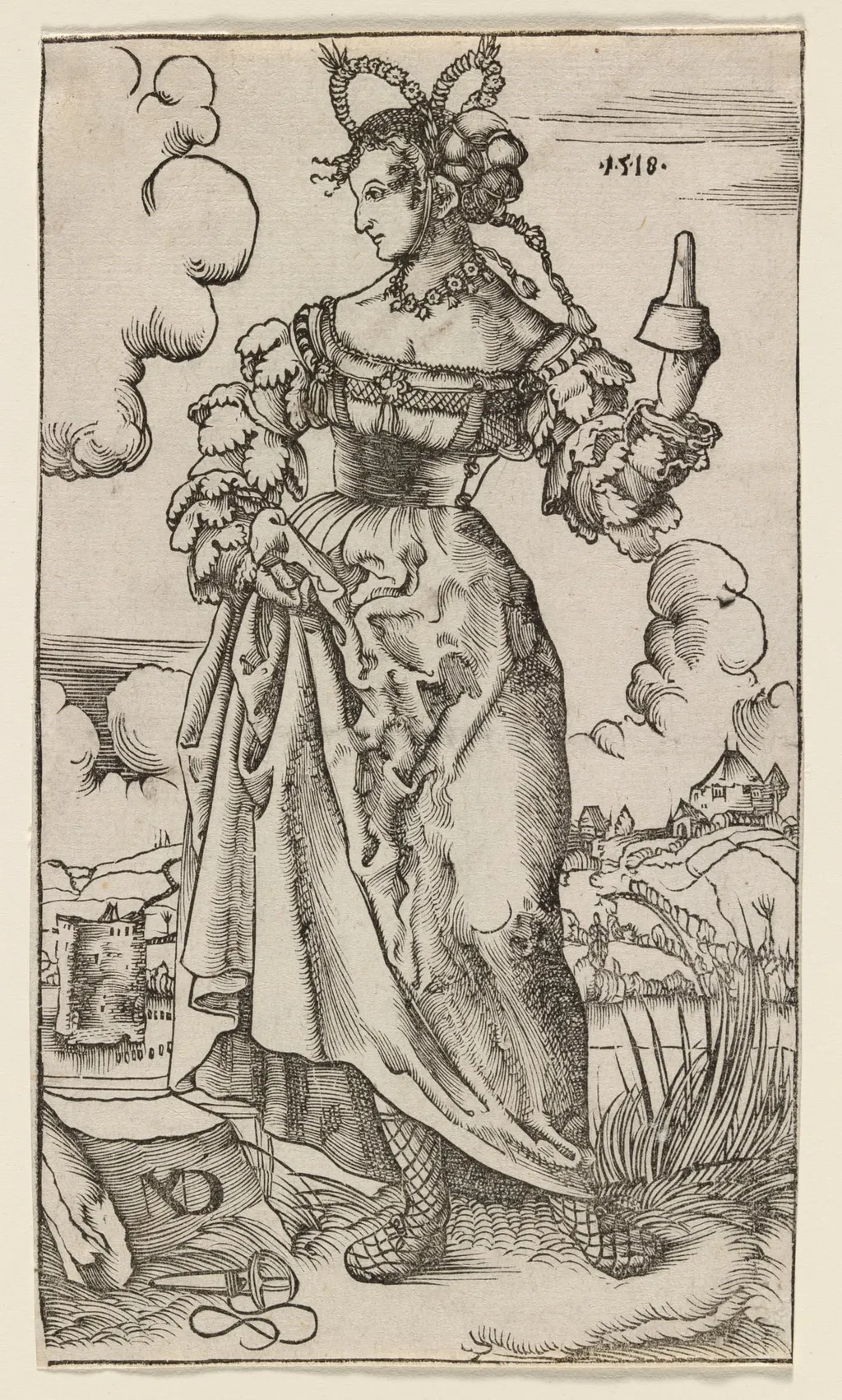
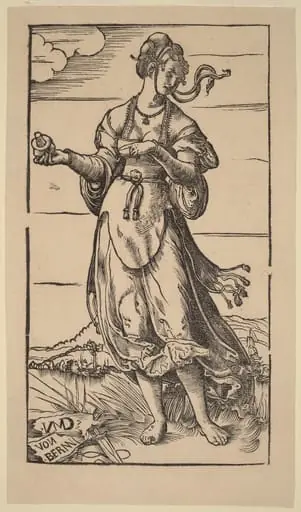
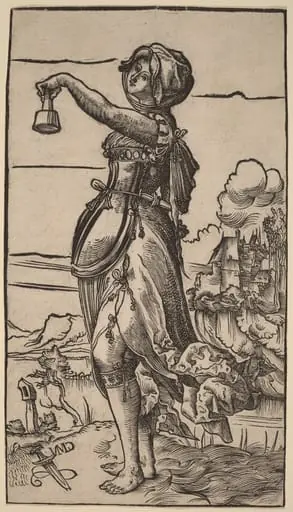
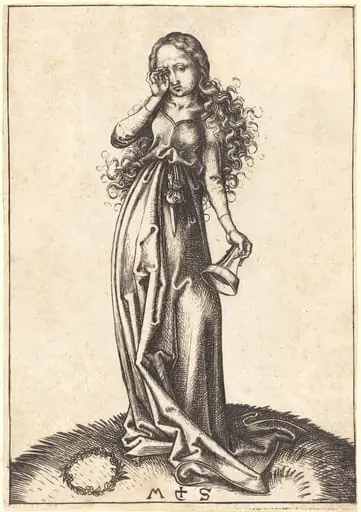
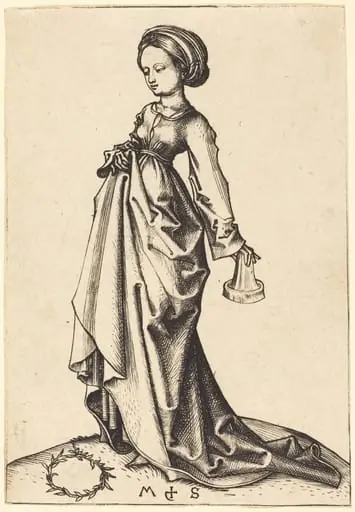
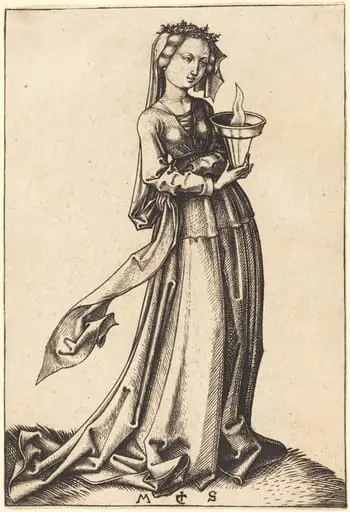
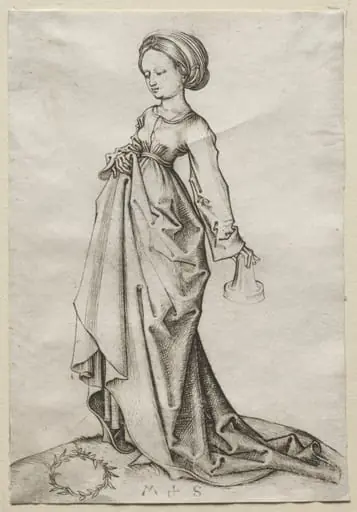
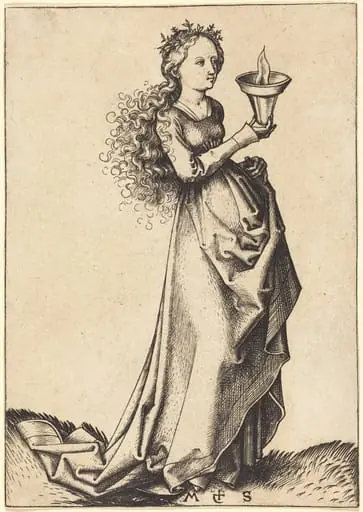
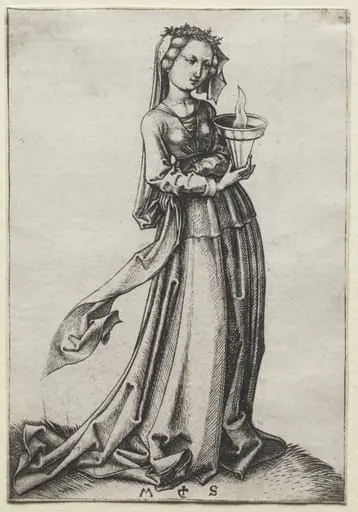
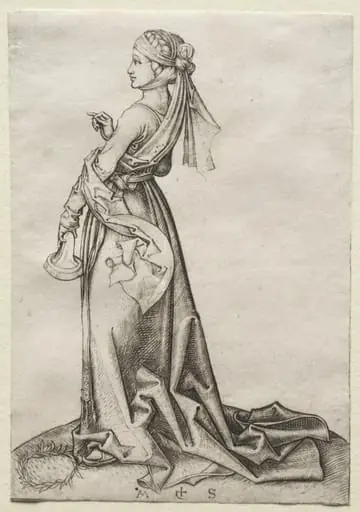
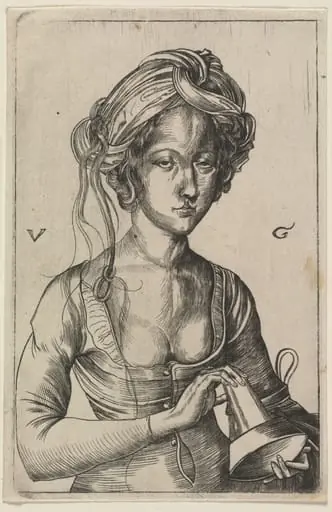
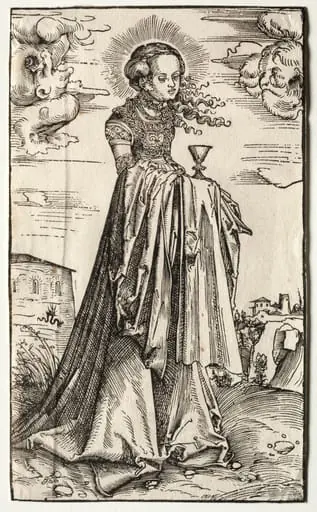
The Wise and Foolish Virgins: The Fifth Foolish Virgin is a print by the Renaissance artist Nikolaus Manuel Deutsch. It dates from 1518 and is held in the collection of the Cleveland Museum of Art.
About this work
Overview
Created in 1518 by Nikolaus Manuel Deutsch, a Swiss polymath active in Bern, this ink drawing is one of a series illustrating the Parable of the Ten Virgins.
Created in 1518 by Nikolaus Manuel Deutsch, a Swiss polymath active in Bern, this ink drawing is one of a series illustrating the Parable of the Ten Virgins. Executed during the Northern Renaissance, it reflects the period’s preoccupation with moral instruction through visual narrative. The work is part of The Cleveland Museum of Art’s permanent collection and exemplifies the integration of religious allegory with everyday visual detail in early 16th-century Swiss art.
Subject & Meaning
The image portrays the fifth of the foolish virgins from Matthew 25:1–13, who neglected to bring sufficient oil for her lamp. Her anxious gaze and the extinguished flame suggest impending exclusion from the bridegroom’s feast. The keys she holds may symbolize worldly responsibilities or misplaced priorities, contrasting with the prepared virgins who carried both oil and lamps. The scene functions as a warning against spiritual complacency.
Technique & Style
Rendered in ink with fine linear precision, the drawing emphasizes intricate textile patterns, architectural detail, and expressive gesture. The woman’s elaborate dress, with high collar and ornate sleeves, is rendered with careful attention to folds and texture. The background—a distant town, river, and turbulent sky—uses minimal but evocative strokes to suggest depth and foreboding, characteristic of Northern Renaissance draftsmanship.
History & Provenance
The drawing was produced during Deutsch’s active years as a Reformation-era figure in Bern, where he combined political engagement with artistic production. Its survival as a single sheet from a larger series is unusual; most such works were lost or dispersed. It entered The Cleveland Museum of Art’s collection in the 20th century, likely through a European acquisition, and has been studied for its theological and artistic significance.
Context
In early 16th-century Switzerland, religious reformers emphasized personal accountability and vigilance in faith. Deutsch’s series responded to this climate, translating biblical parables into accessible visual lessons. The depiction of domestic and urban settings alongside spiritual themes reflects a broader trend in Northern art to ground sacred narratives in familiar, tangible environments.
Legacy
Though not widely reproduced, the drawing remains a significant example of Swiss Reformation-era graphic art. It illustrates how religious instruction was conveyed through intimate, hand-drawn formats rather than large-scale altarpieces. Its preservation offers insight into the visual culture of Protestant reformers who used art to reinforce moral discipline in daily life.
Artist & collection
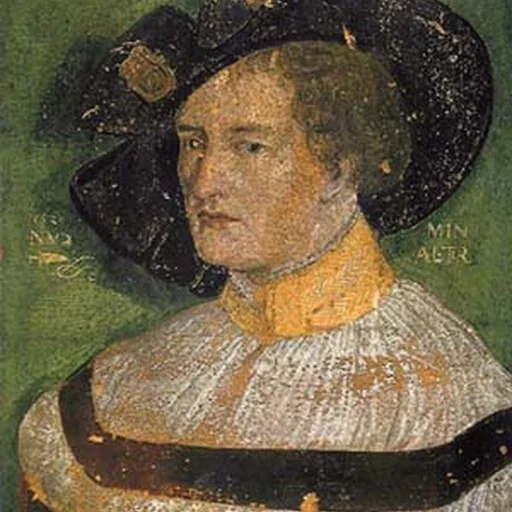
Artist
Niklaus Manuel Deutsch (Niklaus Manuel, c. 1484 – 28 April 1530), of Bern, was a Swiss artist, writer, mercenary and Reformed politician.