Artwork
Autumn River
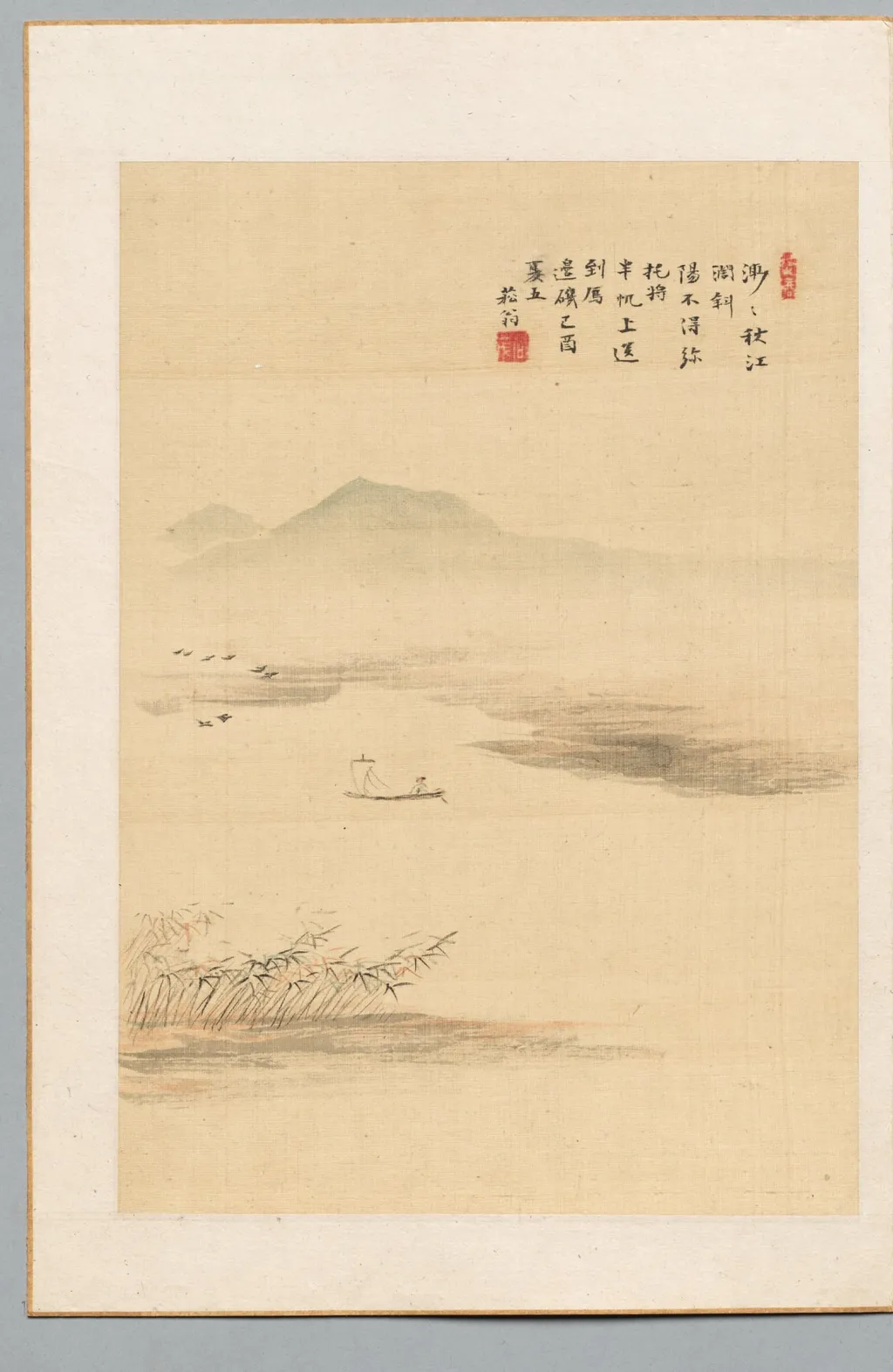
Autumn River is a work on paper by the Romanticist artist Nukina Sūō. It dates from 1849 and is held in the collection of the Cleveland Museum of Art.
About this work
Overview
A solitary boat, drifting near the center, and low-flying birds suggest quiet movement within an otherwise silent landscape.
Autumn River is a monochrome ink painting from 1849 by the Japanese artist Nukina Kaioku. Part of a portfolio, it captures a tranquil riverside at twilight, rendered with restrained tonal gradations. The composition emphasizes stillness and subtlety, avoiding dramatic contrasts. A solitary boat, drifting near the center, and low-flying birds suggest quiet movement within an otherwise silent landscape.
Subject & Meaning
The scene depicts a quiet autumn river, its mood defined by solitude and transience. Tall reeds along the bank and fading hills evoke seasonal change, while the absence of human activity reinforces a sense of withdrawal from the world. The inclusion of red seals and Chinese calligraphy at the top likely serves as an artist’s mark or a poetic reflection, aligning the image with literati traditions that value introspection over narrative.
Technique & Style
Nukina employed soft brushwork and diluted ink washes to create a hazy, atmospheric effect. Forms are suggested rather than defined, with no sharp outlines or vivid hues. The muted palette—dominated by grays and pale browns—enhances the dreamlike quality. Calligraphic inscriptions and red seals, placed deliberately at the top, integrate text and image as equal elements of the composition, reflecting scholarly painting conventions.
History & Provenance
Created in 1849, the work entered the collection of The Cleveland Museum of Art, where it remains today. Its origin as part of a portfolio suggests it was intended for private contemplation rather than public display. Nukina Kaioku, a scholar-artist active in the late Edo period, produced works influenced by Chinese literati aesthetics, and this piece exemplifies his quiet, introspective approach to landscape.
Context
Nukina worked during a time when Japanese artists increasingly drew from Chinese literati traditions, valuing personal expression over technical display. Autumn River reflects this shift, aligning with the ideals of shigajiku—poetic ink paintings meant for quiet study. Unlike popular ukiyo-e prints, such works appealed to educated elites who sought emotional resonance in minimal forms and restrained composition.
Legacy
Though not widely known outside specialist circles, Autumn River exemplifies the enduring influence of Chinese literati painting in Edo-period Japan. Its emphasis on mood, brush economy, and textual integration helped sustain a tradition of introspective art that contrasted with the more commercial styles of the era. The work continues to be studied for its quiet mastery of tone and spatial ambiguity.
Artist & collection
Artist
Nukina Kaioku (貫名 海屋; 1778–1863) was a Japanese painter and calligrapher. He had many pseudonyms, but Kaioku (海屋) and Sūō (菘翁) are the most well-known. He was considered a leader in the field of Japanese calligraphy…

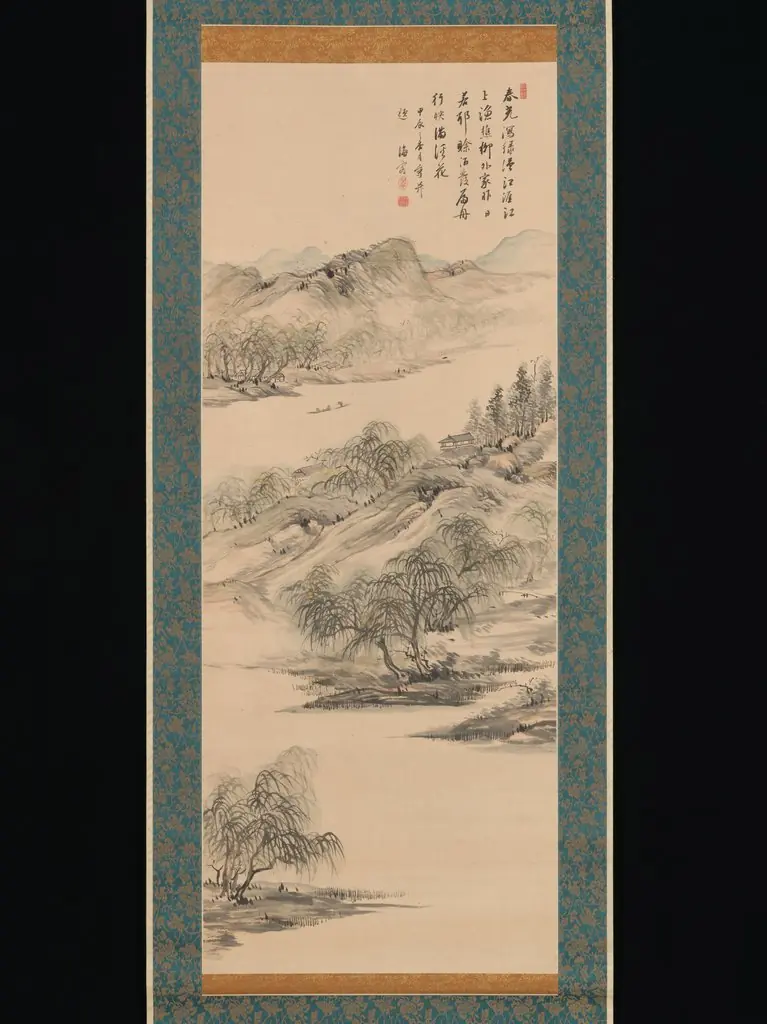
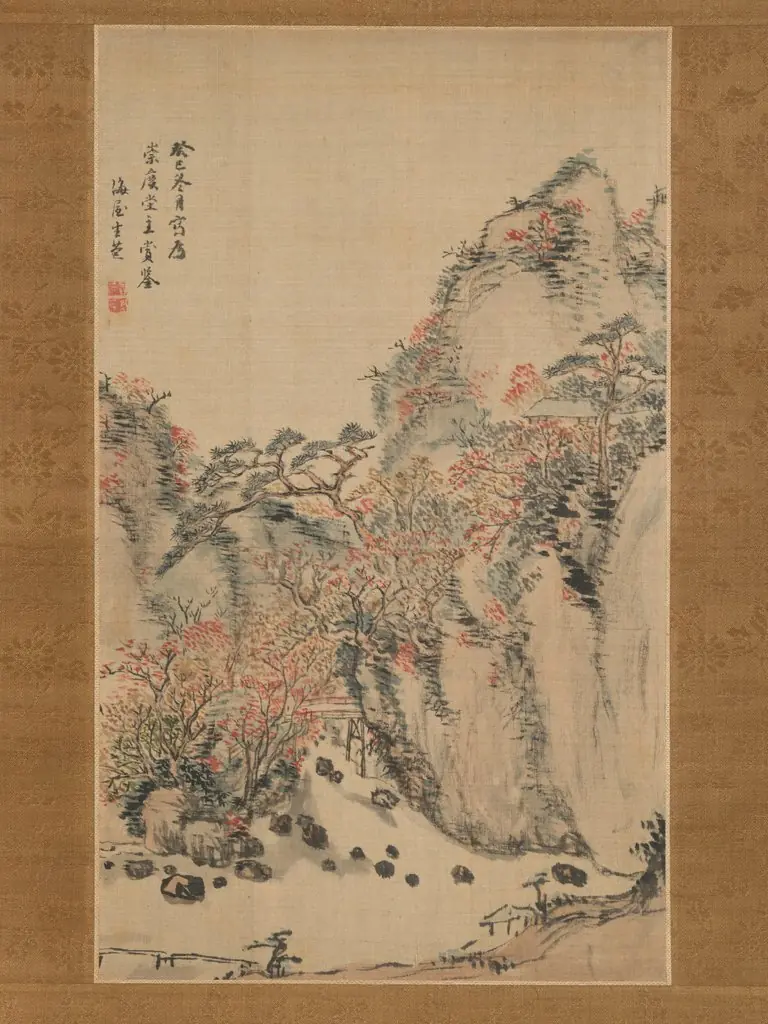
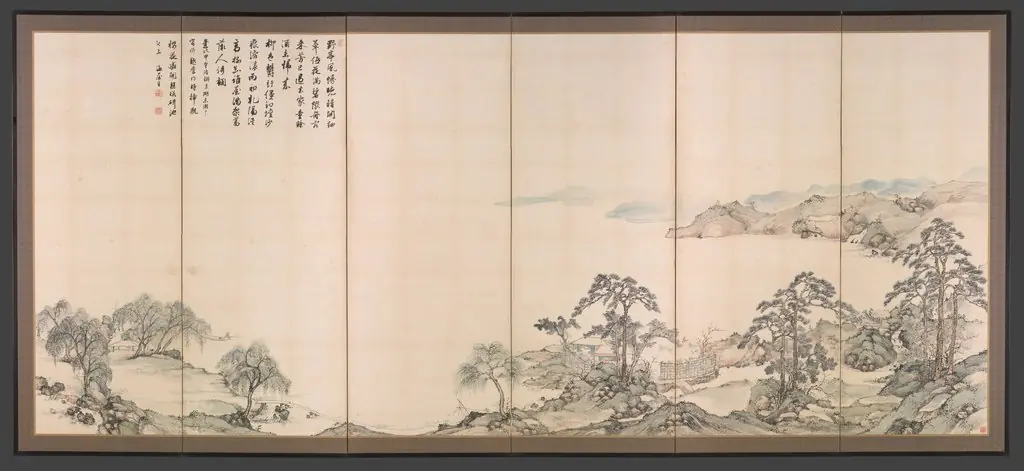
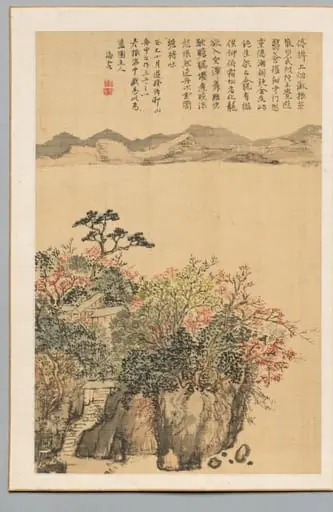
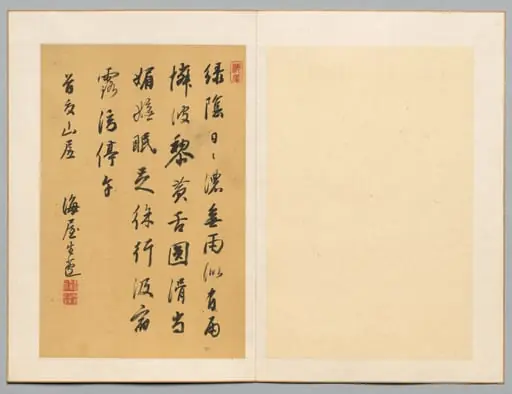
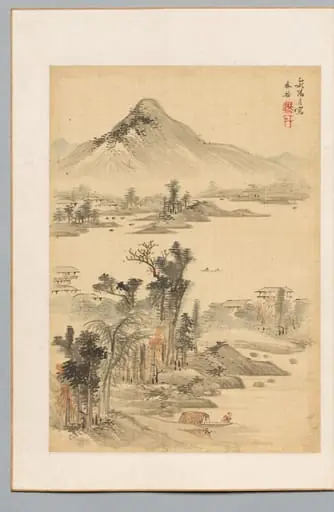 Landscape
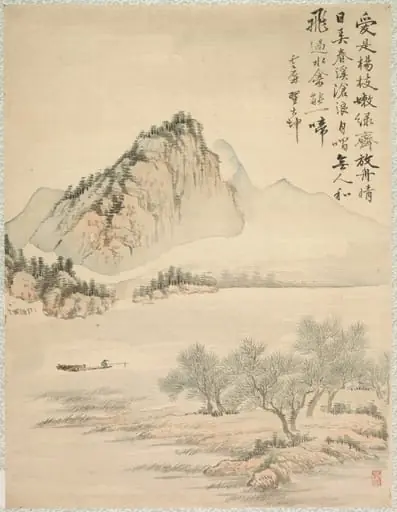 Drifting in a Boat
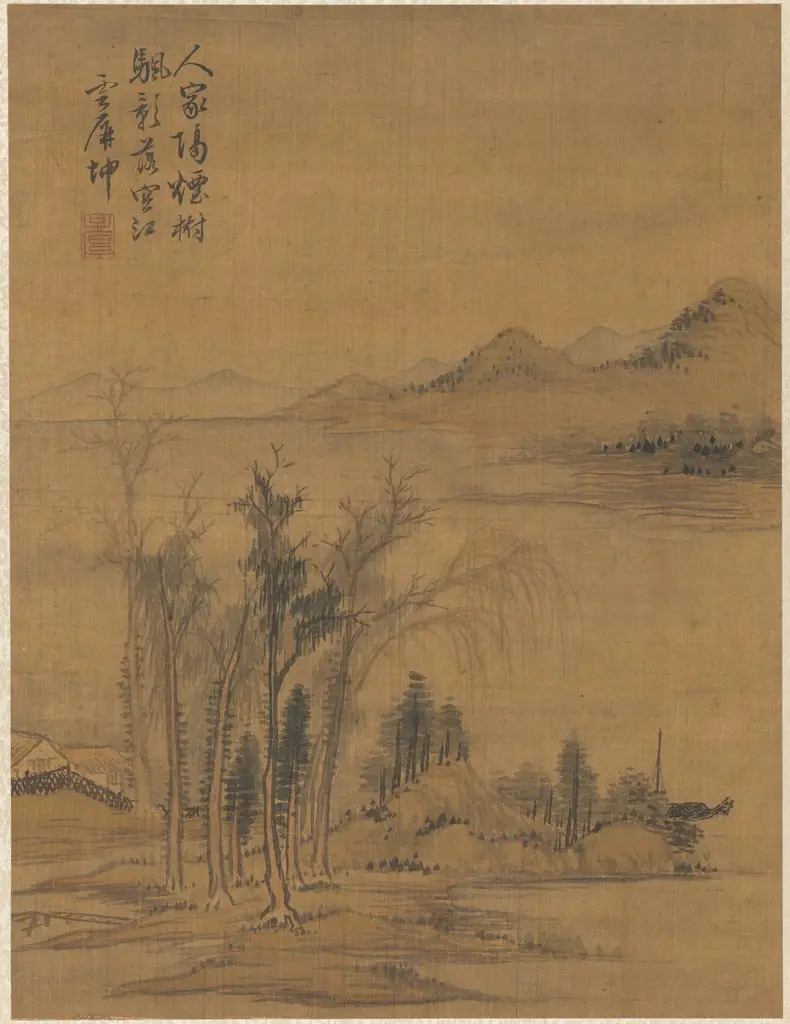 Landscape
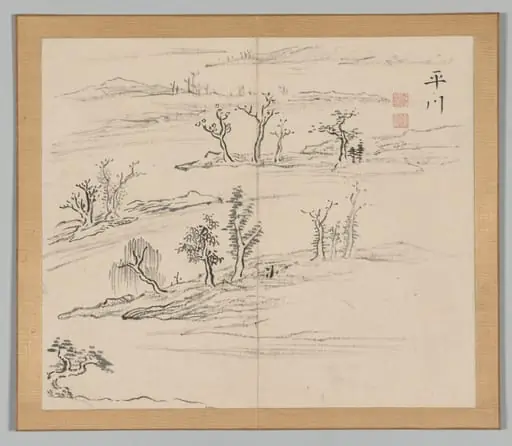 Reverberations of Taiga, Volume 2 (leaf 9)
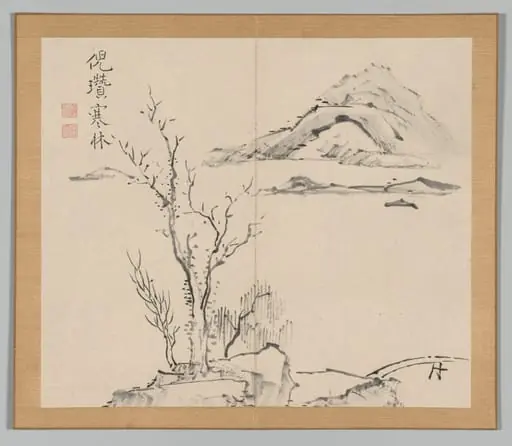 Reverberations of Taiga, Volume 2 (leaf 11)
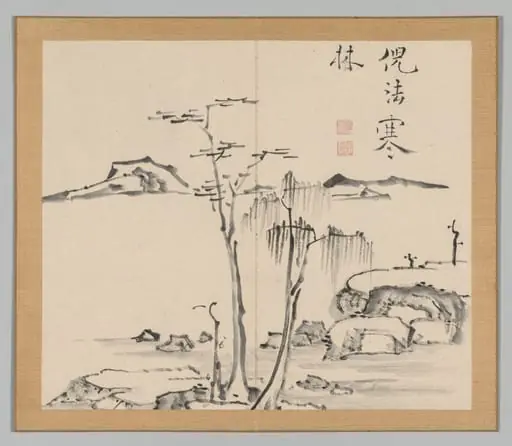 Reverberations of Taiga, Volume 2 (leaf 15)
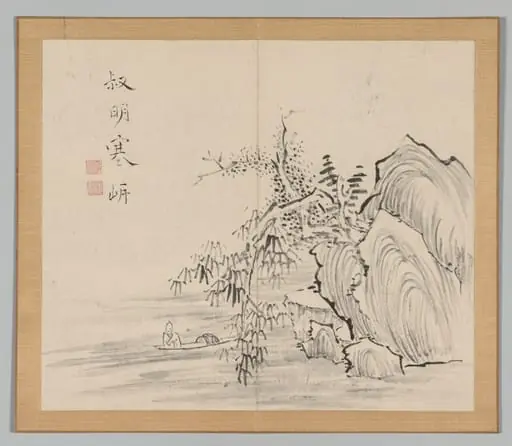 Reverberations of Taiga, Volume 2 (leaf 10)
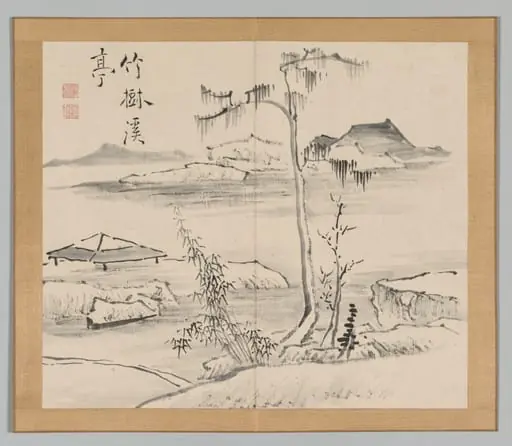 Reverberations of Taiga, Volume 2 (leaf 24)
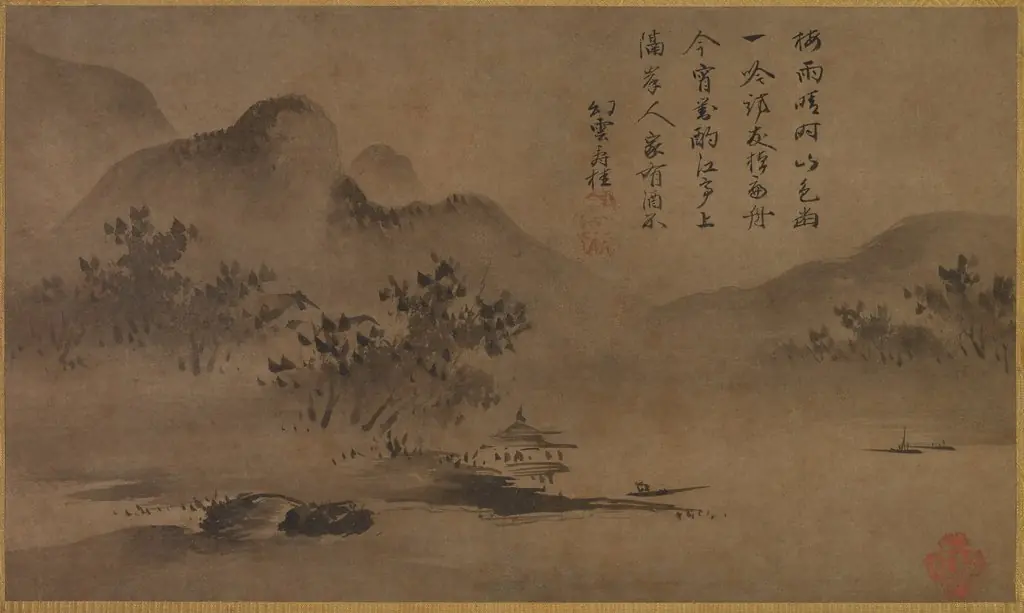 Landscape
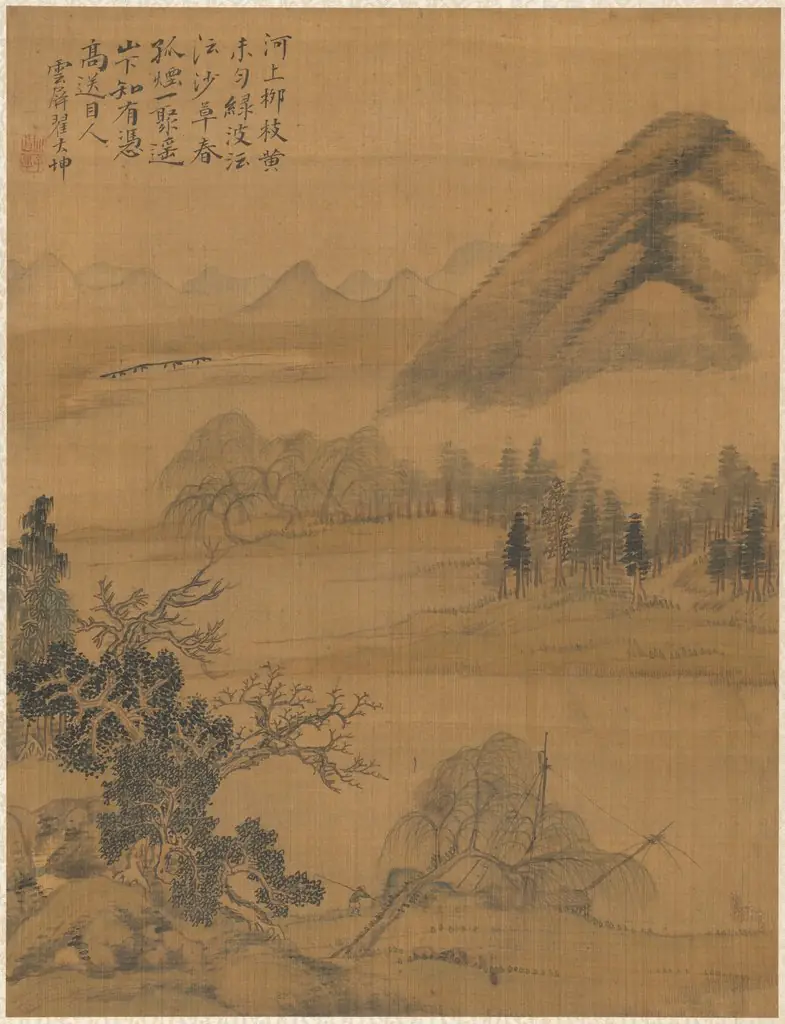 Landscape
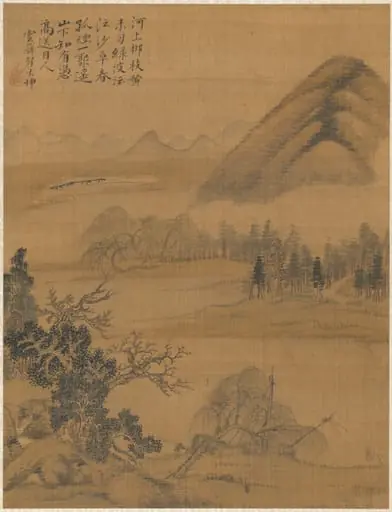 Landscape
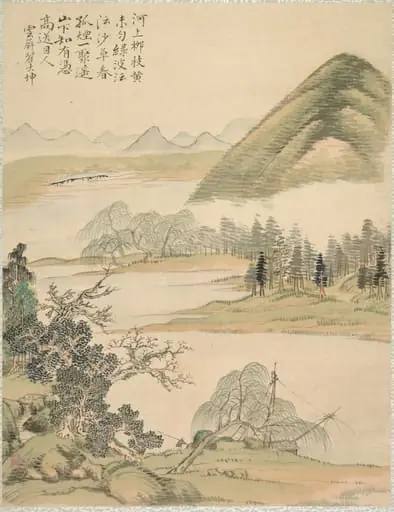 Willow Branches in Spring