Artwork
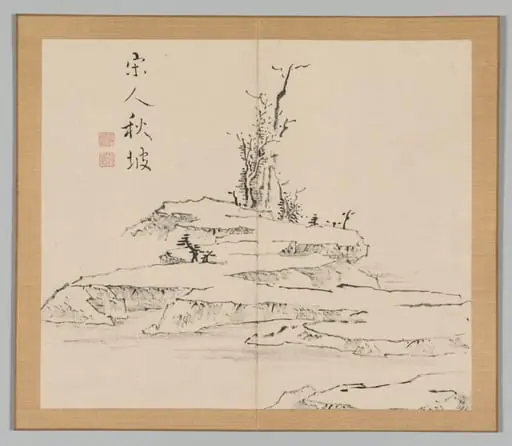
Reverberations of Taiga, Volume 2 (leaf 9)
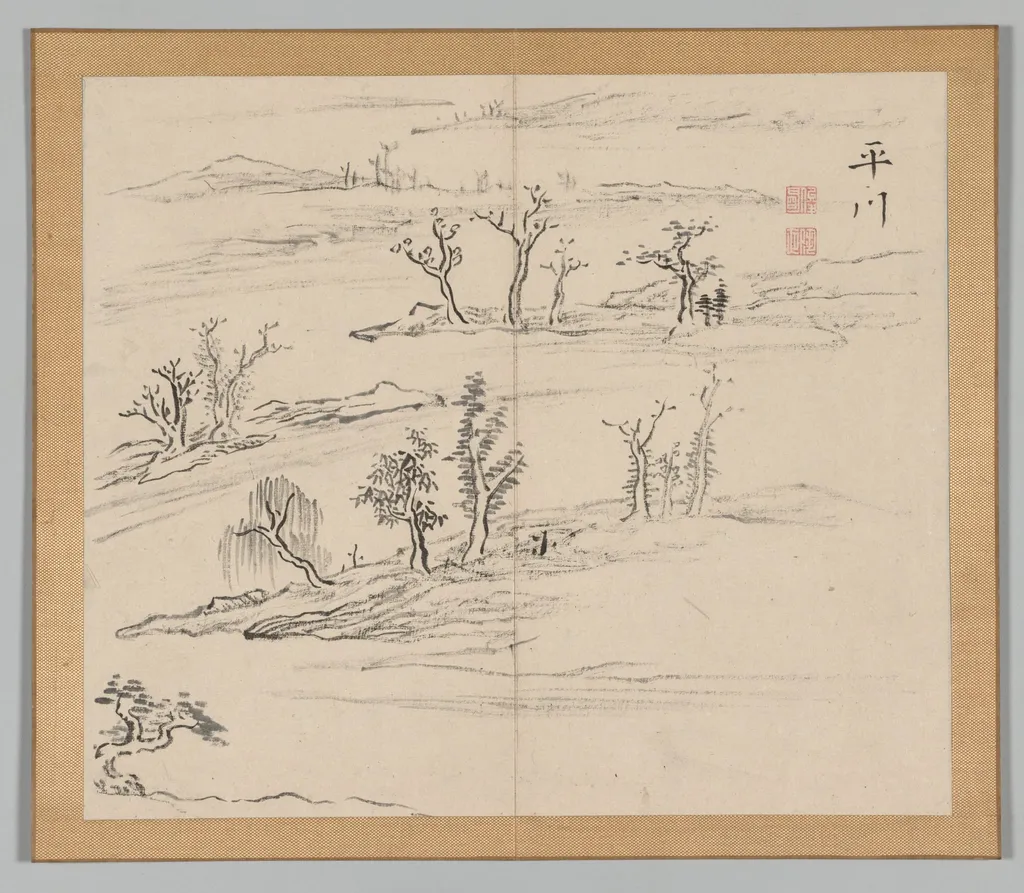
Reverberations of Taiga, Volume 2 (leaf 9) is a work on paper by the Baroque artist Aoki Shukuya. It dates from 1704 and is held in the collection of the Cleveland Museum of Art. This ink sketch is one leaf from a portfolio titled Reverberations of Taiga, Volume 2.
About this work
Overview
This ink sketch is one leaf from a portfolio titled Reverberations of Taiga, Volume 2. Created as part of a training exercise, it reflects the disciplined practice of Japanese ink painting apprenticeship. The work bears the stylistic imprint of Ikeno Taiga, a leading Kyoto-based painter of the 18th century, and was likely produced by his pupil, Shukuya, during formative study.
Subject & Meaning
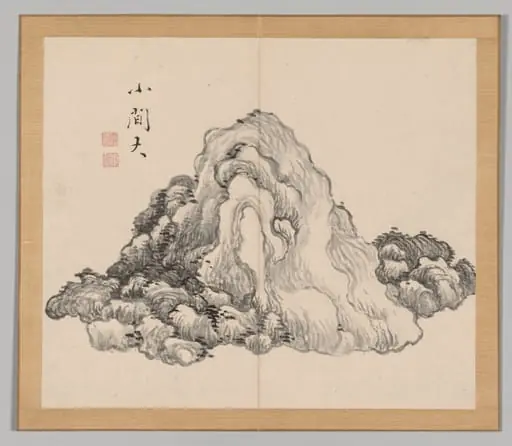
The composition depicts rugged rock formations, gnarled pine trees, and distant mountain ranges rendered in subtle gray washes.
The composition depicts rugged rock formations, gnarled pine trees, and distant mountain ranges rendered in subtle gray washes. These elements, drawn from traditional Chinese-inspired landscape motifs, were not merely decorative but served as vehicles for mastering brush control and compositional rhythm. The implied wind through the pines suggests an awareness of natural forces, a key concern in literati painting traditions.
Technique & Style
The brushwork appears spontaneous yet is precisely calibrated, with no hesitation or tremor in the lines. Ink tones vary from pale washes to dense strokes, creating depth without color. The technique emulates Taiga’s approach—economy of gesture, controlled fluidity, and an emphasis on the expressive potential of ink’s gradations. Each mark was deliberate, honed through repetition.
History & Provenance
The piece was produced in Kyoto during the mid-18th century, likely in Taiga’s studio, where apprentices copied his works to internalize his methods. Shukuya, as a documented pupil, would have undertaken such exercises to earn recognition. The work entered the collection of the Cleveland Museum of Art, preserving its role as an artifact of pedagogical practice in Edo-period Japan.
Context
In 18th-century Japan, artistic training followed a master-apprentice model rooted in Confucian ideals of transmission. Copying the master’s compositions was not imitation for its own sake but a path to internalizing aesthetic principles. Taiga’s style, blending Chinese literati ideals with Japanese sensibilities, was particularly influential among Kyoto painters seeking intellectual depth in ink art.
Legacy
This sketch exemplifies how artistic lineage was maintained through disciplined practice rather than innovation. While not intended as a finished work, it reveals the rigor behind the appearance of spontaneity in East Asian ink painting. Such student exercises, though rarely exhibited, were essential to sustaining stylistic continuity across generations.
Artist & collection

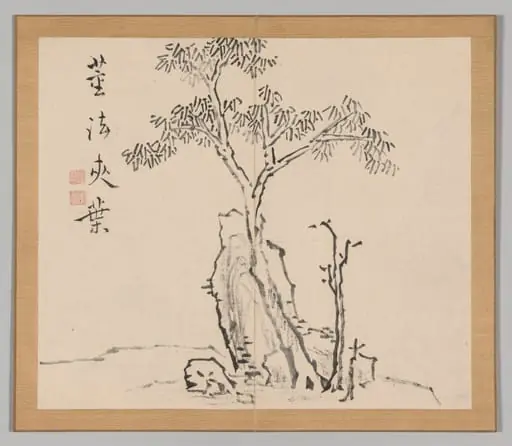 Reverberations of Taiga, Volume 1 (leaf 4)
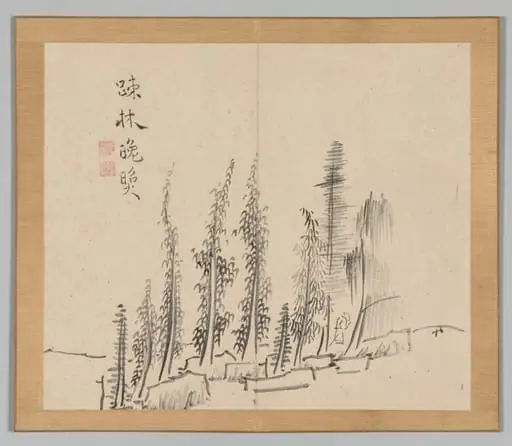 Reverberations of Taiga, Volume 2 (leaf 30)
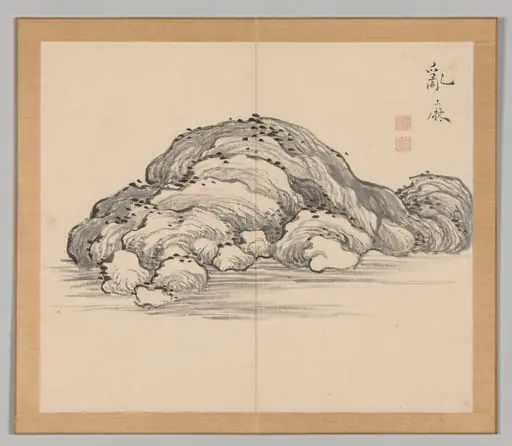 Reverberations of Taiga, Volume 1 (leaf 12)
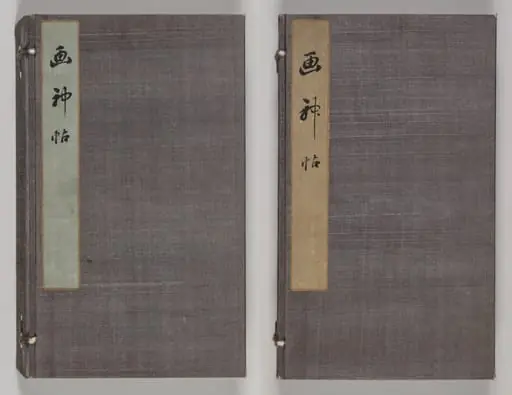 Reverberations of Taiga
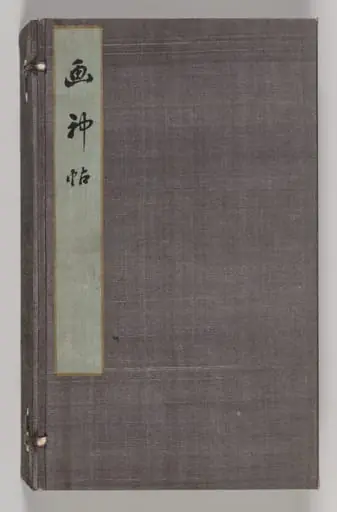 Reverberations of Taiga (Volume 1)
 Reverberations of Taiga, Volume 1 (leaf 7)
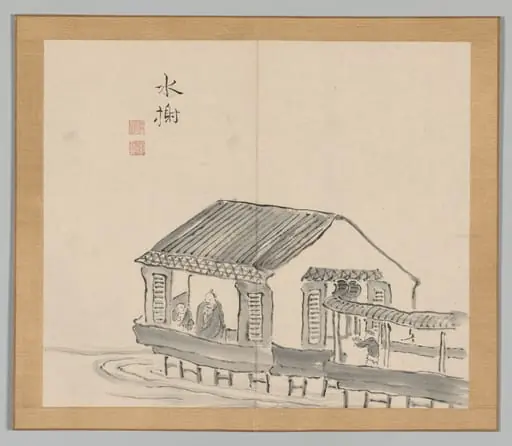 Reverberations of Taiga, Volume 2 (leaf 29)
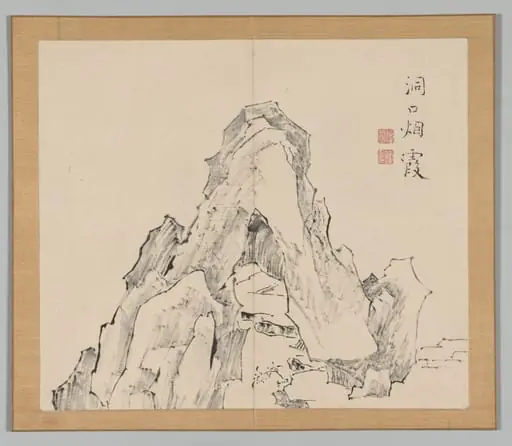 Reverberations of Taiga, Volume 2 (leaf 20)
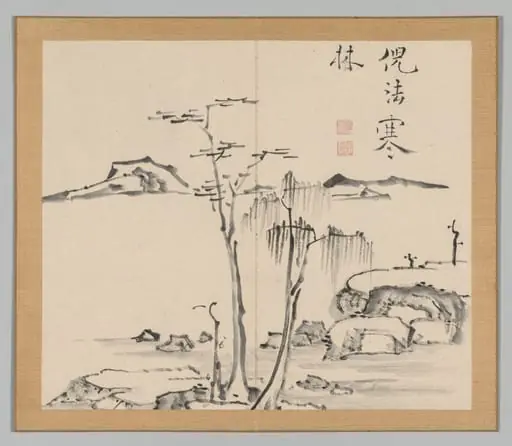 Reverberations of Taiga, Volume 2 (leaf 15)
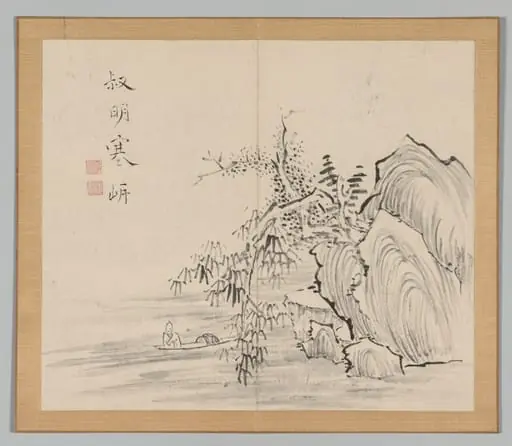 Reverberations of Taiga, Volume 2 (leaf 10)
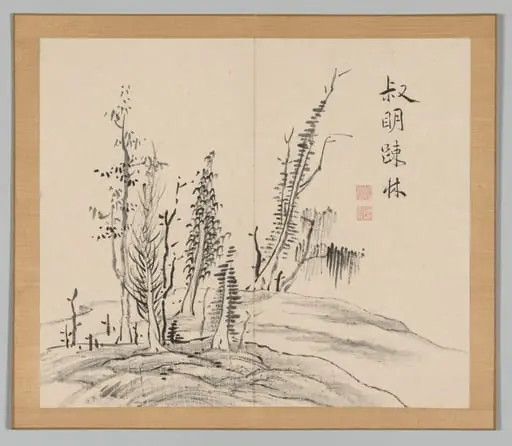 Reverberations of Taiga, Volume 2 (leaf 17)
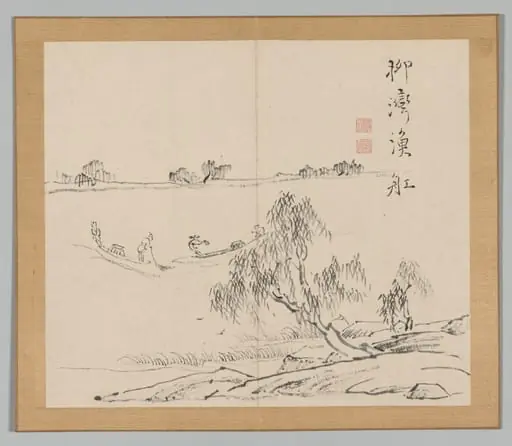 Reverberations of Taiga, Volume 2 (leaf 27)
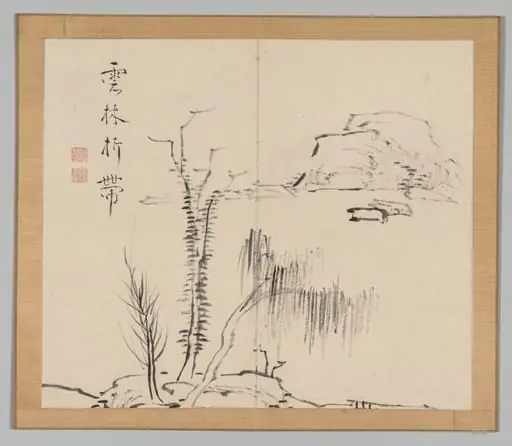 Reverberations of Taiga, Volume 2 (leaf 16)
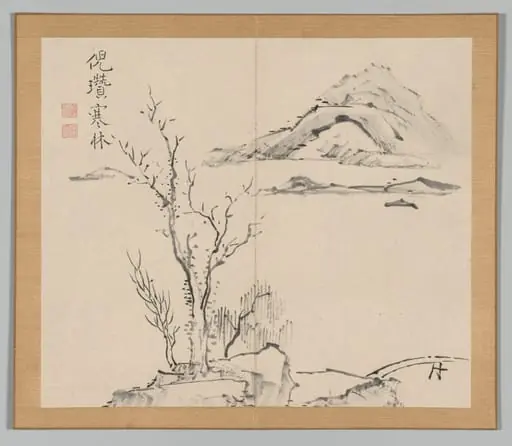 Reverberations of Taiga, Volume 2 (leaf 11)
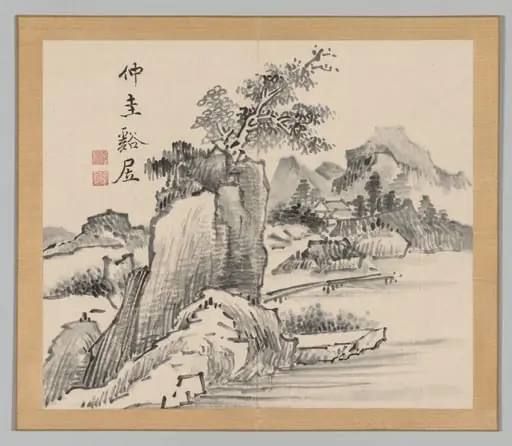 Reverberations of Taiga, Volume 2 (leaf 14)
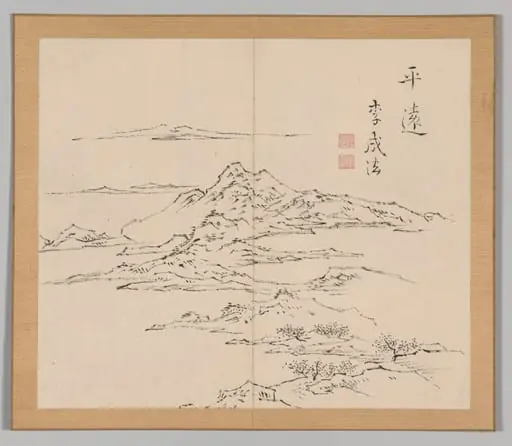 Reverberations of Taiga, Volume 2 (leaf 8)
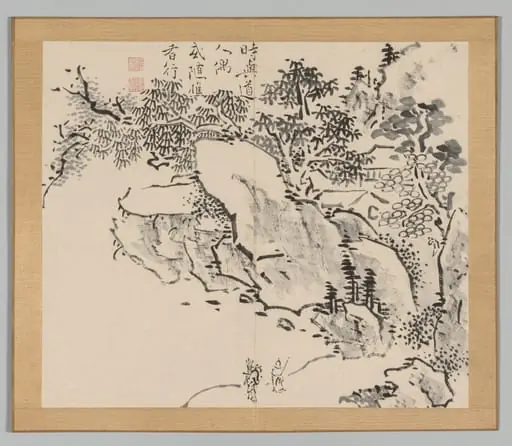 Reverberations of Taiga, Volume 2 (leaf 34)
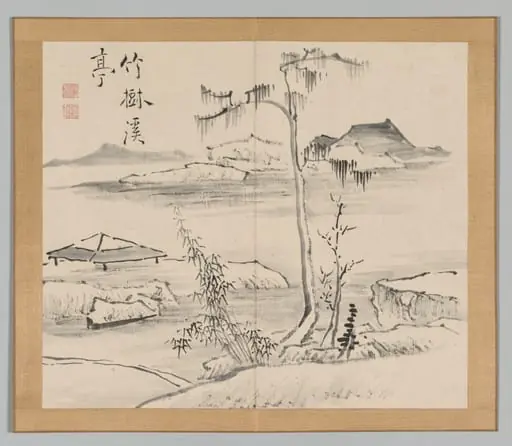 Reverberations of Taiga, Volume 2 (leaf 24)
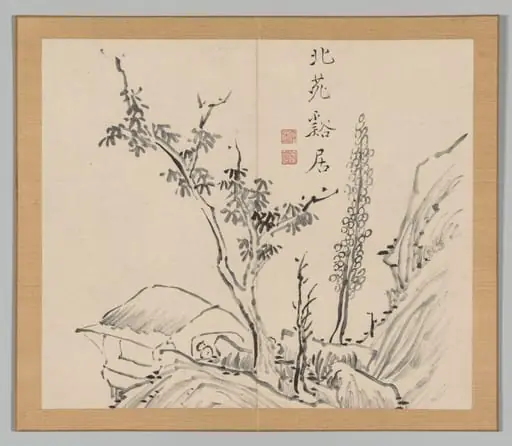 Reverberations of Taiga, Volume 2 (leaf 13)
 Reverberations of Taiga, Volume 2 (leaf 12)