Artwork
Willow Branches in Spring
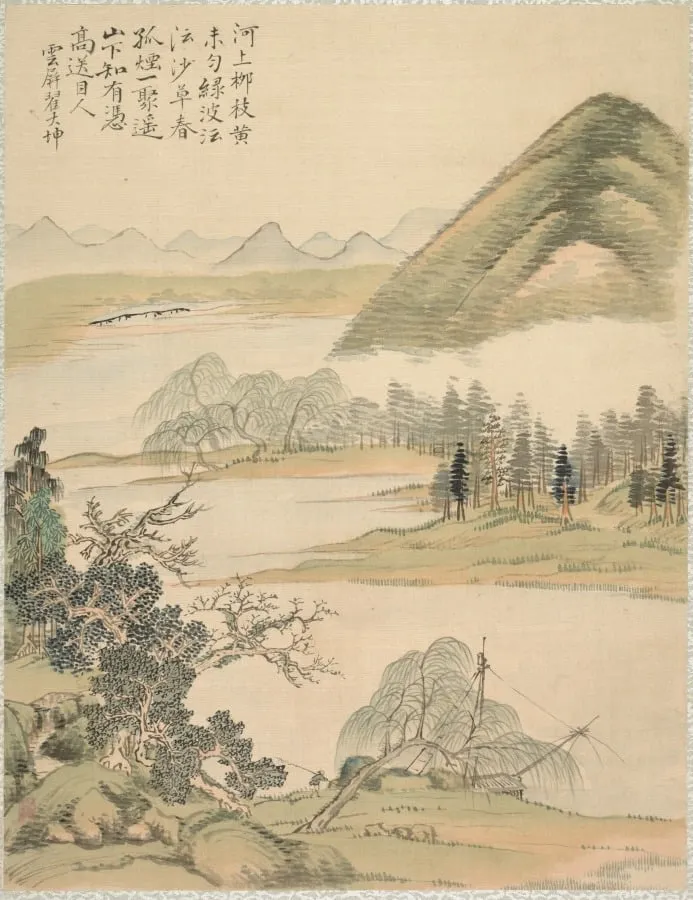
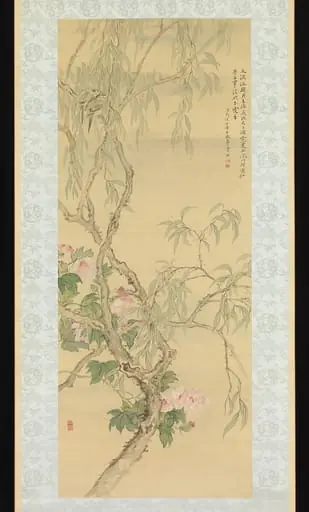
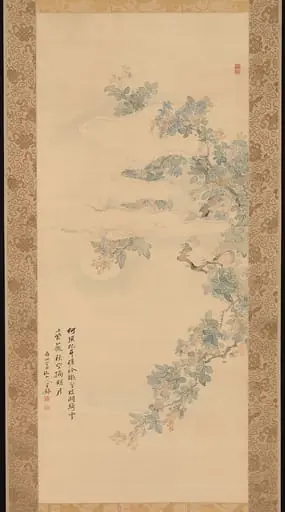
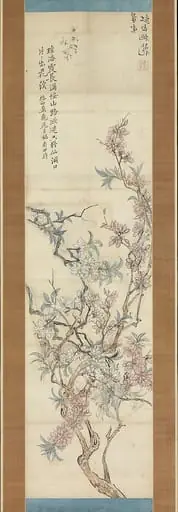
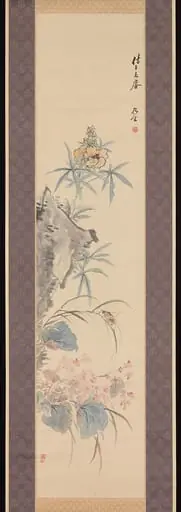
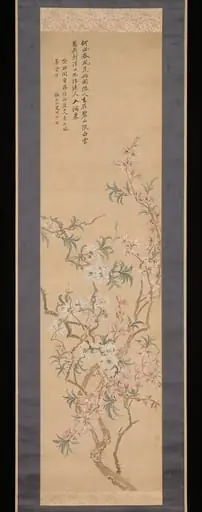
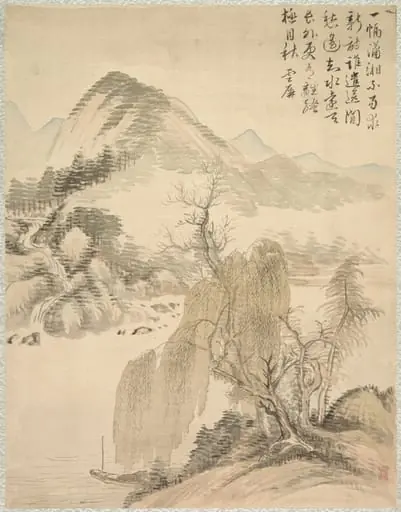
Willow Branches in Spring is a work on paper by the Romanticist artist Tsubaki Chinzan. It dates from 1847 and is held in the collection of the Cleveland Museum of Art.
About this work
You see a thin branch of a willow tree, leaves just unfurling in soft green.
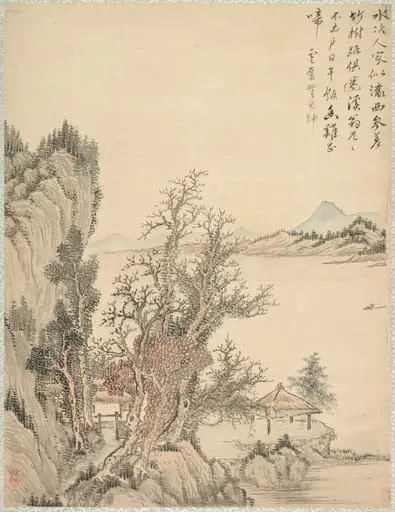
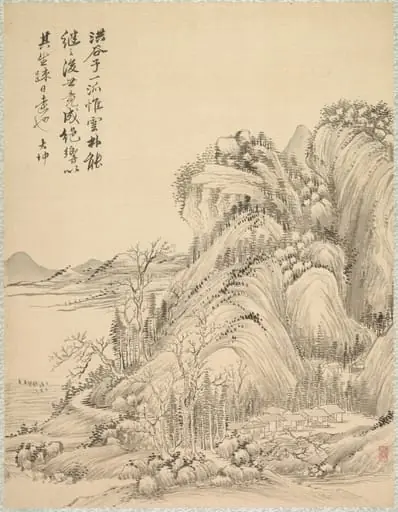
This painting is part of an album where Chinzan copied both the look and the handwriting of an earlier Chinese artist. He didn’t just paint the scene—he also rewrote the original poem in the same brushstrokes.
To see how copying can feel like creating, look up more works from the subject: japan, edo period (1615–1868).
Overview
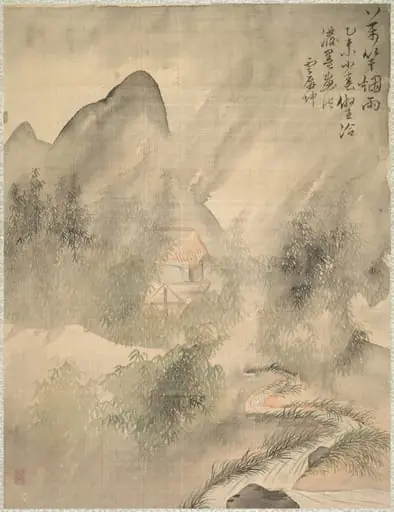
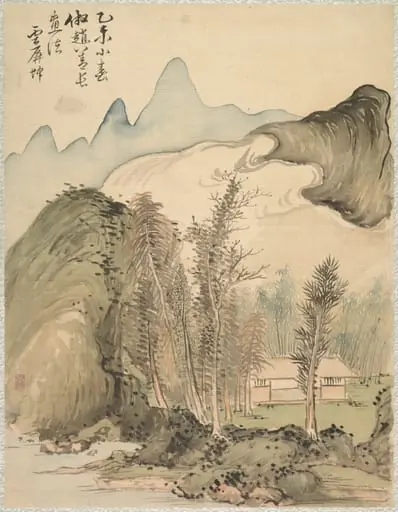
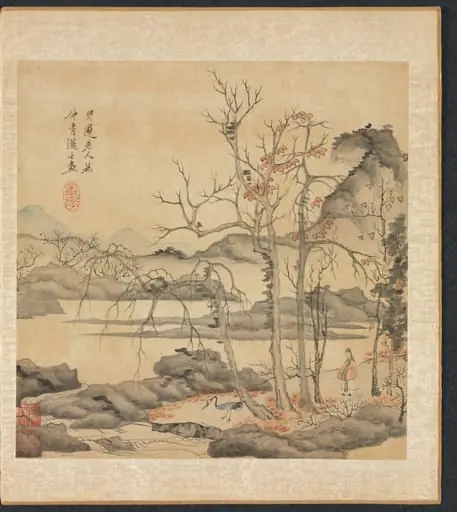
Willow Branches in Spring is one of twelve ink paintings in a handscroll album by Japanese artist Tsubaki Chinzan, created during the Edo period.
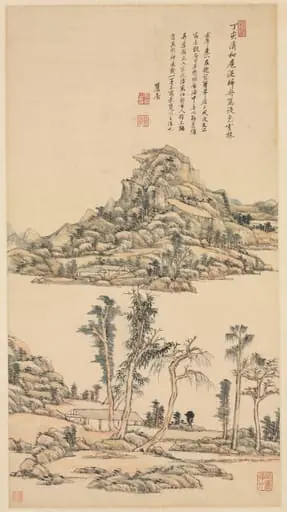
Willow Branches in Spring is one of twelve ink paintings in a handscroll album by Japanese artist Tsubaki Chinzan, created during the Edo period. Each work in the series reinterprets landscapes originally composed by the Chinese painter Zhai Dakun, who was active in the 18th century. Chinzan not only replicated the visual forms but also meticulously transcribed the accompanying poetic inscriptions, preserving their calligraphic rhythm and structure.
Subject & Meaning
The subject is a slender willow branch emerging in early spring, its tender leaves just beginning to unfurl in delicate washes of green ink. This quiet motif evokes renewal and transience, themes common in East Asian nature poetry. By selecting this image, Chinzan aligned himself with a tradition that valued subtle observation over grandeur, using minimal brushwork to suggest seasonal change and quiet contemplation.
Technique & Style
Chinzan employed monochrome ink washes with restrained brushwork, emulating Zhai Dakun’s understated style. His strokes are precise yet fluid, capturing the fragility of new foliage without embellishment. The calligraphic inscriptions, copied letter for letter, mirror the original’s spacing and pressure, transforming transcription into an act of artistic fidelity. The technique reflects a scholarly approach to painting, where mastery was demonstrated through disciplined imitation.
History & Provenance
The album was produced in Japan during the late 18th or early 19th century, a time when Japanese artists increasingly engaged with Chinese artistic models. Chinzan, trained in literati traditions, collected and studied Zhai’s works, which had circulated in Japan through printed albums and imported originals. This portfolio represents a deliberate act of cultural transmission, preserving Chinese literati aesthetics within a Japanese context.
Context
During the Edo period, Japanese artists often studied Chinese painting through imported texts and copies, viewing emulation as a path to refinement rather than imitation. Chinzan’s project reflects a broader trend among literati painters who sought legitimacy by aligning with revered Chinese masters. The practice of copying inscriptions alongside images reinforced the inseparability of poetry, calligraphy, and painting in the literati ideal.
Legacy
Chinzan’s album exemplifies how artistic learning in Edo Japan was rooted in reverence for precedent. Rather than seeking originality, he demonstrated depth through faithful re-creation. This approach influenced later generations of Japanese ink painters who continued to treat historical works as living models, sustaining a dialogue across centuries and borders through disciplined practice.
Artist & collection

Artist
Tsubaki Chinzan, originally Tasuku was a Japanese painter in the nanga style. His other art names include Hekiin Sambō, Kyūan (休庵), Shikyūan (四休庵) and Takukadō (琢華堂).