Artwork
Hunchback Gazing at a Windmill
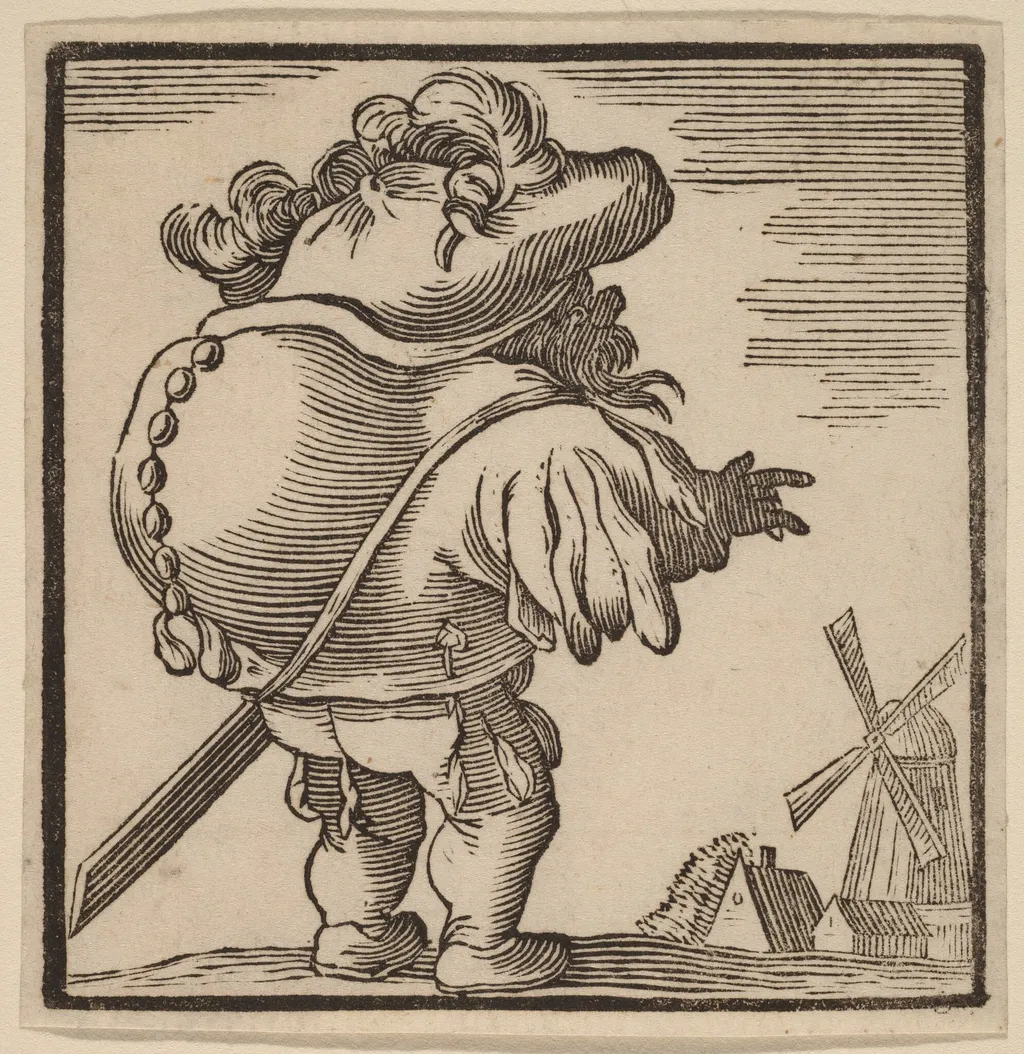
Hunchback Gazing at a Windmill is an ink print by the Romanticist artist H. Numan. It dates from 1770 and is held in the collection of the National Gallery of Art. H.
About this work
Overview
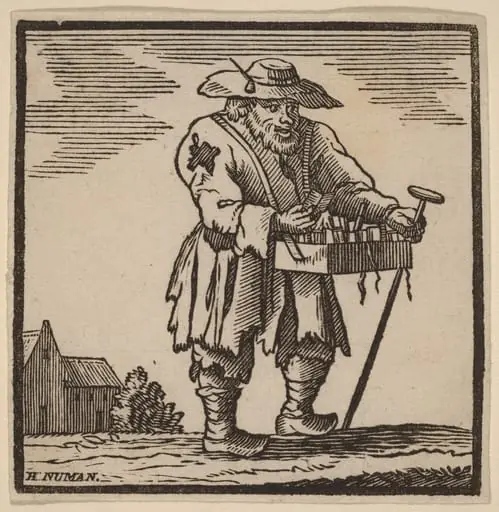
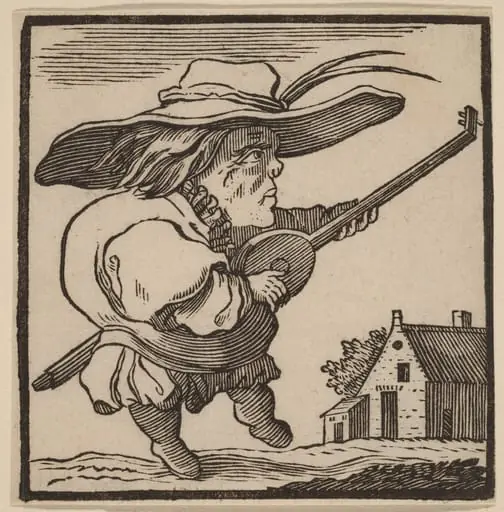
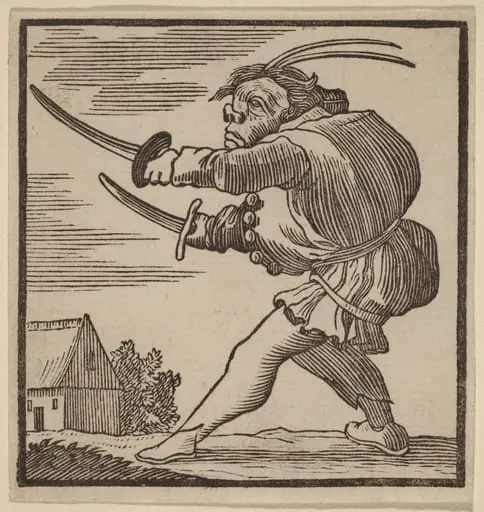
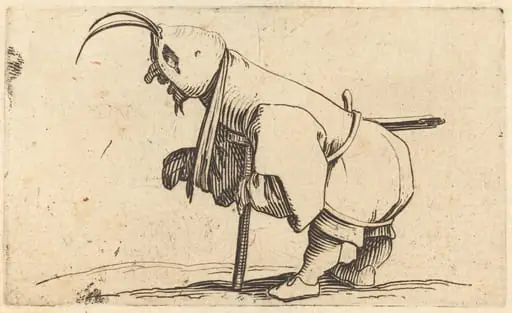
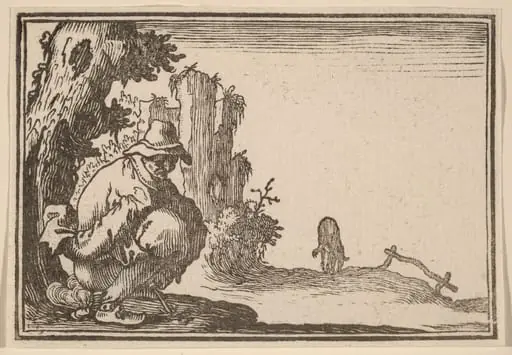
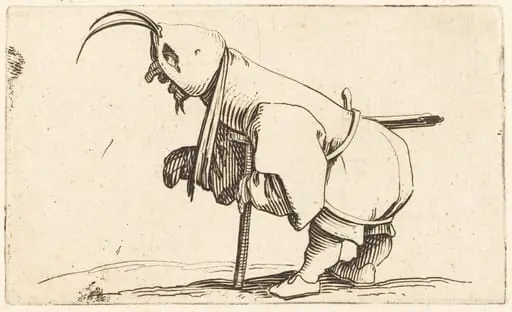
H. Numan’s woodcut, dated 1770, presents a solitary figure bent over a staff, gazing toward a distant windmill. The composition is rendered on laid paper, employing the stark contrasts typical of the medium to delineate the figure, a modest house, and the wind‑blown sky.
Subject & Meaning
The central hunched figure, hand lifted to the face, suggests a moment of introspection or yearning as it watches the windmill rise beyond a nearby dwelling. The windmill, a recurring emblem in 18th‑century visual culture, may allude to themes of labor, aspiration, or the passage of time.
Technique & Style
Executed as a woodcut, the image relies on bold, simplified lines to convey depth and atmosphere. The laid paper’s texture enhances the contrast between the dark foreground and the lighter, wavy strokes that suggest wind or clouds, emphasizing the work’s linear economy.
History & Provenance
Created in 1770, the print is attributed to H. Numan, an artist active in the late‑eighteenth century. Its survival on laid paper indicates it was likely produced for a modest market, typical of prints intended for broader distribution rather than exclusive patronage.
Context
The work emerges from a period when woodcut prints served both illustrative and didactic purposes, often depicting everyday scenes infused with moral or allegorical undertones. The solitary figure and distant windmill reflect contemporary interests in the relationship between the individual and the landscape.
Artist & collection