Artwork
Popular dance
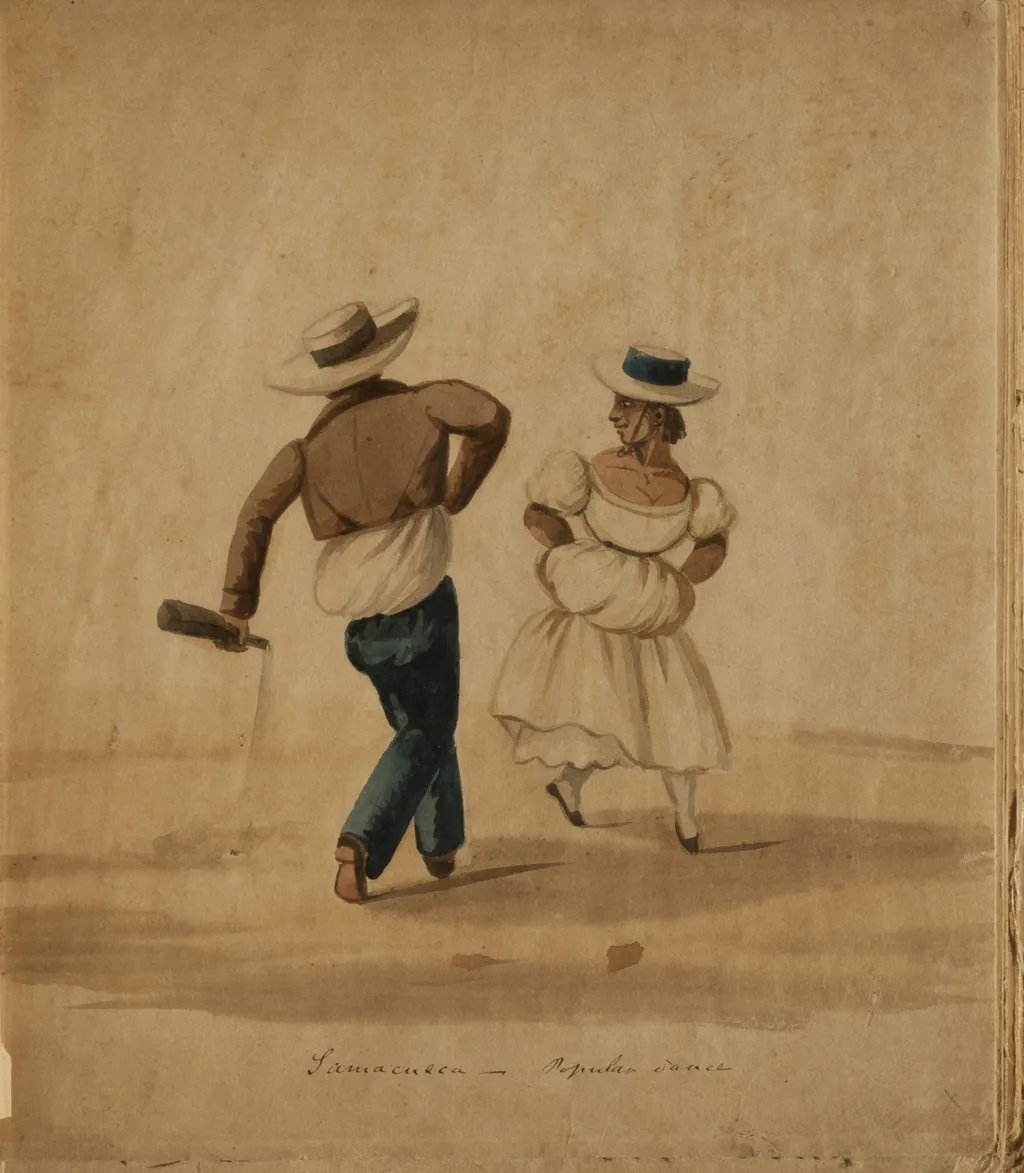
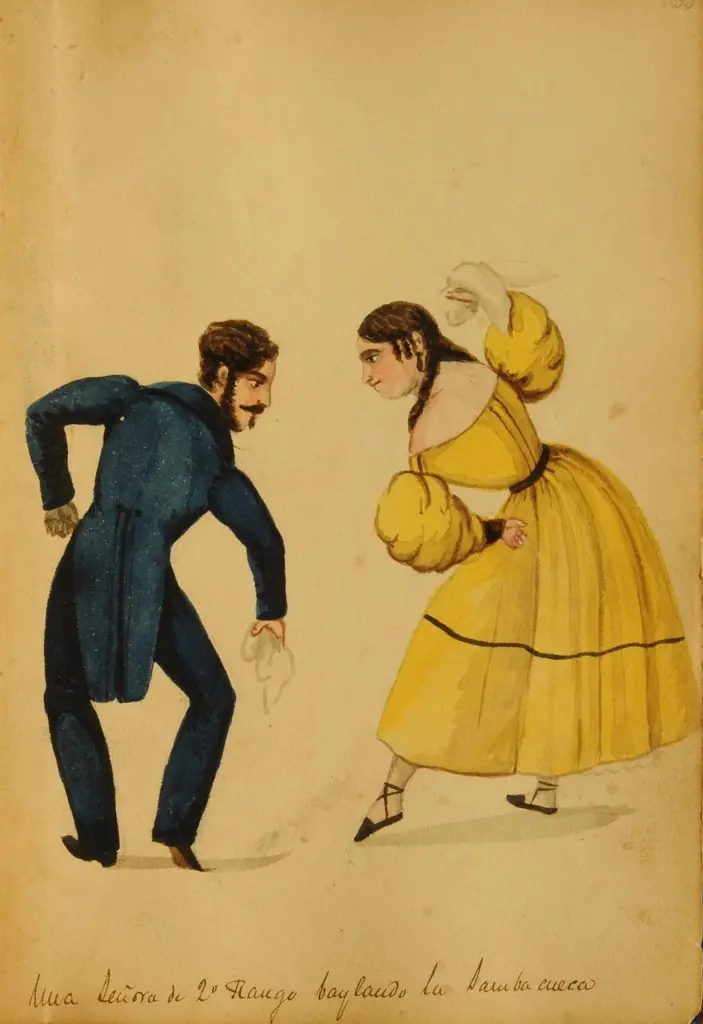
Popular dance is an unspecified painting by Pancho Fierro. It dates from 1850 and is held in the collection of the National Museum of Fine Arts, Argentina.
About this work
Overview
This piece, now in the National Museum of Fine Arts in Buenos Aires, exemplifies his keen observation of folk traditions through intimate, unidealized scenes.
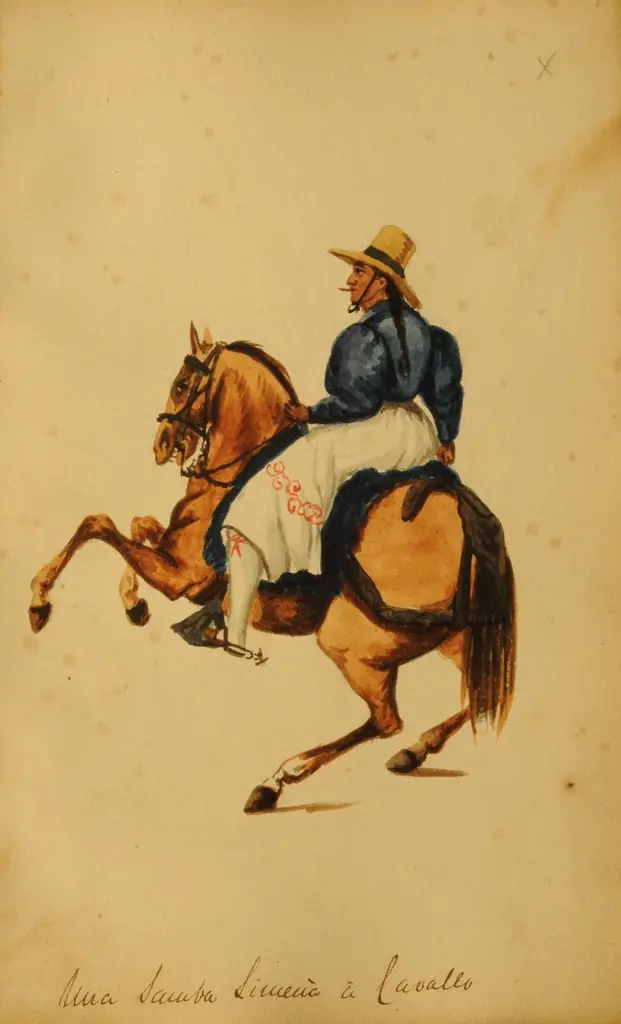
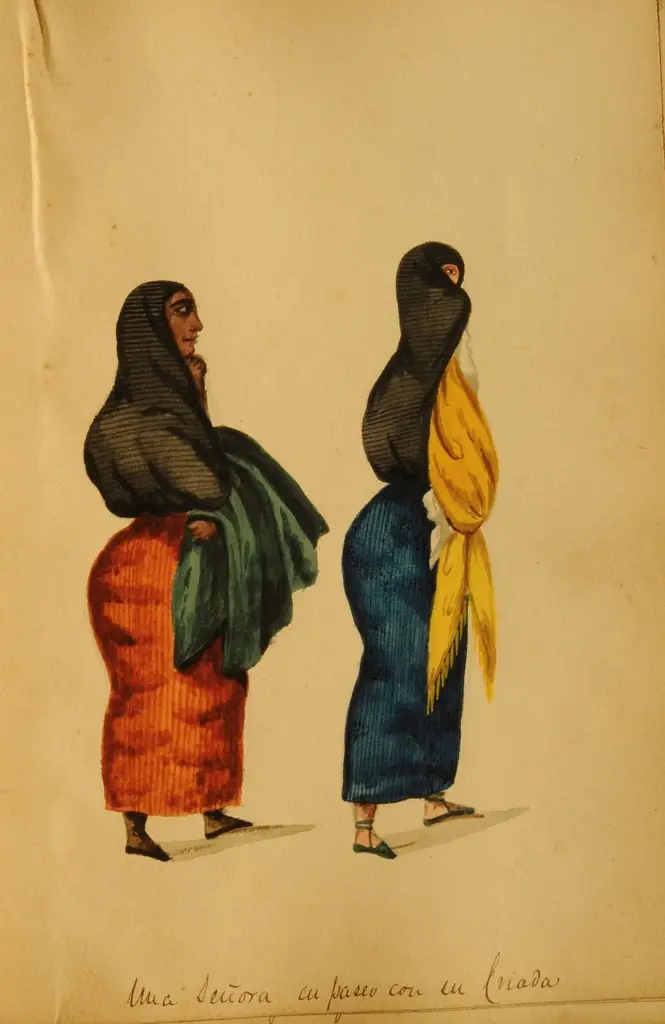
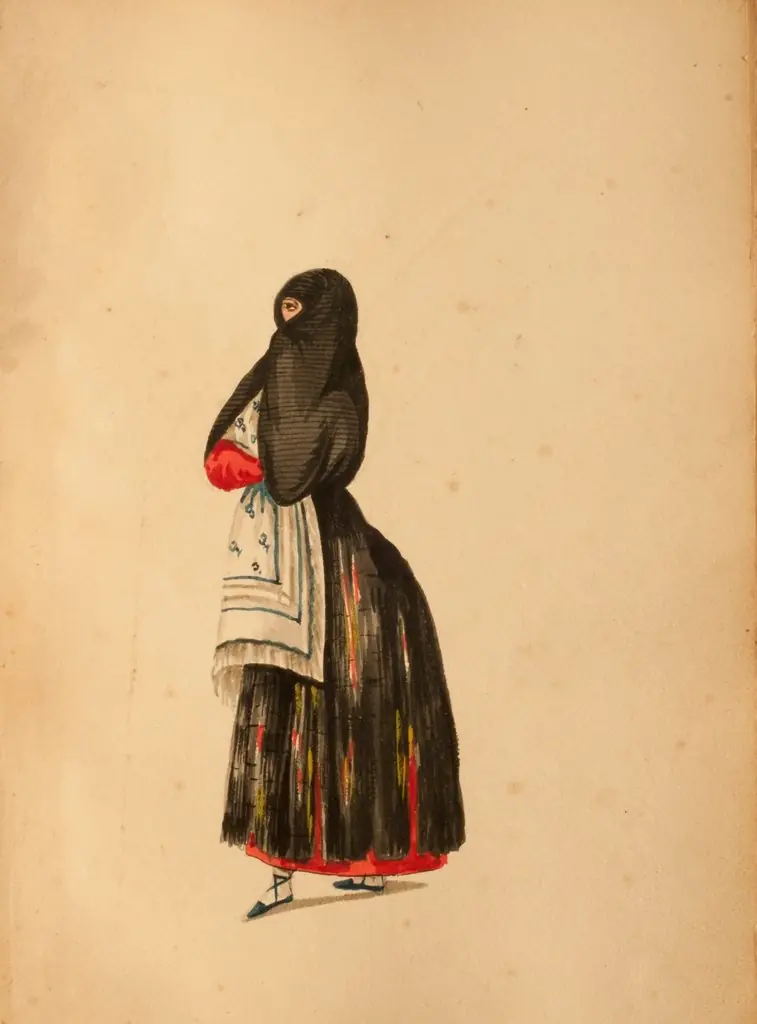
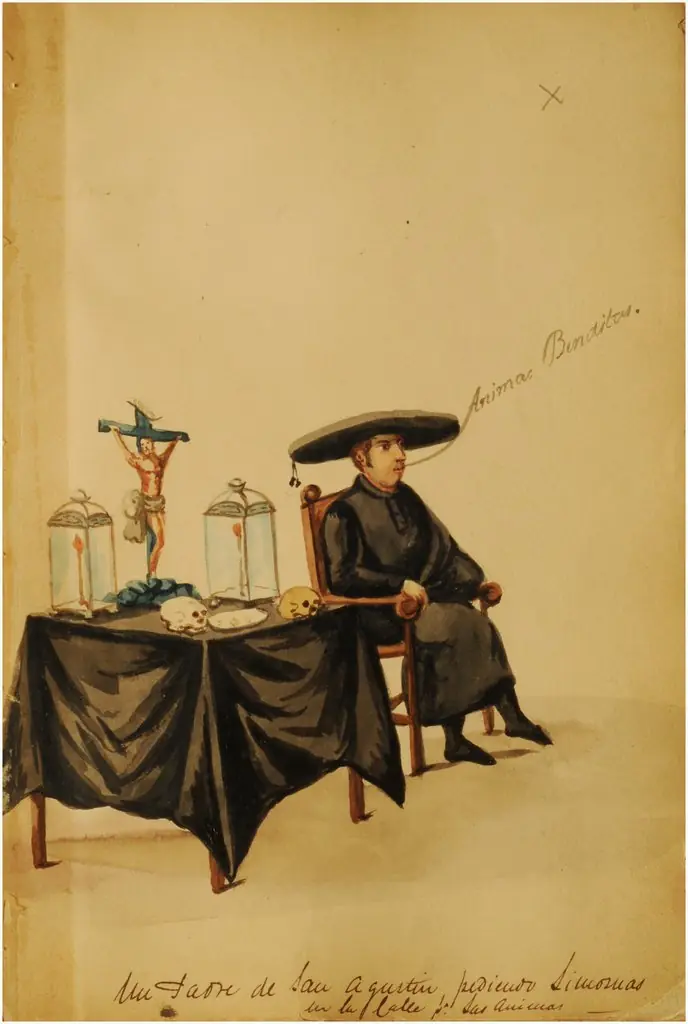
Pancho Fierro, a 19th-century Peruvian artist, produced this watercolor around 1850 as part of a series documenting social customs in Lima. His work focused on the visual rhythms of daily life, particularly among urban and mixed-race communities. This piece, now in the National Museum of Fine Arts in Buenos Aires, exemplifies his keen observation of folk traditions through intimate, unidealized scenes.
Subject & Meaning
The painting depicts a couple engaged in a traditional Peruvian dance, their bodies poised in a dynamic, reciprocal stance. Their crossed arms and bent legs suggest a rhythmic exchange, common in local social dances of the period. The attire—simple, practical, and regionally identifiable—signals their status as working-class participants rather than theatrical performers, grounding the scene in authentic cultural practice.
Technique & Style
Fierro employed transparent watercolor washes to render form with lightness and immediacy. The figures are outlined with precise ink lines, while the background remains a muted, uniform brown, directing focus to the dancers' gestures and clothing. His brushwork is economical yet expressive, capturing motion through posture rather than detailed environment, reflecting the costumbrista emphasis on social types over narrative.
History & Provenance
Created during Fierro’s most active period in Lima, the work circulated among local collectors before entering the collection of the National Museum of Fine Arts in Buenos Aires. Its presence in Argentina reflects broader 19th-century cultural exchanges across the Río de la Plata region. The painting’s survival is notable, as many of Fierro’s works were lost or dispersed after his death in 1879.
Context
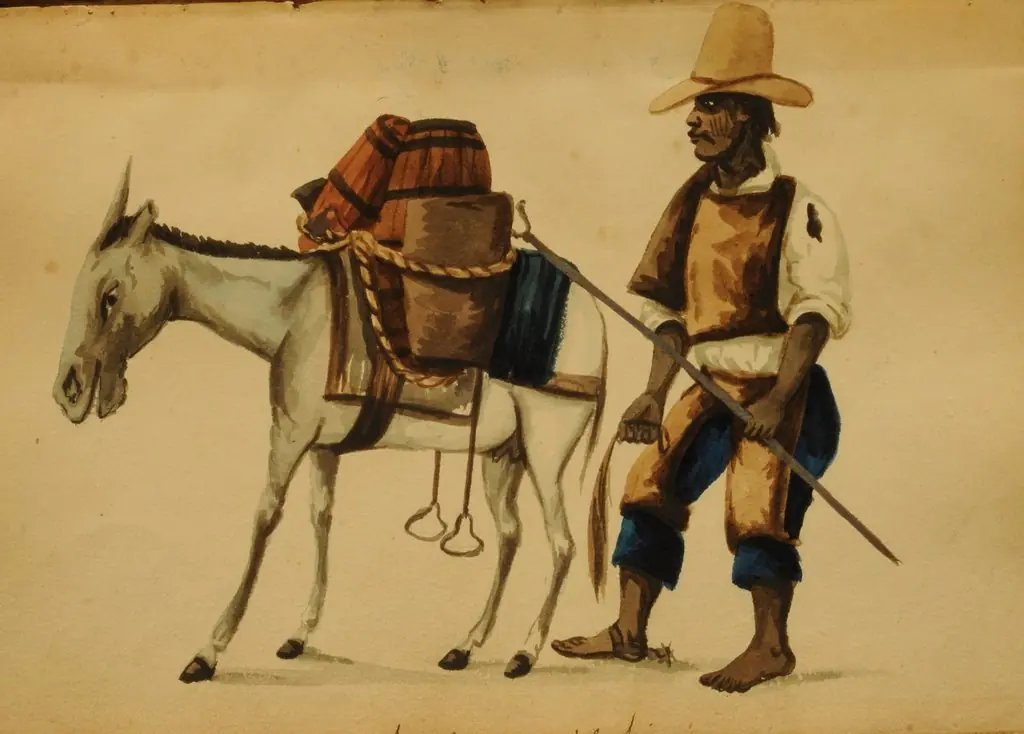
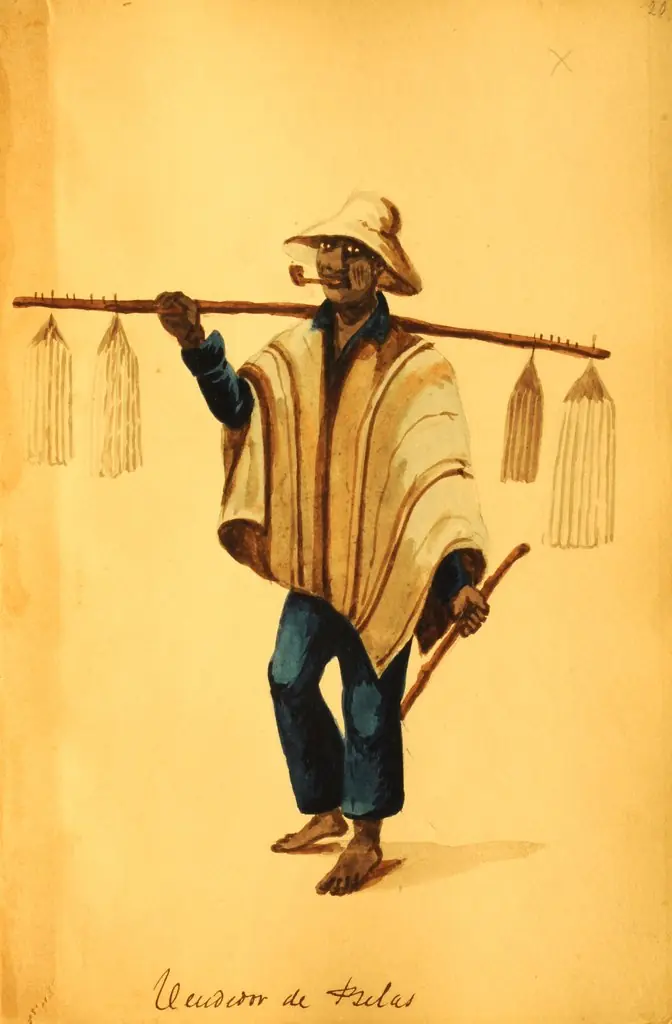
In mid-19th century Peru, urban populations were increasingly defining national identity through vernacular culture. Fierro’s depictions of dances, markets, and street life emerged alongside rising interest in indigenous and Afro-Peruvian traditions. His images served as visual records during a time of social transformation, offering a counterpoint to elite artistic narratives that favored European models.
Legacy
Fierro’s watercolors, including this dance scene, became foundational references for later generations studying Peruvian social history. Though not widely exhibited internationally during his lifetime, his work gained scholarly recognition in the 20th century as a vital archive of everyday life. Today, his images are valued for their unembellished portrayal of cultural practices often omitted from official histories.
Artist & collection
Artist
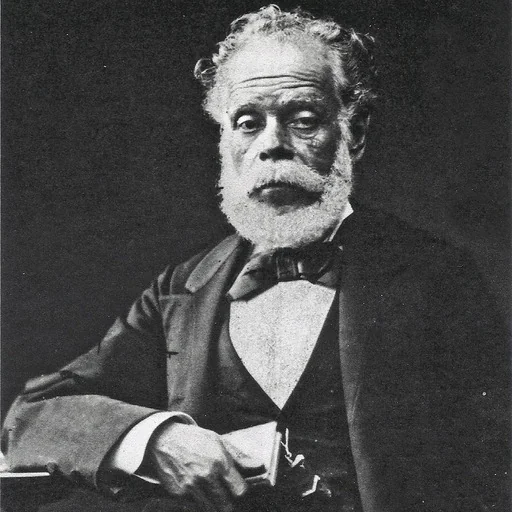
Francisco Fierro Palas, called "Pancho" Fierro (c. 1807/1809 – 28 July 1879), was a Peruvian painter, known primarily for his costumbrista watercolors, which depict his country's life and customs.

Museum
National Museum of Fine Arts, Argentina
Continue through works from the same source collection.