Artwork
Saints Augustine and Peter
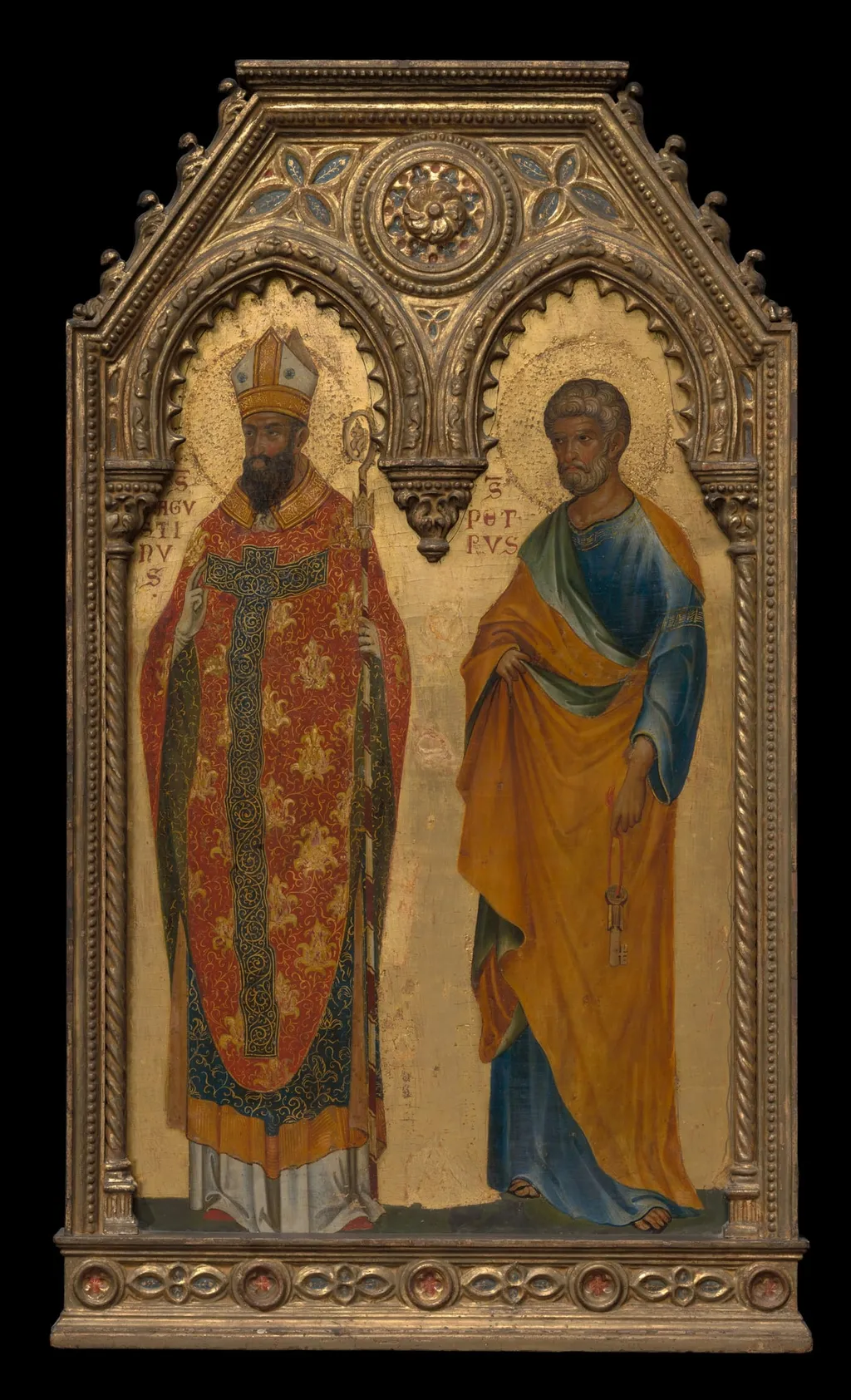
Saints Augustine and Peter is a tempera painting by the Byzantine icon painting artist Paolo Veneziano. It dates from 1350 and is held in the collection of the Art Institute of Chicago.
About this work
Look for the intricate patterns on the saints’ sleeves and the sharp folds in their clothes.
This piece shows four saints in gold robes with halos. Augustine and Peter hold books. John the Baptist points up. Catherine holds a spiked wheel. Their clothes shimmer with reds, blues, and golds. Tiny Latin letters label each saint.
Paolo Veneziano painted this around 1350. It once flanked a Virgin and Child painting, now lost. The frame copies Venetian Gothic style. Look for the intricate patterns on the saints’ sleeves and the sharp folds in their clothes.
Check out the tempera for yourself.
Overview
The tempera panel depicts four saints—Augustine, Peter, John the Baptist, and Catherine of Alexandria—each distinguished by specific attributes and Latin labels. Rendered in luminous gold, red, blue, and gold robes, the figures are framed by a 20th‑century mount that imitates the architectural motifs of 14th‑century Venetian altarpieces.
Subject & Meaning
Augustine and Peter are shown holding books, signifying their roles as teachers of the Church; John the Baptist gestures upward, a conventional sign of his prophetic voice; Catherine bears the spiked wheel, the emblem of her martyrdom. Together the saints functioned as intercessors flanking a now‑lost central image of the Virgin and Child.
Technique & Style
Executed in tempera, the work combines sinuous Gothic line work with richly patterned textiles and sharply rendered facial types. The treatment of drapery—tight folds and shimmering colors—reflects the influence of contemporary Byzantine painting, while the overall composition adheres to the decorative sensibility of Venetian Gothic art.
History & Provenance
Created around 1350 by Paolo Veneziano, the leading Venetian painter of his generation, the panel originally formed part of a larger polyptych. The central Virgin and Child panel has not survived. The present frame, added in the early 1900s, was designed to echo the original Gothic setting of the piece.
Context
Venice’s position at the crossroads of Western Europe, the Byzantine world, and distant trade routes informed the hybrid visual language of the painting. The blend of Gothic elegance and Byzantine severity illustrates the city’s role as a cultural conduit linking diverse artistic traditions during the mid‑fourteenth century.
Artist & collection

Artist
Paolo Veneziano, also Veneziano Paolo or Paolo da Venezia was a 14th-century painter from Venice, the "founder of the Venetian School" of painting, probably active between about 1321 and 1362.

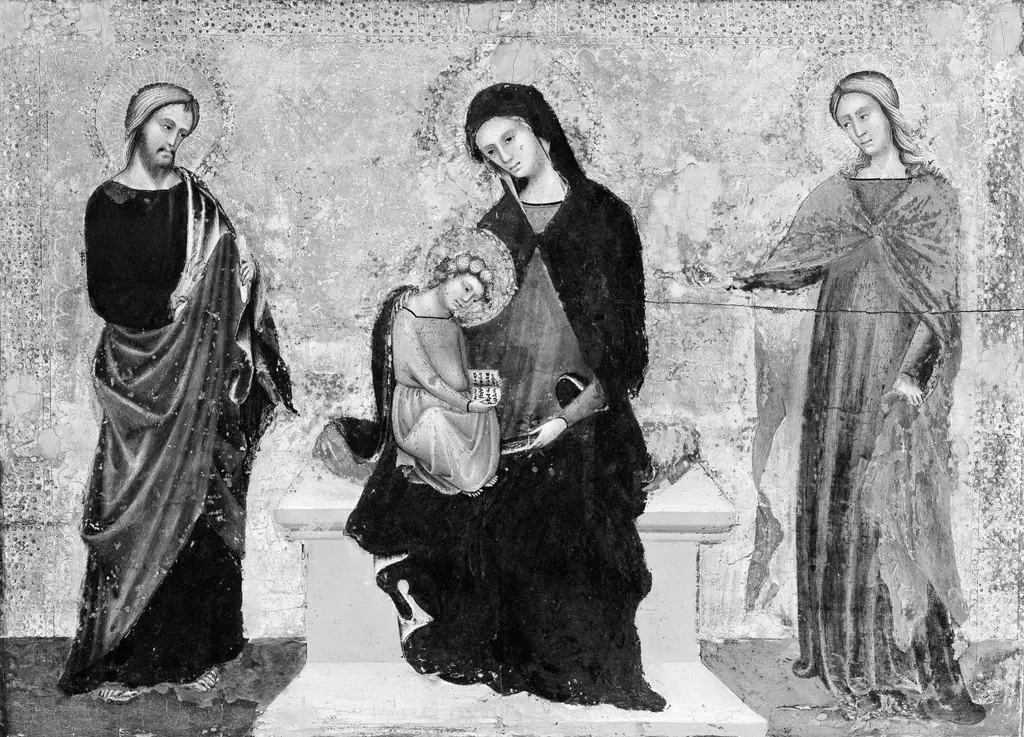
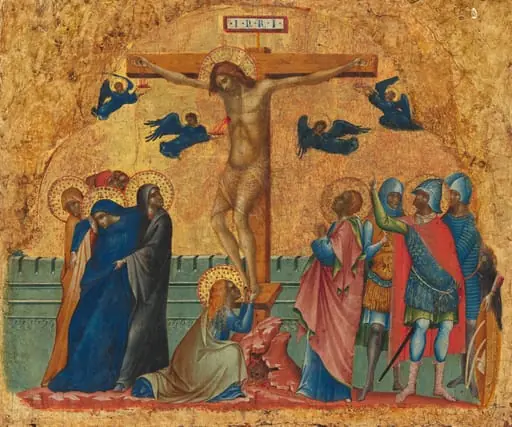
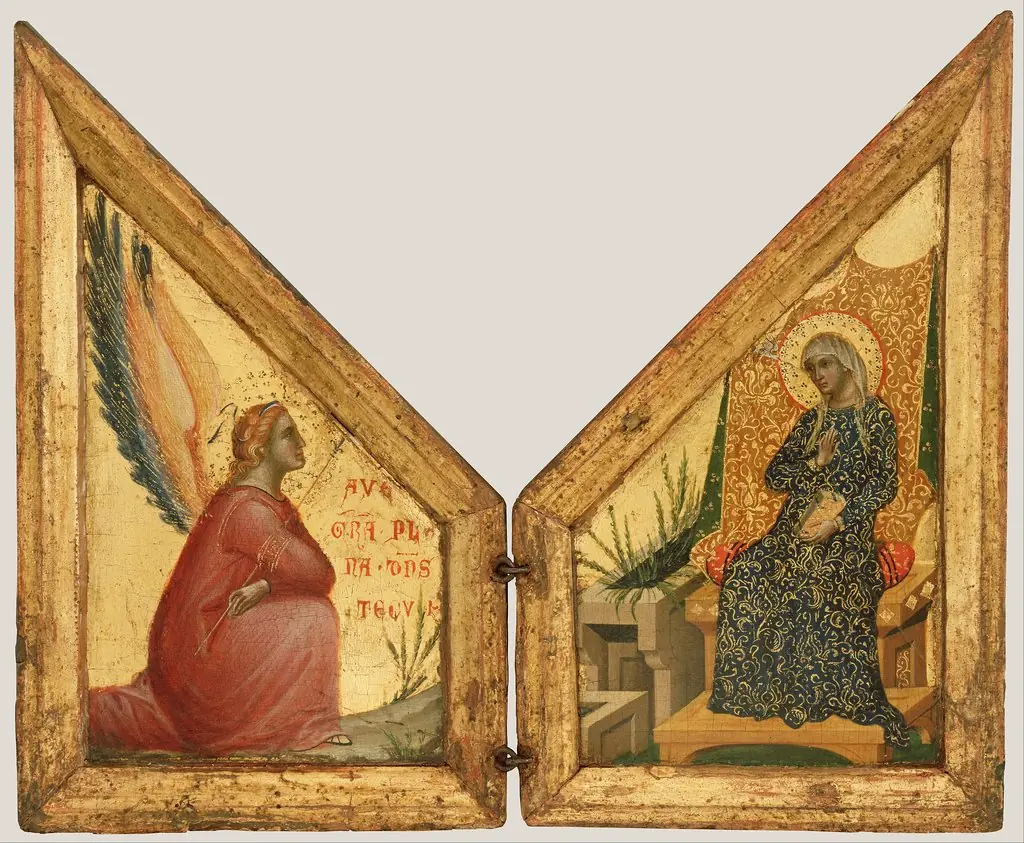
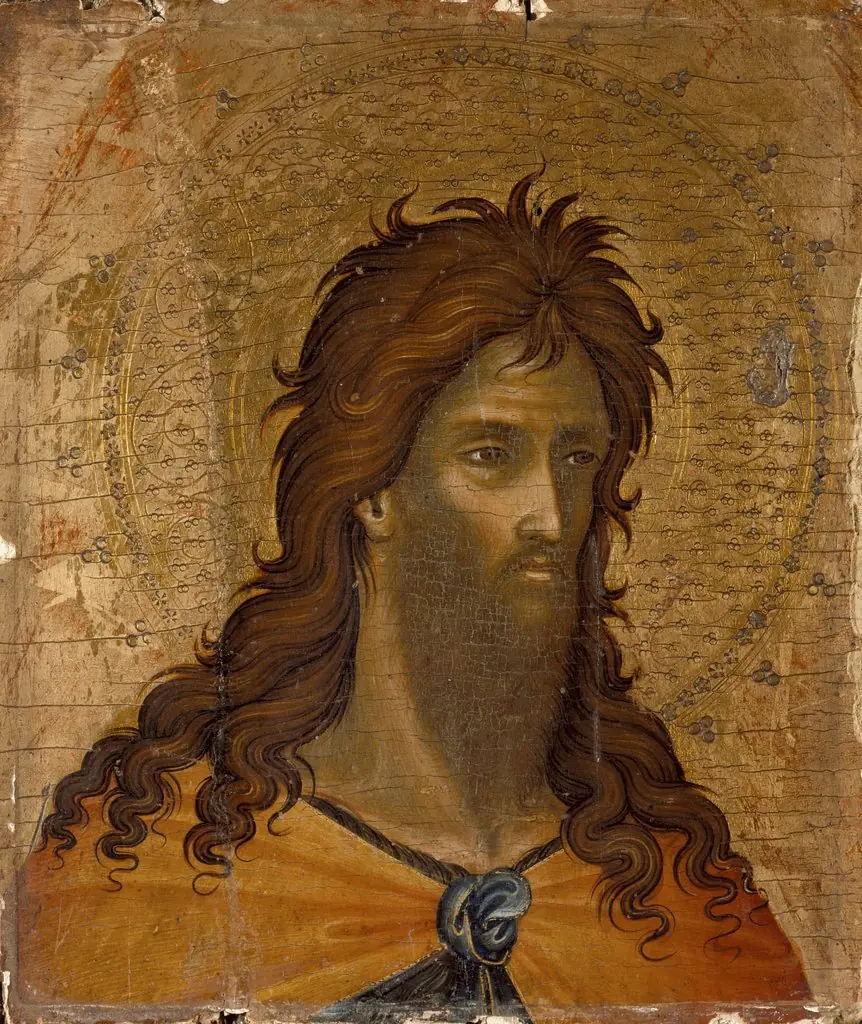
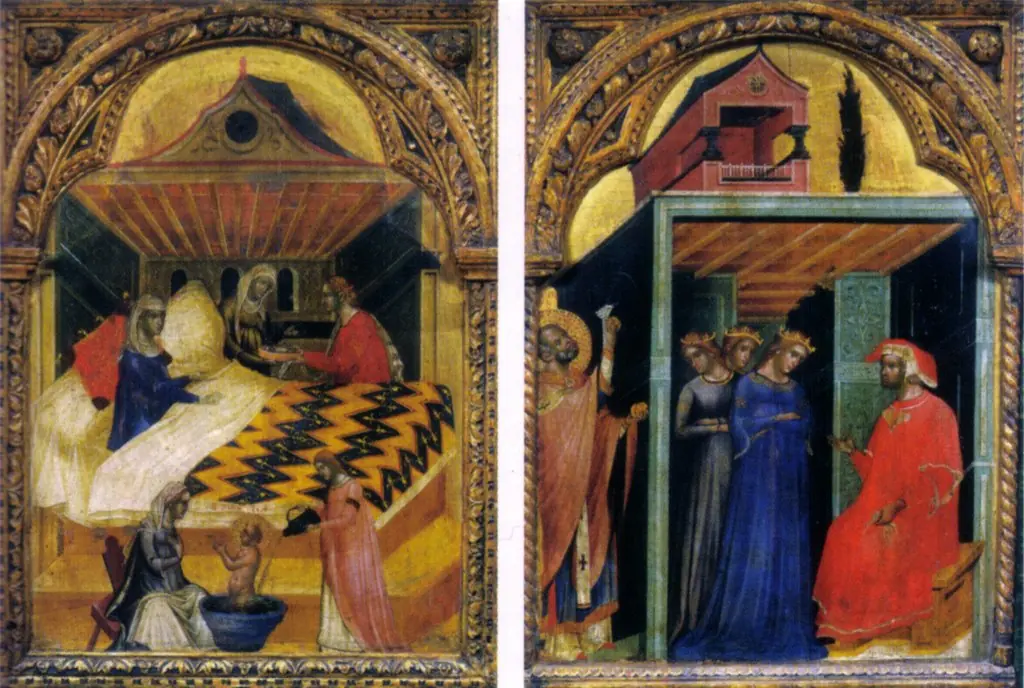
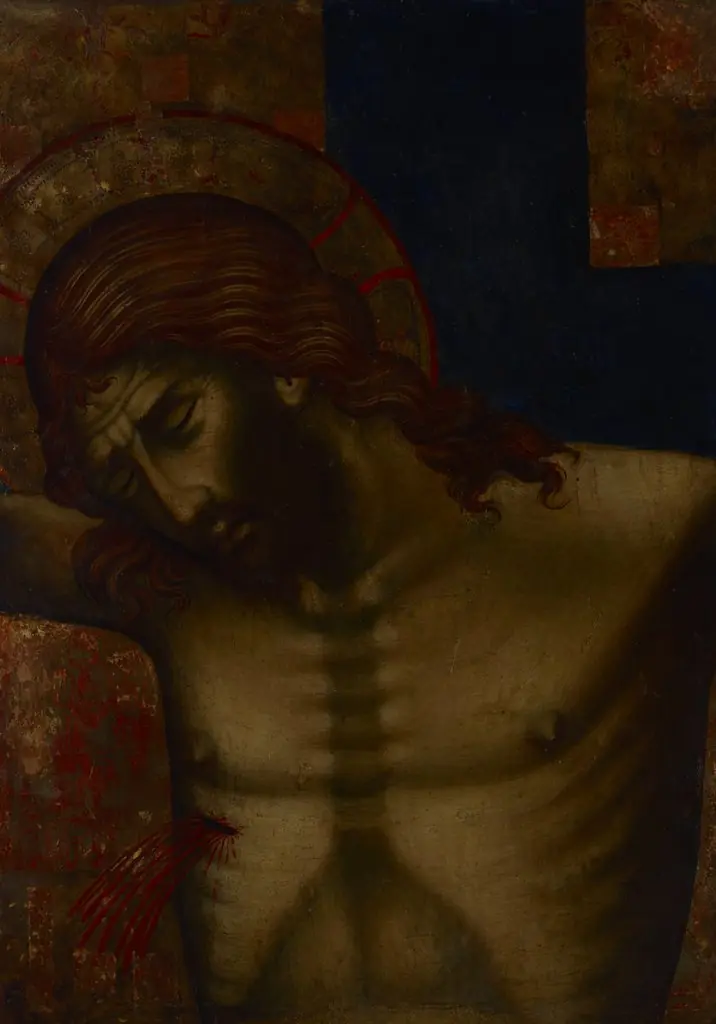
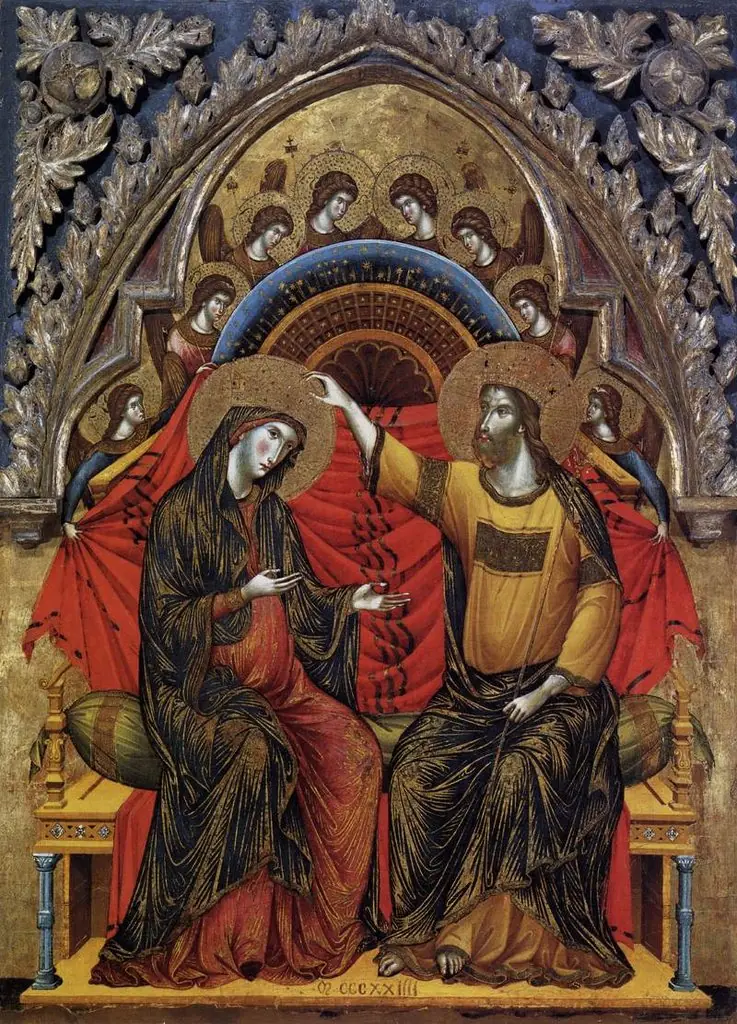
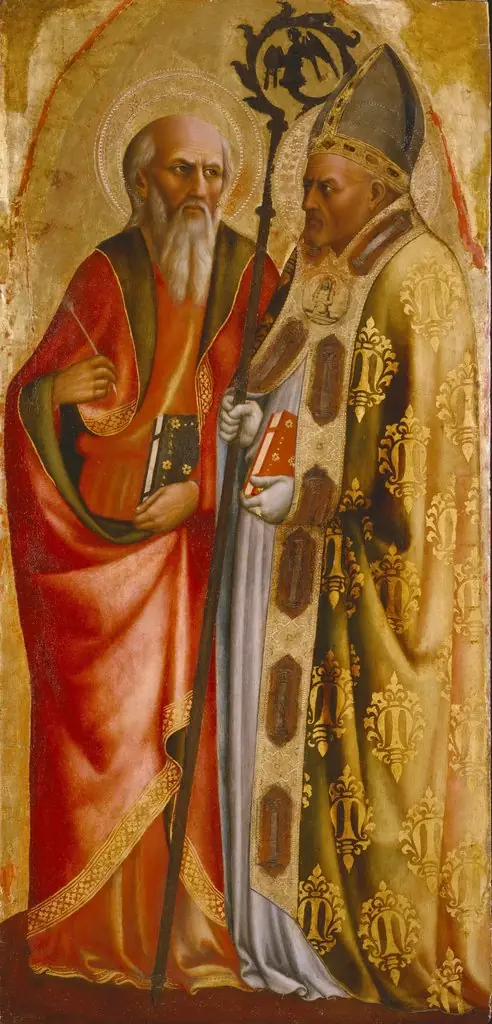 Saints John the Evangelist(?) and Martin of Tours
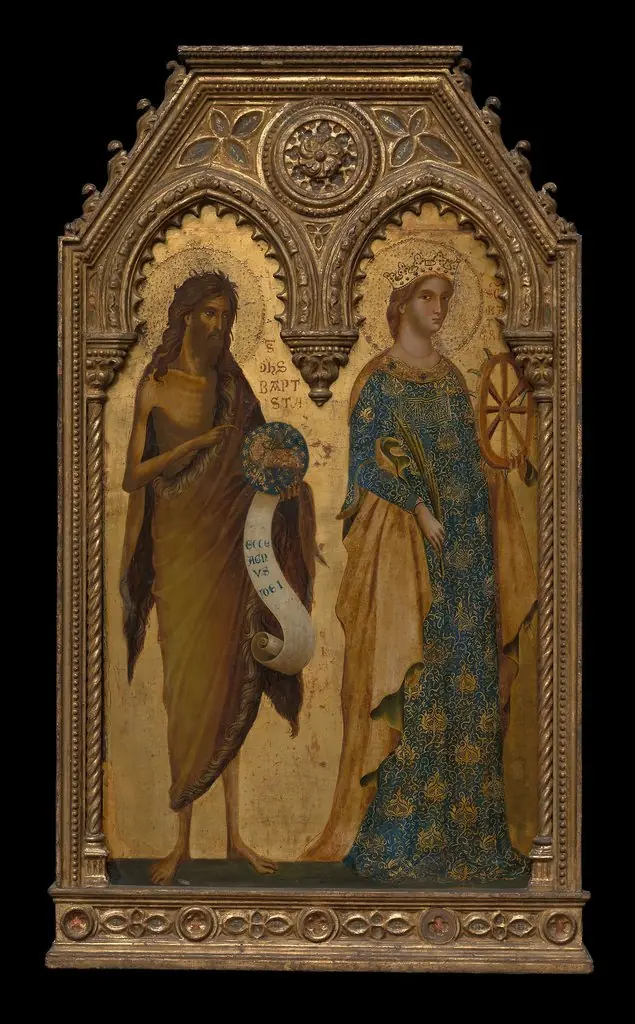 Saints John the Baptist and Catherine of Alexandria
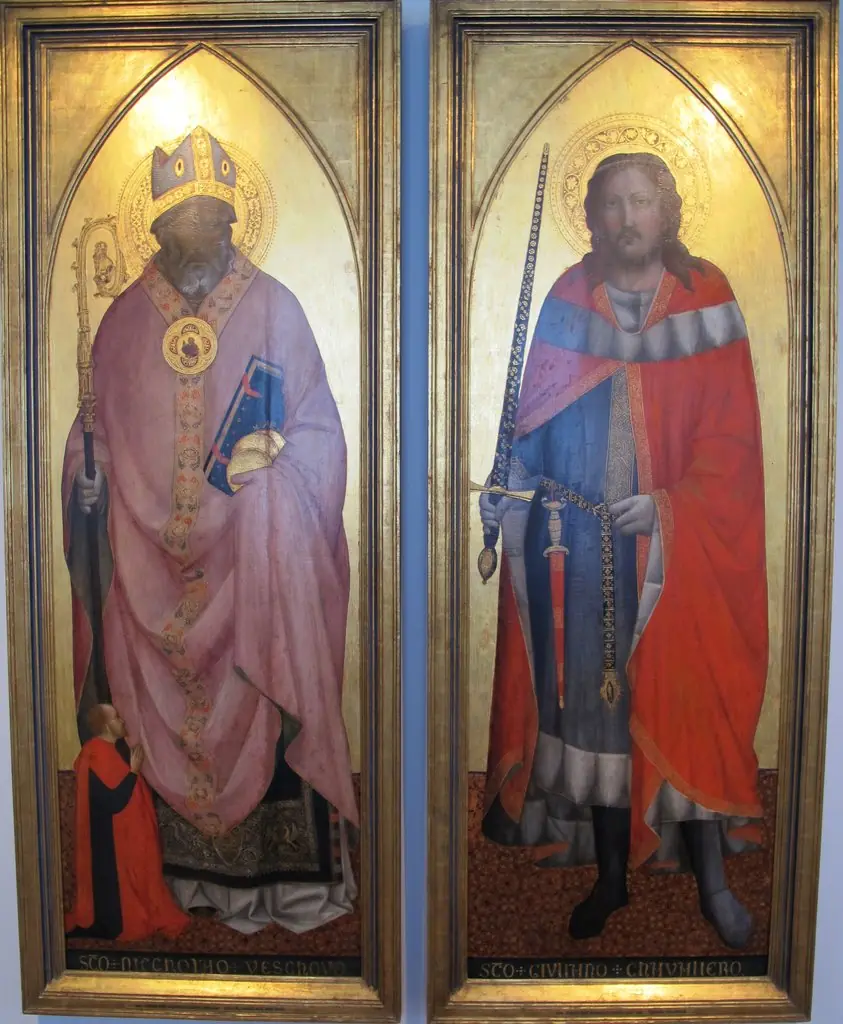 St. Julian
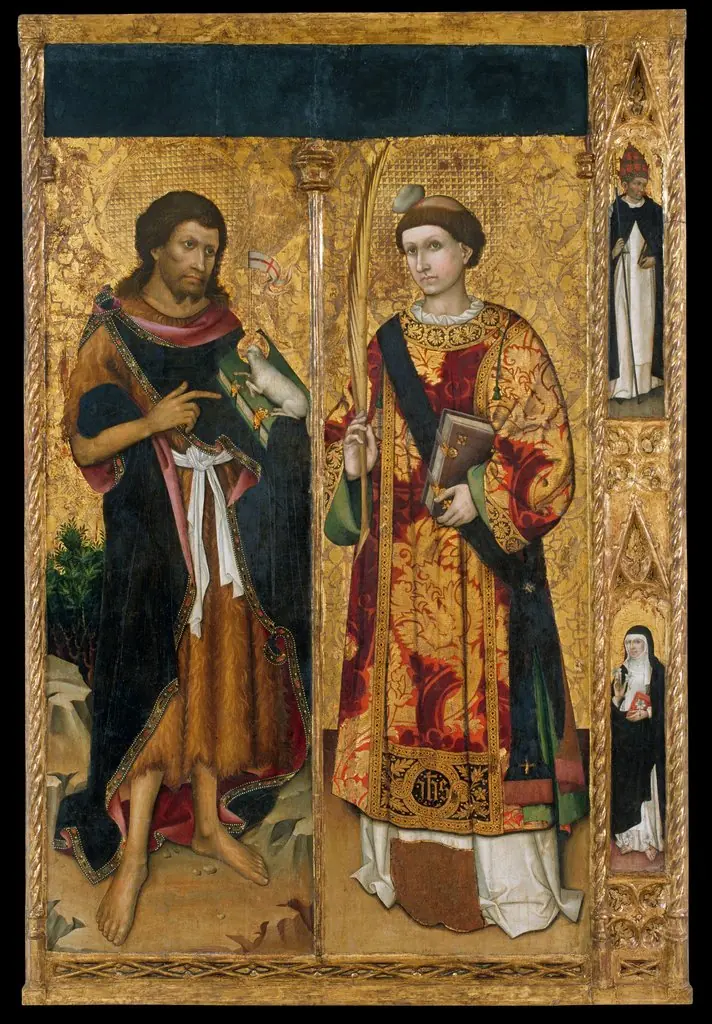 Saint John the Baptist and Saint Stephen
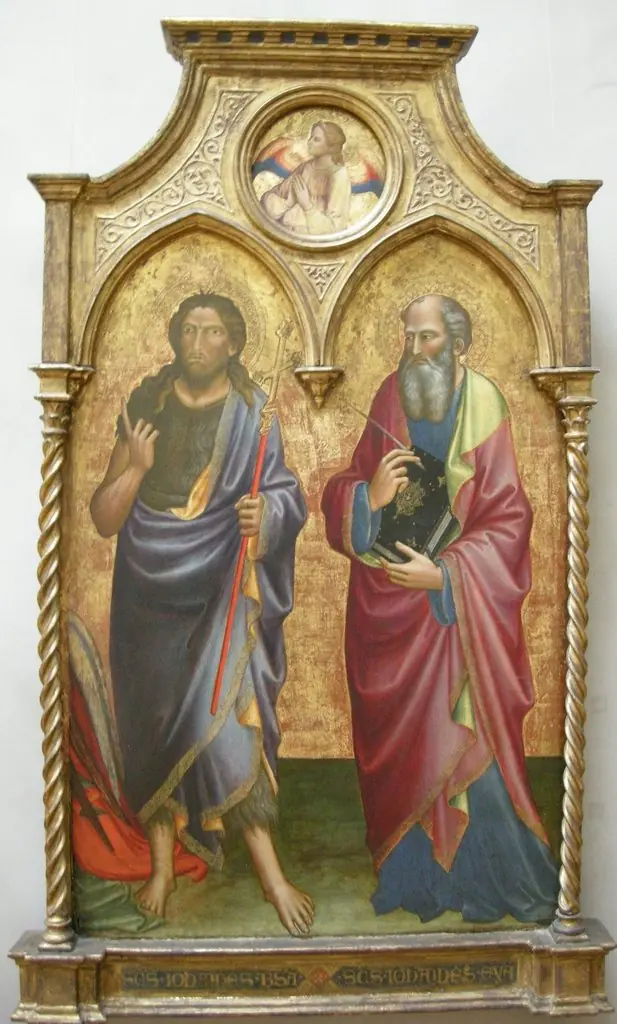 Saints John the Baptist and John the Evangelist
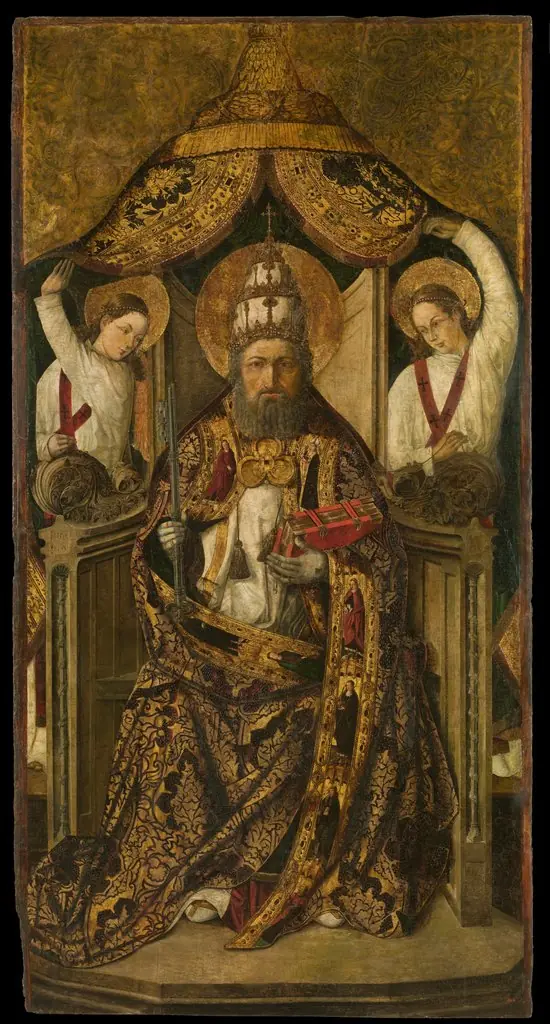 Saint Peter Enthroned
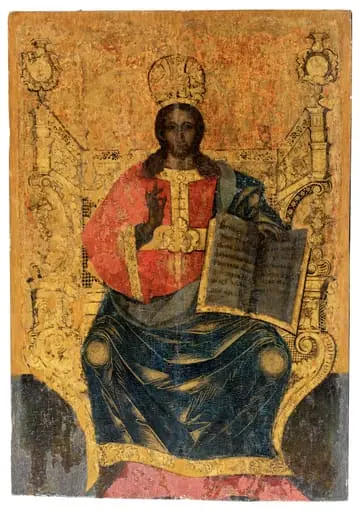 Pantocrator
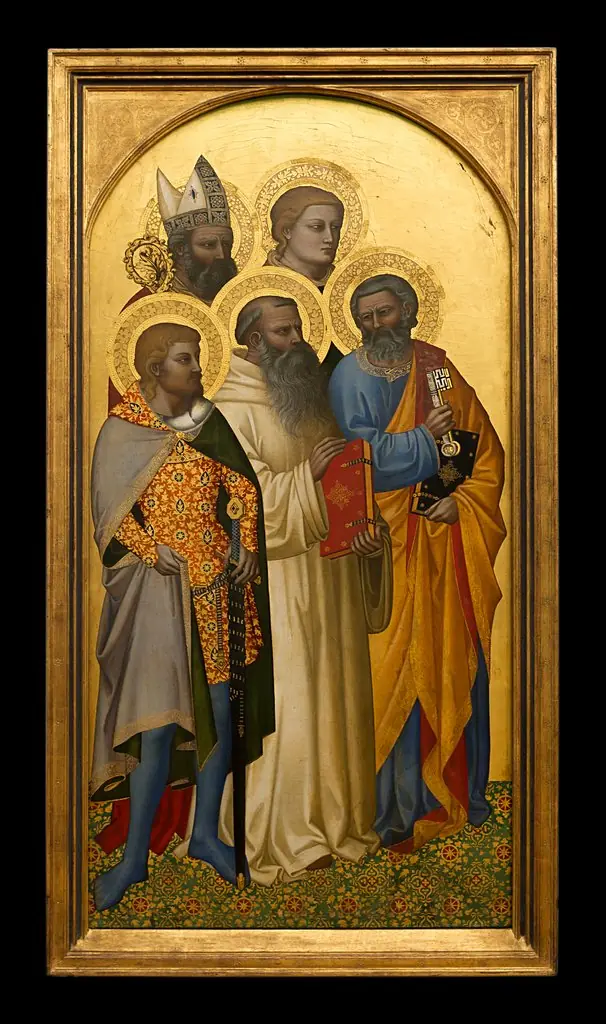 the Saints Peter, Benedict, Julian (?), Stephan (?), and a holy bishop (Nicholas of Bari?)
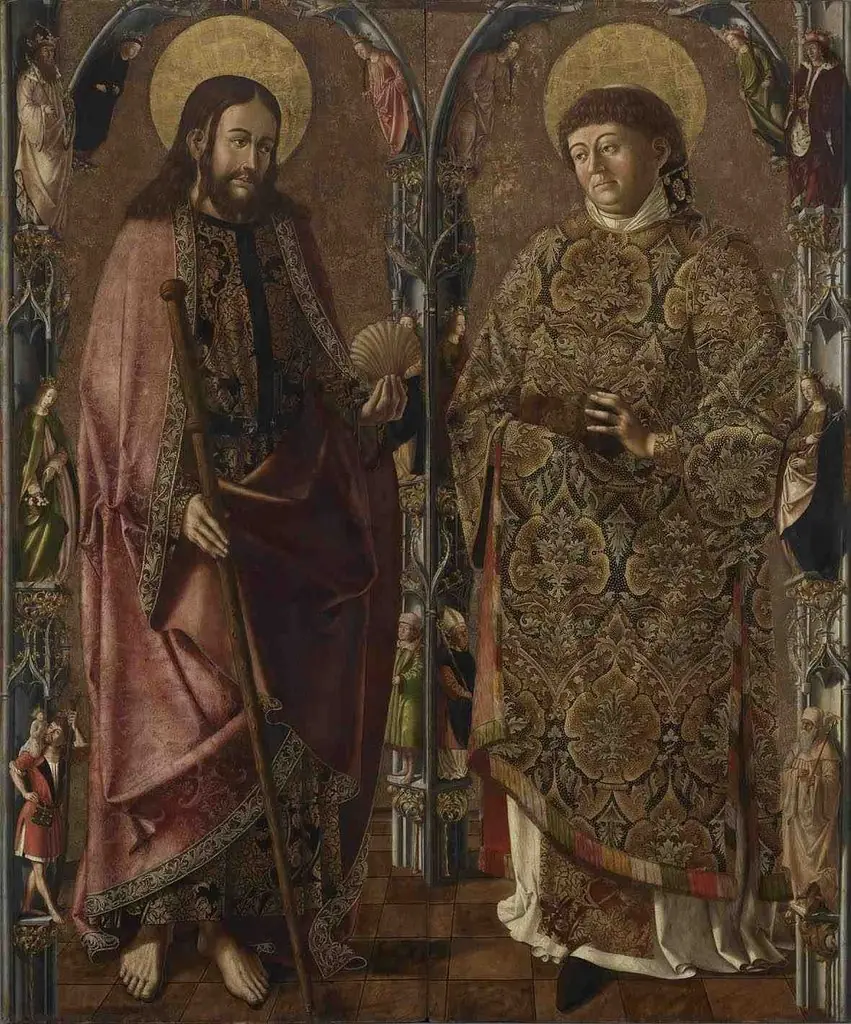 Jakobus-Stephanus-Altar: Die hll. Jakobus und Stephanus