Artwork
Ambrose Dudley, Earl of Warwick
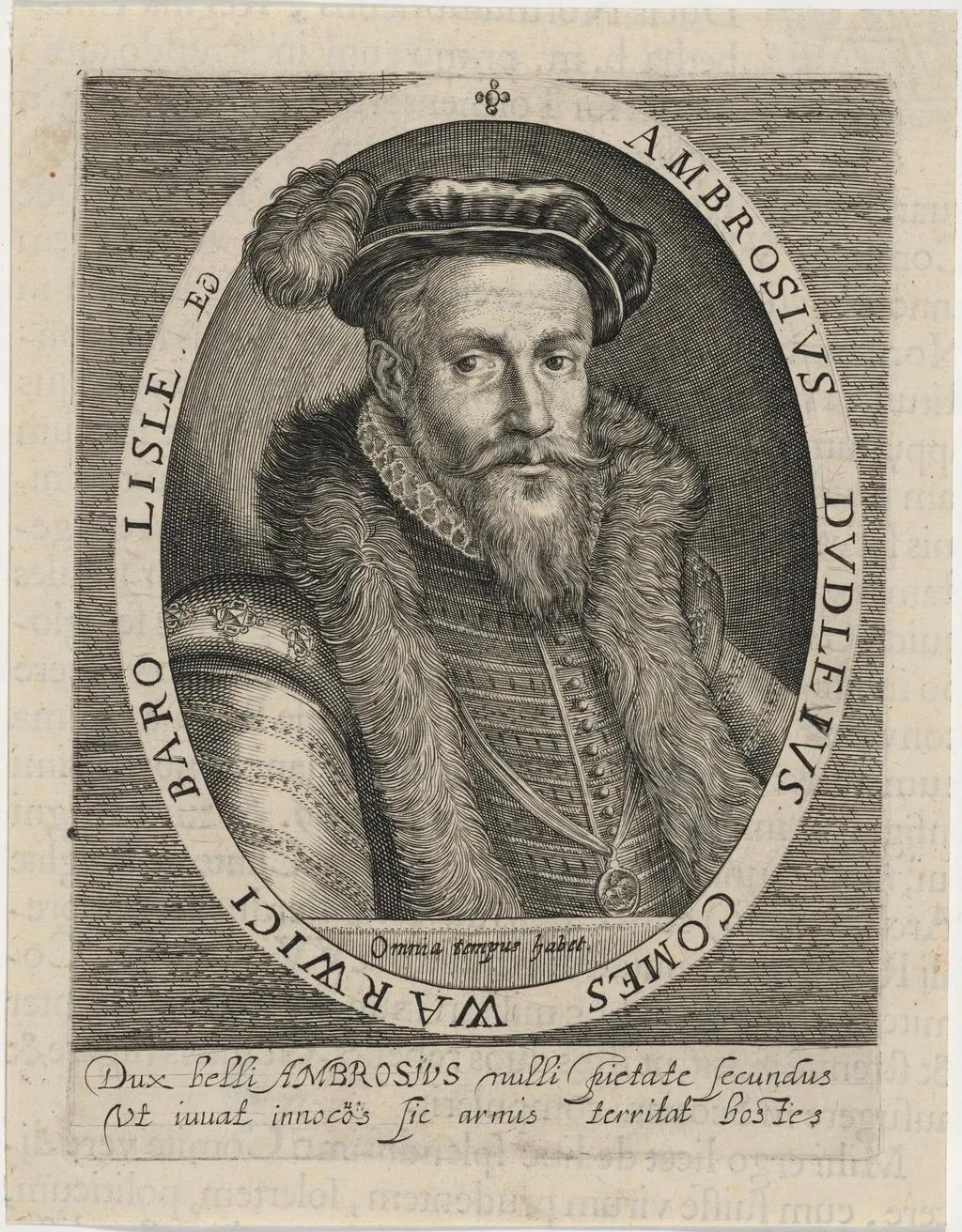
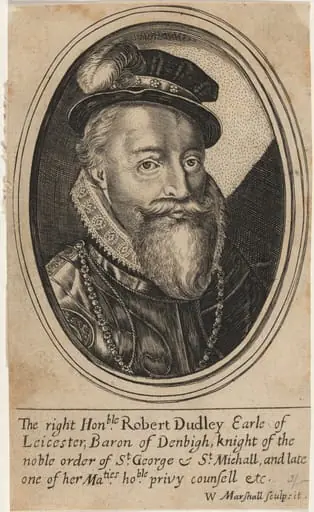
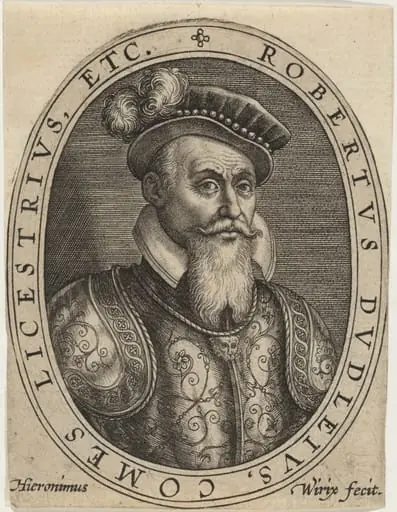
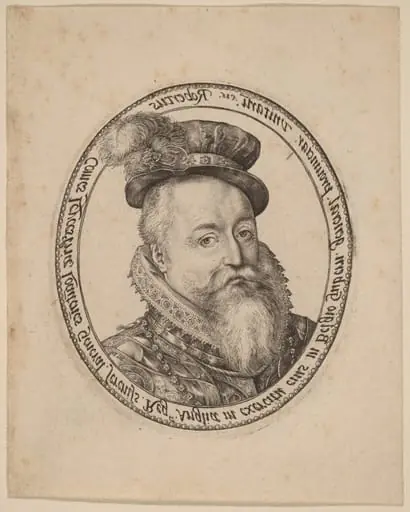
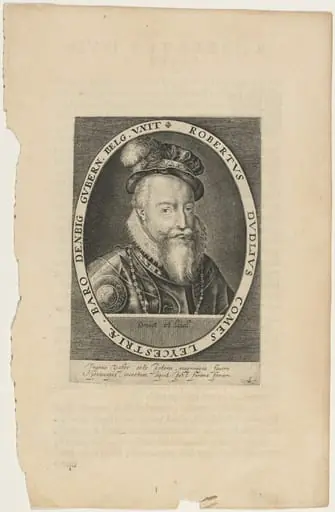
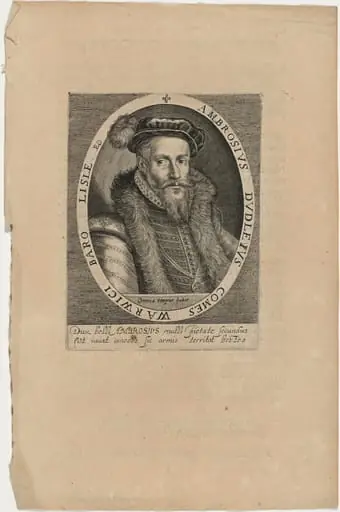
Ambrose Dudley, Earl of Warwick is an ink print by the Baroque artist Magdalena van de Passe. It dates from 1620 and is held in the collection of the National Gallery of Art.
About this work
Overview
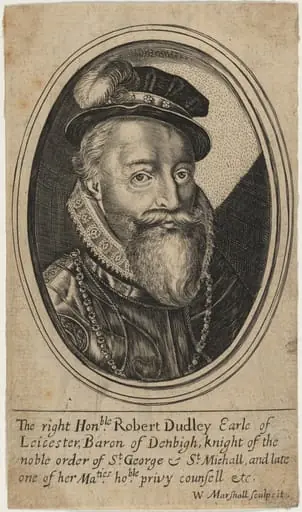
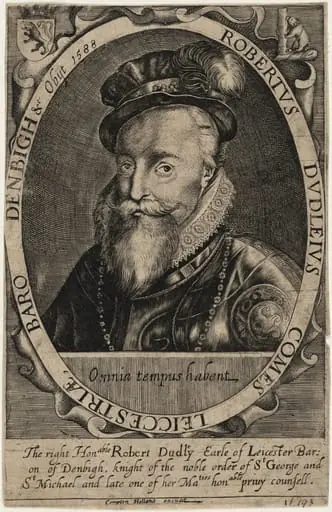
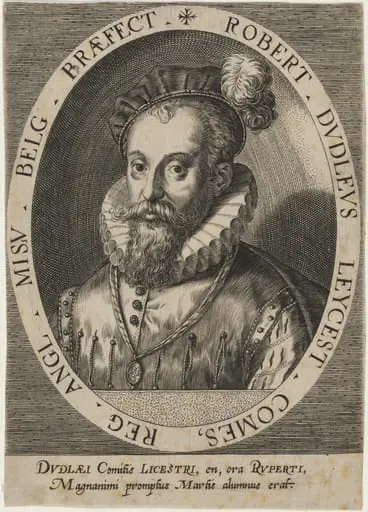
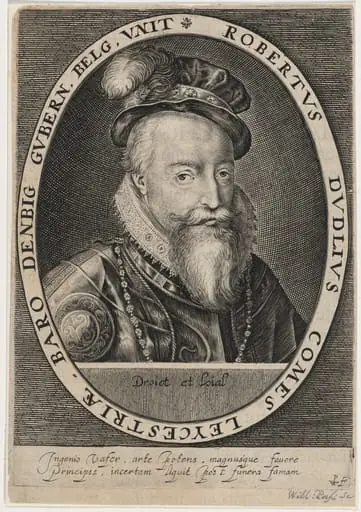
This black-and-white print, made in 1620, depicts Ambrose Dudley, Earl of Warwick, through the medium of engraving. Created by Magdalena van de Passe, it is a portrait rendered in fine linear detail, characteristic of early 17th-century printmaking. The image is enclosed within a decorative border inscribed with Latin text, and the subject’s name appears prominently above the portrait.
Subject & Meaning
His long white beard and curled hair suggest age and experience, while the ornate chain around his neck signifies his membership in a chivalric order.
Ambrose Dudley, a prominent nobleman and military figure in Elizabethan England, is portrayed with the dignity befitting his status. His long white beard and curled hair suggest age and experience, while the ornate chain around his neck signifies his membership in a chivalric order. The Latin border reinforces his identity and legacy, aligning the image with scholarly and aristocratic traditions of commemoration.
Technique & Style
The portrait was executed using the engraving technique, in which lines are incised into a metal plate and inked to produce prints. Van de Passe employed delicate, precise strokes to render texture in the beard and hair, using cross-hatching and fine parallel lines to suggest volume and shadow. The method emphasizes clarity and control, typical of Northern European printmakers of the period.
History & Provenance
Created in 1620, the engraving likely served as a posthumous tribute, as Ambrose Dudley died in 1590. Magdalena van de Passe, part of a renowned family of engravers, produced numerous portraits for aristocratic circulation. The work may have been distributed among noble households or used in genealogical collections, preserving the image of Dudley for later generations.
Context
In early 17th-century Europe, engraved portraits were common tools for disseminating the likenesses of nobility and public figures. Van de Passe’s work reflects the intersection of art, lineage, and political memory. The inclusion of Latin inscriptions and formal attire aligns the image with humanist ideals, where visual representation served both commemorative and cultural functions.
Legacy
The engraving remains a documented example of female printmakers’ contributions to early modern portraiture. Magdalena van de Passe’s skill in capturing likeness and texture helped standardize the visual representation of English aristocrats in print. This work contributes to the broader archive of Tudor and Stuart-era portraiture, offering insight into how status was visually encoded.
Artist & collection

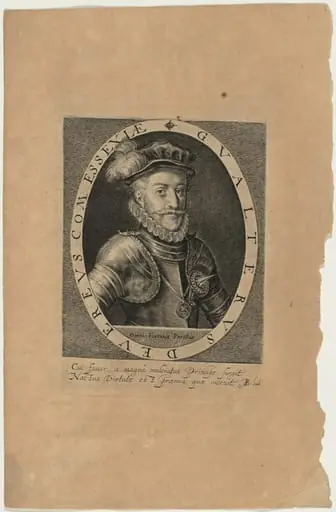 Walter Devereux, First Earl of Essex
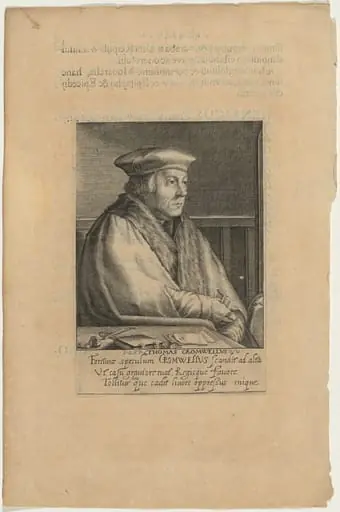 Thomas Cromwell, Earl of Essex
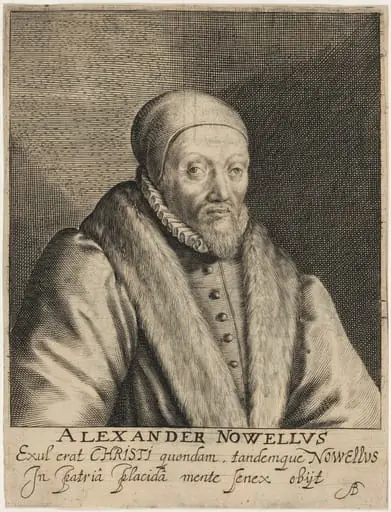 Alexander Nowell, Dean of Saint Paul's
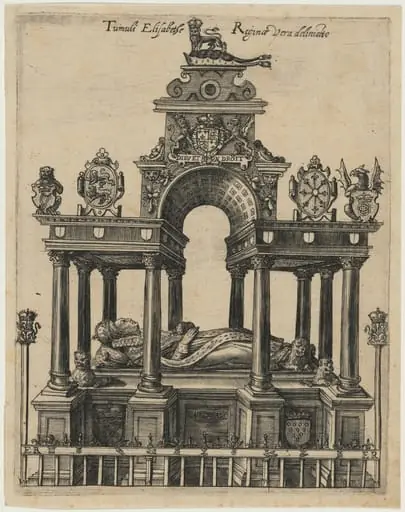 Elizabeth's Tomb
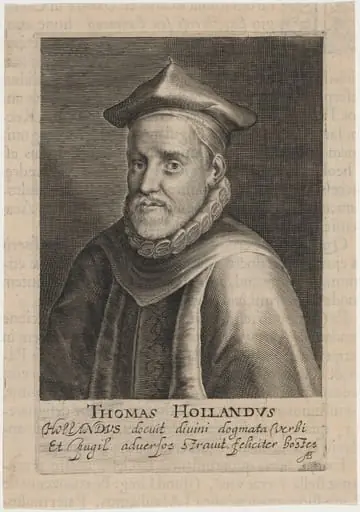 Thomas Holland, Regius Professor of Divinity at Oxford, and Rector of Exeter College
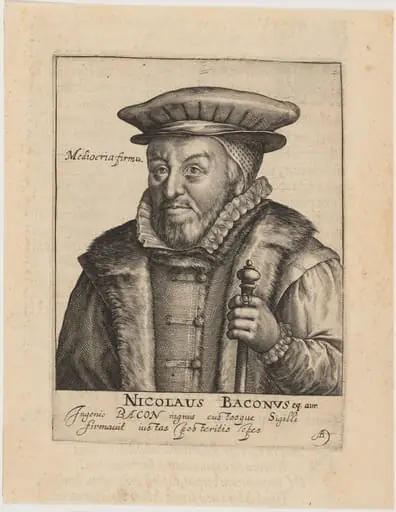 Sir Nicholas Bacon, Lord Keeper
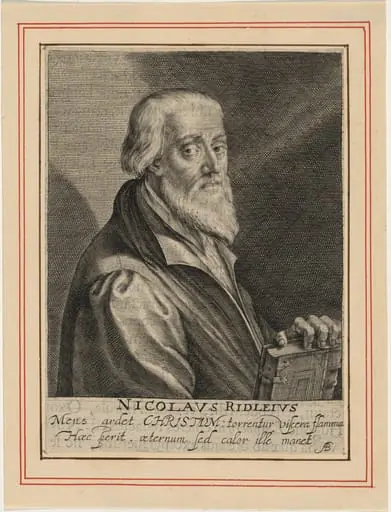 Nicholas Ridley, Bishop of London, Protestant Martyr
 Ambrose Dudley, Earl of Warwick