Artwork
Sir Nicholas Bacon, Lord Keeper
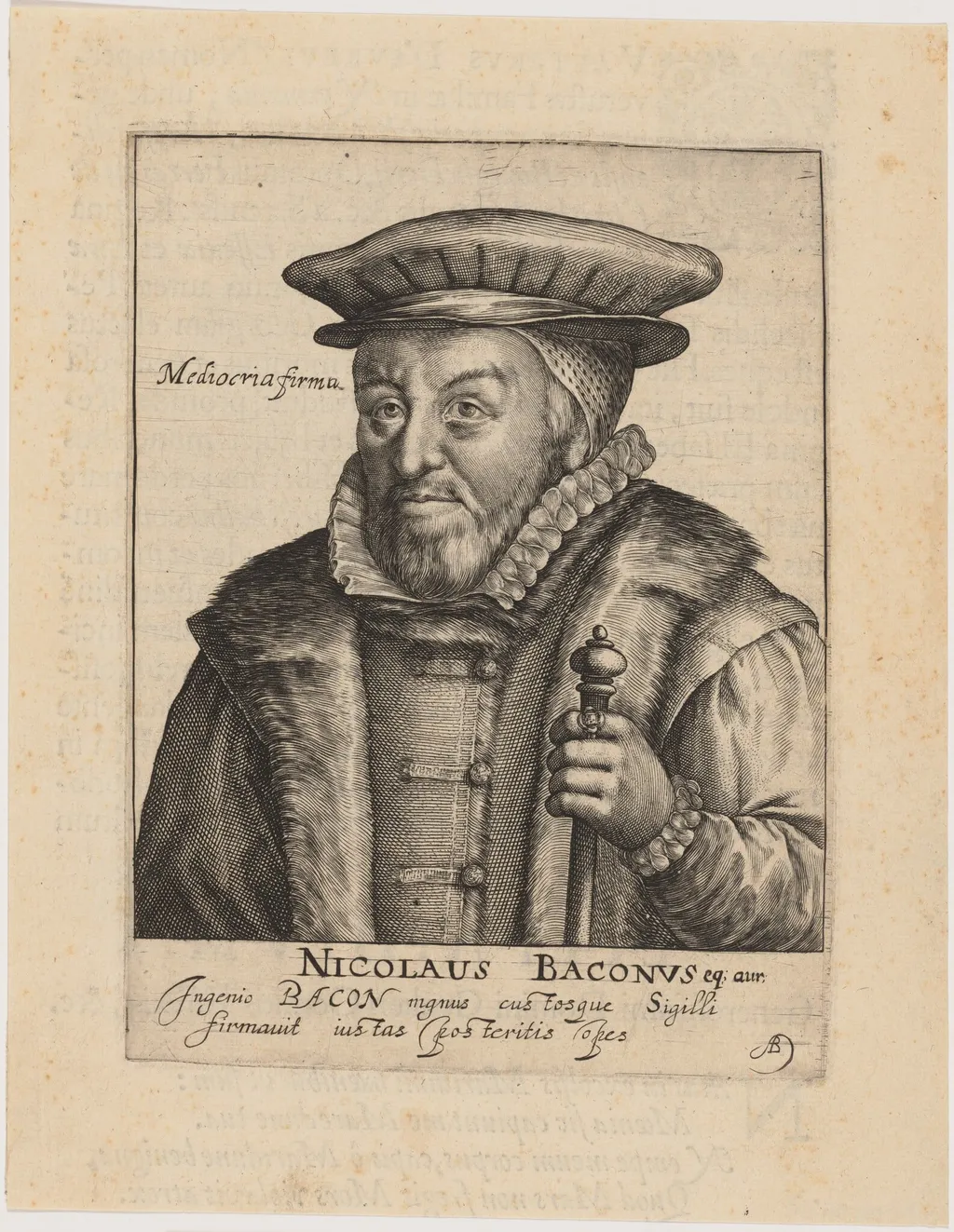
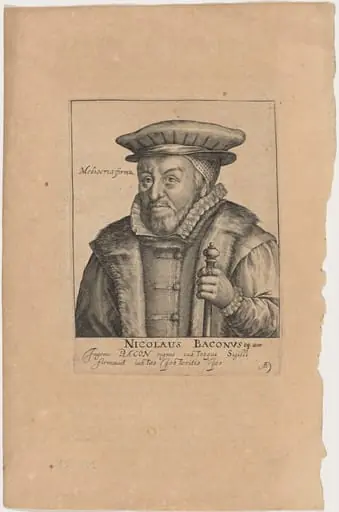
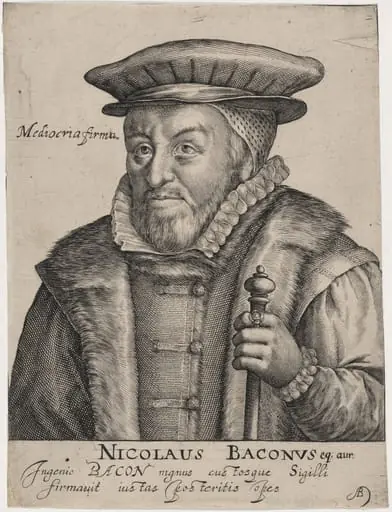
Sir Nicholas Bacon, Lord Keeper is an ink print by the Baroque artist Magdalena van de Passe. It dates from 1620 and is held in the collection of the National Gallery of Art.
About this work
Overview
This 1620 engraving by Magdalena van de Passe depicts Sir Nicholas Bacon, who served as Lord Keeper of the Great Seal under Queen Elizabeth I.
This 1620 engraving by Magdalena van de Passe depicts Sir Nicholas Bacon, who served as Lord Keeper of the Great Seal under Queen Elizabeth I. Rendered in monochrome, the portrait emphasizes formal dignity through precise lines and controlled contrasts. The composition is minimal, with no decorative elements to distract from the subject’s presence. The artist’s initials are discreetly placed, adhering to the conventions of early modern printmaking.
Subject & Meaning
Sir Nicholas Bacon is portrayed in the attire of a high-ranking legal official: a black robe and hat, with a stiff white collar and full beard. The key he holds symbolizes his role as custodian of the Great Seal, the emblem of royal authority in legal matters. His stern expression and upright posture convey authority and gravitas, reflecting the expectation that public servants embody impartiality and responsibility.
Technique & Style
Executed in engraving, the image relies on fine incised lines to build tone and texture. The contrast between the dark robe and the illuminated collar and beard demonstrates mastery in controlling light and shadow. The background is left unmodeled, focusing attention on the figure’s facial features and clothing. The precision of the lines reflects the technical rigor expected in portraiture intended for reproduction and dissemination.
History & Provenance
Created in 1620, the engraving was produced during the early Stuart period, over a decade after Bacon’s death. It likely served to commemorate his legacy within legal and political circles. Magdalena van de Passe, part of a prominent family of printmakers, was known for her portraits of notable figures. The work may have circulated among scholars or officials who valued Bacon’s contributions to Tudor governance.
Context
In early 17th-century England, engraved portraits were common tools for preserving the likenesses of public figures. Bacon’s position as Lord Keeper placed him among the most influential administrators of his time. His image, reproduced in print, reinforced institutional continuity and the authority of the state. Such portraits often accompanied biographical texts or were collected in albums of notable persons.
Legacy
The engraving remains a documented representation of one of Elizabeth I’s key legal officers. While not widely known today, it contributes to the visual record of Tudor and Stuart governance. Its survival reflects the enduring interest in the appearance and symbolism of early modern officeholders. As a work by a female printmaker, it also offers insight into the role of women in the print trade during a period dominated by male artists.
Artist & collection

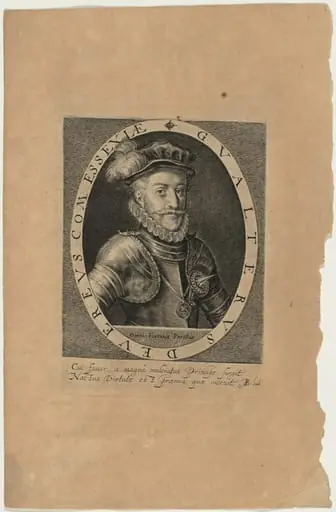 Walter Devereux, First Earl of Essex
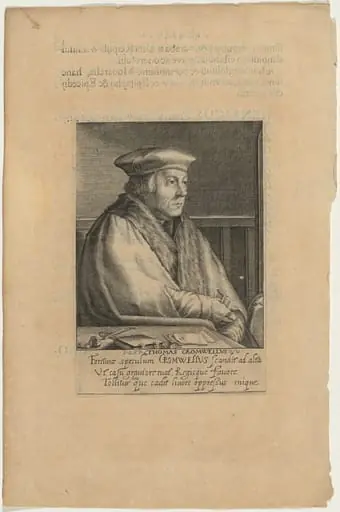 Thomas Cromwell, Earl of Essex
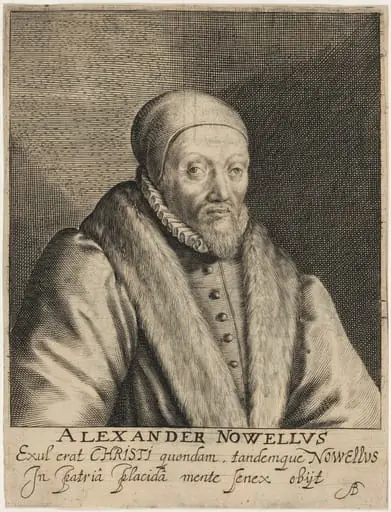 Alexander Nowell, Dean of Saint Paul's
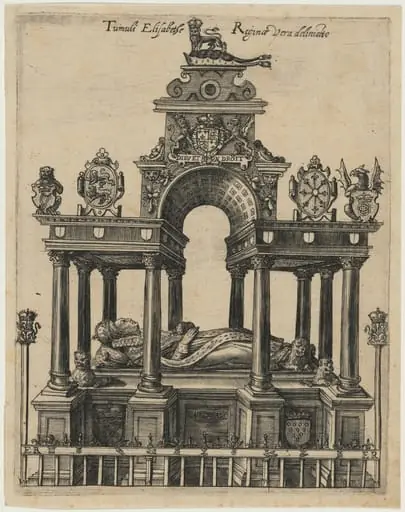 Elizabeth's Tomb
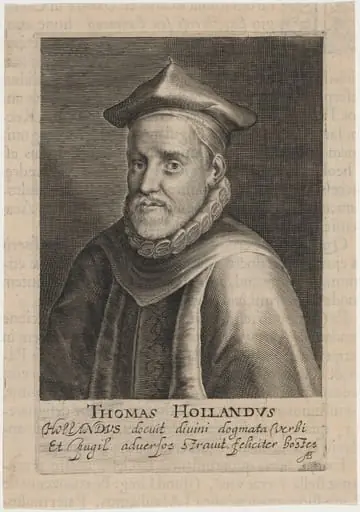 Thomas Holland, Regius Professor of Divinity at Oxford, and Rector of Exeter College
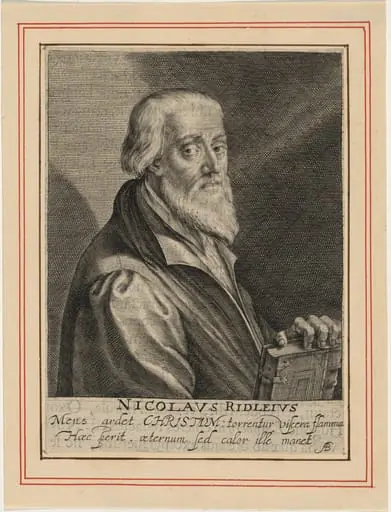 Nicholas Ridley, Bishop of London, Protestant Martyr
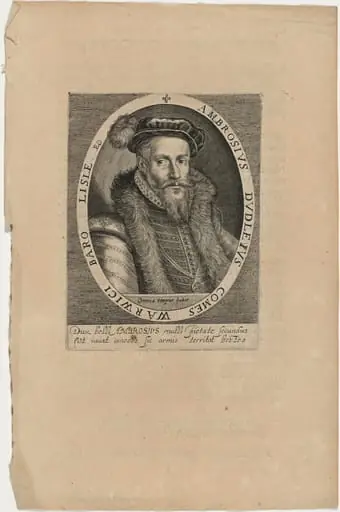 Ambrose Dudley, Earl of Warwick
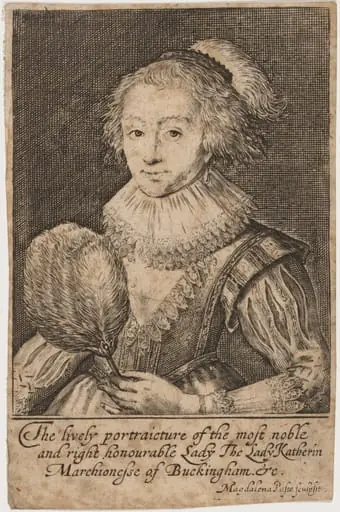 Catherine Manners, Duchess of Buckingham