Artwork
Alexander Nowell, Dean of Saint Paul's
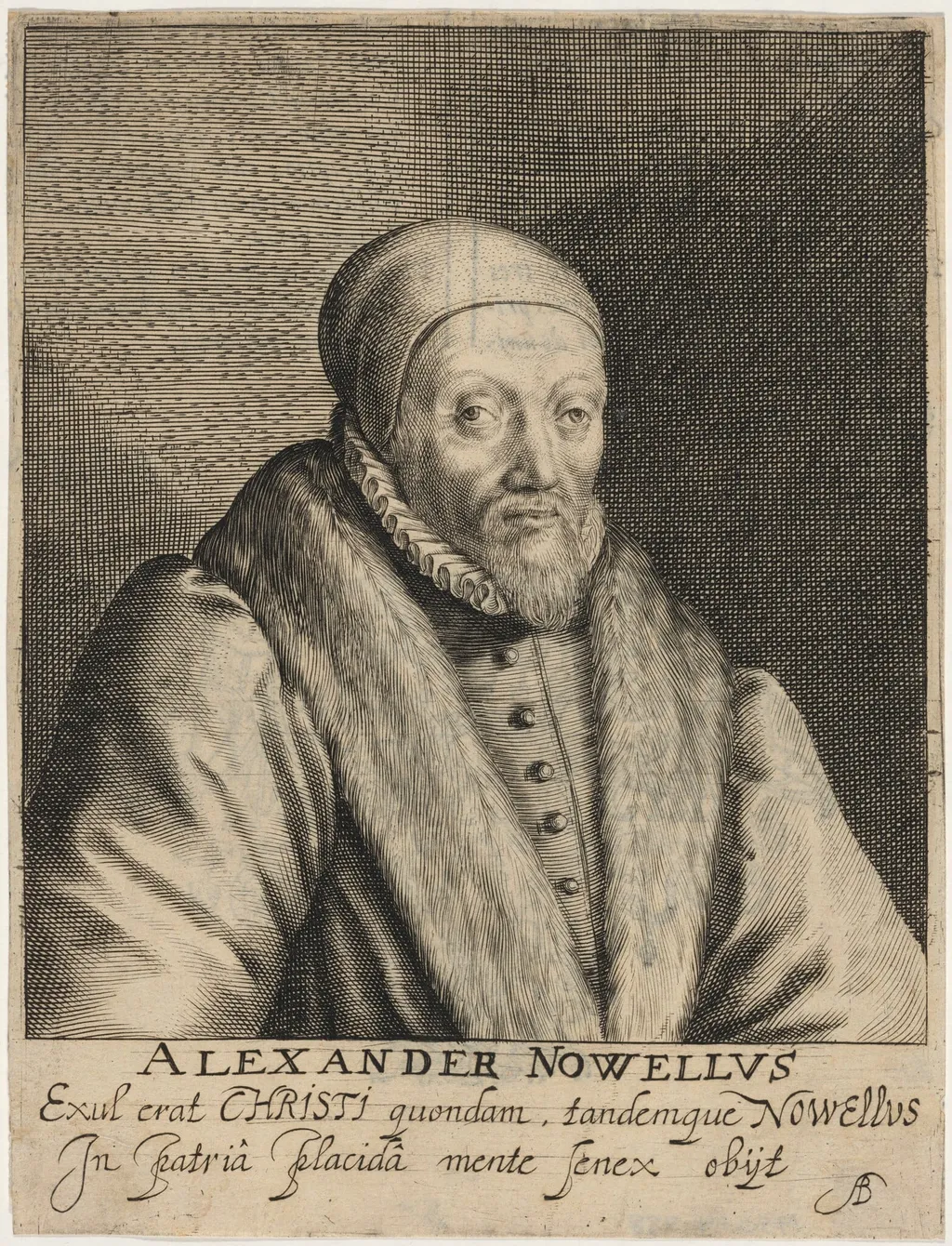
Alexander Nowell, Dean of Saint Paul's is an ink print by the Baroque artist Magdalena van de Passe. It dates from 1620 and is held in the collection of the National Gallery of Art. This 1620 engraving depicts Alexander Nowell, Dean of Saint Paul’s Cathedral, as a formal portrait in monochrome.
About this work
Overview
This 1620 engraving depicts Alexander Nowell, Dean of Saint Paul’s Cathedral, as a formal portrait in monochrome. Executed by Magdalena van de Passe, it belongs to a tradition of scholarly and ecclesiastical portraiture common in early 17th-century England. The image is rendered entirely in black ink on paper, with no decorative elements beyond the subject’s attire and inscribed text.
Subject & Meaning
Nowell, a prominent Anglican clergyman and theologian, is portrayed with solemn dignity, his hand resting on his chest in a gesture of quiet authority.
Nowell, a prominent Anglican clergyman and theologian, is portrayed with solemn dignity, his hand resting on his chest in a gesture of quiet authority. His high collar and round cap reflect clerical dress of the period, while his trimmed beard and focused gaze convey intellectual seriousness. The Latin inscription beneath affirms his status and role, positioning him as a figure of religious and academic influence.
Technique & Style
The portrait is produced through engraving, a method involving incised lines on a metal plate. Van de Passe uses fine cross-hatching to model the folds of fabric and the contours of the face, creating subtle gradations of tone. The plain background eliminates distraction, directing focus to the subject’s expression and attire. The precision of the lines reflects the technical skill expected in reproductive prints of the time.
History & Provenance
Created in 1620, the print likely served to circulate Nowell’s image among Protestant intellectual circles after his death in 1602. As the daughter of engraver Crispin van de Passe, Magdalena was part of a family known for producing portraits of notable figures. The print may have been distributed as part of a series commemorating religious leaders, though its early ownership records remain sparse.
Context
In early 17th-century England, engraved portraits of clergy and scholars were used to reinforce institutional authority and intellectual legacy. Nowell, a key figure in the Elizabethan Reformation and author of catechisms, was a natural subject for such imagery. The print aligns with broader European trends where print media helped solidify the public identity of religious leaders beyond their immediate communities.
Legacy
The engraving remains one of the few surviving visual records of Alexander Nowell, preserving his likeness for later generations. It contributes to the historical record of Protestant ecclesiastical portraiture and reflects the role of women printmakers in disseminating religious imagery. Though not widely reproduced today, it holds value as a document of early modern religious culture and print production.
Artist & collection

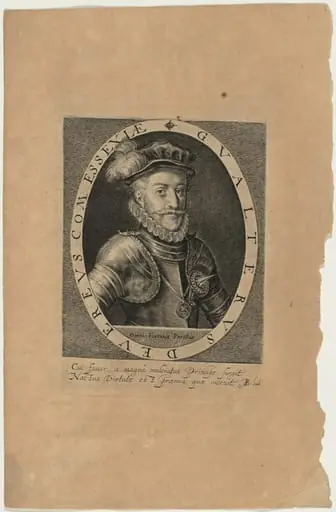 Walter Devereux, First Earl of Essex
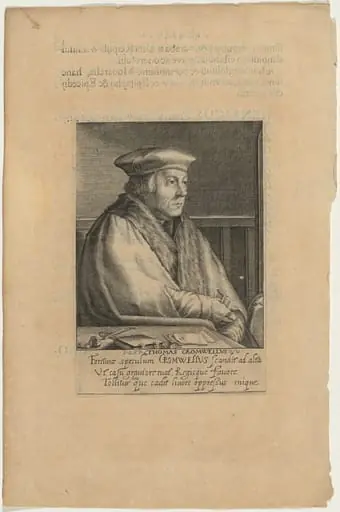 Thomas Cromwell, Earl of Essex
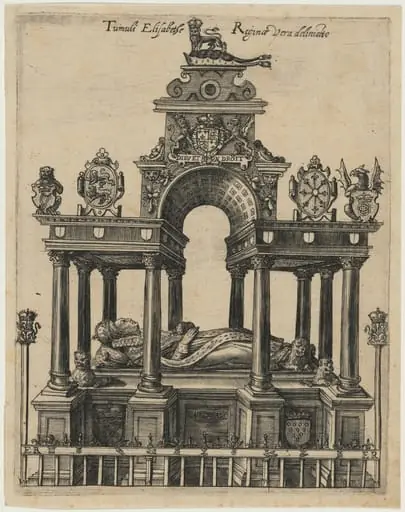 Elizabeth's Tomb
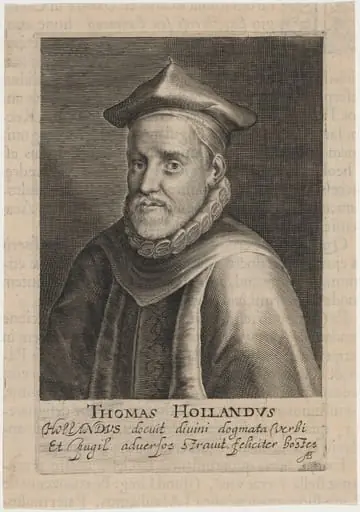 Thomas Holland, Regius Professor of Divinity at Oxford, and Rector of Exeter College
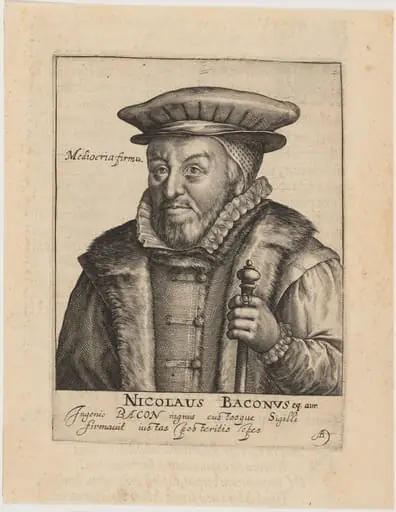 Sir Nicholas Bacon, Lord Keeper
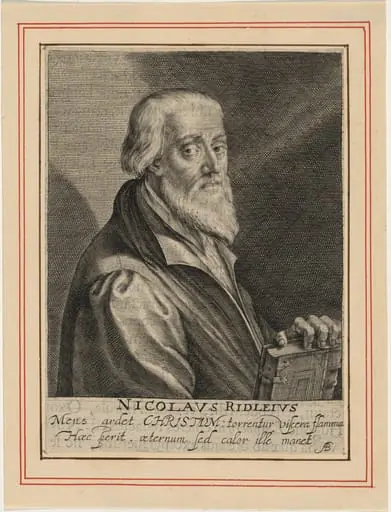 Nicholas Ridley, Bishop of London, Protestant Martyr
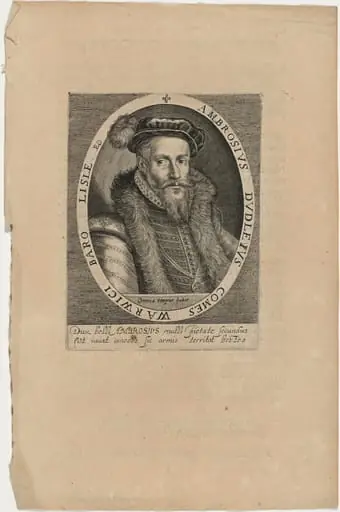 Ambrose Dudley, Earl of Warwick
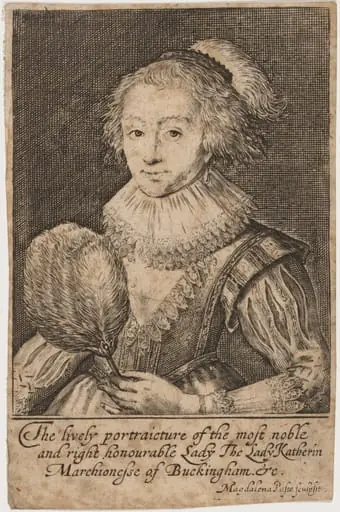 Catherine Manners, Duchess of Buckingham
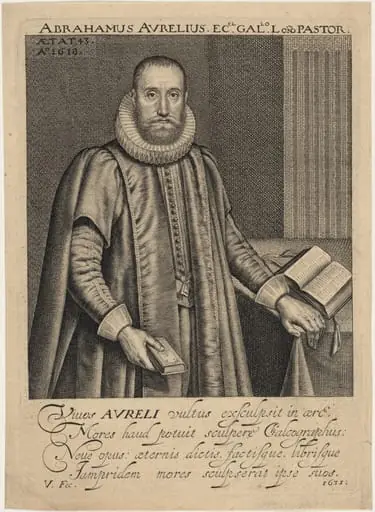 Abraham Aurelius, Minister of the French Church in London
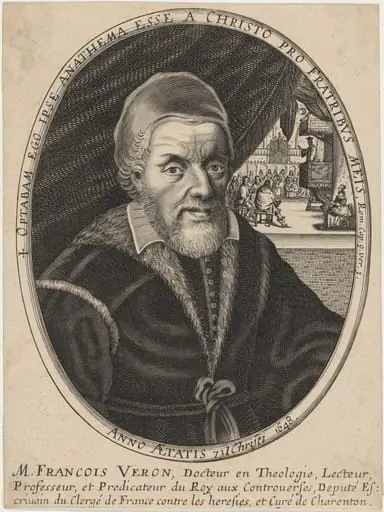 M. Francois Veron, Doctor of Theology, Lecturer, Professor, under Louis XIV
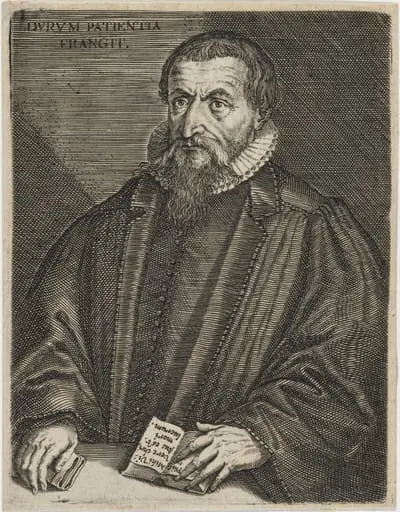 Portrait of a Clergyman
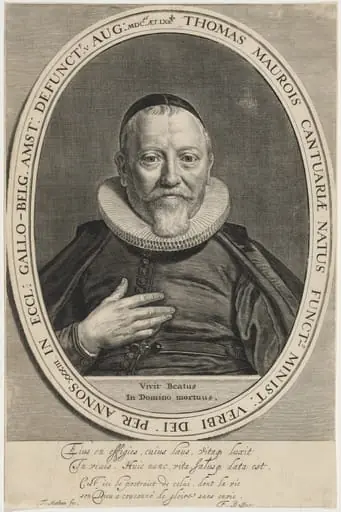 Thomas Maurois
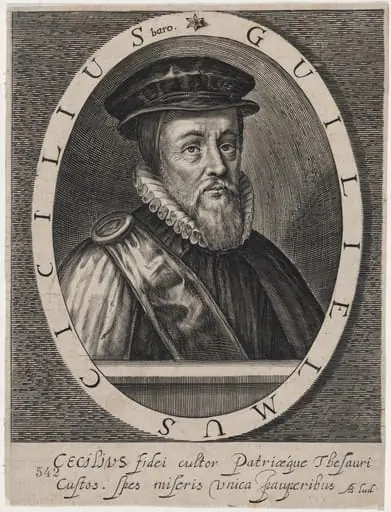 William Cecil, First Baron Burghley
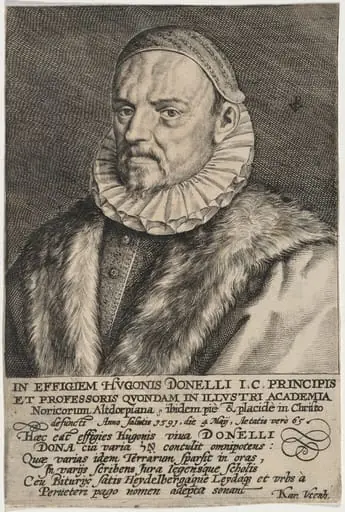 Hugo Donellus
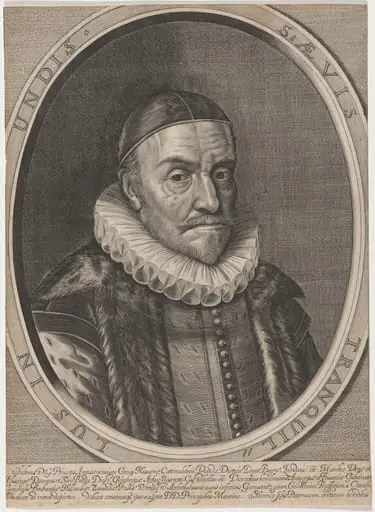 William, Prince of Orange
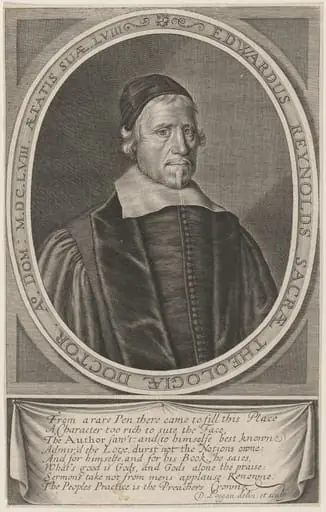 Edward Reynolds, Bishop of Norwich
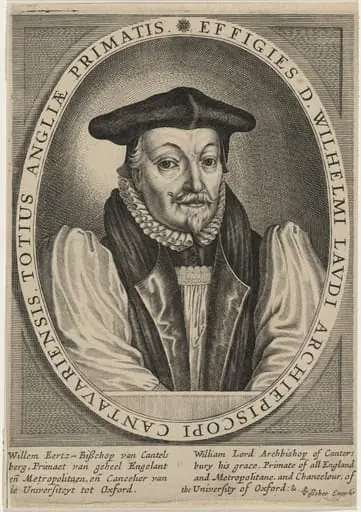 William Laud, Archbishop of Canterbury
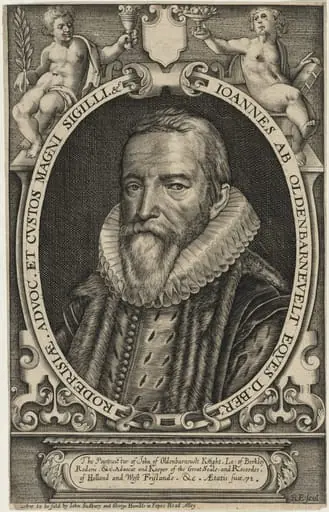 Jon van Olden-Bernevelt
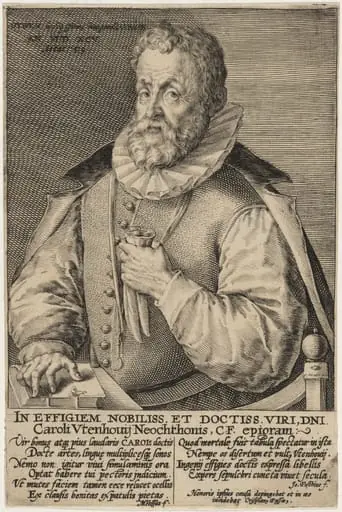 Carolus van Utenhoven