Artwork
Elizabeth's Tomb
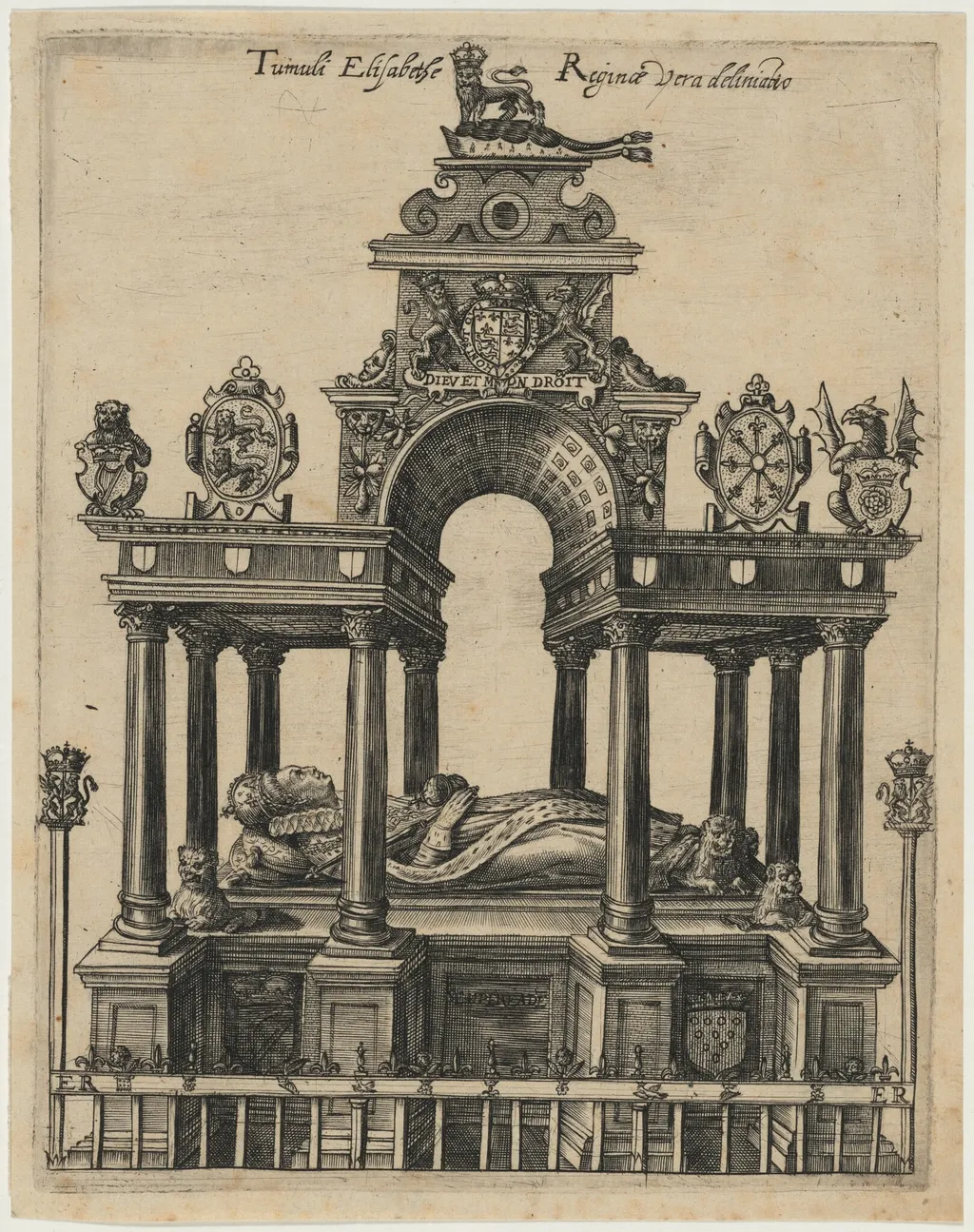
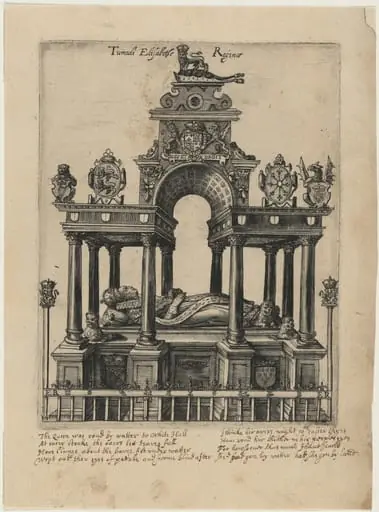
Elizabeth's Tomb is an ink print by the Baroque artist Magdalena van de Passe. It dates from 1620 and is held in the collection of the National Gallery of Art.
About this work
Overview
The composition centers on a recumbent figure in regal attire, surrounded by architectural elements and heraldic symbols.
Elizabeth's Tomb is a black-and-white engraving produced in 1620 by Magdalena van de Passe. It depicts a monumental funerary monument, rendered with meticulous line work to convey the weight and texture of stone. The composition centers on a recumbent figure in regal attire, surrounded by architectural elements and heraldic symbols. As a print, it was likely intended for dissemination among collectors or as a record of a real or imagined memorial.
Subject & Meaning
The image portrays a royal funeral monument, with a life-sized figure reclining in ceremonial garments, suggesting noble or royal status. A lion, symbolizing strength and sovereignty, rests atop the tomb, while crowns and shields reinforce themes of lineage and authority. Latin inscriptions likely honor the deceased, aligning the work with traditions of commemorative art that linked death with enduring legacy and dynastic pride.
Technique & Style
Van de Passe employed fine, controlled engraving lines to model form and depth, creating a sense of sculptural mass in the stone structure. The contrast between light and shadow enhances the three-dimensionality of columns, drapery, and ornamentation. The precision of the technique reflects the Northern European tradition of detailed reproductive prints, where clarity and realism served both aesthetic and documentary purposes.
History & Provenance
Created in 1620, the engraving emerged during a period when printmaking was a key medium for disseminating images of elite monuments. Though the specific tomb it represents is not definitively identified, its style mirrors contemporary funerary art in Protestant Europe. As the daughter of a prominent engraver, Magdalena van de Passe operated within a family workshop that produced numerous such commemorative prints for international audiences.
Context
In early 17th-century Europe, engraved tomb designs were often circulated as visual records of important burials, especially when physical access to monuments was limited. This work aligns with a broader trend of using prints to memorialize nobility, blending artistic representation with genealogical documentation. The inclusion of heraldic elements reflects the era’s emphasis on lineage and public identity in death.
Legacy
Magdalena van de Passe’s engraving stands as an example of women’s contributions to printmaking during a time when the field was male-dominated. While not widely known today, her technical skill and attention to detail contributed to the visual culture of commemoration in early modern Europe. The work remains a reference for understanding how funerary symbolism was reproduced and consumed beyond the original site.
Artist & collection

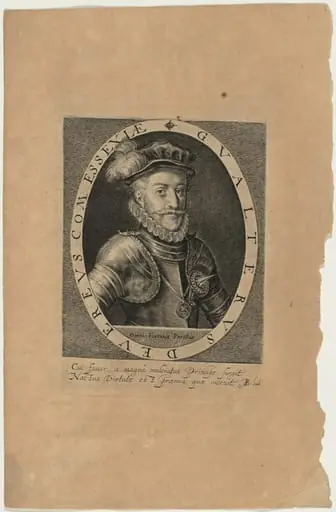 Walter Devereux, First Earl of Essex
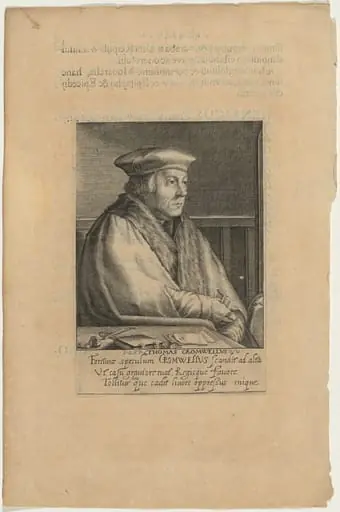 Thomas Cromwell, Earl of Essex
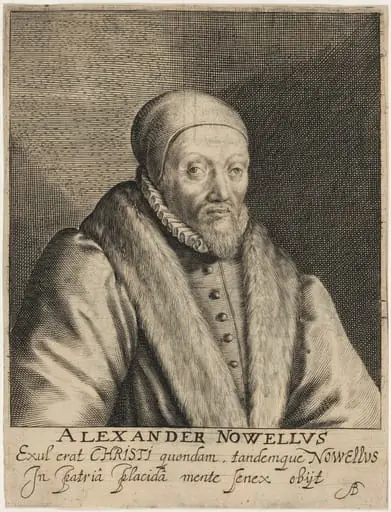 Alexander Nowell, Dean of Saint Paul's
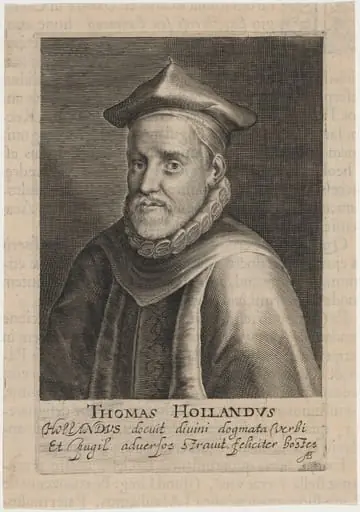 Thomas Holland, Regius Professor of Divinity at Oxford, and Rector of Exeter College
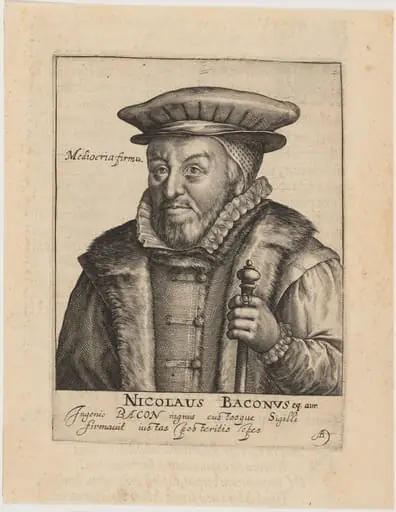 Sir Nicholas Bacon, Lord Keeper
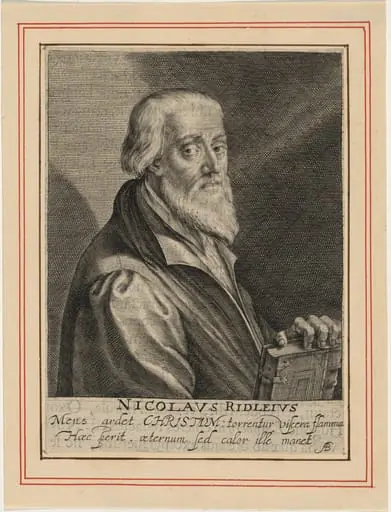 Nicholas Ridley, Bishop of London, Protestant Martyr
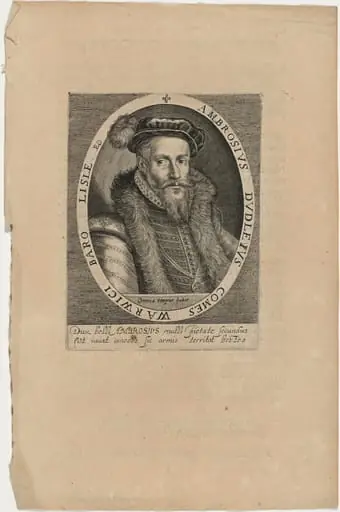 Ambrose Dudley, Earl of Warwick
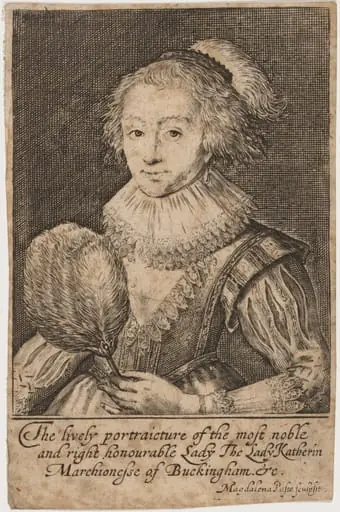 Catherine Manners, Duchess of Buckingham
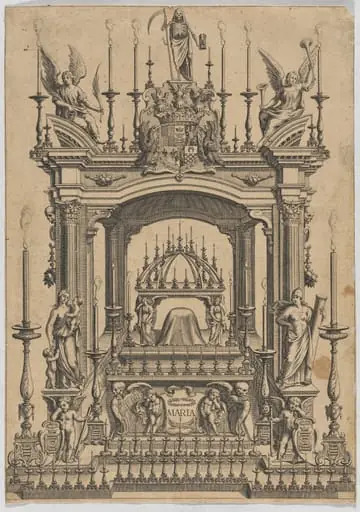 Catafalque for an Unknown Woman Named Maria
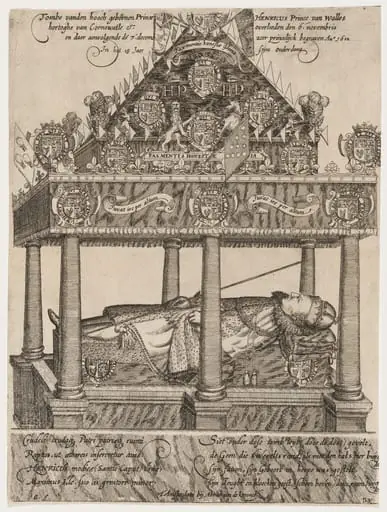 Prince Henry's Hearse
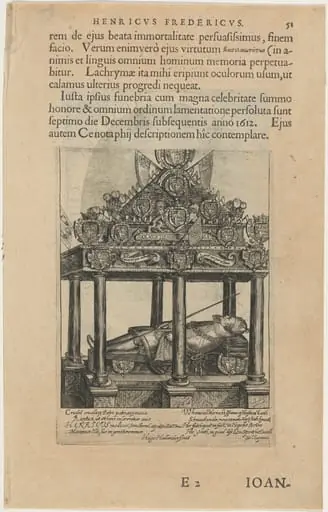 Prince Henry's Hearse
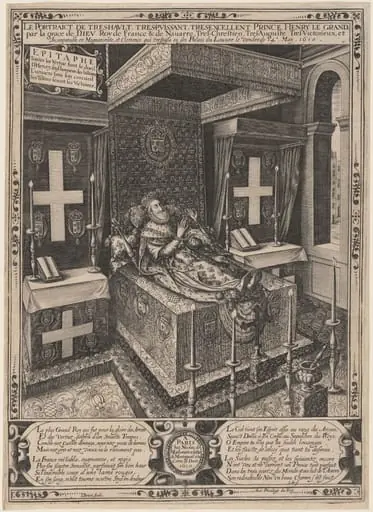 Le portraict de tres-haut...Henry Le Grand (Henri IV on His Deathbed)
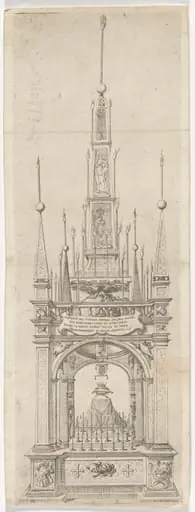 Catafalque for the Funeral of Giulio Thieni, Marquis of Scandiano
 Great Altar with the Virgin, in a border with SS. Christopher, George, Barbara, Catherine
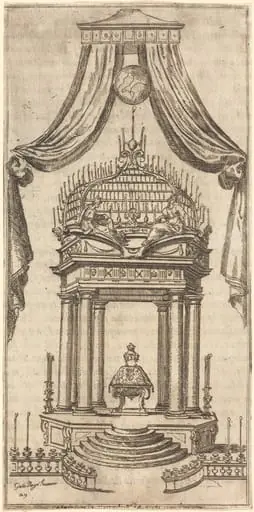 The Catafalque
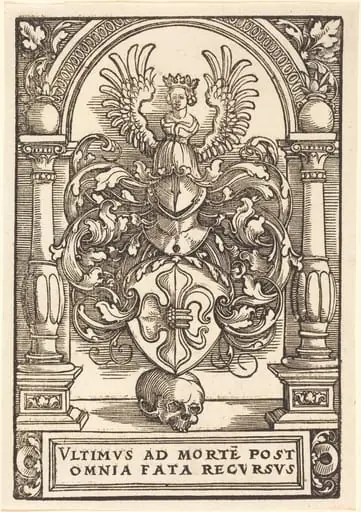 Coat of Arms of Lazarus Spengler
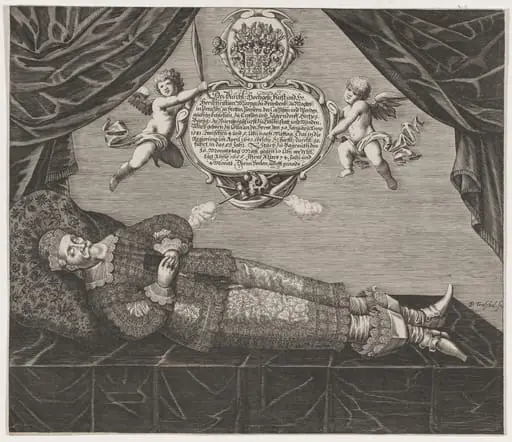 Christian, Margrave of Brandenburg-Bayreuth on his Deathbed
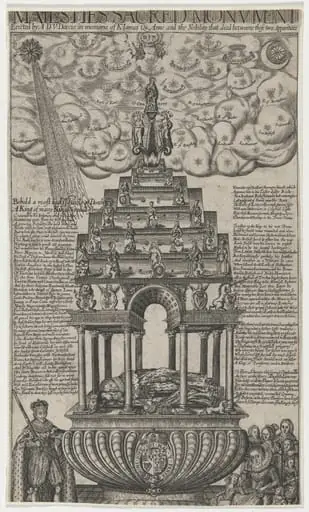 Majesties Sacred Monument
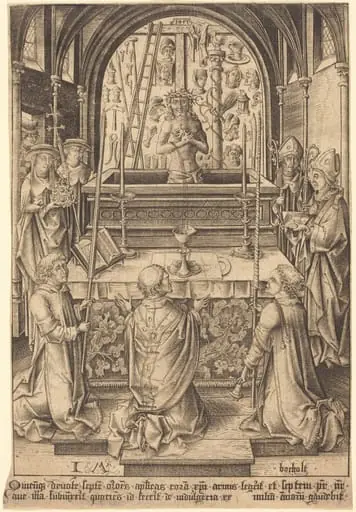 The Mass of Saint Gregory
 The Tomb of Elizabeth I