Artwork
Thomas Cromwell, Earl of Essex
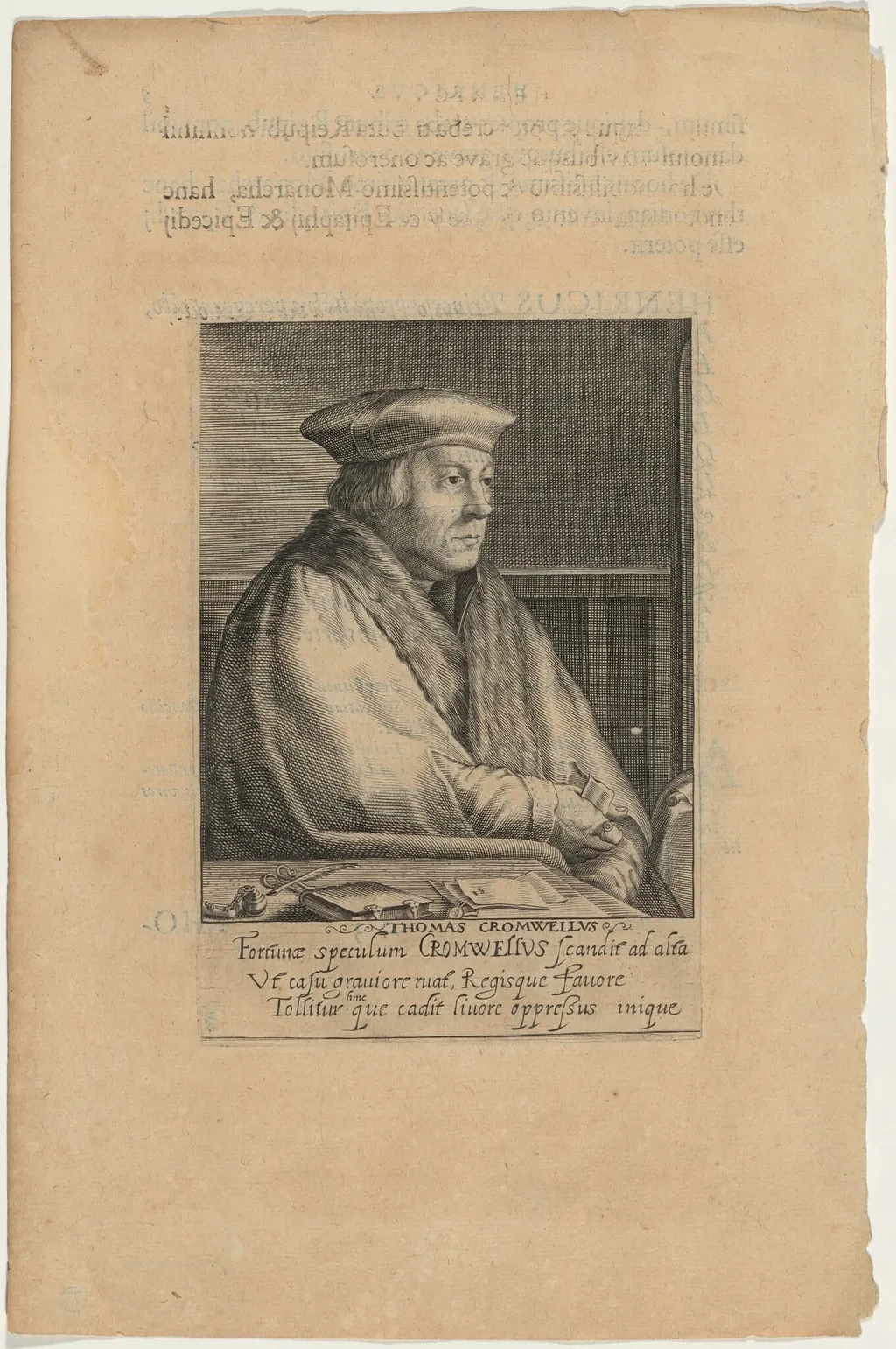
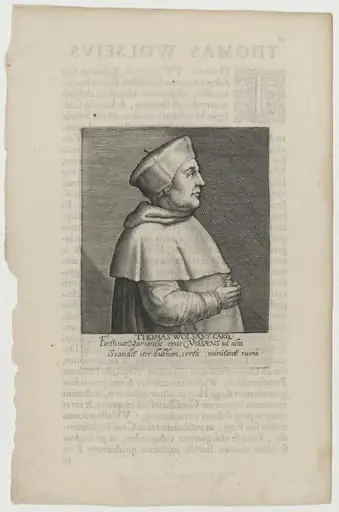
Thomas Cromwell, Earl of Essex is an ink print by the Baroque artist Magdalena van de Passe. It dates from 1620 and is held in the collection of the National Gallery of Art. Created in 1620, this black‑and‑white engraving presents a portrait of Thomas Cromland, styled as Earl of Essex.
About this work
Overview
The plain background directs attention to the sitter’s dignified expression and the ornamental chain at his throat.
Created in 1620, this black‑and‑white engraving presents a portrait of Thomas Cromland, styled as Earl of Essex. Executed by the Dutch‑German printmaker Magdalena van de Passe, the image shows a middle‑aged man in a dark hat and fur‑trimmed robe, his hands resting on a sheet of paper. The plain background directs attention to the sitter’s dignified expression and the ornamental chain at his throat.
Subject & Meaning
The work depicts Thomas Cromland, a notable figure of early seventeenth‑century England, identified by the inscription beneath the portrait. The solemn pose, formal attire, and the inclusion of a document suggest his role in governance or legal affairs, while the chain of office underscores his elevated status.
Technique & Style
Van de Passe employed copper engraving, incising fine lines into a metal plate before inking and pressing onto paper. The crisp hatching and cross‑hatching render the textures of fabric, fur, and facial features with precision, characteristic of the Northern European portrait tradition of the period.
History & Provenance
The print originates from the workshop of the van de Passe family, prolific engravers active in the early modern Netherlands and England. Though specific ownership records are scarce, such portraits were often distributed as commemorative images or included in printed collections of notable persons.
Context
In the early 1600s, portrait engravings served as a means of disseminating the likenesses of political and cultural elites across Europe. Magdalena van de Passe, one of the few women active in the field, contributed to this visual culture, providing a durable, reproducible image of Cromland for a literate audience.
Legacy
The engraving remains a valuable visual document for scholars studying early modern English aristocracy and the transnational networks of printmaking. It exemplifies the technical skill of the van de Passe workshop and offers insight into how portraiture functioned as a tool of status and identity in the period.
Artist & collection

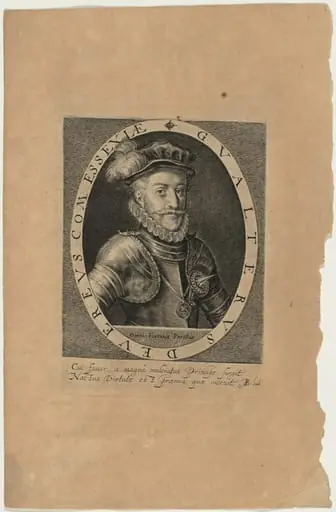 Walter Devereux, First Earl of Essex
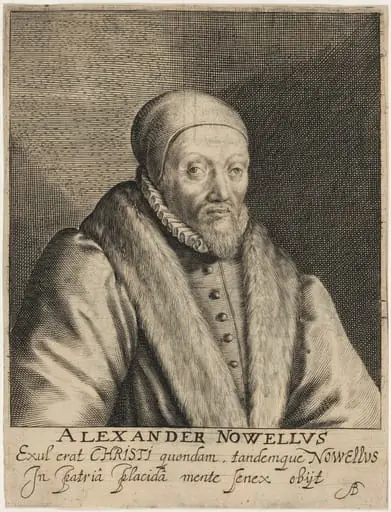 Alexander Nowell, Dean of Saint Paul's
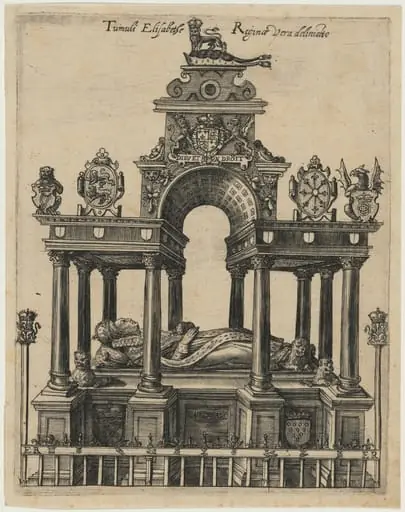 Elizabeth's Tomb
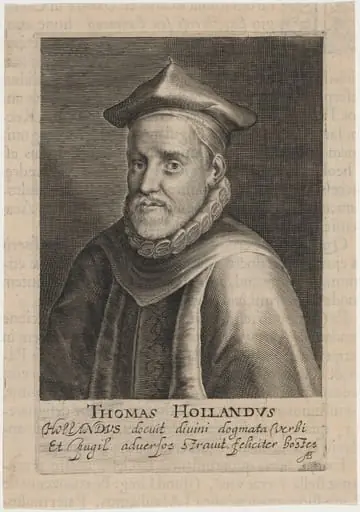 Thomas Holland, Regius Professor of Divinity at Oxford, and Rector of Exeter College
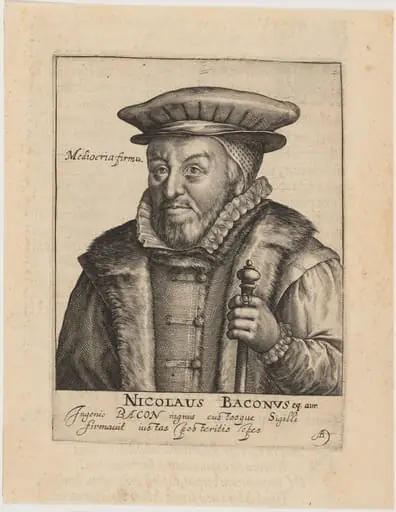 Sir Nicholas Bacon, Lord Keeper
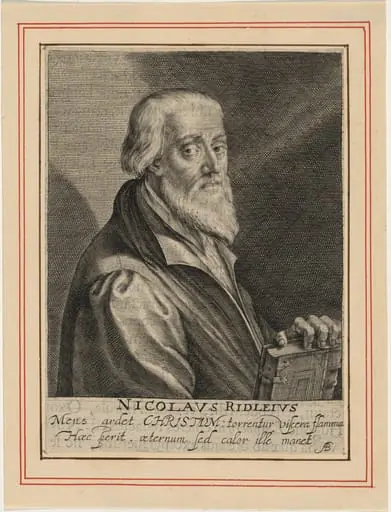 Nicholas Ridley, Bishop of London, Protestant Martyr
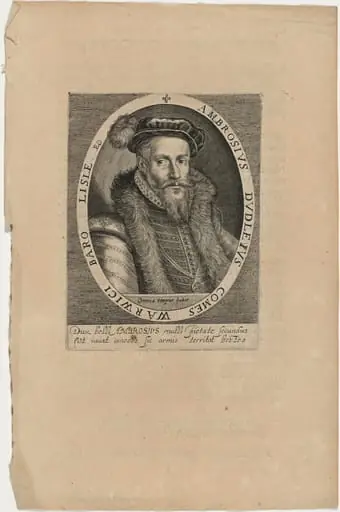 Ambrose Dudley, Earl of Warwick
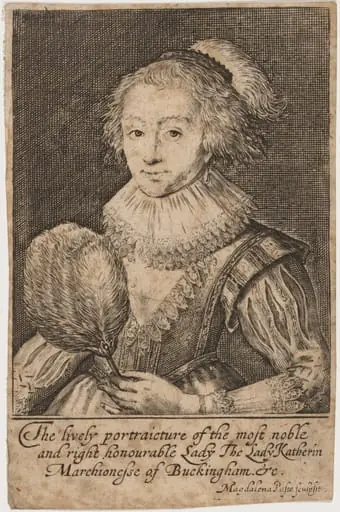 Catherine Manners, Duchess of Buckingham