Artwork
John Harington, First Baron of Exton
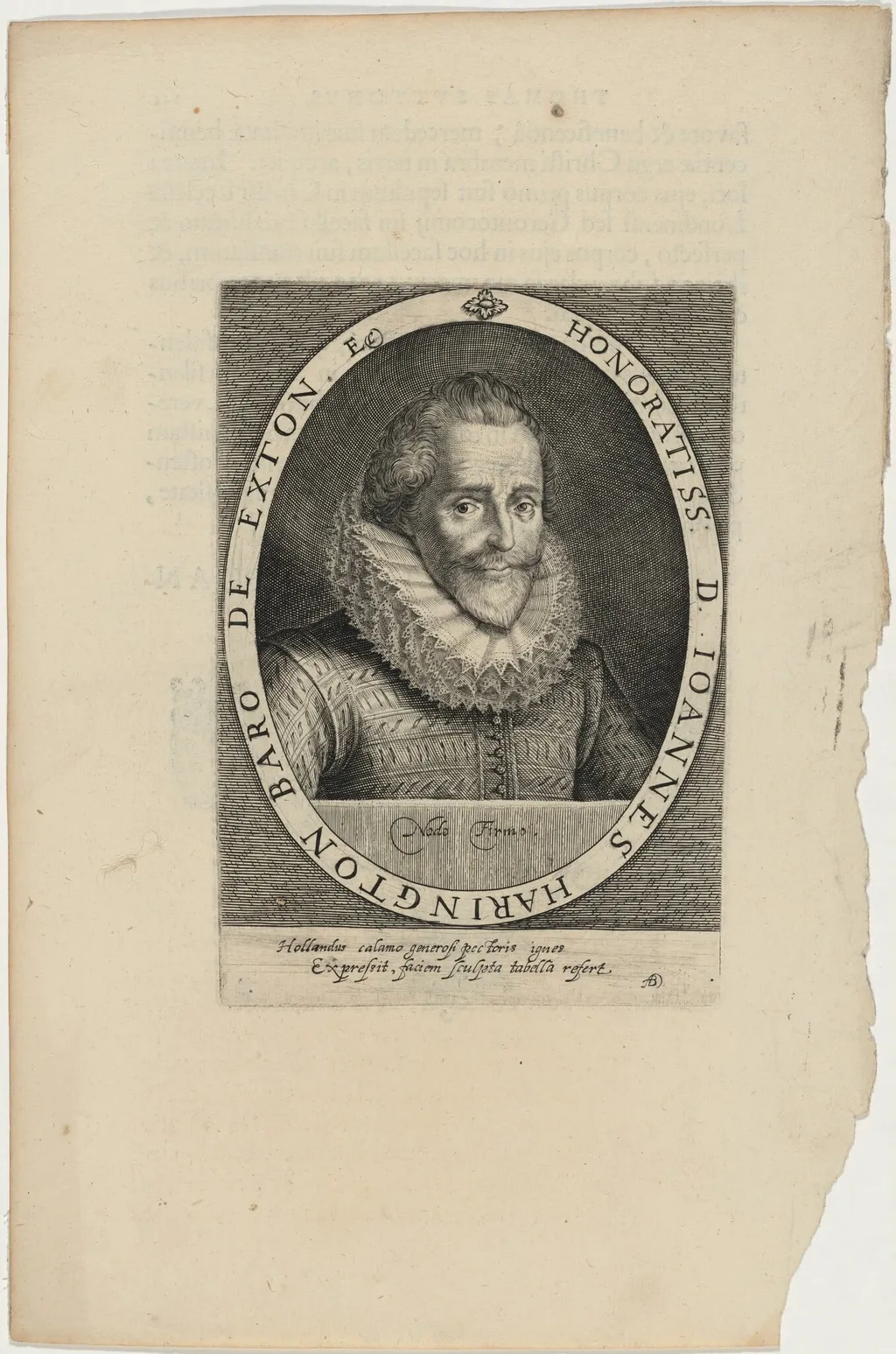
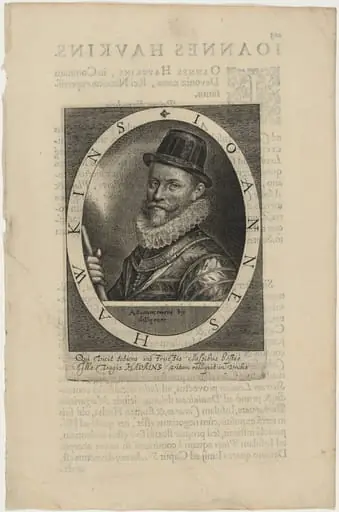
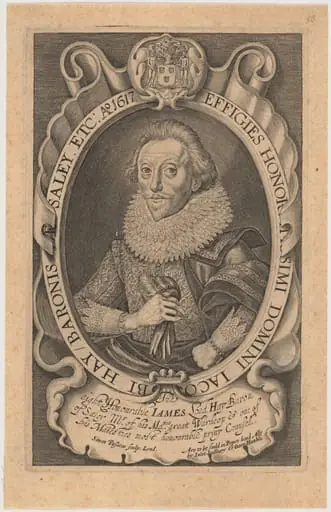
John Harington, First Baron of Exton is an ink print by the Baroque artist Magdalena van de Passe. It dates from 1620 and is held in the collection of the National Gallery of Art. Created in 1620, this black‑and‑white engraving presents John Harington, First Baron of Extan, in a formal portrait format.
About this work
Overview
Created in 1620, this black‑and‑white engraving presents John Harington, First Baron of Extan, in a formal portrait format. Executed by the Dutch‑German printmaker Magdalena van de Passe, the image is bounded by an oval frame bearing the sitter’s name in an ornamental script. The composition emphasizes the sitter’s dignified presence through careful line work and restrained composition.
Subject & Meaning
The portrait depicts Harington in his middle years, with curly hair, a full beard, and a ruff collar typical of early‑seventeenth‑century English aristocracy. His steady gaze and composed posture convey authority and gravitas, reflecting the social status associated with his baronial title. The inclusion of his name within the frame underscores the work’s function as a commemorative likeness.
Technique & Style
Van de Passe employs fine, cross‑hatching and stippling to model light and shadow, giving the face a subtle three‑dimensional quality despite the monochrome medium. The delicate lines render the texture of the patterned jacket and the folds of the ruff, while the overall restraint of detail aligns with the Northern European engraving tradition of the period.
History & Provenance
The print originates from the workshop of the van de Passe family, a prolific printmaking dynasty active in the early 1600s. Though specific ownership records are scarce, the engraving would have circulated among English patrons and collectors interested in portraiture of notable figures, serving both as a personal memento and a means of disseminating Harington’s image.
Context
Produced during a time when engraved portraiture was a primary means of documenting elite individuals, the work reflects the cross‑cultural exchange between English patrons and Continental artists. Magdalena van de Passe, working in the Netherlands, often received commissions from English clients, illustrating the interconnected artistic networks of the early Stuart period.
Artist & collection

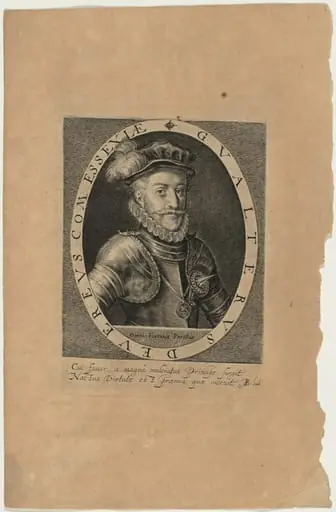 Walter Devereux, First Earl of Essex
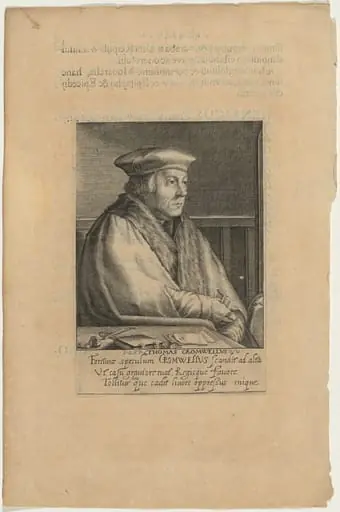 Thomas Cromwell, Earl of Essex
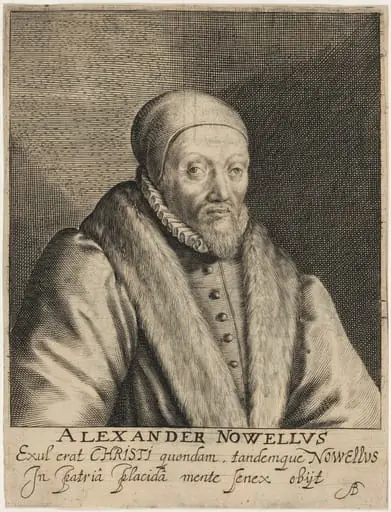 Alexander Nowell, Dean of Saint Paul's
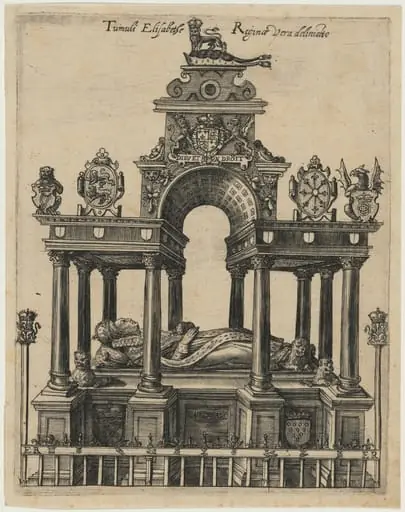 Elizabeth's Tomb
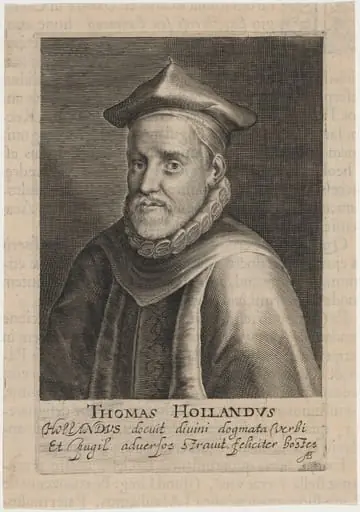 Thomas Holland, Regius Professor of Divinity at Oxford, and Rector of Exeter College
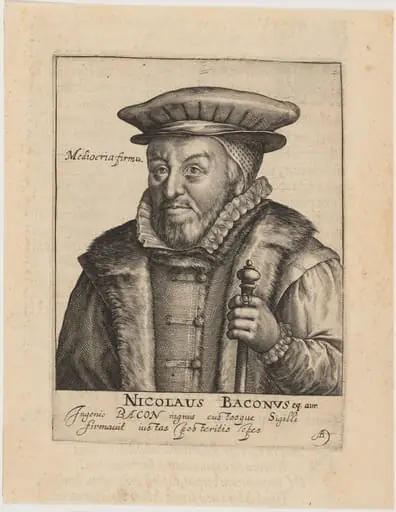 Sir Nicholas Bacon, Lord Keeper
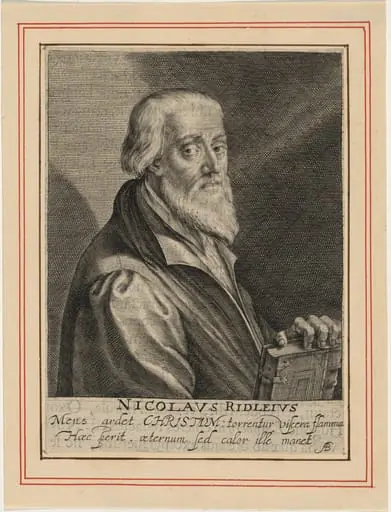 Nicholas Ridley, Bishop of London, Protestant Martyr
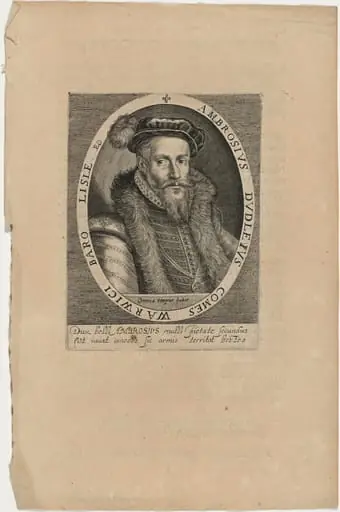 Ambrose Dudley, Earl of Warwick