Artwork
Sir John Hawkins
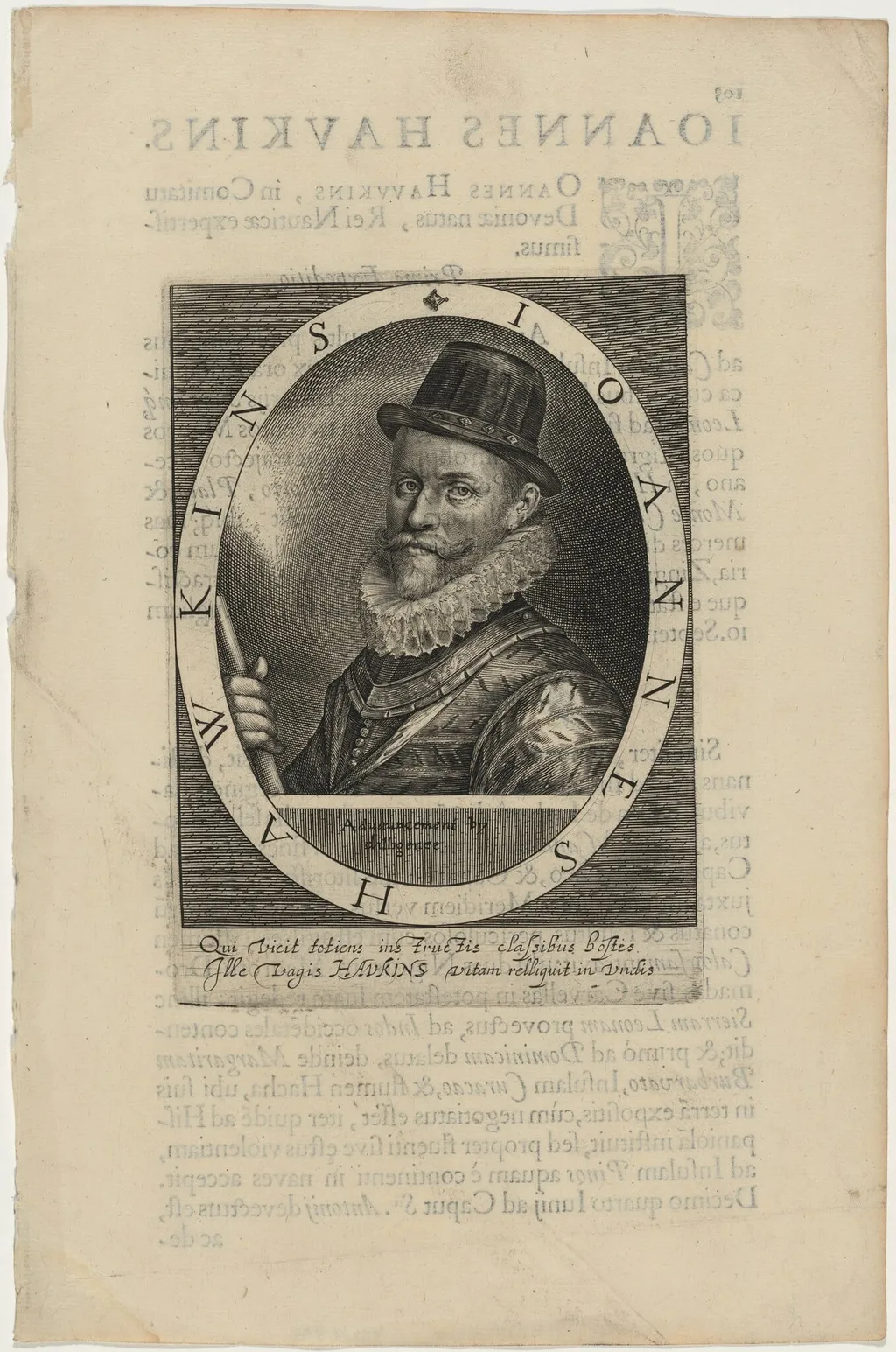
Sir John Hawkins is an ink print by the Baroque artist Magdalena van de Passe. It dates from 1620 and is held in the collection of the National Gallery of Art.
About this work
Overview
A decorative border surrounds the portrait, inscribed with text that frames the subject within a scholarly or commemorative context.
This black-and-white print, made in 1620, is an engraving by Magdalena van de Passe depicting Sir John Hawkins. Unlike a painting, it was produced by incising lines into a metal plate, inked, and pressed onto paper. The image captures Hawkins in formal attire, with a plain background emphasizing his likeness. A decorative border surrounds the portrait, inscribed with text that frames the subject within a scholarly or commemorative context.
Subject & Meaning
Sir John Hawkins, an English naval commander and merchant, is portrayed with solemnity, reflecting his public role and status. He holds a scroll, suggesting authority, documentation, or administrative duty. The absence of elaborate symbolism or setting directs focus to his identity and reputation. The engraving functions as a portrait of record, intended to convey his prominence in maritime and political affairs during the early 17th century.
Technique & Style
Magdalena van de Passe employed fine, controlled lines typical of engraving to render texture in Hawkins’s ruffled collar and hat. The medium allowed for precise detail despite its monochrome palette. The border’s ornamental lettering and the flat background reflect conventions of printed portraiture of the period, where clarity and legibility were prioritized over atmospheric depth. The print’s worn appearance suggests repeated impressions and handling over time.
History & Provenance
Created in 1620, the engraving was likely produced to circulate Hawkins’s image among contemporaries, possibly as part of a series of notable figures. Van de Passe, from a family of engravers, was known for producing portraits for European audiences. The print’s survival indicates continued interest in Hawkins’s legacy, though its specific early ownership remains undocumented. Its age and wear reflect decades of use in private or institutional collections.
Context
In early 17th-century England, engraved portraits were common tools for disseminating the likenesses of public figures, especially those with naval or political influence. Hawkins, a key figure in England’s maritime expansion, was a fitting subject for such reproduction. The format aligns with broader European trends in print culture, where engraved images served both commemorative and informational purposes beyond the reach of painted portraits.
Legacy
This engraving preserves one of the few visual records of Sir John Hawkins from his lifetime. As a work by Magdalena van de Passe, it also represents the rare contribution of a female printmaker in a male-dominated field. Though not widely known today, it remains a tangible artifact of early modern portraiture practices and the role of print in shaping public memory of historical figures.
Artist & collection

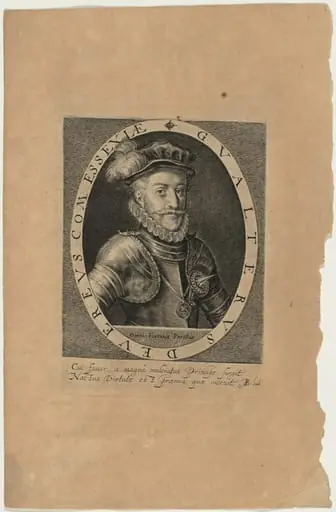 Walter Devereux, First Earl of Essex
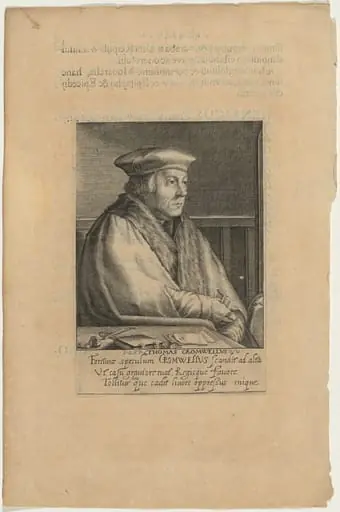 Thomas Cromwell, Earl of Essex
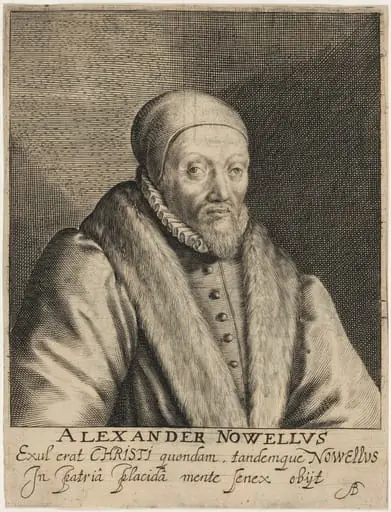 Alexander Nowell, Dean of Saint Paul's
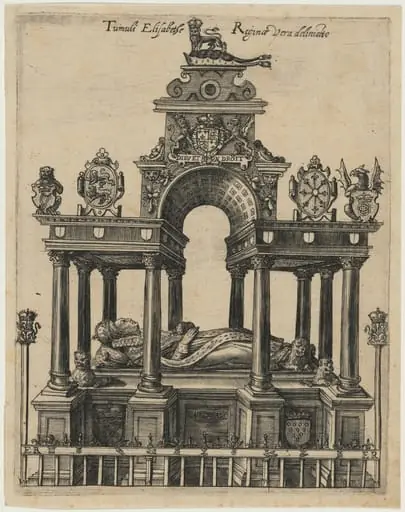 Elizabeth's Tomb
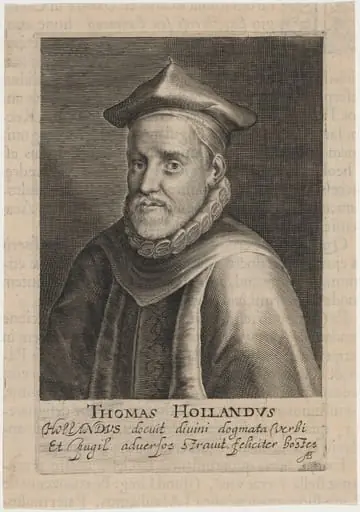 Thomas Holland, Regius Professor of Divinity at Oxford, and Rector of Exeter College
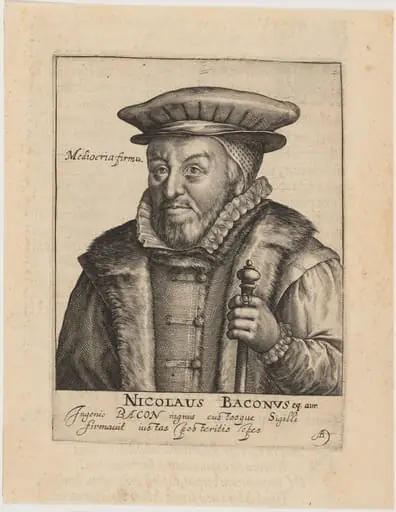 Sir Nicholas Bacon, Lord Keeper
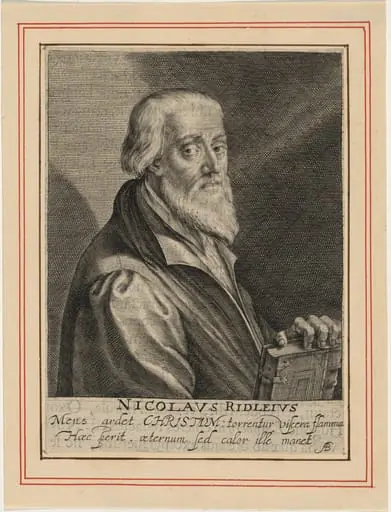 Nicholas Ridley, Bishop of London, Protestant Martyr
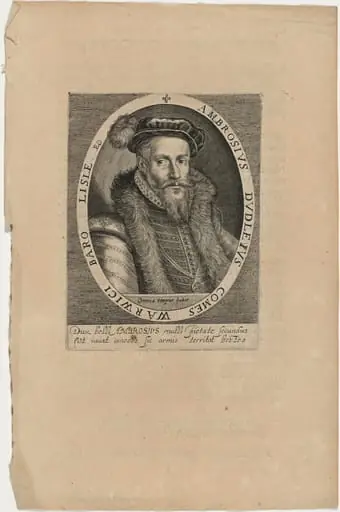 Ambrose Dudley, Earl of Warwick
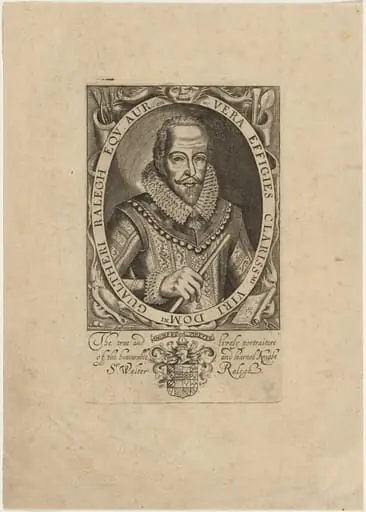 Sir Walter Raleigh
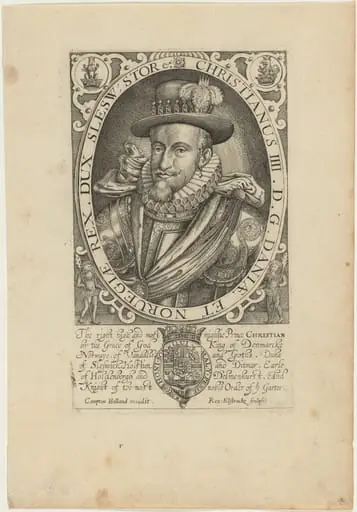 Christian IV of Denmark
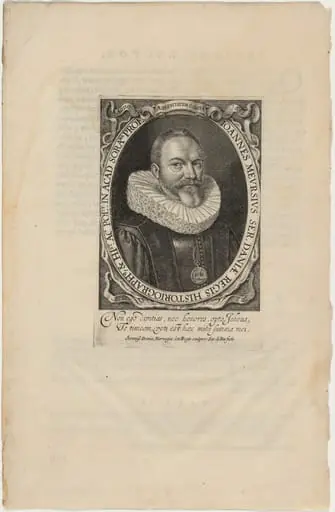 Johannes Meursius, Historian
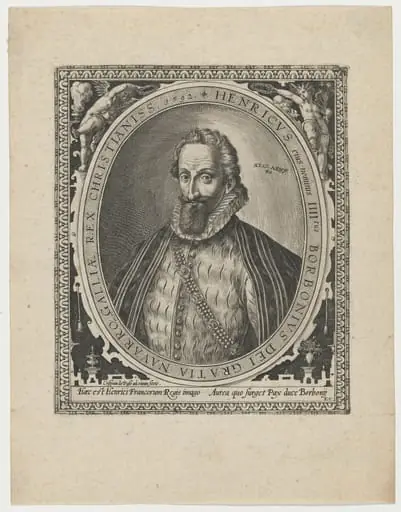 Henry IV, King of France
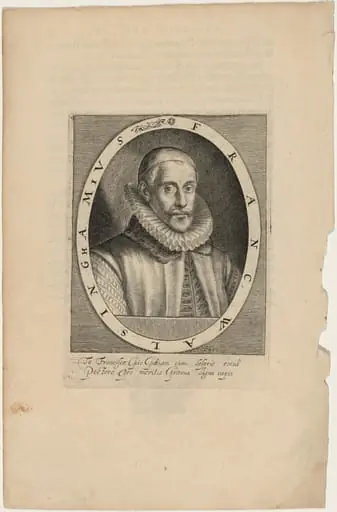 Sir Francis Walsingham
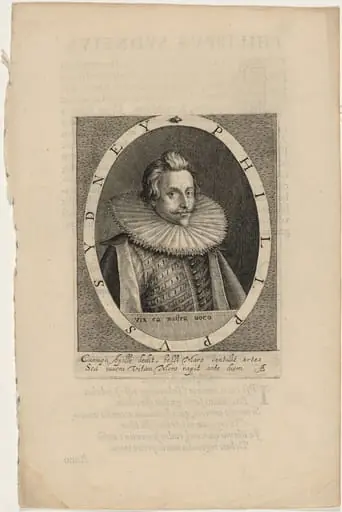 Sir Philip Sidney, Soldier and Poet
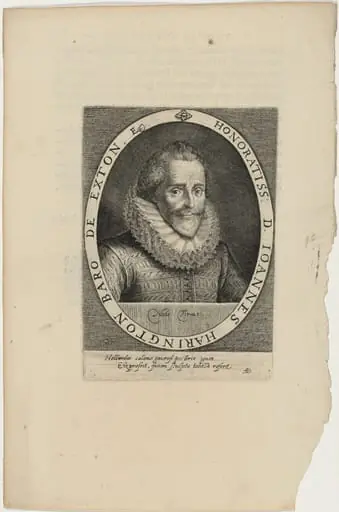 John Harington, First Baron of Exton
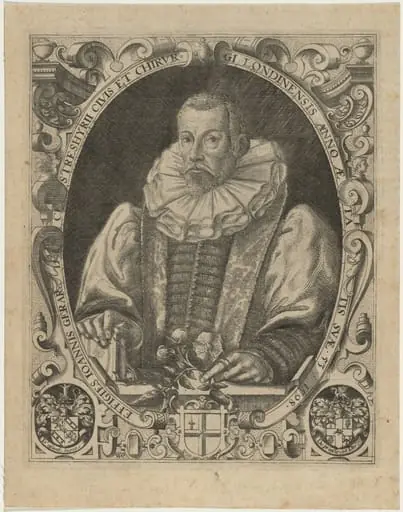 John Gerard, Herbalist
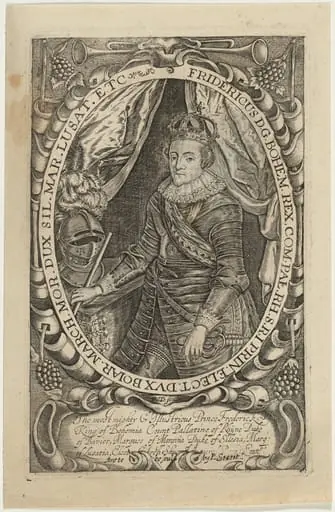 Fredericus D.G. Bohem. Rex (Frederick V, Kingof Bohemia)
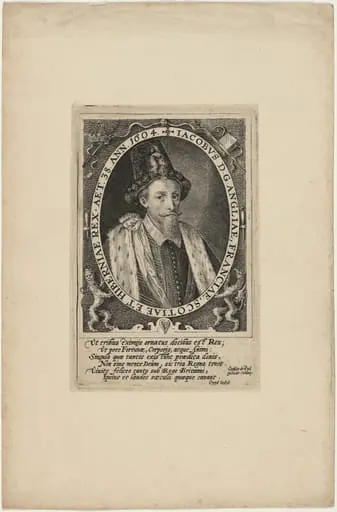 James I, King of England
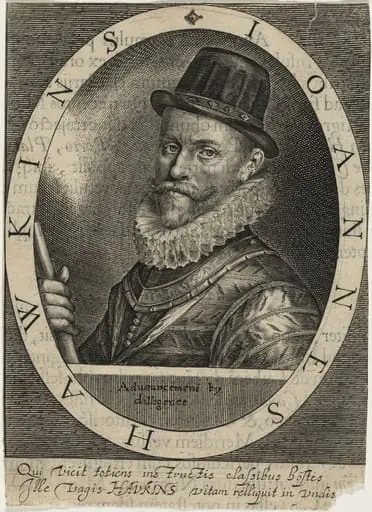 Sir John Hawkins