Artwork
John Harington, Second Baron of Exton
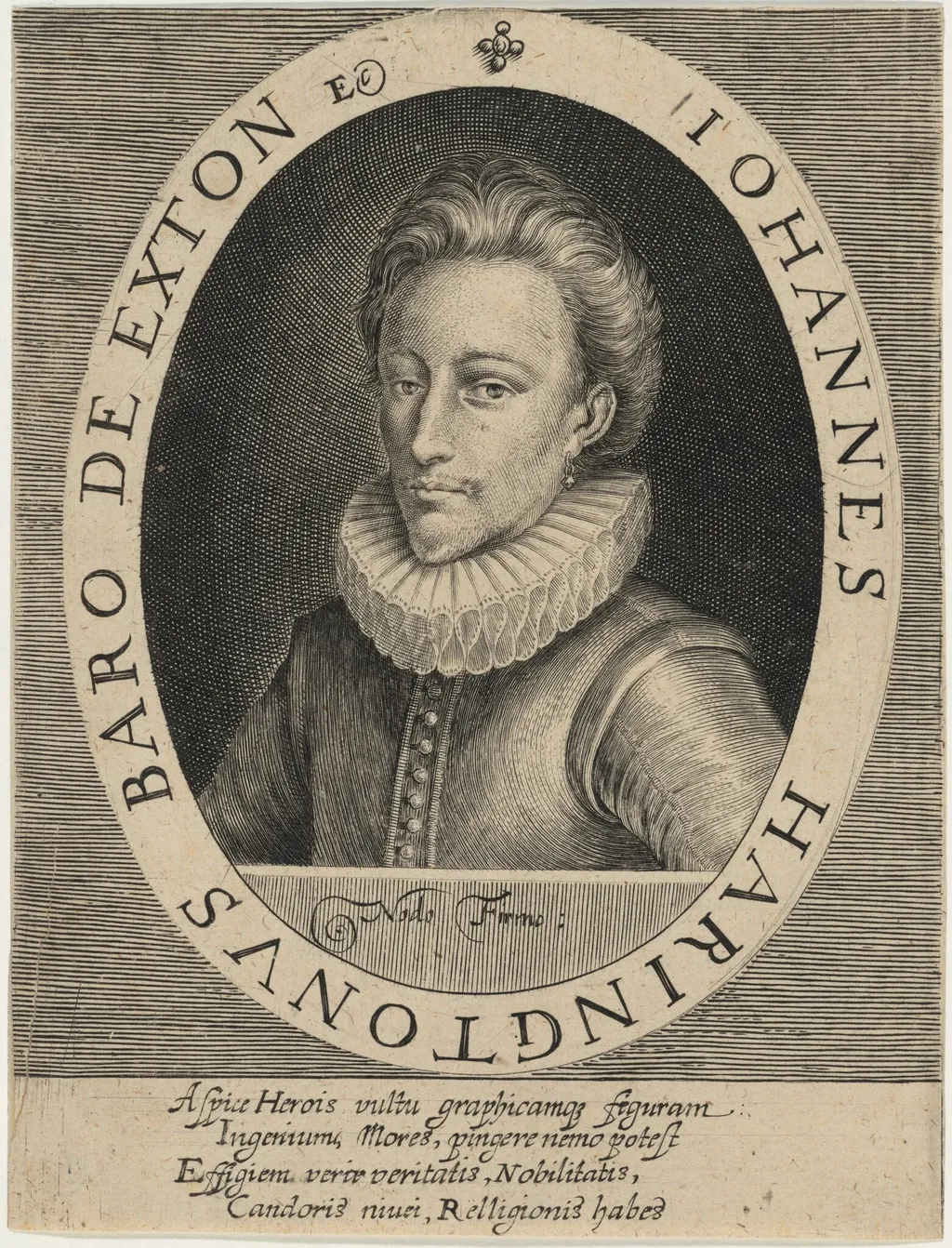
John Harington, Second Baron of Exton is an ink print by the Baroque artist Magdalena van de Passe. It dates from 1620 and is held in the collection of the National Gallery of Art.
About this work
Overview
An engraving from 1620, this portrait depicts John Harington, Second Baron of Exton, executed by Magdalena van de Passe. The work belongs to the printmaking tradition of early 17th-century Europe, where engraved portraits served as both personal mementos and symbols of social standing. The composition centers the sitter against a muted background, with careful attention to texture and form.
Subject & Meaning
His expression conveys dignity rather than emotion, reflecting the expected decorum of aristocratic representation.
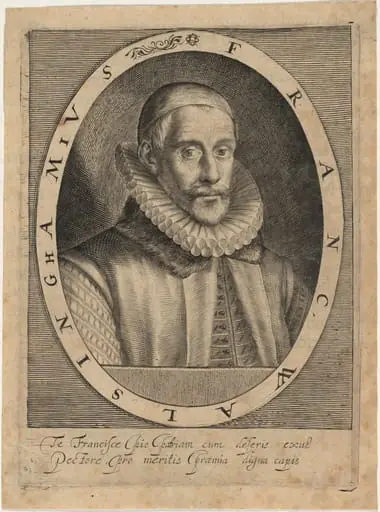
John Harington, a member of the English nobility, is portrayed with solemn composure, facing directly outward. His expression conveys dignity rather than emotion, reflecting the expected decorum of aristocratic representation. The elaborate ruff and decorative buttons emphasize his status, while the restrained dark garment suggests modesty within wealth, aligning with contemporary ideals of noble conduct.
Technique & Style
Magdalena van de Passe employed fine, controlled lines to render the texture of the lace collar and the sheen of fabric. The background is deliberately dark, enhancing the three-dimensionality of the figure through chiaroscuro effects. The oval framing of the head and shoulders draws focus to the face and attire, a common compositional device in portrait engravings of the period, prioritizing clarity over ornamentation.
History & Provenance
Created in 1620, the engraving likely circulated among Harington’s circle or was commissioned for familial records. Magdalena van de Passe, part of a renowned Dutch engraving family, produced numerous portraits of European elites during this time. The work’s survival suggests it was valued within aristocratic collections, though its specific early ownership remains undocumented.
Context
This portrait emerged during a period when engraved likenesses were widely used to disseminate the images of nobility across Europe. Unlike painted portraits, engravings could be reproduced and distributed, making them accessible to a broader audience. The style reflects the influence of Flemish and Dutch printmaking, which emphasized precision and naturalistic detail over idealization.
Legacy
The engraving stands as an example of how printmaking facilitated the visual representation of aristocracy beyond royal courts. Magdalena van de Passe’s contribution to this field highlights the role of women in early modern print production. While not widely known today, such works remain important records of social hierarchy and artistic practice in early 17th-century England and the Netherlands.
Artist & collection

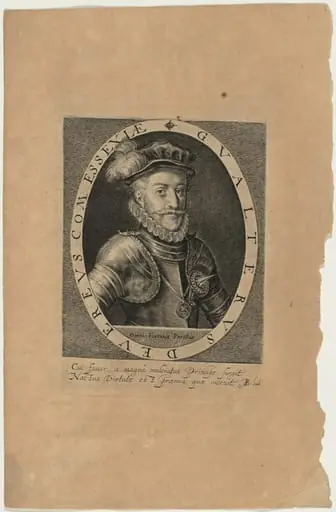 Walter Devereux, First Earl of Essex
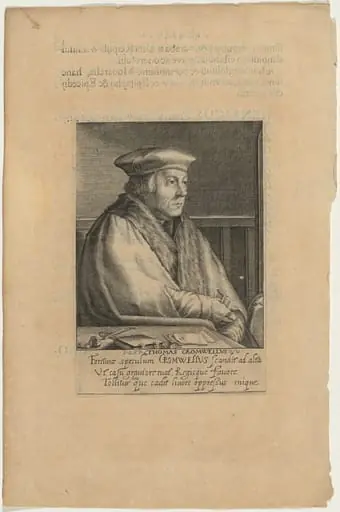 Thomas Cromwell, Earl of Essex
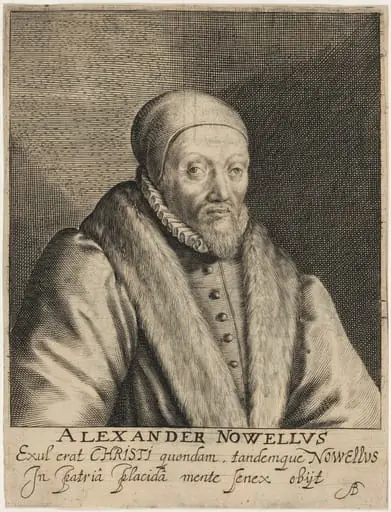 Alexander Nowell, Dean of Saint Paul's
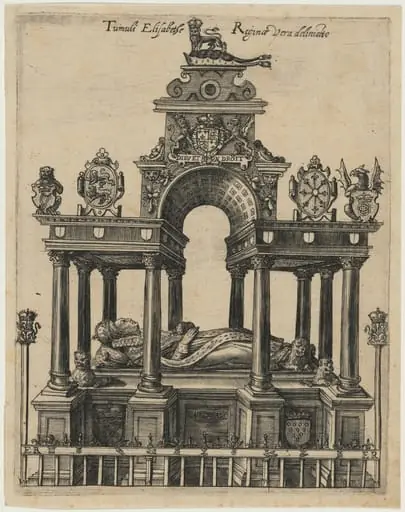 Elizabeth's Tomb
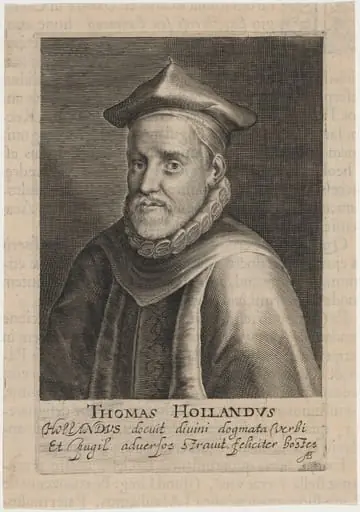 Thomas Holland, Regius Professor of Divinity at Oxford, and Rector of Exeter College
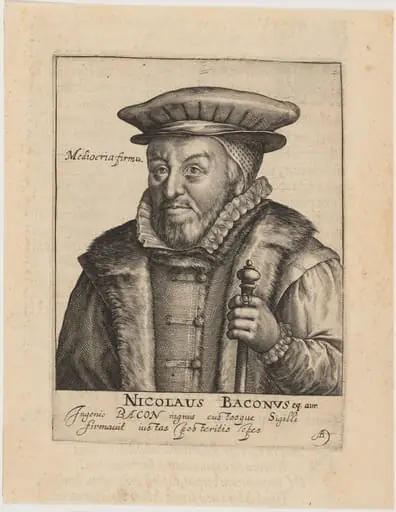 Sir Nicholas Bacon, Lord Keeper
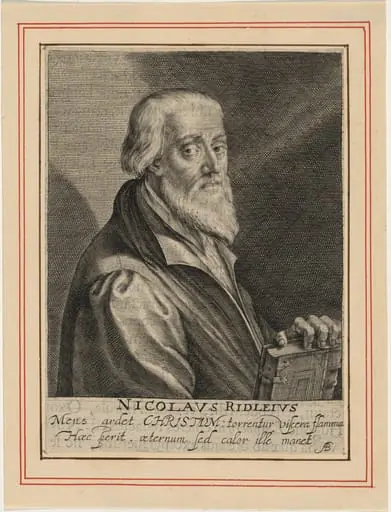 Nicholas Ridley, Bishop of London, Protestant Martyr
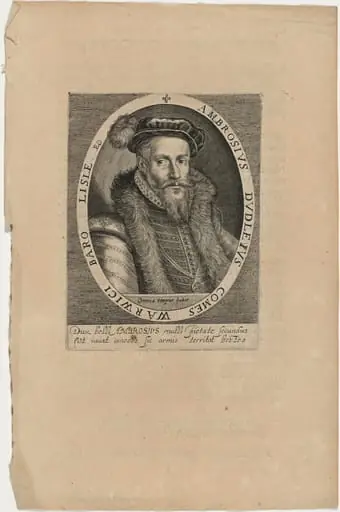 Ambrose Dudley, Earl of Warwick