Artwork
Lucia Harrington, Countess of Bedford
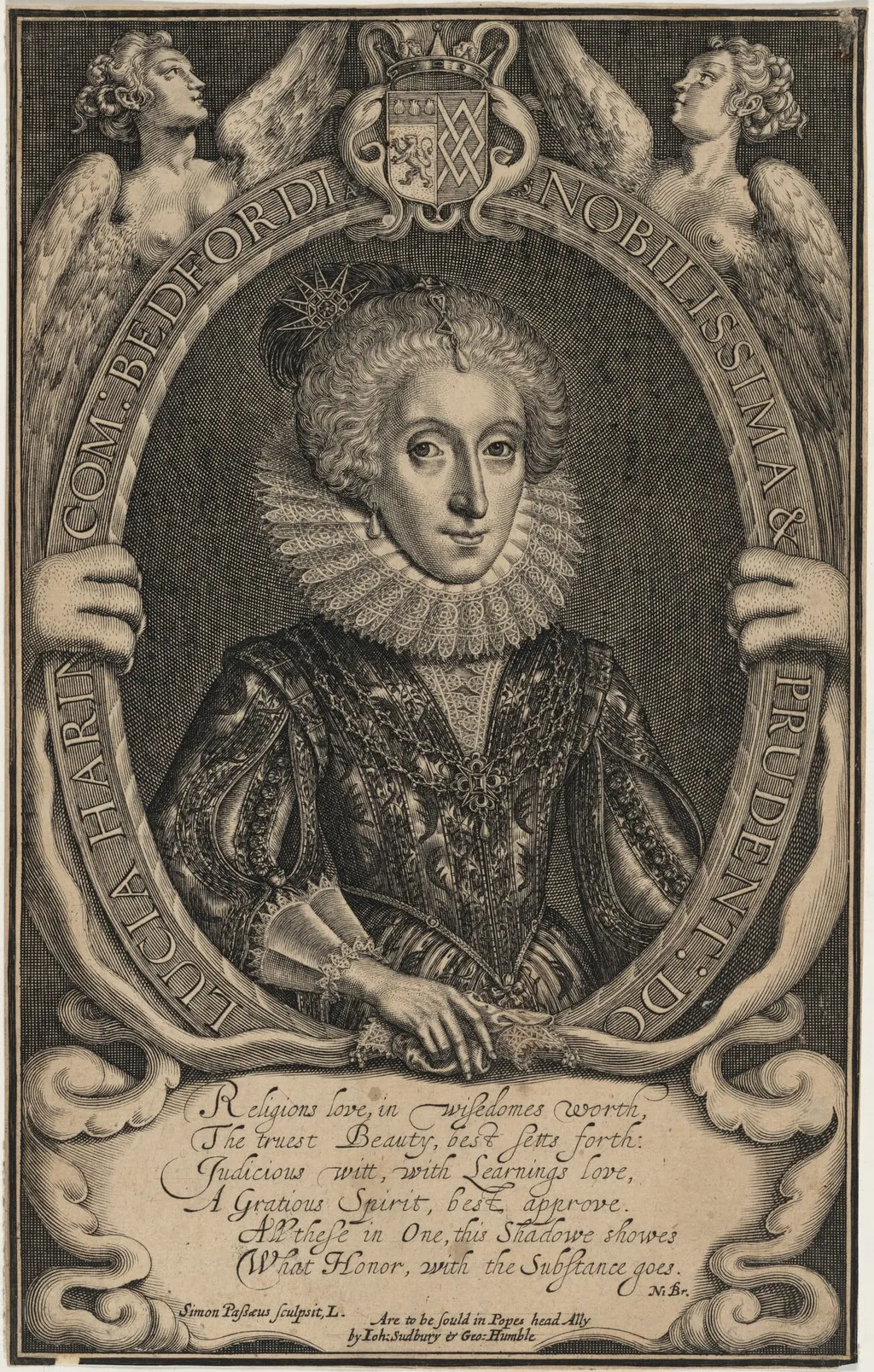
Lucia Harrington, Countess of Bedford is an ink print by the Renaissance artist Simon van de Passe. It dates from 1621 and is held in the collection of the National Gallery of Art.
About this work
Overview
Simon van de Passe’s 1621 engraving depicts Lucia Harrington, Countess of Bedford, in a formal portrait. Rendered entirely in black and white, the image presents the countess with a high ruff collar, lace cuffs, and an elaborate decorative frame that includes two cherubic figures bearing a crown and a shield.
Subject & Meaning
The composition emphasizes the countess’s aristocratic rank through the heraldic symbols of crown and shield, while surrounding scrolls enumerate virtues such as Beauty, Wisdom, and Pride. A short poem placed beneath the portrait extols her moral qualities, indicating the work was intended as a celebratory tribute to her character as well as her status.
Technique & Style
Van de Passe employs fine cross‑hatching to achieve tonal variation and texture across the figure’s clothing, skin, and background. The engraving’s linear precision and delicate shading are characteristic of early‑17th‑century printmaking, allowing intricate details to be reproduced in multiple copies.
History & Provenance
Created in 1621, the print was likely commissioned to mark a specific event in the countess’s life, such as a marriage or anniversary, though the exact occasion is not recorded. It entered the collections of several English aristocratic families before being acquired by a museum in the late 20th century.
Context
The work belongs to a period when portrait engravings served both as personal commemorations and as means of disseminating the likenesses of the nobility. Van de Passe, a prominent Dutch engraver working in England, frequently produced such images for the English court and its affiliates.
Artist & collection

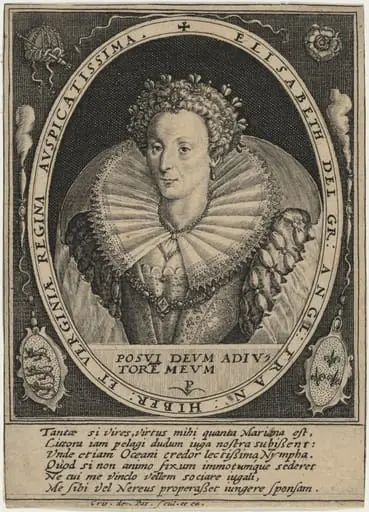 Elizabeth, Queen of England
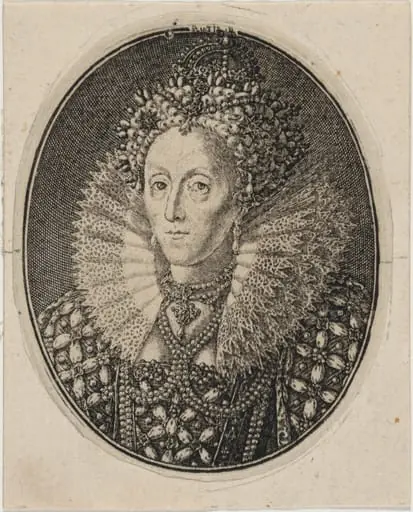 Elizabeth, Queen of England
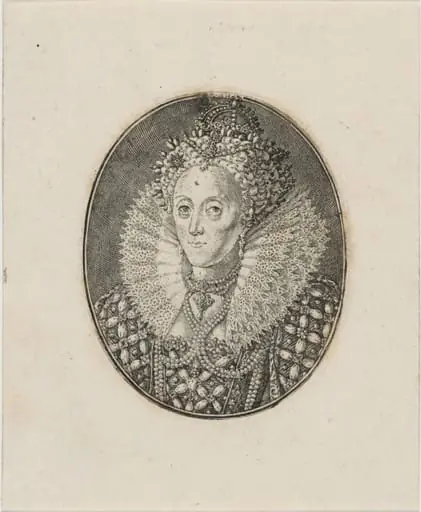 Elizabeth, Queen of England
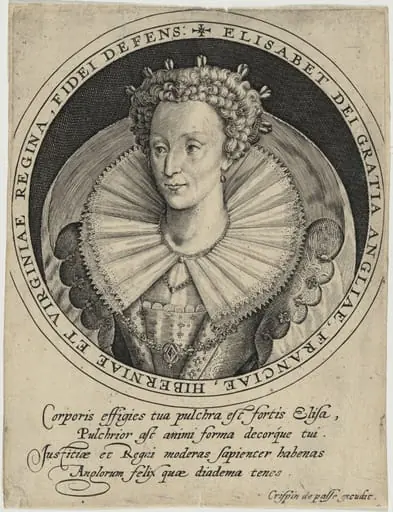 Elizabeth, Queen of England
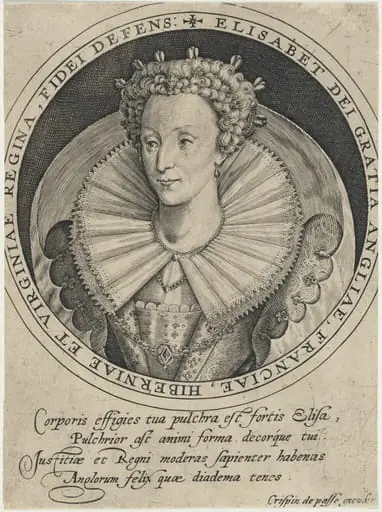 Elizabeth, Queen of England
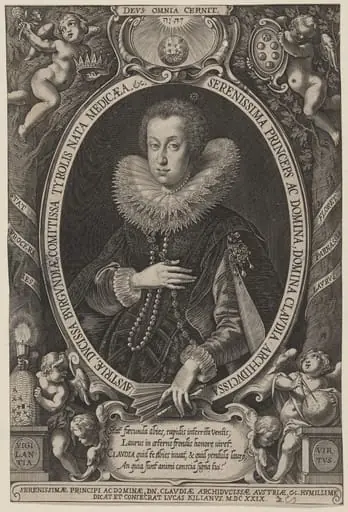 Claudia de Medici, Wife of Leopold of Austrian Tyrol
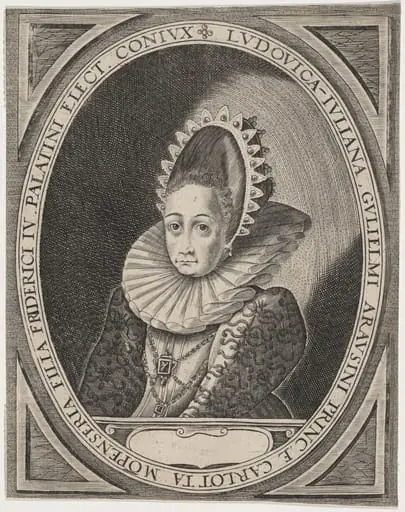 Louise Juliana, Wife of Frederick IV
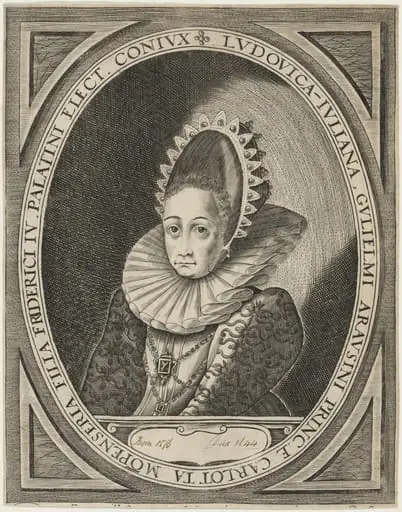 Louise Juliana, Wife of Frederick IV
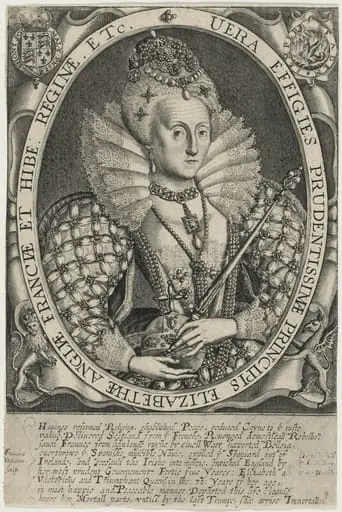 Elizabetha Anglia et Francae et Hibe. Reginae(Queen Elizabeth)
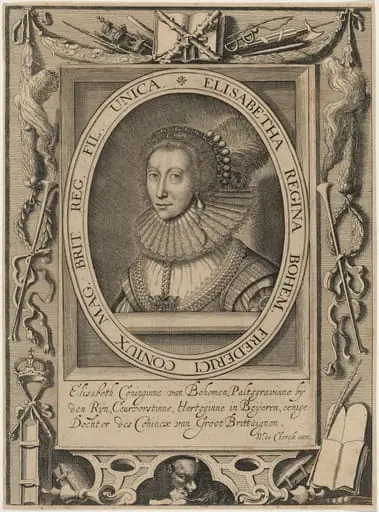 Elizabeth, Queen of Bohemia