Artwork
Sir Nicholas Bacon, Lord Keeper
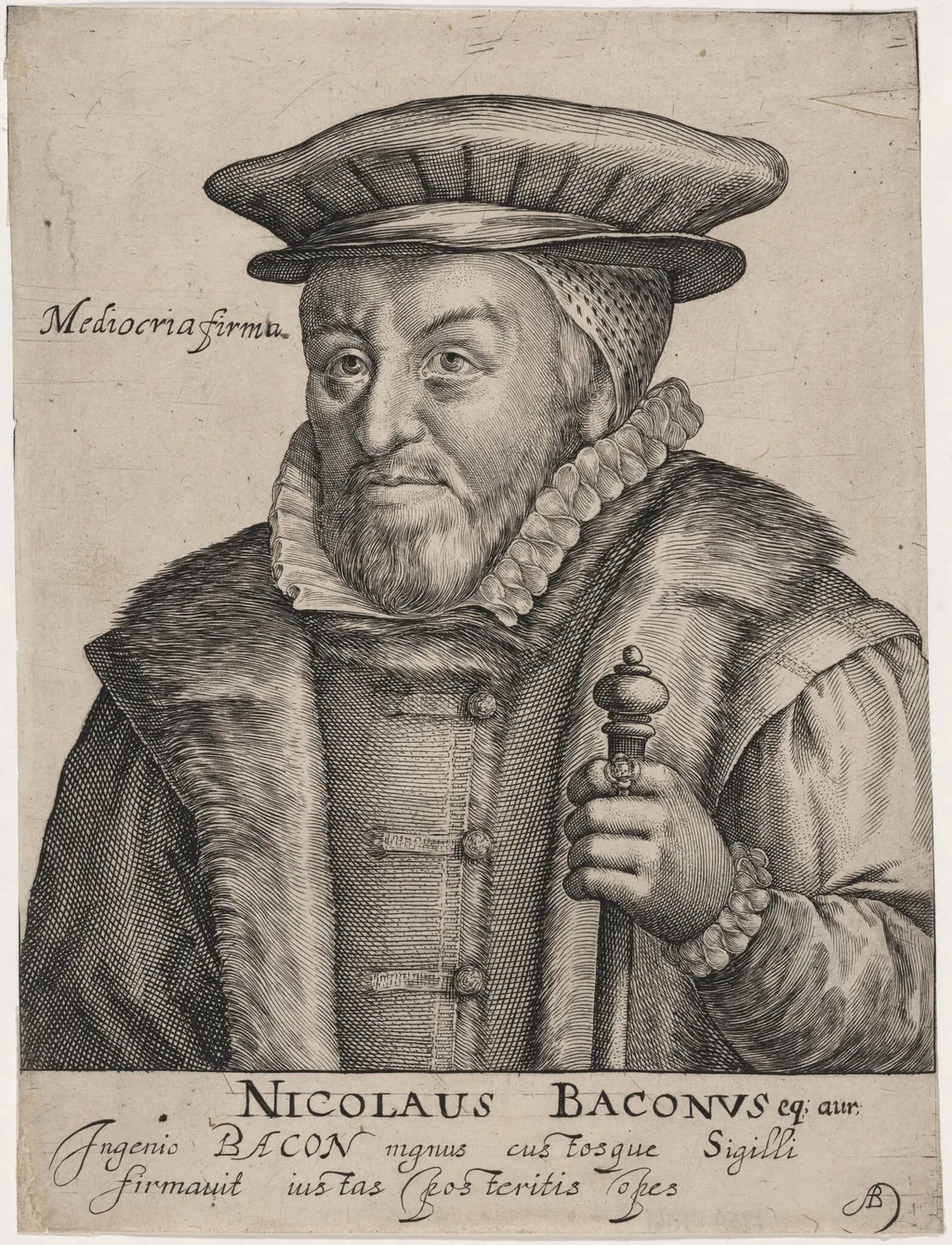
Sir Nicholas Bacon, Lord Keeper is an ink print by the Baroque artist Willem de Passe. It dates from 1620 and is held in the collection of the National Gallery of Art.
About this work
Overview
This 1620 engraving by Willem de Passe depicts Sir Nicholas Bacon, who served as Lord Keeper of the Great Seal under Queen Elizabeth I.
This 1620 engraving by Willem de Passe depicts Sir Nicholas Bacon, who served as Lord Keeper of the Great Seal under Queen Elizabeth I. Executed in fine line work typical of early 17th-century printmaking, the portrait captures Bacon in formal attire, conveying his high office through regulated composition and restrained detail. The medium allowed for wide distribution, reinforcing his public image among legal and political circles.
Subject & Meaning
Sir Nicholas Bacon is portrayed with a solemn gaze and upright posture, emphasizing his role as a custodian of royal authority. The fur-trimmed coat and scepter signify his judicial rank and proximity to the crown. The absence of ornate background or symbolic props directs focus to his dignified bearing, reflecting the values of duty and gravitas expected of senior state officials in Tudor and early Stuart England.
Technique & Style
De Passe employed fine, precise etching lines to render texture in fabric, hair, and the scepter’s surface. The contrast between light and shadow, achieved through controlled hatching, lends volume without dramatic chiaroscuro. The style aligns with Northern European portraiture of the period, prioritizing clarity and likeness over expressive flourish, characteristic of professional engravers serving aristocratic patrons.
History & Provenance
Created shortly after Bacon’s death in 1579, the engraving was likely commissioned by his family or associates to preserve his legacy. De Passe, a Dutch artist active in England, produced numerous portraits of English elites during his tenure at the court of James I. This print circulated among legal institutions and private collections, establishing a visual record of Tudor governance.
Context
As Lord Keeper, Bacon was instrumental in administering the Great Seal and advising the monarchy during a period of religious and political consolidation. His portrait reflects the era’s emphasis on institutional authority and the visual codification of power. Engravings like this served as tools of political memory, circulating among elites who valued lineage and bureaucratic continuity.
Legacy
The engraving remains a key visual document of Tudor administrative figures, frequently referenced in historical studies of Elizabethan governance. While not widely exhibited today, it endures in institutional archives and print collections as an example of how portraiture reinforced state identity in the absence of photography. De Passe’s work helped standardize the iconography of English officeholders for generations.
Artist & collection

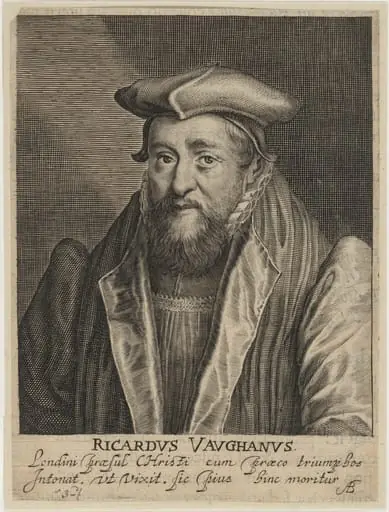 Richard Vaughan, Bishop of London
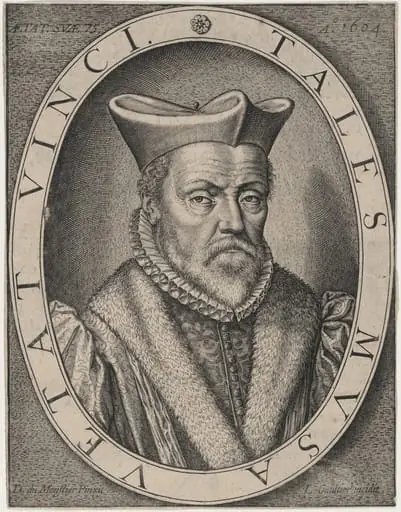 M. de Cheval
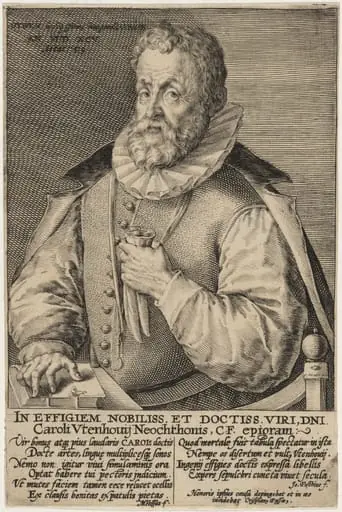 Carolus van Utenhoven
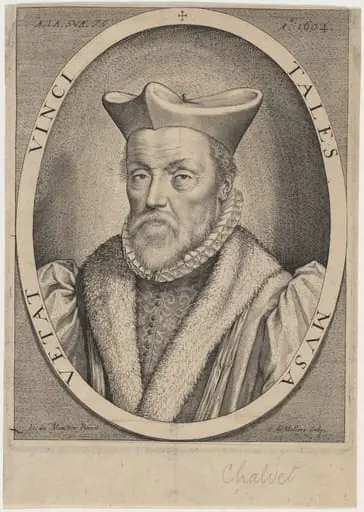 M. de Chalvel
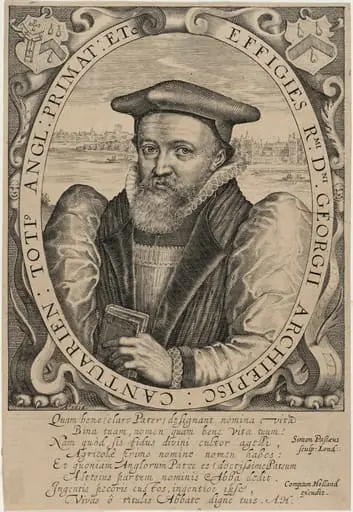 Abbot George, Archbishop of Canterbury
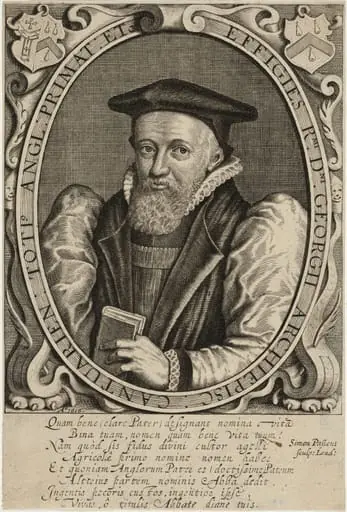 Abbot George, Archbishop of Canterbury
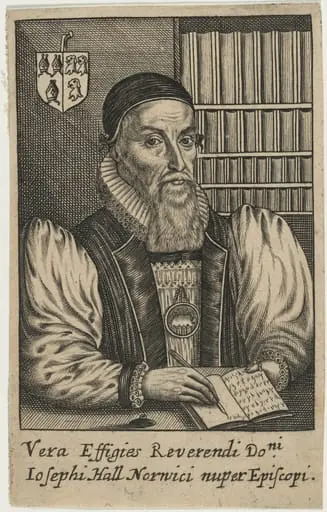 Joseph Hall, Bishop of Norwich
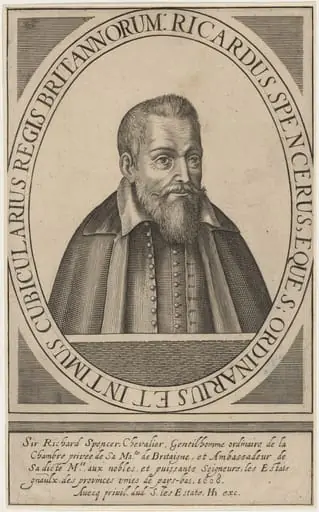 Sir Richard Spencer, Ambassador to Holland
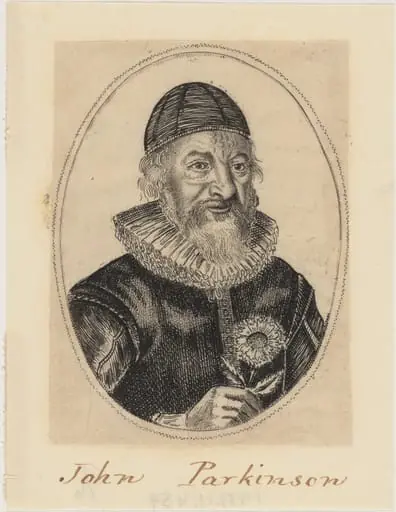 John Parkinson, Apothecary and Herbalist to James I
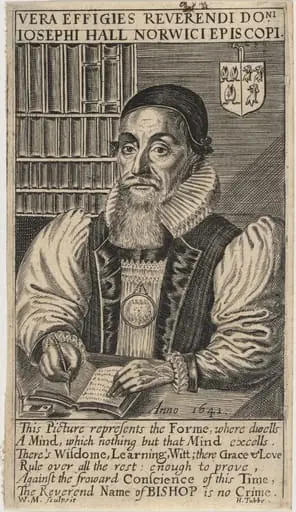 Joseph Hall, Bishop of Norwich