Artwork
Thomas Sutton, Founder of the Charterhouse
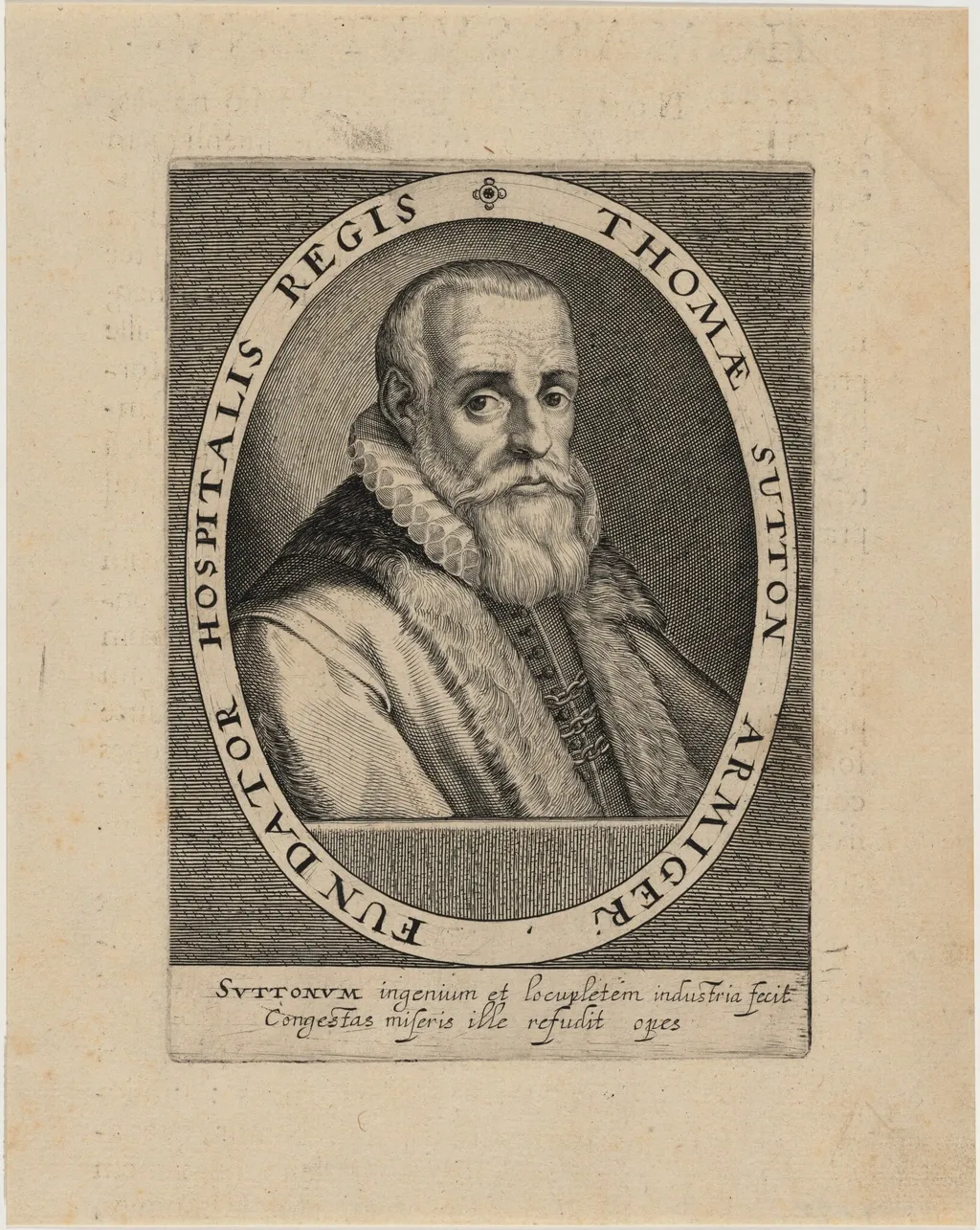
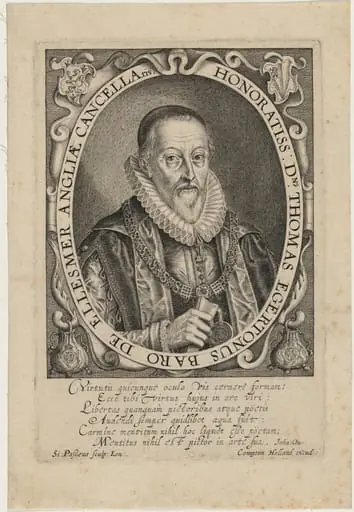
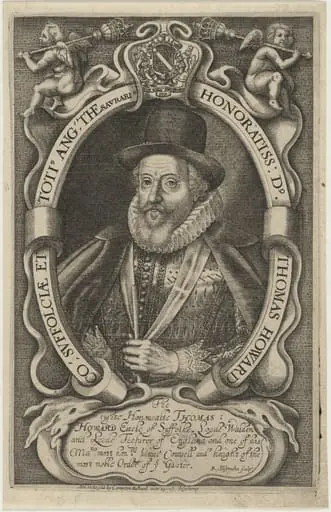
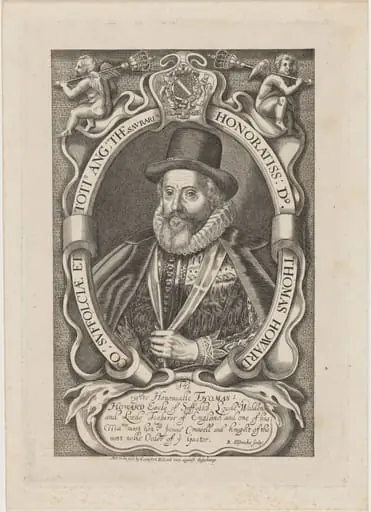
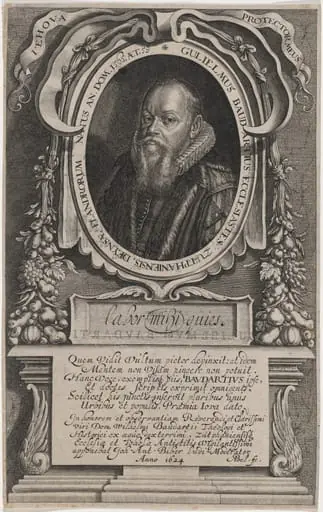
Thomas Sutton, Founder of the Charterhouse is an ink print by the Baroque artist Willem de Passe. It dates from 1620 and is held in the collection of the National Gallery of Art.
About this work
Overview
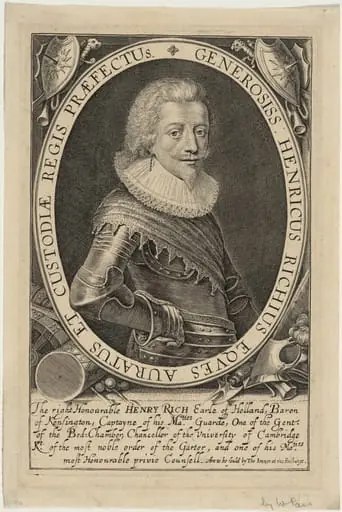
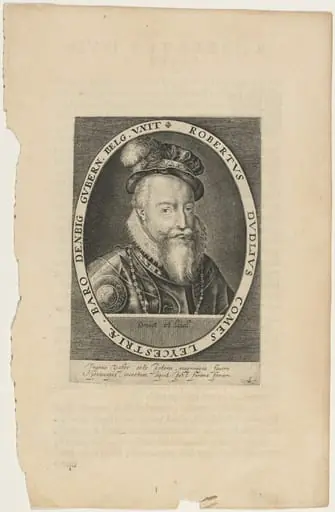
Willem de Passe’s 1620 engraving presents Thomas Sutton, the benefactor who established the Charterhouse. Rendered in black ink, the print depicts an elderly figure with a flowing white beard, set against a plain backdrop and framed by an oval cartouche bearing a Latin dedication. The portrait conveys Sutton’s stature through formal attire and a decorative chain, emphasizing his public role.
Subject & Meaning
The sitter is identified as Thomas Sutton, whose endowment created the charitable institution known as the Charterhouse. The Latin inscription below praises his ingenuity and industriousness, underscoring the virtues associated with his philanthropic legacy. By highlighting his age and dignified bearing, the image reinforces the notion of a wise, seasoned patron of education and charity.
Technique & Style
De Passe employs fine cross‑hatching and delicate line work to render the texture of Sutton’s fur‑trimmed robe and the intricate folds of his beard. The precise incisions in the copper plate allow subtle gradations of tone, while the ornamental oval border frames the figure with a classical touch typical of early‑17th‑century portrait engravings.
History & Provenance
Created in 1620, the engraving was likely produced for distribution among patrons and affiliates of the Charterhouse. Copies of the print have appeared in early catalogues of the de Passe workshop and survive in several European print collections, attesting to its circulation as a commemorative image of Sutton’s benefaction.
Context
The portrait belongs to a period when engravings served both documentary and propagandistic functions, memorialising benefactors of charitable foundations. De Passe, a prominent Dutch engraver active in England, frequently rendered likenesses of notable figures, situating Sutton within a visual tradition that linked personal virtue with public philanthropy.
Artist & collection