Artwork
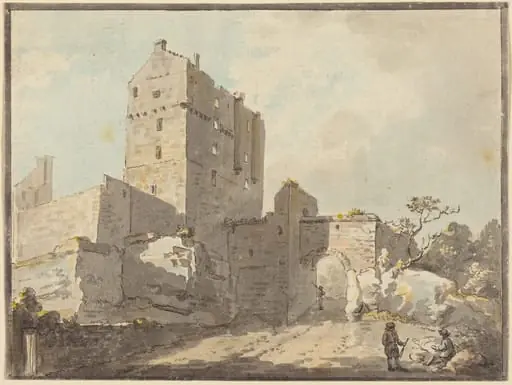
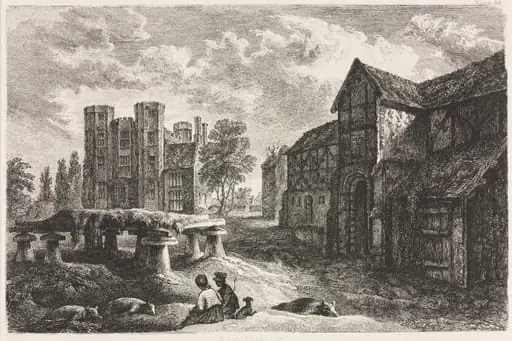
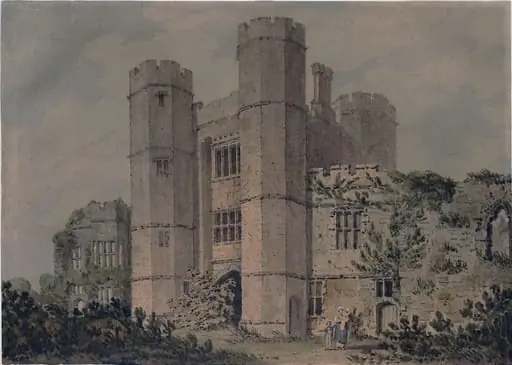
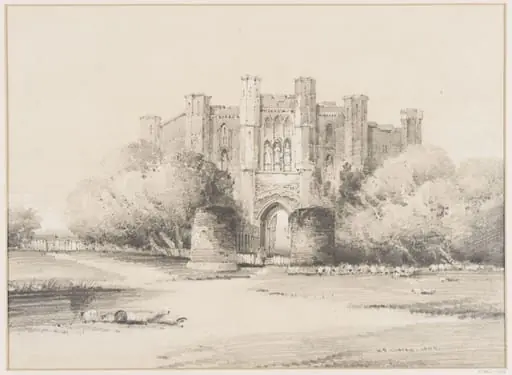
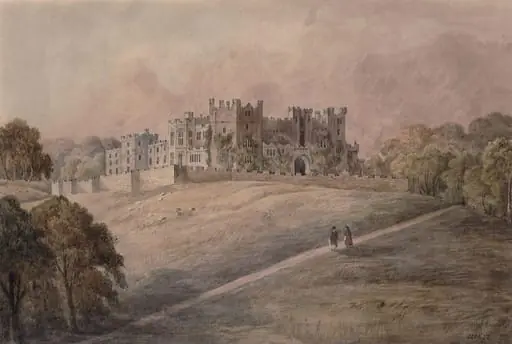
Views of Warwick Castle: The Entrance of Warwick Castle from the Lower Court
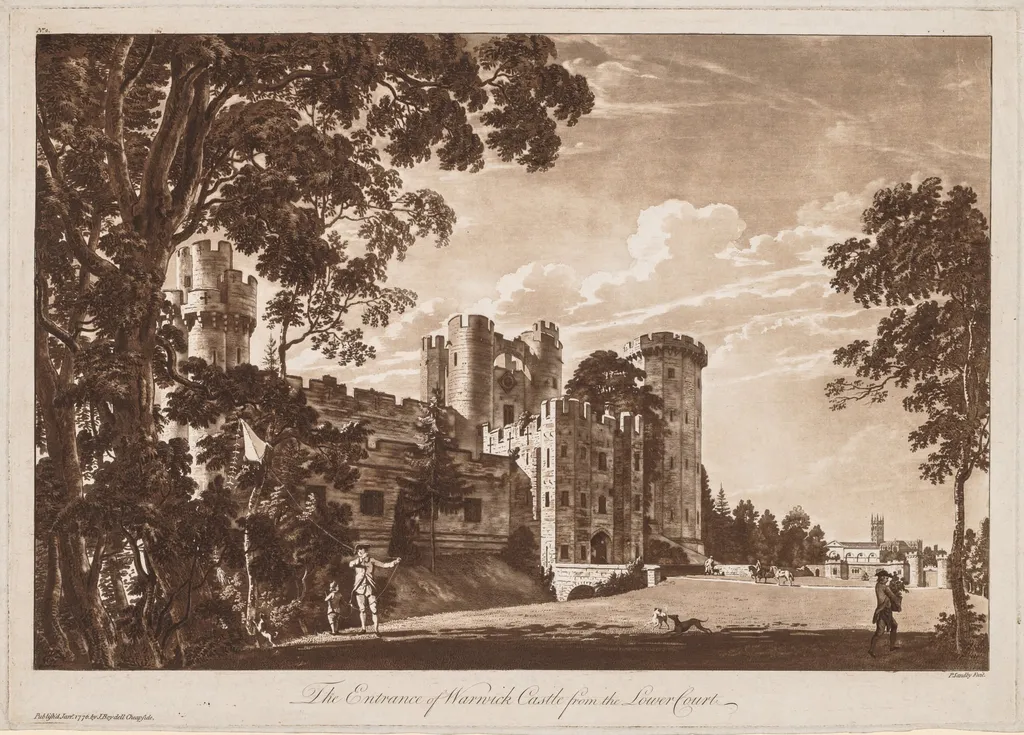
Views of Warwick Castle: The Entrance of Warwick Castle from the Lower Court is a print by the Romanticist artist Paul Sandby. It dates from 1776 and is held in the collection of the Cleveland Museum of Art.
About this work
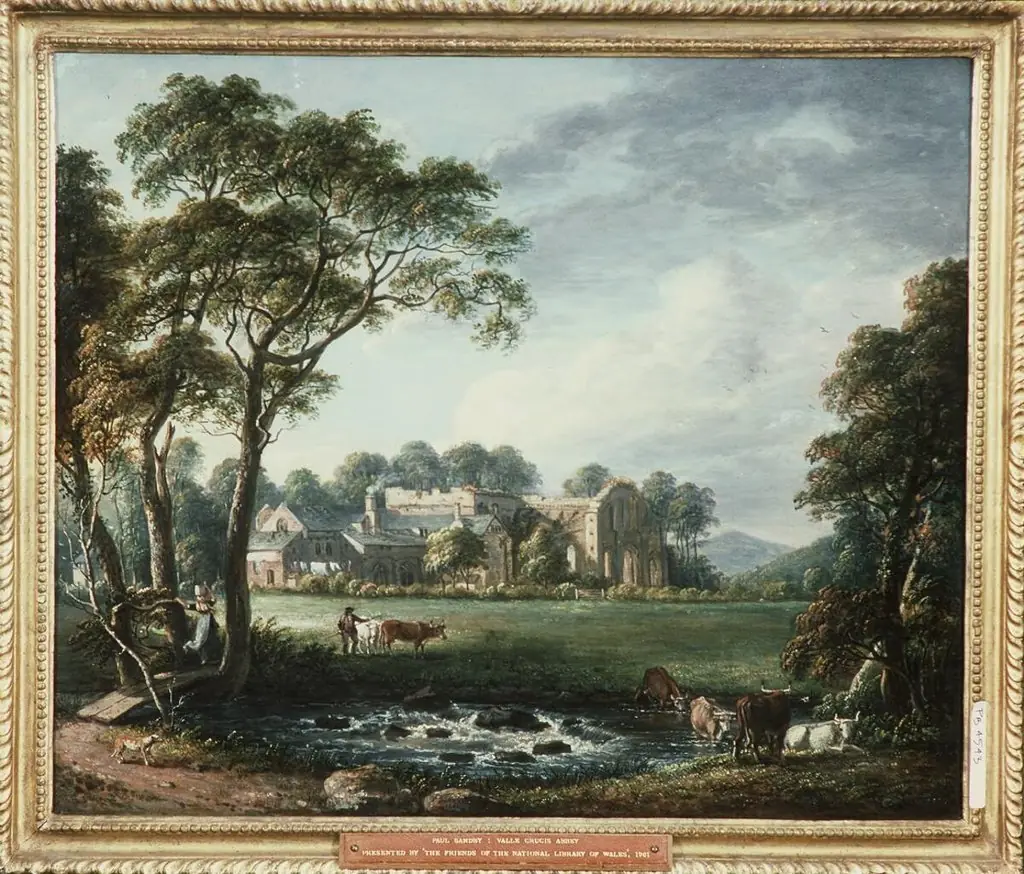
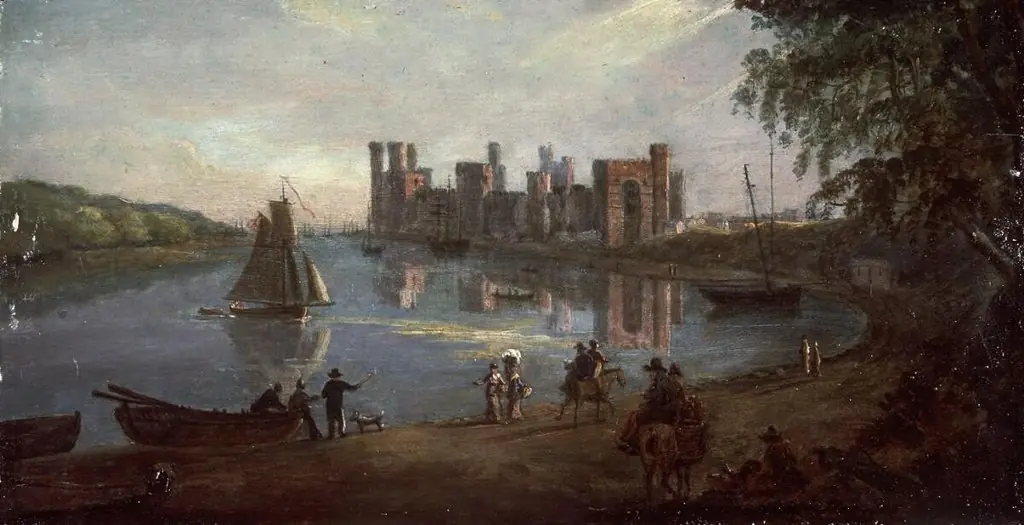
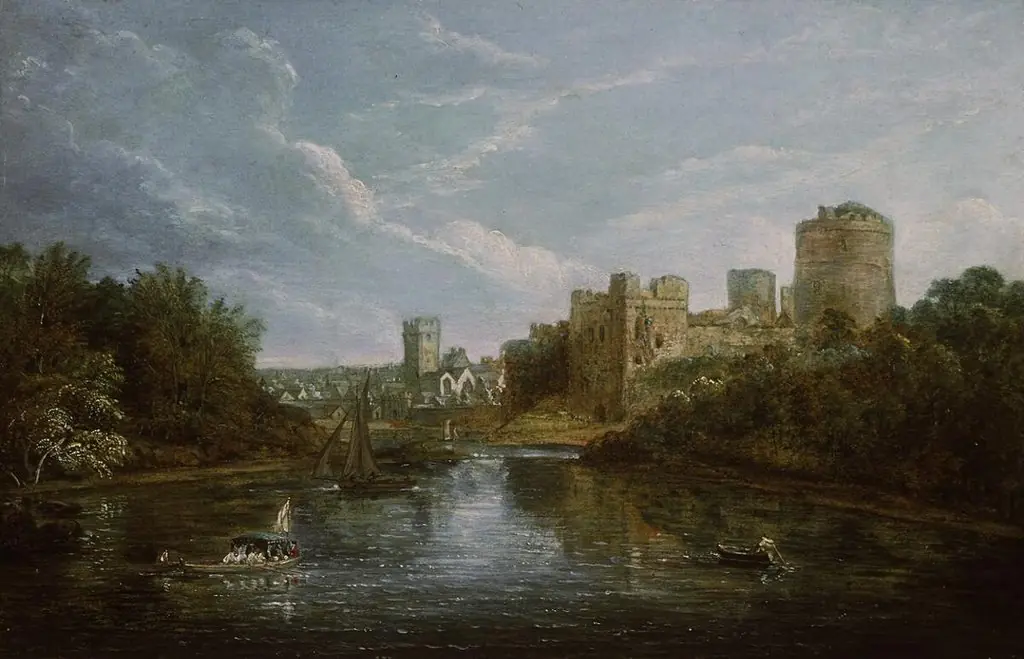
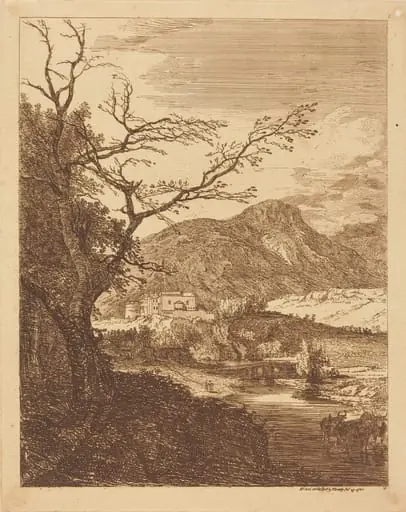
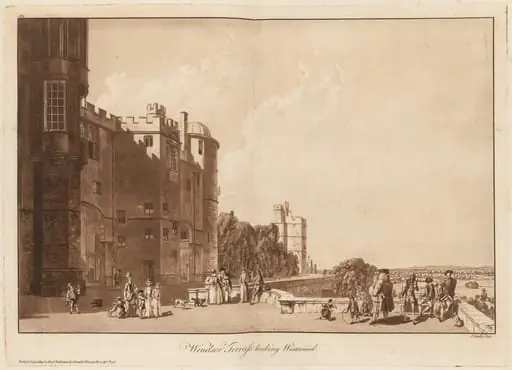
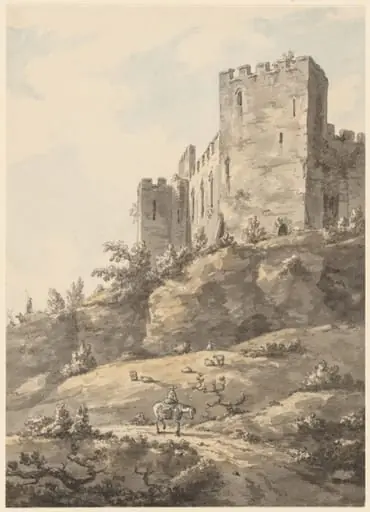
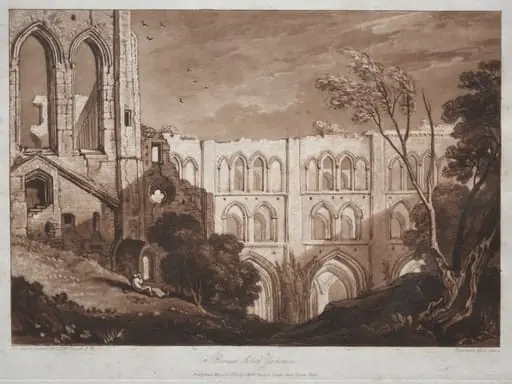
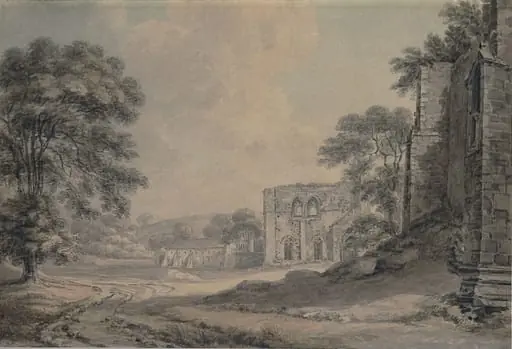
You see a castle entrance with a large gate and trees surrounding it.
The painting shows a quiet moment in time. It's interesting because the artist, Paul Sandby, was known for his landscapes and this painting is a good example of his work.
You can learn more about this style by looking at the work of artist: Paul Sandby (British, 1731–1809)
Overview
Paul Sandby produced this print in 1776 as part of a series documenting Warwick Castle. A founding member of the Royal Academy, Sandby was known for his precise renderings of architecture and landscape. This work belongs to his broader practice of recording English sites with topographical accuracy, blending observational detail with quiet compositional restraint.
Subject & Meaning
The print captures the main entrance to Warwick Castle as seen from the lower court, emphasizing the gatehouse flanked by mature trees. There is no human activity depicted, lending the scene a still, contemplative tone. The focus on architectural form rather than narrative suggests an interest in the castle’s presence as a enduring landmark, not a stage for events.
Technique & Style
Sandby employed watercolor and ink on paper, using fine linework to define the stonework and delicate washes to suggest foliage and atmospheric depth. His method reflects his training as a military surveyor—clear, measured, and attentive to spatial relationships. The composition avoids dramatic lighting, favoring even daylight that enhances structural clarity.
History & Provenance
Created during a period of heightened interest in antiquarian study, the print was likely made for private collectors or as part of a published series. It was not commissioned by the castle’s owners but emerged from Sandby’s personal project to document historic sites across England. Its survival in institutional collections attests to its role in 18th-century topographical documentation.
Context
In the 1770s, British artists increasingly turned to native landscapes and historic buildings as subjects, moving away from idealized classical scenes. Sandby’s work aligned with this shift, contributing to a growing cultural interest in England’s architectural heritage. His prints were among the first to treat such sites with documentary seriousness rather than picturesque embellishment.
Legacy
Sandby’s approach influenced later topographical artists and helped establish landscape as a legitimate field within British art. His precise, unembellished style provided a model for recording architecture without romantic distortion. This print remains a reference point for scholars studying the evolution of British topographical printmaking in the late 18th century.
Artist & collection
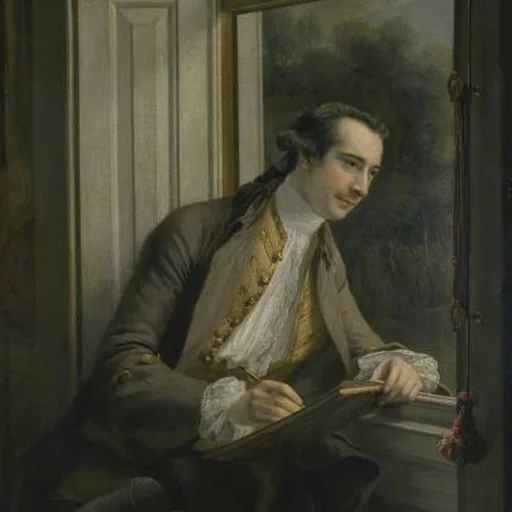
Artist
Paul Sandby, (1731 – 7 November 1809) was an English mapmaker and painter who specialised in landscape art. Along with his older brother Thomas Sandby, he was one of the founding members of the Royal Academy in 1768.