Artwork
Lancelot Andrewes
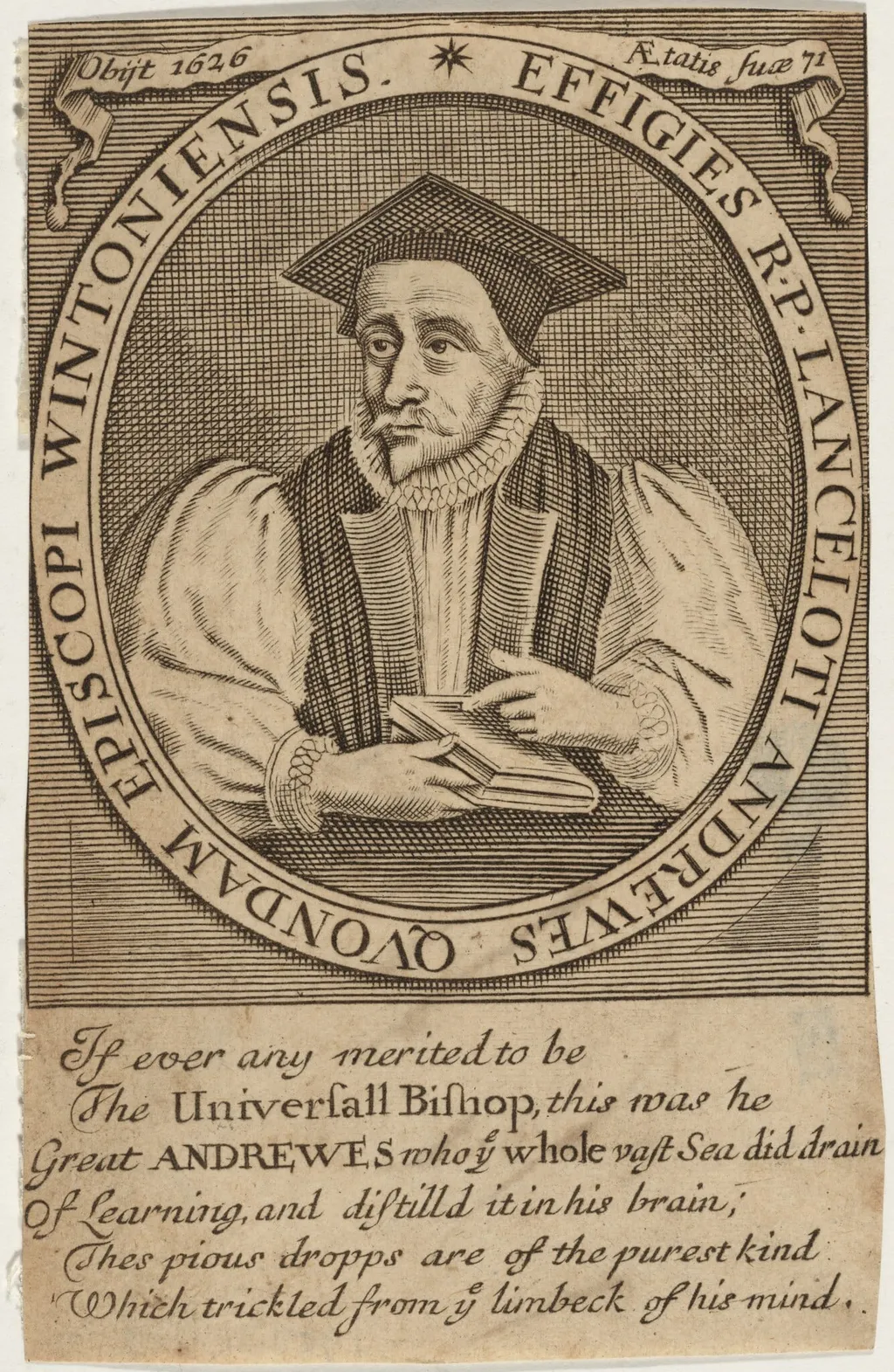
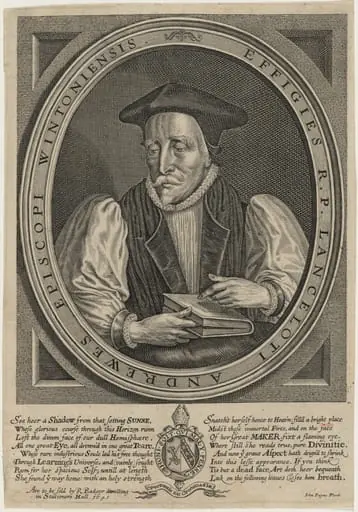
Lancelot Andrewes is an ink print by the Baroque artist John Payne. It dates from 1632 and is held in the collection of the National Gallery of Art.
About this work
This is a black-and-white engraving of a serious-looking man in a large hat and robes. His hands rest on a book, and he has a long beard. The background is a simple oval frame with text around it.
The text calls him "Lancelot Andrewes" and says he died in 1626. His image looks detailed, with lines creating shadows and texture.
Next, look up engraving to see how artists use lines to make depth.
Overview
This 1632 engraving by John Payne depicts Lancelot Andrewes, a prominent English bishop and theologian, in a profile portrait. Characterized by its detailed, black-and-white design, the work features Andrewes in attire indicative of his office, including a large hat, robes, and a long beard, with his hands resting on a book.
Subject & Meaning
Lancelot Andrewes (d. 1626) is portrayed in a manner reflecting his scholarly and religious stature. The inclusion of a book under his hands symbolizes his theological writings and intellectual pursuits, while the overall demeanor conveys seriousness and authority.
Technique & Style
Executed in the engraving medium, the portrait utilizes intricate lines to achieve depth, texture, and shading. The simple oval frame with surrounding text, including the subject's name and year of death, complements the detailed central image, exemplifying early 17th-century English printmaking techniques.
History & Provenance
Created by John Payne, an esteemed English engraver of the period, during the reign of Charles I, this work represents one of the notable early engravings by a native English artist of the time. The engraving postdates Andrewes' death by six years.
Context
The engraving reflects the growing significance of printmaking in early 17th-century England, a medium increasingly valued for disseminating images of notable figures like Andrewes.
Legacy
As one of the finest early engravings by a native English artist, Payne's work on Andrewes contributes to the historical record of English ecclesiastical figures and the development of English printmaking during this period.
Artist & collection
Artist
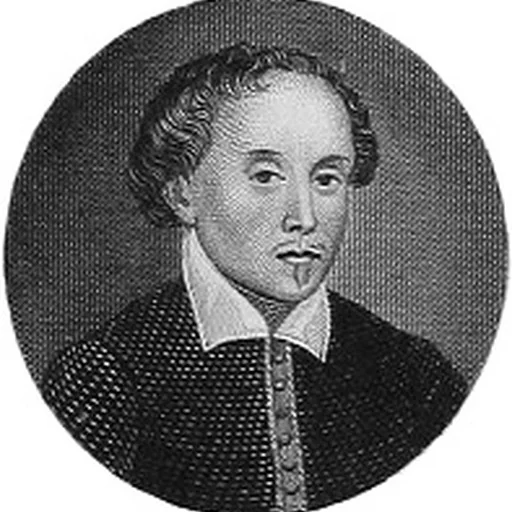
John Payne (1607–1647) was an English engraver, who was one of the earliest exponents of the art of engraving in England. His best work was the finest produced by a native-born engraver working during the reign of Charles I.

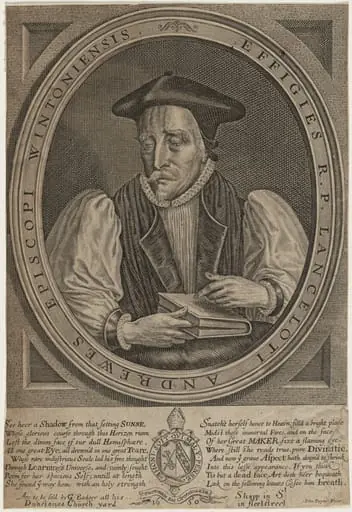
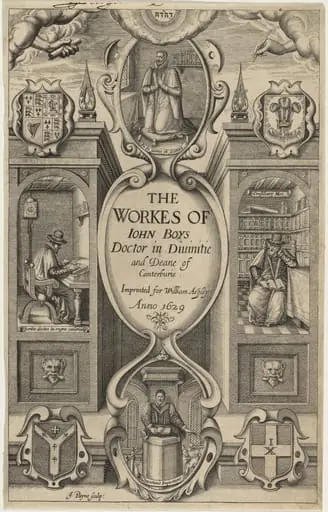
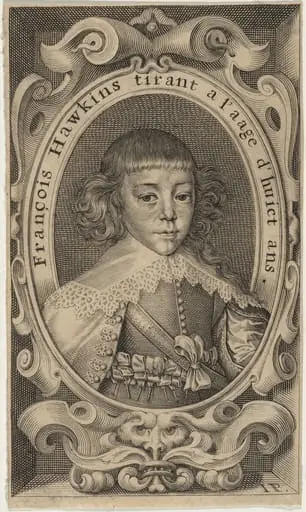
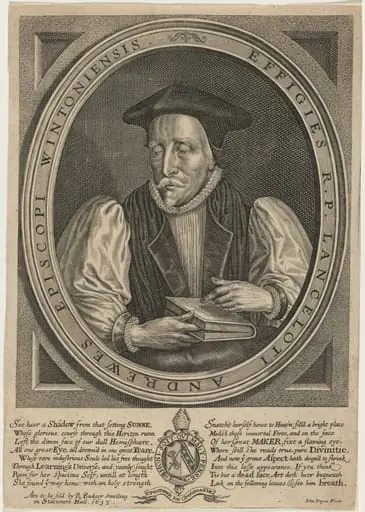 Lancelot Andrewes
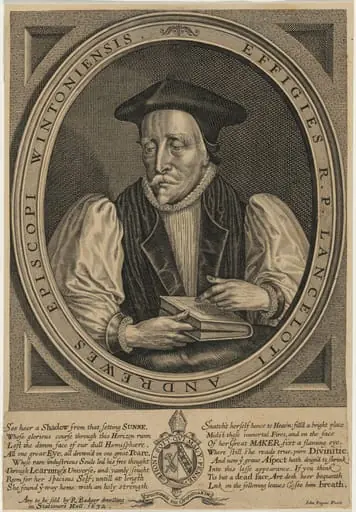 Lancelot Andrewes, Bishop of Winchester
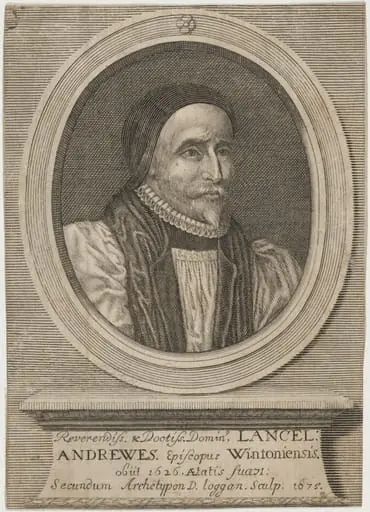 Lancelot Andrewes, Bishop of Winchester
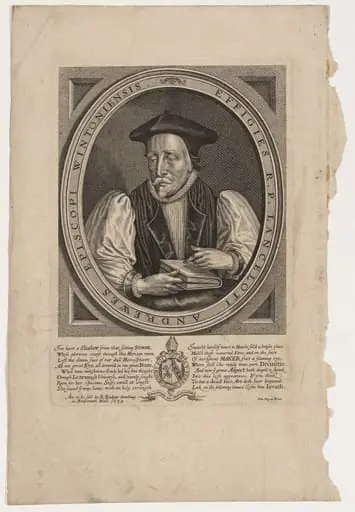 Lancelot Andrewes, Bishop of Winchester
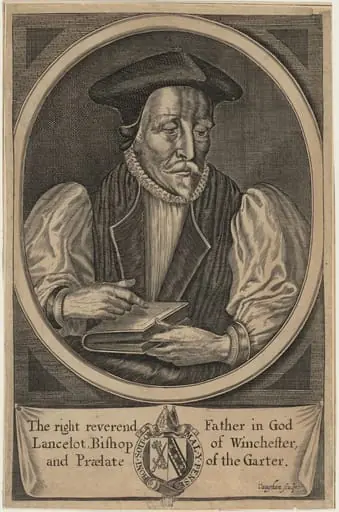 Lancelot Andrewes, Bishop of Winchester
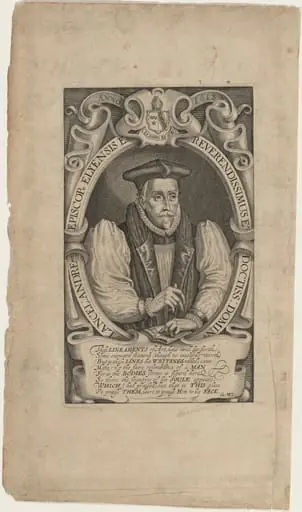 Lancelot Andrews, Bishop of Ely and Winchester
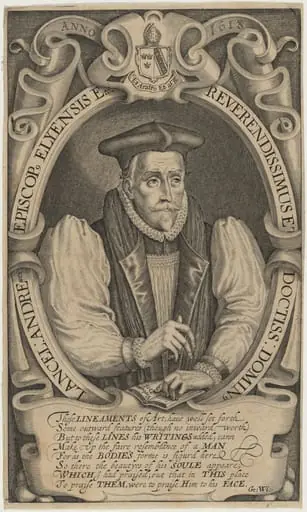 Lancelot Andrewes, Bishop of Winchester
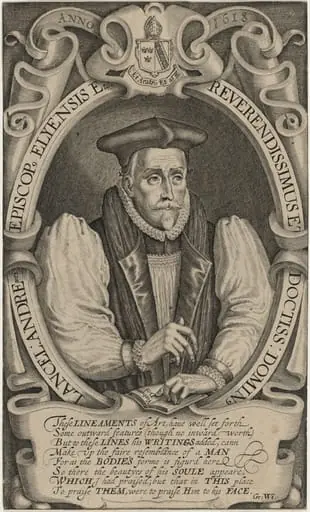 Lancelot Andrews, Bishop of Ely and Winchester