Artwork
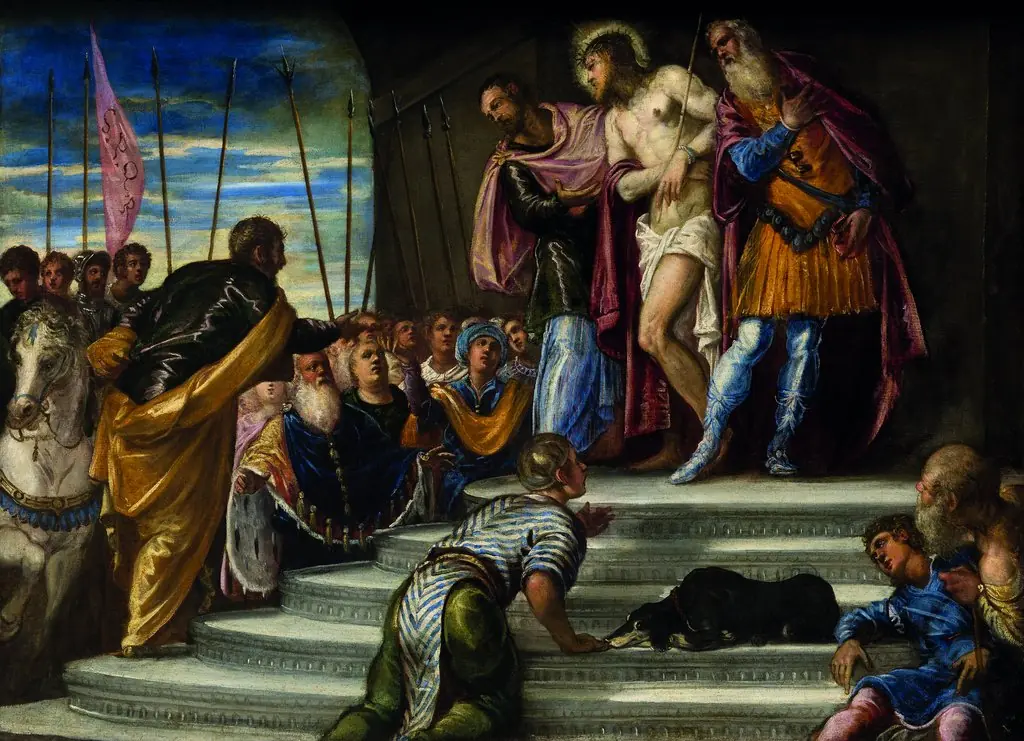
Ecce Homo
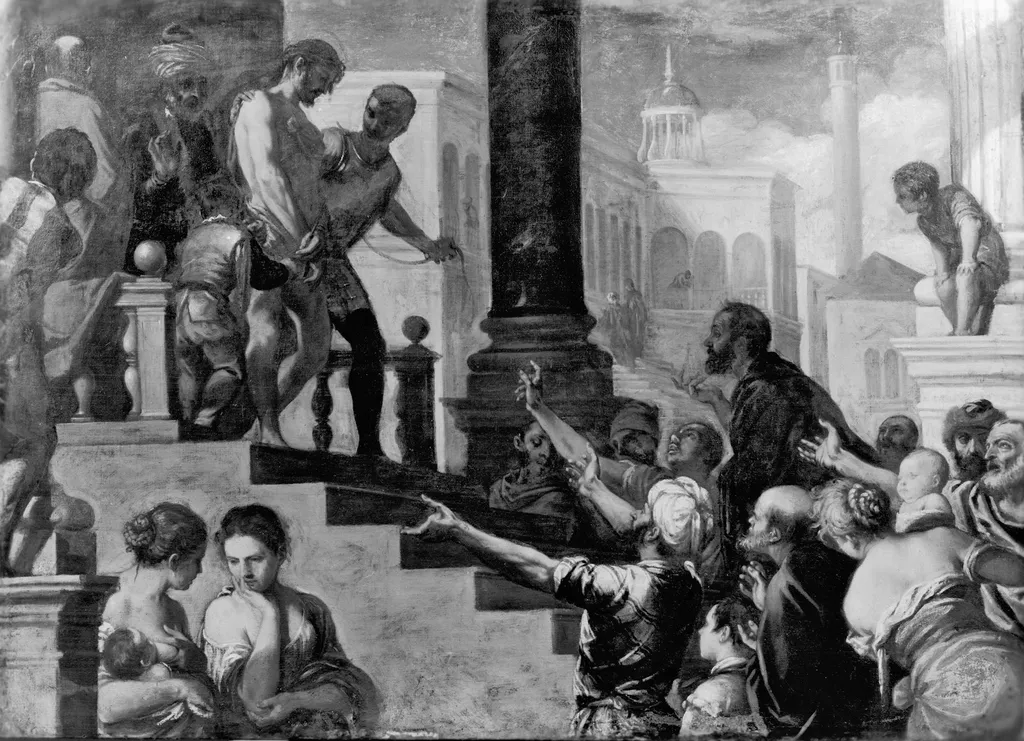
Ecce Homo is an oil painting by the Early Baroque Italian artist Pedro Orrente. It dates from 1610 and is held in the collection of the Walters Art Museum.
About this work
Overview
Pedro Orrente’s 1610 oil painting *Ecce Homo* presents a solemn biblical episode. Central to the composition is the figure of Christ, bound and crowned with thorns, standing on a modest platform while surrounded by an attentive crowd. The scene unfolds beneath a cloudy sky and architectural elements that frame the narrative, inviting contemplation of the moment’s gravity.
Subject & Meaning
The work visualizes the moment when Pontius Pilate presents a scourged Jesus to the assembled onlookers, a traditional subject known as ‘Ecce Homo.’ Orrente emphasizes the emotional weight of the event through the varied expressions of the surrounding figures, ranging from sorrow to uneasy curiosity, thereby underscoring themes of suffering, judgment, and human response to divine sacrifice.
Technique & Style
Orrente employs a naturalistic Baroque sensibility, using chiaroscuro to model forms and create depth. Light falls on Christ’s white robe, contrasting with the darker masses of the crowd, while the muted palette and soft modeling of the background architecture enhance the painting’s reflective tone. The brushwork balances detail in the figures with broader atmospheric effects.
History & Provenance
Created in the early seventeenth century, the painting entered the collection of the Walters Art Museum, where it remains on display. Its provenance traces back to Spanish Baroque circles, reflecting Orrente’s reputation for integrating realistic observation with religious narrative, a hallmark of his oeuvre during the period.
Own this work as a print
Artist & collection
Artist
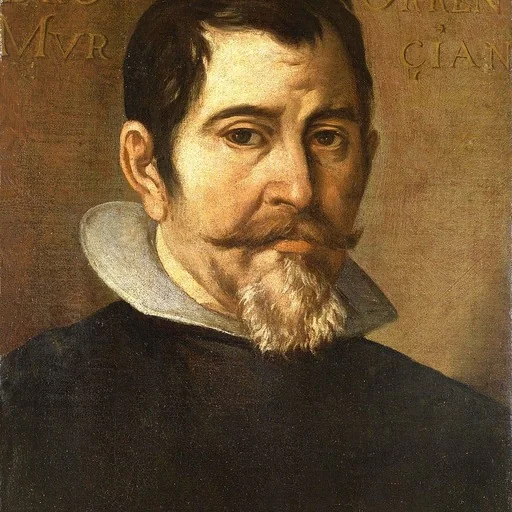
Pedro de Orrente (April 1580 – 19 January 1645) was a Spanish painter of the early Baroque period. He became one of the first artists in that part of Spain to paint in a Naturalistic style.

 Ecce Homo
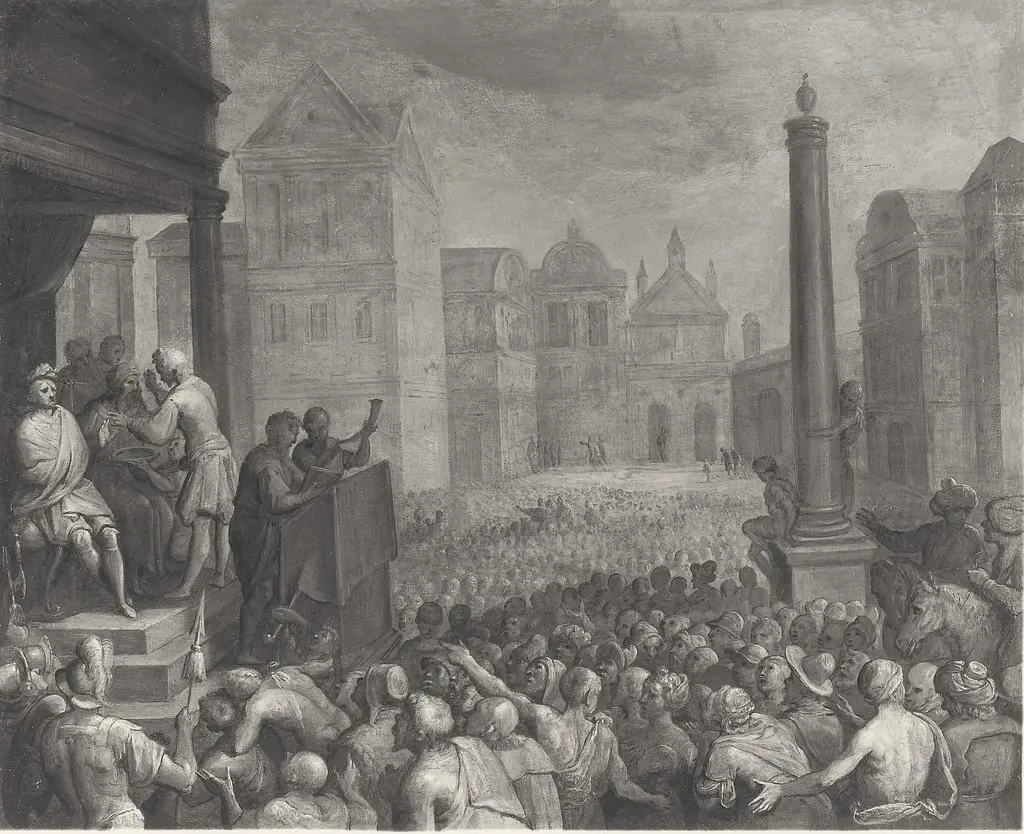 The Judgement of Zaleucus
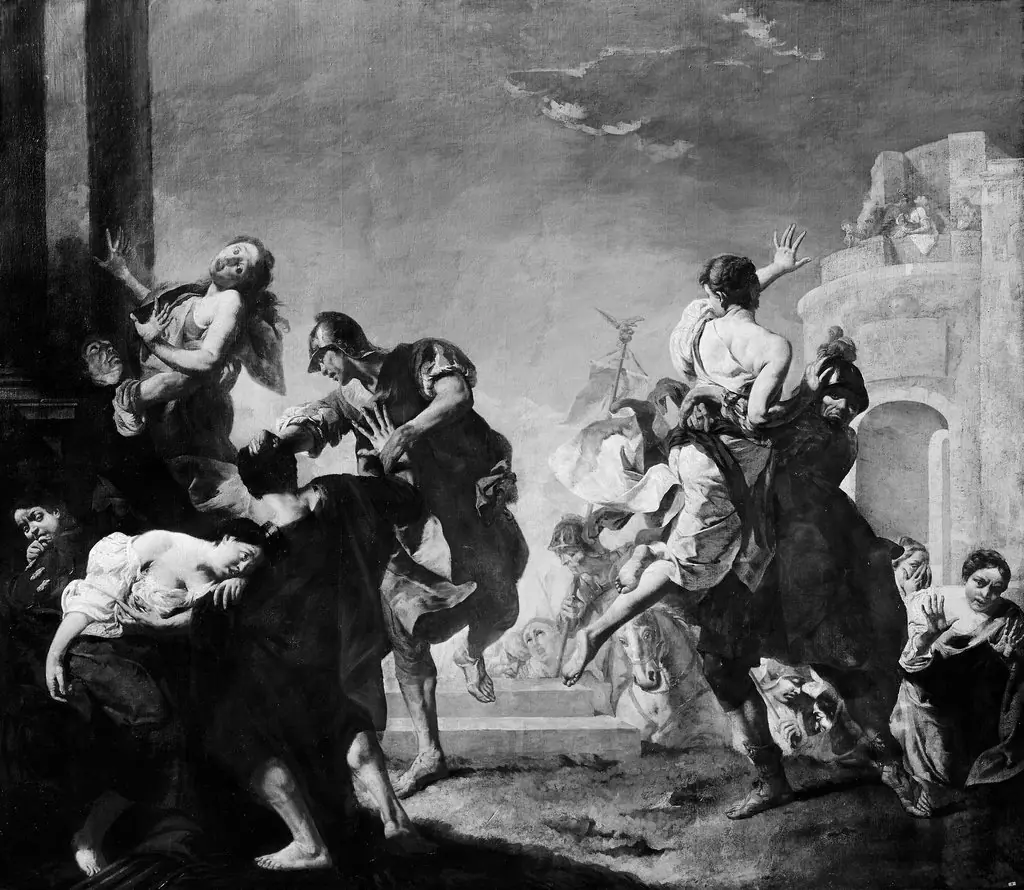 Rape of the Sabines
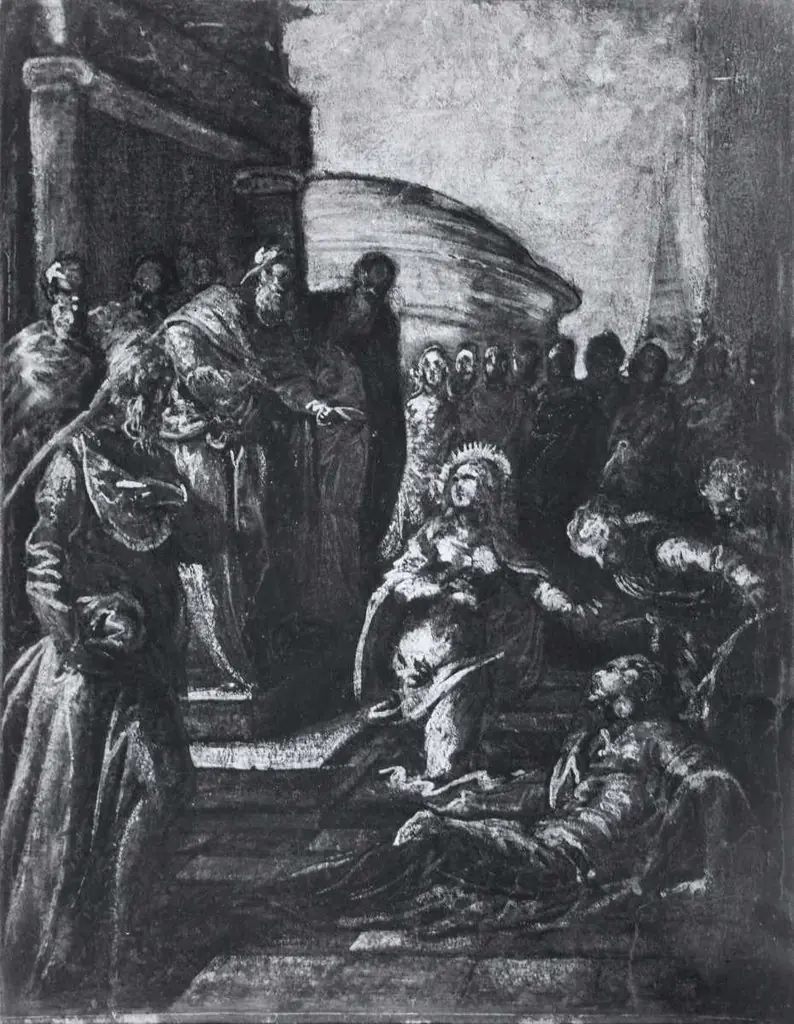 Die Heilige Agnes erweckt Licinius
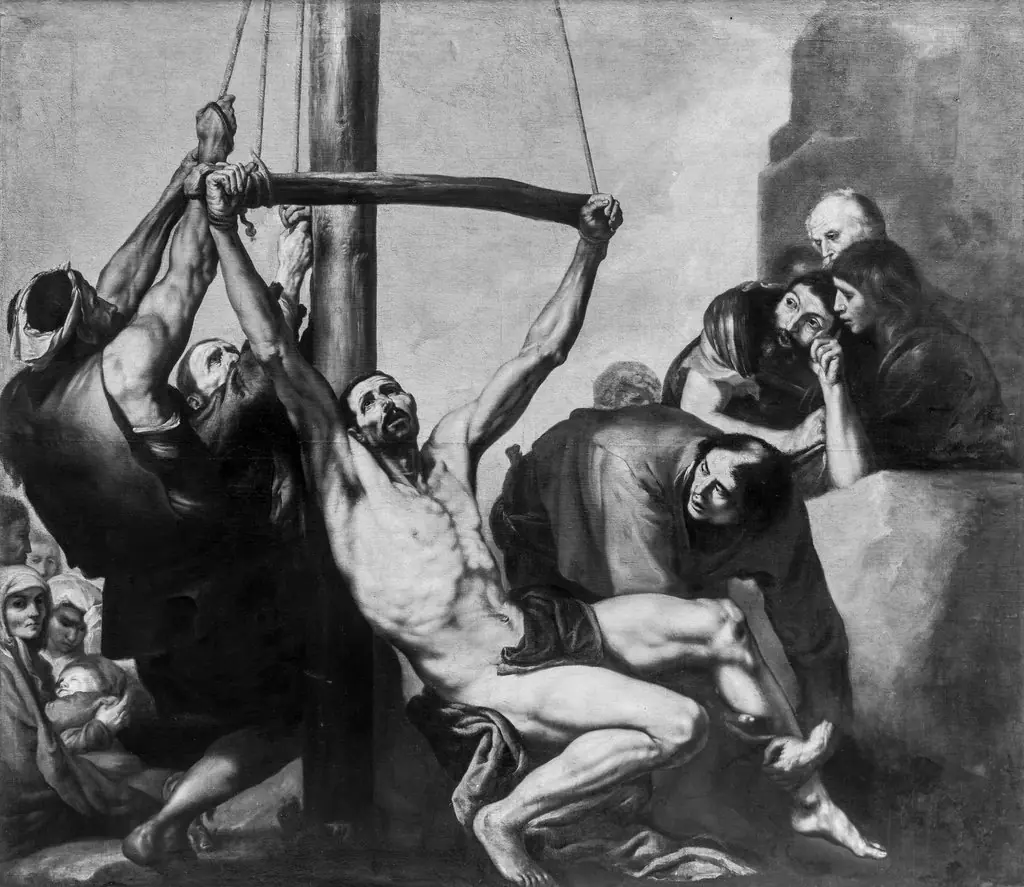 The Martyrdom of Saint Bartholomew
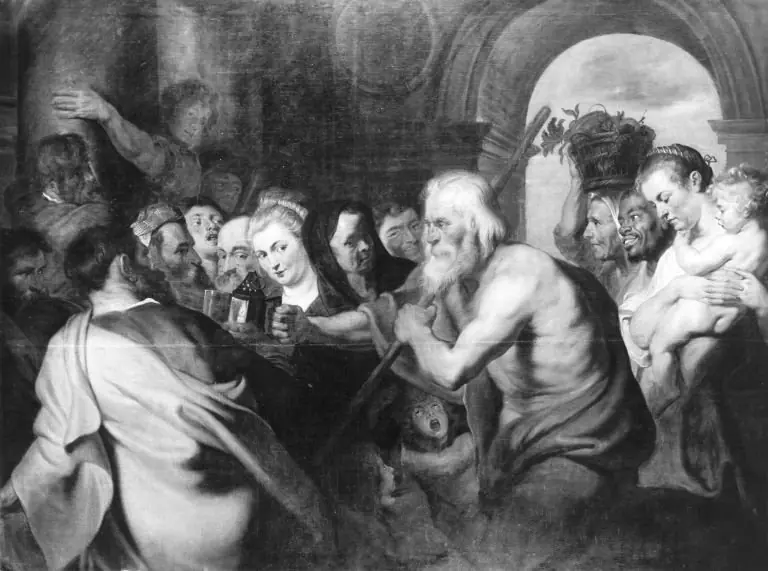 Diogenes seeking a True Man
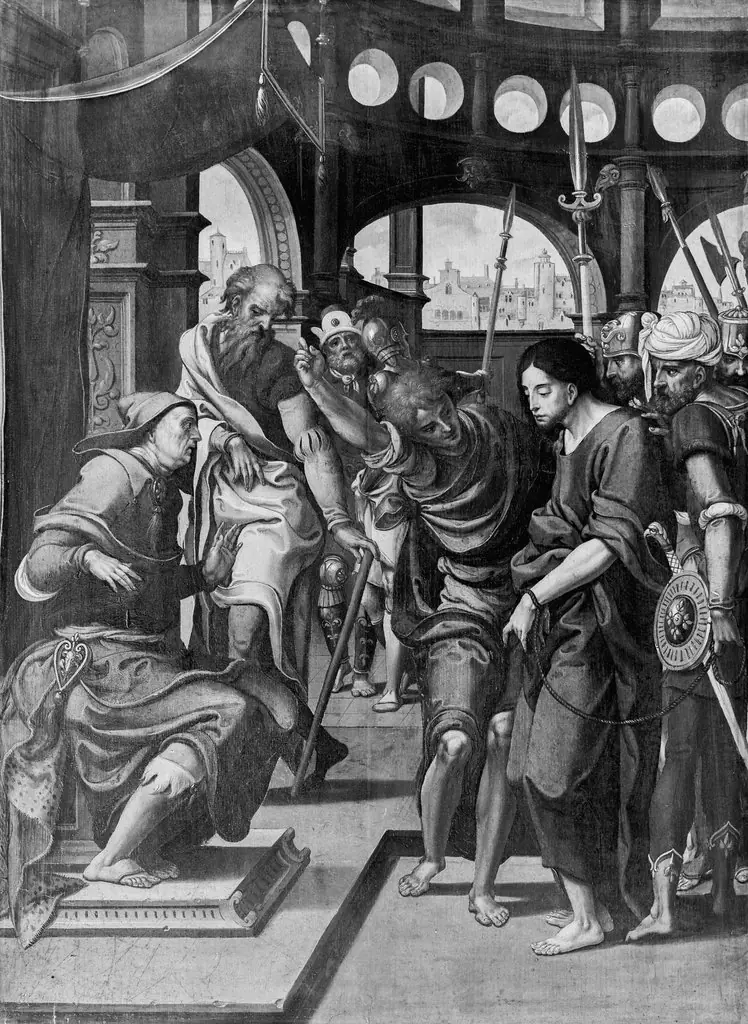 Christ in front of Kaiphas
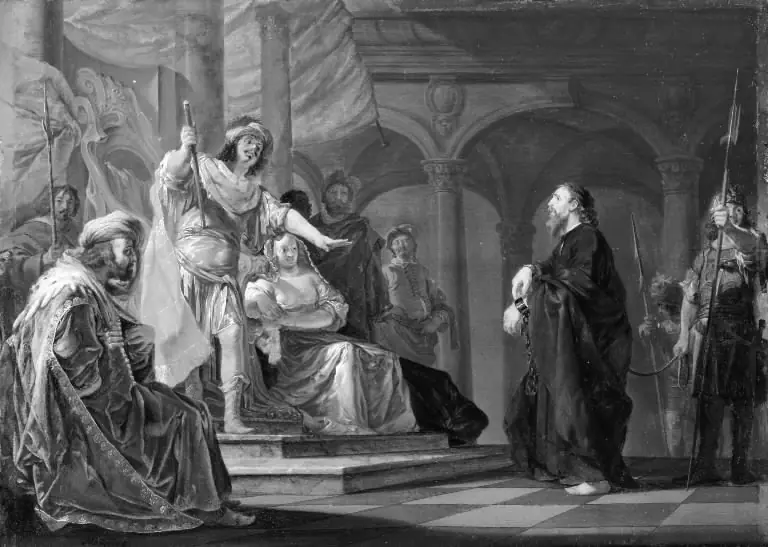 Paulus the Apostle defending himself at the Trial in Caesarea
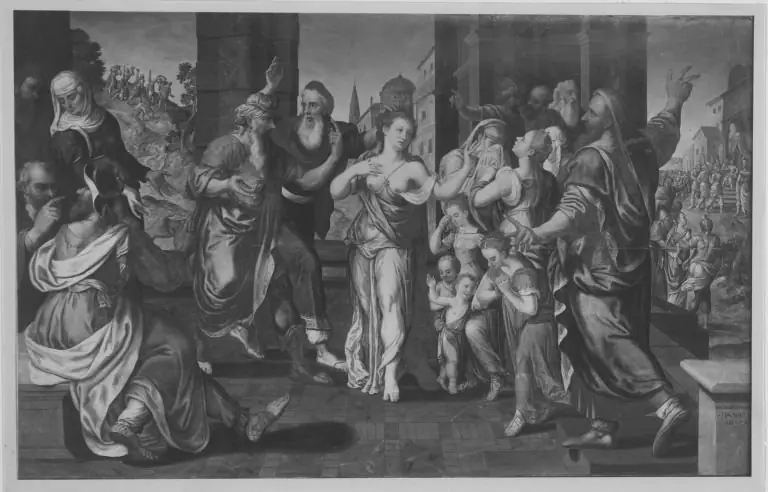 Die keusche Susanna
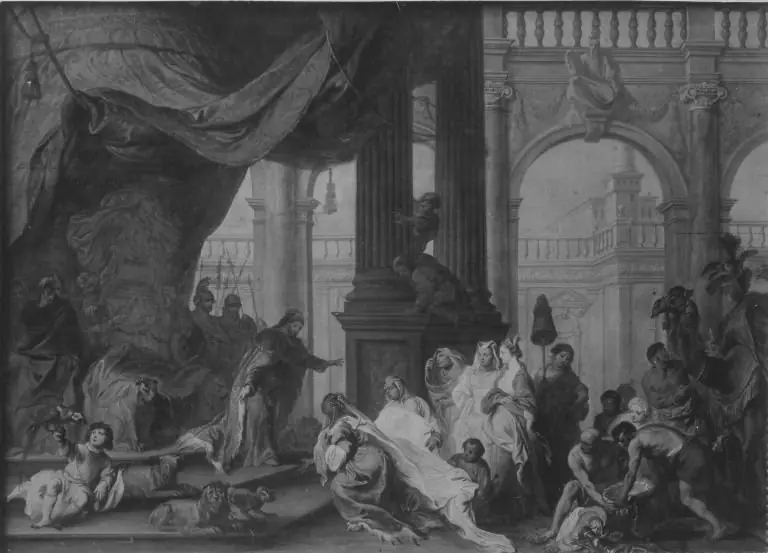 Salomon receives the Queen of Sheba
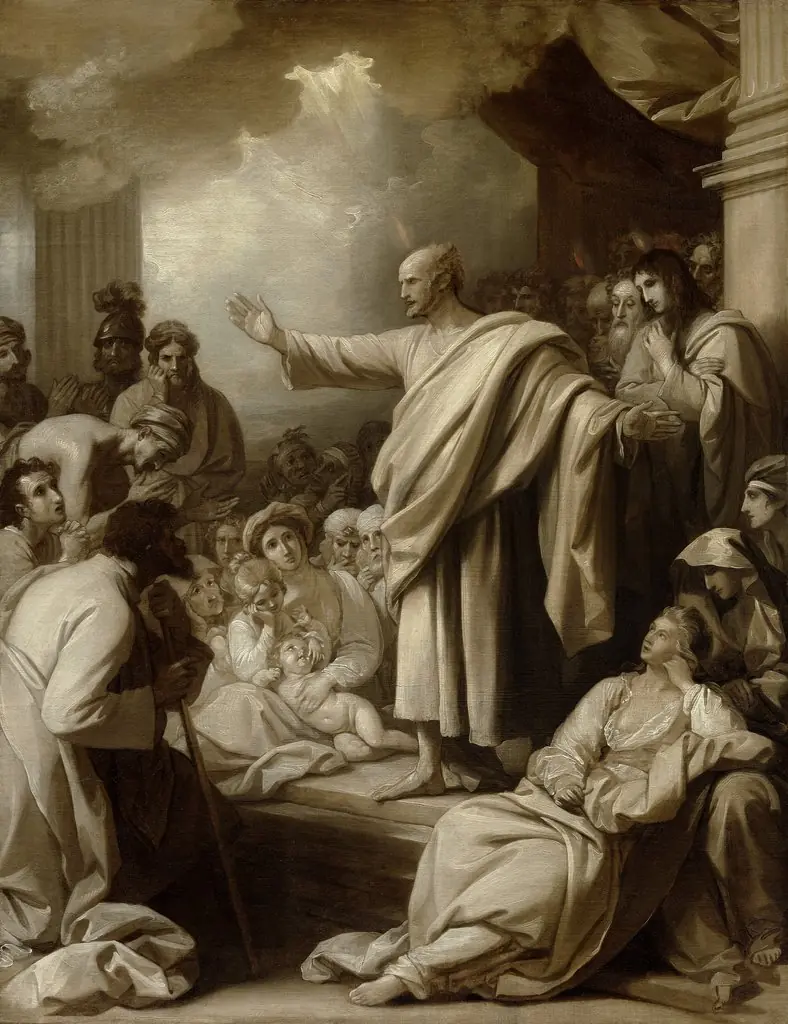 St. Peter's First Sermon in the City of Jerusalem
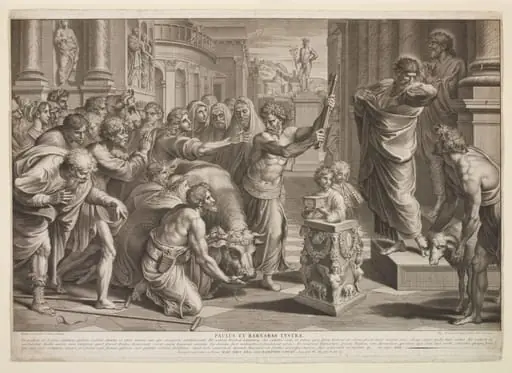 The Sacrifice at Lystra