Artwork
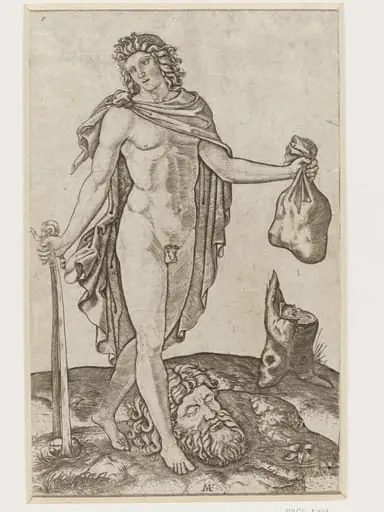
Tomyris with the Head of Cyrus
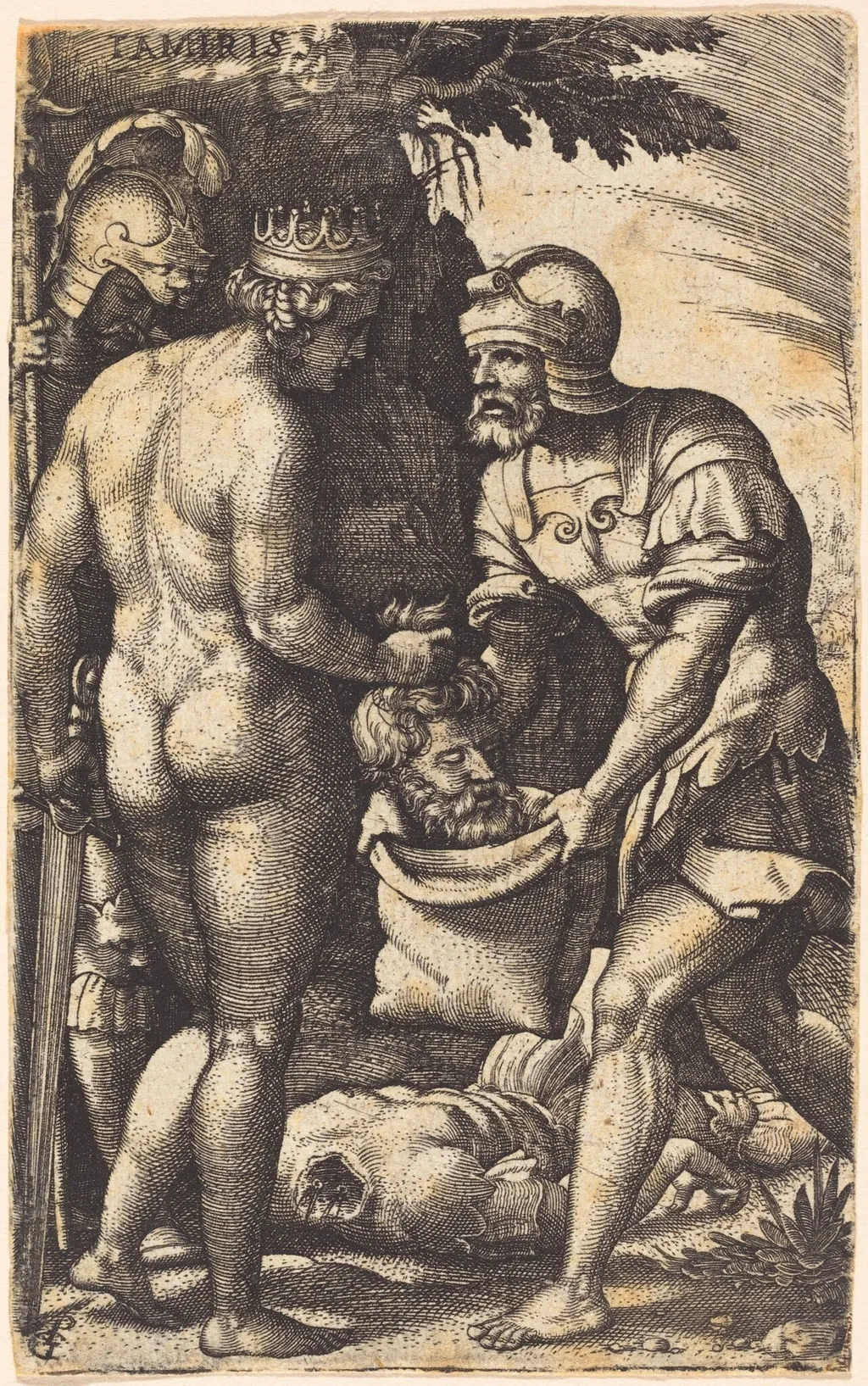
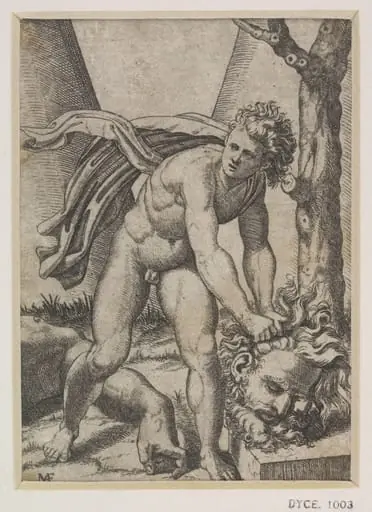
Tomyris with the Head of Cyrus is an ink print by the Renaissance artist Georg Pencz. It dates from 1525 and is held in the collection of the National Gallery of Art.
About this work
Overview
Georg Pencz’s 1525 engraving portrays the Scythian queen Tomyras clutching the severed head of the Persian ruler Cyrus the Great. The composition draws on the ancient narrative of Tomyras’s triumph, presenting the dramatic moment in a densely detailed, black‑and‑white print typical of early 16th‑century German engraving.
Subject & Meaning
The image visualises the legendary episode in which Tomyras, enraged by Cyrus’s betrayal, orders his decapitation and displays his head as a symbol of retributive justice. By foregrounding the queen’s decisive gesture, the work underscores themes of vengeance, sovereignty, and the moral reversal of power.
Technique & Style
Executed with fine lines and cross‑hatching, the print demonstrates Pencz’s mastery of engraving, a medium that allows intricate texture and tonal variation. The composition reflects a synthesis of Northern precision learned from Albrecht Dürer and the compositional dynamism absorbed from Italian, particularly Venetian, printmaking during his stay in Italy.
History & Provenance
Pencz, a Nuremberg‑born artist active around 1500, created the work while collaborating with the Roman engraver Marcantonio Raimondi. The same year the plate was cut, Pencz faced imprisonment in Nuremberg alongside the Beham brothers on charges of heretical dissent, a circumstance that may have influenced the work’s dramatic intensity.
Context
The engraving belongs to a broader Renaissance fascination with classical and biblical exempla, where artists used historical narratives to comment on contemporary moral and religious debates. Tomyras’s story, circulating in humanist literature, offered a potent illustration of righteous resistance against tyranny.
Artist & collection
Artist
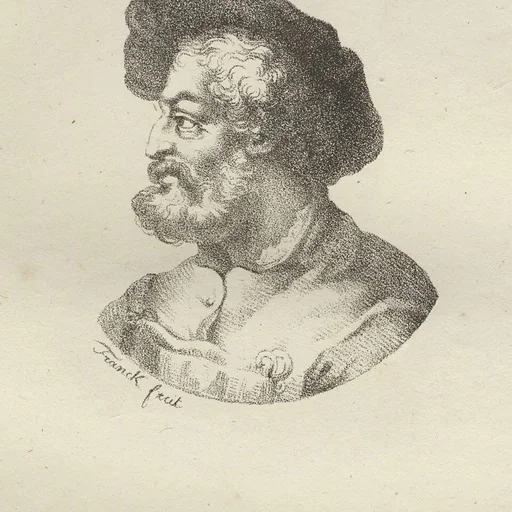
Georg Pencz (c. 1500 – 11 October 1550) was a German engraver, painter and printmaker. Pencz was probably born in Westheim near Bad Windsheim/Franconia. He travelled to Nuremberg in 1523 and joined Albrecht Dürer’s…

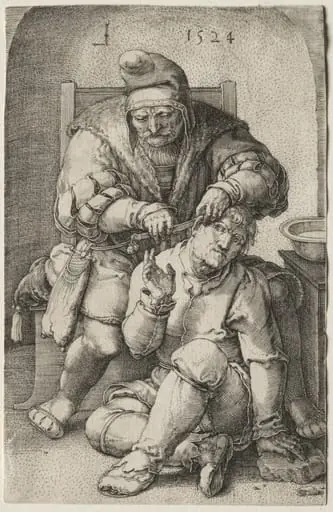
![The Surgeon [reverse copy], by Netherlandish 16th Century](https://artifactworldgallery.com/img/netherlandish-16th-century--the-surgeon-reverse-copy--12ced91956e84708-w320.webp)