Artwork
The Seed Received among the Thorns
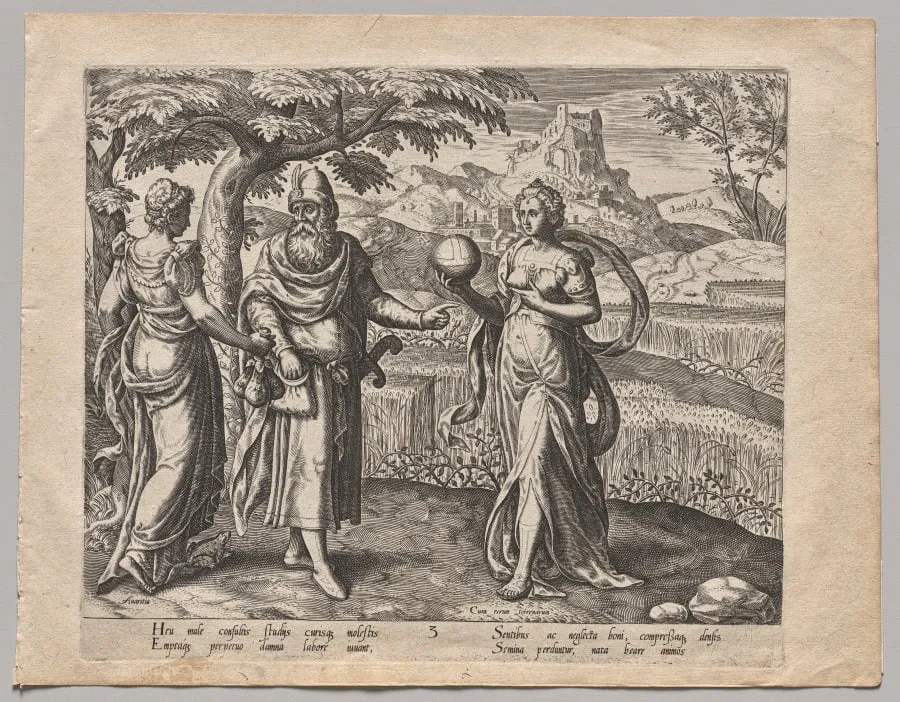
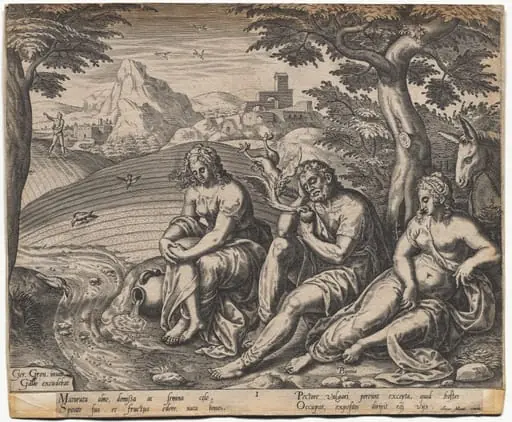
The Seed Received among the Thorns is a print by the Renaissance artist Philip Galle. It dates from 1574 and is held in the collection of the Cleveland Museum of Art. This print is the third in a four-part series depicting the Parable of the Sower, produced in late 16th-century Antwerp.
About this work
Overview
The scene centers on a pilgrim scattering seed, surrounded by two female figures embodying the forces that divert spiritual attention.
This print is the third in a four-part series depicting the Parable of the Sower, produced in late 16th-century Antwerp. It illustrates the moment when seeds, symbolizing divine message, fall among thorns—representing worldly distractions. The scene centers on a pilgrim scattering seed, surrounded by two female figures embodying the forces that divert spiritual attention. The work reflects Antwerp’s prominence as a center for religious print production during the Reformation era.
Subject & Meaning
The pilgrim, absorbed in his act, scatters seeds into a thicket of weeds, signifying a soul preoccupied by material concerns. Two women flank him: one holds a moneybag, personifying Avarice; the other grips tangled weeds, representing Cares of the World. Together, they visually articulate the parable’s warning that earthly anxieties and greed choke spiritual growth, preventing the word from taking root.
Technique & Style
The print employs fine, controlled lines typical of Northern Renaissance engraving, with careful attention to texture in the thorns, fabric, and foliage. Figures are rendered with subtle modeling, allowing them to emerge clearly from the background without heavy shading. The composition directs the viewer’s eye along the pilgrim’s motion, reinforcing the narrative flow and the inevitability of the seeds’ fate among the thorns.
History & Provenance
Created in Antwerp during a period of intense religious and artistic activity, the print was likely produced for a devotional or educational audience. It is linked to a preparatory drawing held in the museum’s collection (2012.4), suggesting a deliberate, multi-stage process of design and reproduction. Such prints were widely circulated, serving as visual sermons in homes and churches across Europe.
Context
Antwerp in the late 1500s was a leading hub for printmaking, where artists and publishers responded to the spiritual debates of the Reformation. This series, grounded in biblical text, offered accessible moral instruction through imagery. The choice to depict distraction rather than outright sin reflects a nuanced understanding of human frailty, aligning with contemporary theological emphasis on internal struggle over external transgression.
Legacy
The print contributes to a broader tradition of using visual allegory to convey religious teachings in an era of rising literacy and print culture. Its focus on psychological states—greed, anxiety, inattention—marks a shift toward introspective moral representation. Though not widely known today, such works helped shape how ordinary viewers understood faith as an ongoing, vulnerable act of attention.
Artist & collection
Artist
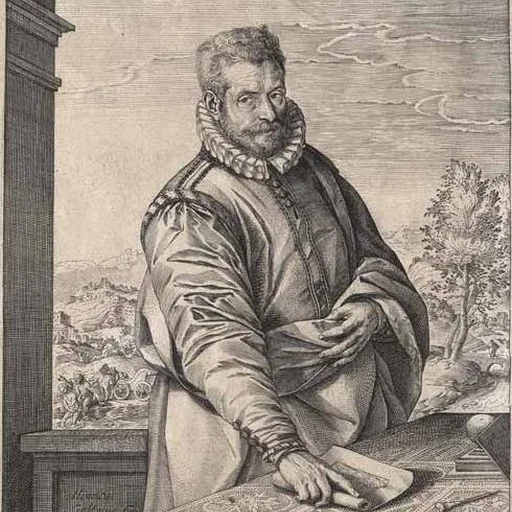
Philip (or Philips) Galle (1537 – March 1612) was a Dutch publisher, best known for publishing old master prints, which he also produced as designer and engraver. He is especially known for his reproductive engravings of paintings.

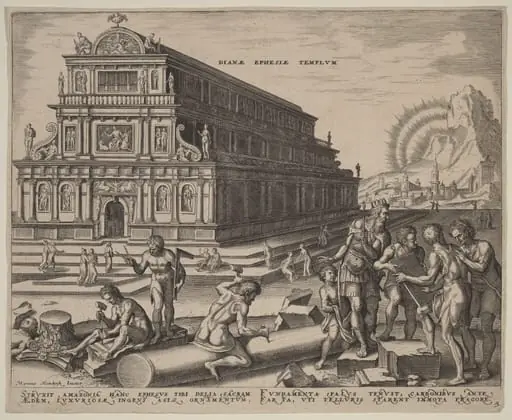 Dianae Ephesiae Templum (The Temple of Diana at Ephesus)
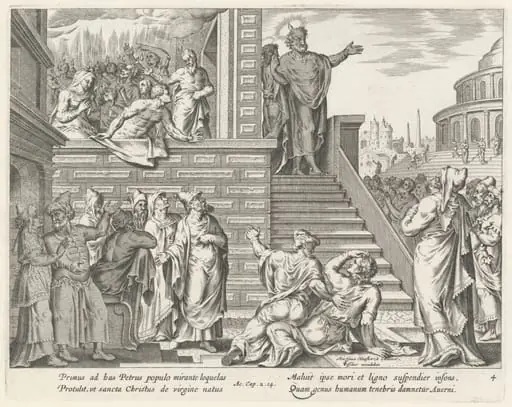 Saint Peter Speaks to the People about Christ
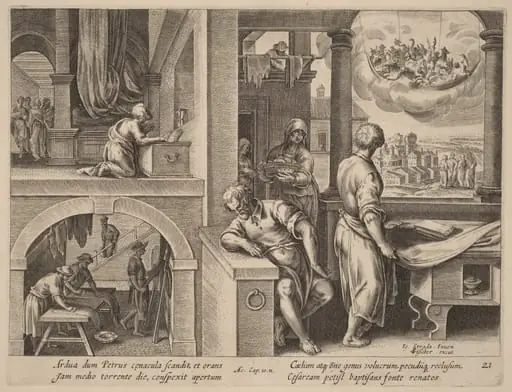 The Vision of Saint Peter
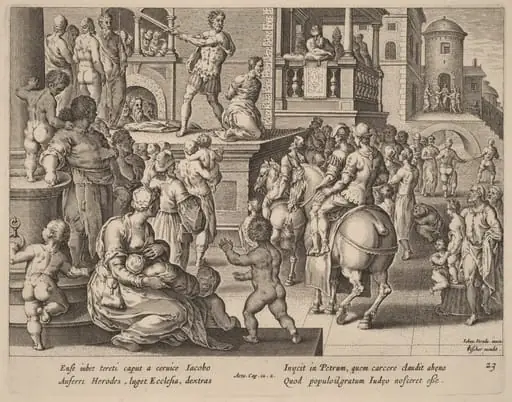 Beheading of Saint James
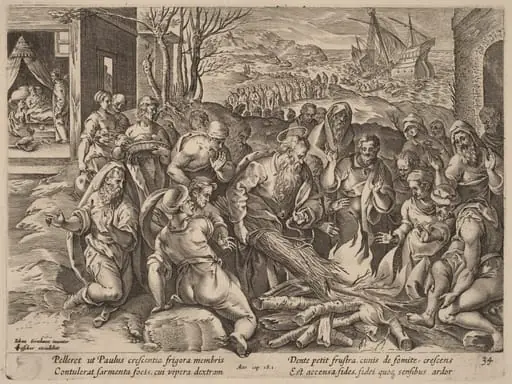 Saint Paul Shipwrecked on the Island of Melita
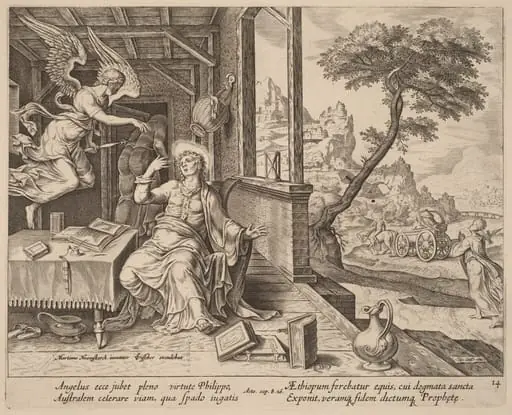 The Angel Orders Saint Philip to Accompany the Ethiopian Eunuch
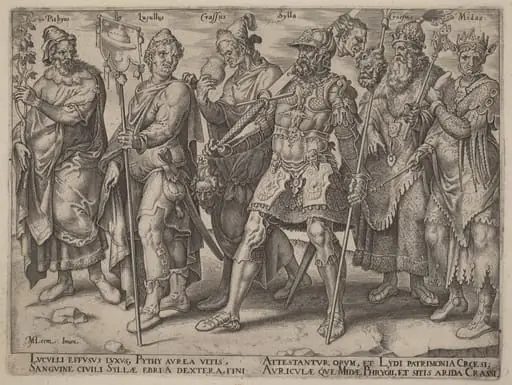 Notorious Examples of Wealth from Antiquity
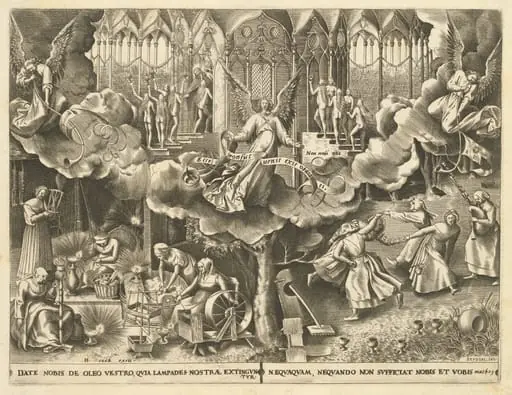 The Parable of the Wise and Foolish Virgins
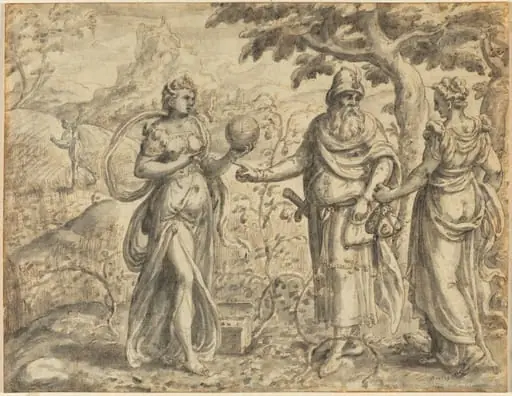 The Seed Received among the Thorns, from the Parable of the Sower
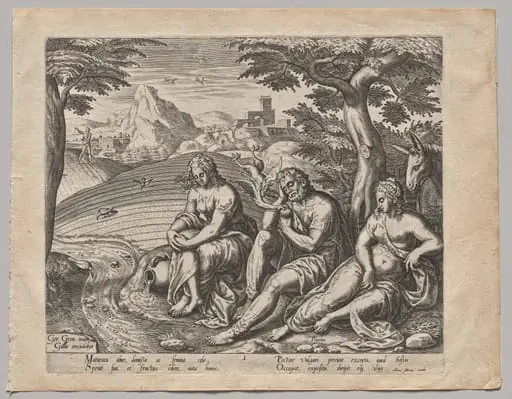 The Seed Falling by the Wayside
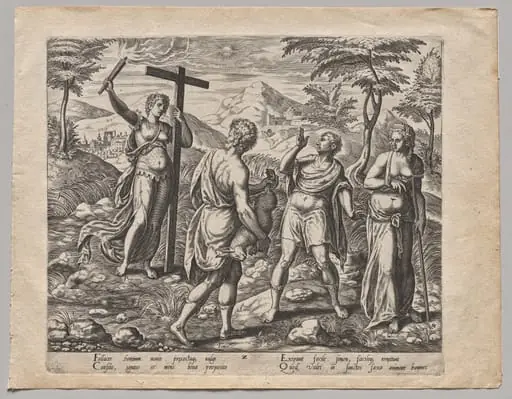 The Seed Falling among the Stones
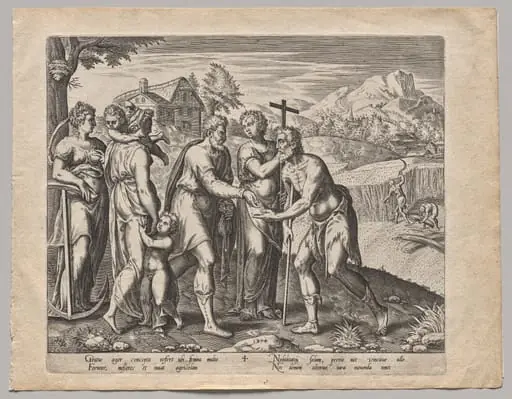 The Seed finding Good Earth
 The Parable of the Sower and the Seed: The Seed Falling by the Way Side (after Gerard Van Groeningen, active Antwerp 1563-1573)
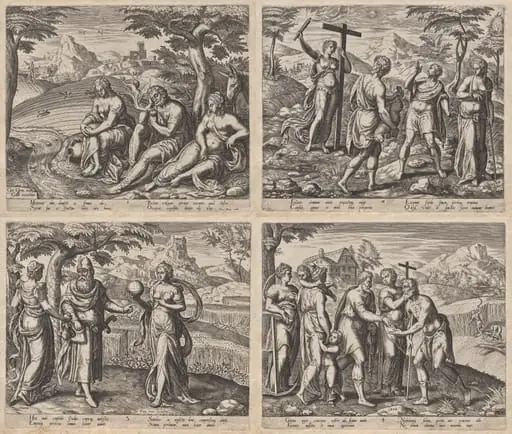 Parable of the Sower