Artwork
An Unfortunate Family
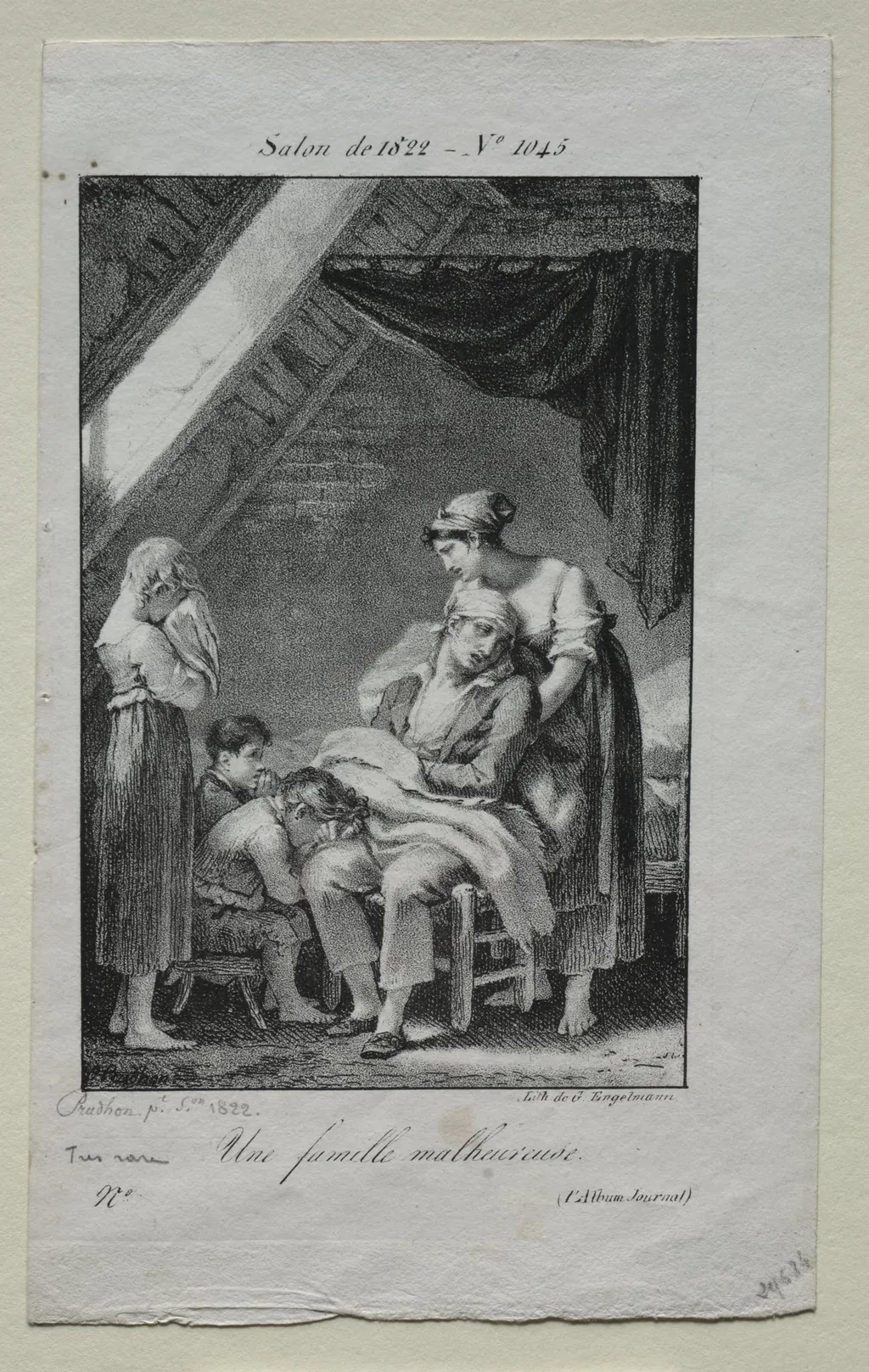
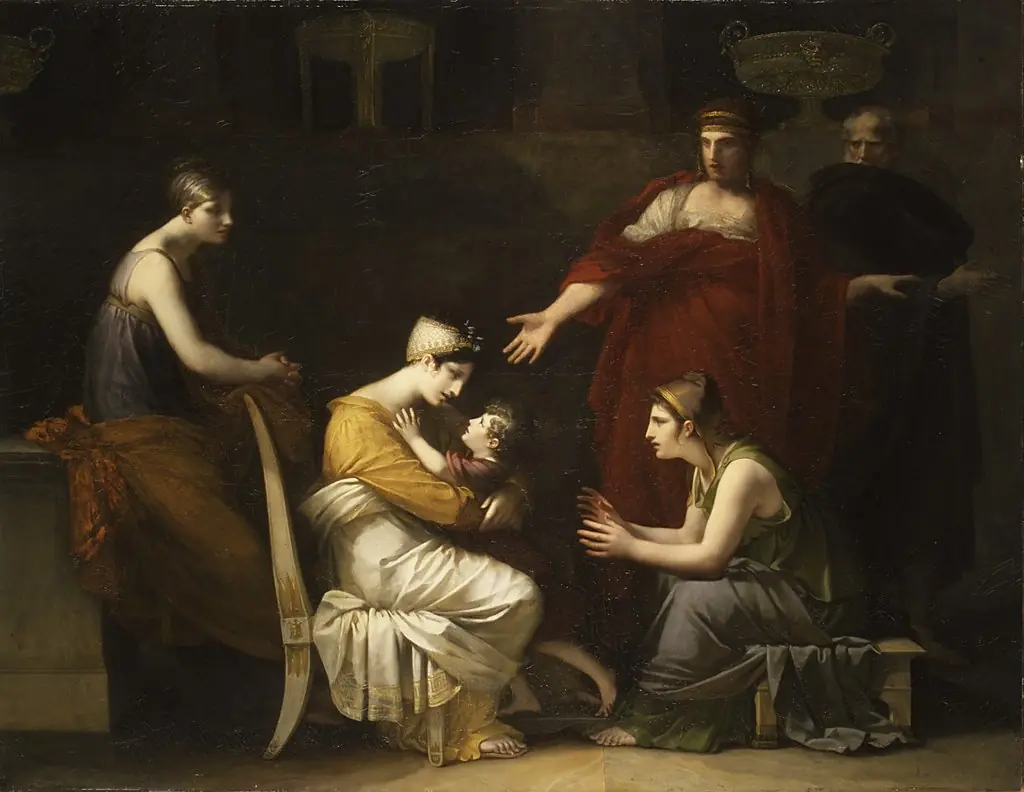
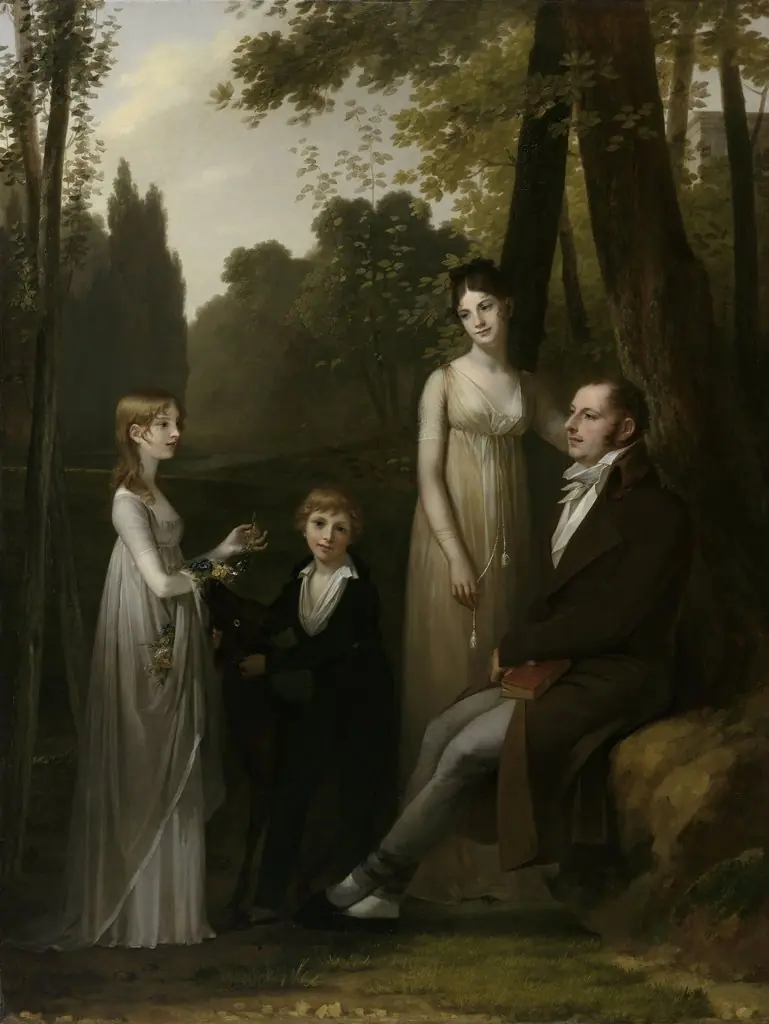
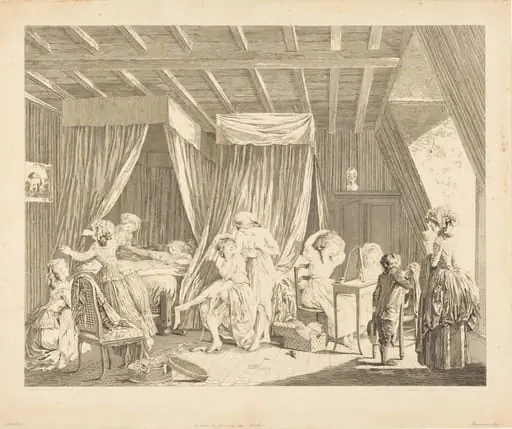
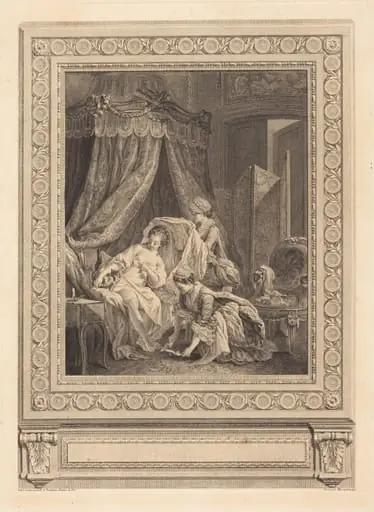
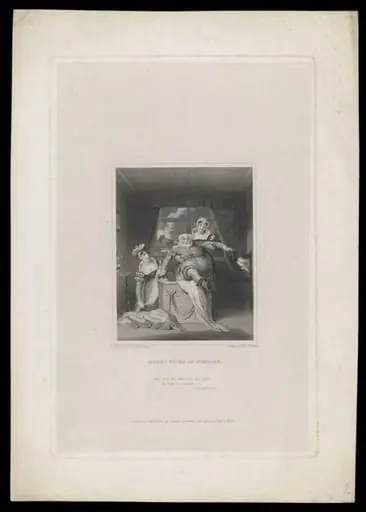
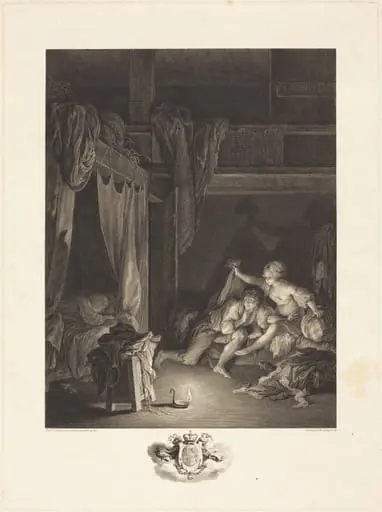
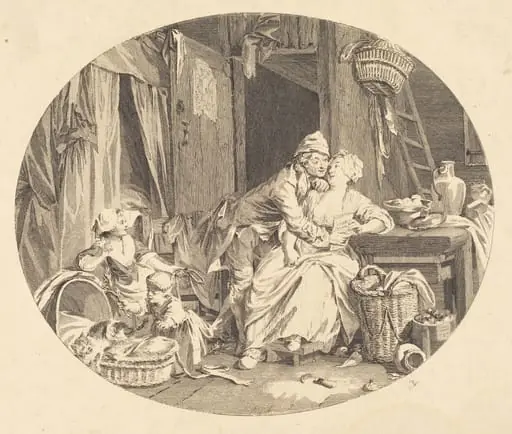
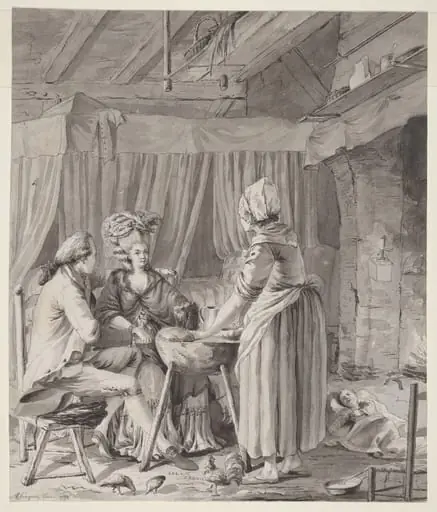
An Unfortunate Family is a print by the Romanticist artist Pierre Paul Prud'hon. It dates from 1822 and is held in the collection of the Cleveland Museum of Art. Created in 1822 by French artist Pierre-Paul Prud'hon, this drawing captures a quiet, somber domestic scene.
About this work
Overview
It resides today in the Cleveland Museum of Art’s collection, valued for its psychological depth rather than narrative drama.
Created in 1822 by French artist Pierre-Paul Prud'hon, this drawing captures a quiet, somber domestic scene. Though often associated with grand allegories and portraiture, Prud'hon here turns to an intimate, unadorned moment. Executed in pencil and chalk, the work reflects his mastery of tonal gradation and emotional restraint. It resides today in the Cleveland Museum of Art’s collection, valued for its psychological depth rather than narrative drama.
Subject & Meaning
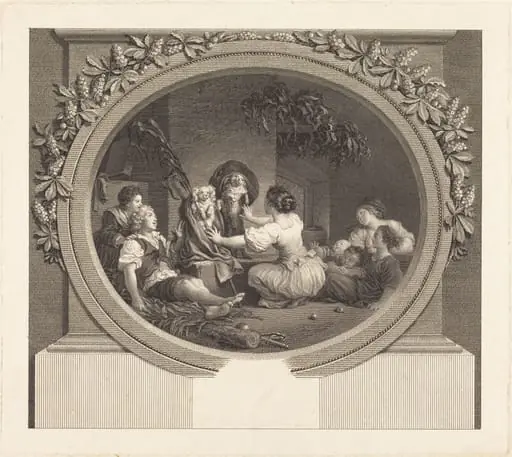
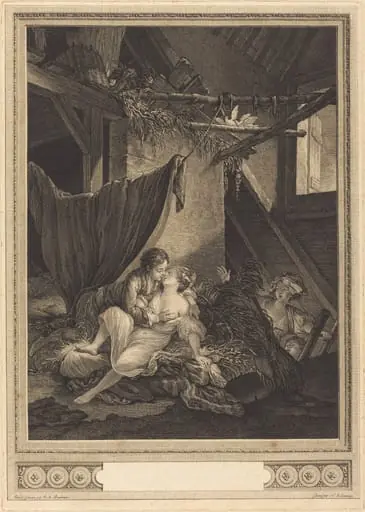
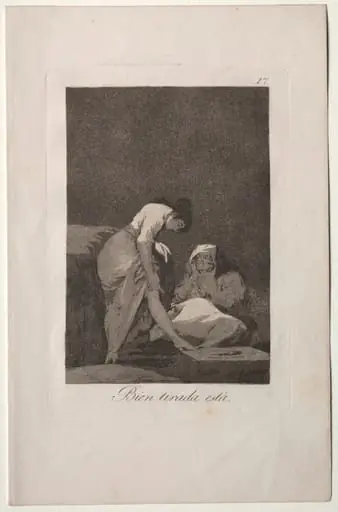
The scene depicts five figures in a modest interior: a seated woman cradles an infant, another woman adjusts a shawl behind her, a man stands passively against a wall, and two children huddle near a table. No overt signs of distress appear on their faces, yet the title suggests hardship. The absence of dramatic expression invites contemplation of quiet endurance, framing poverty not as spectacle but as an unspoken reality.
Technique & Style
Prud'hon employs subtle chiaroscuro to model form and space, using soft pencil strokes to define fabric folds and facial contours. Light enters from the left, carving out figures from shadowed corners without harsh contrast. The technique avoids theatricality, favoring muted tones and delicate transitions. This restrained approach underscores the dignity of the subjects, aligning with his broader interest in emotional nuance over overt sentiment.
History & Provenance
The work was completed near the end of Prud'hon’s life, during a period when he increasingly focused on intimate studies. It remained in private hands until entering the Cleveland Museum of Art’s collection, where it is now preserved as part of their holdings of 19th-century European drawings. Its journey reflects shifting scholarly interest in domestic realism within Neoclassical art.
Context
In early 19th-century France, artists often depicted social themes through idealized or allegorical lenses. Prud'hon’s choice to portray an ordinary family without moralizing or melodrama stood apart. His focus on quiet resilience resonated with emerging interests in everyday life, subtly anticipating the realism that would gain traction later in the century.
Legacy
Though less celebrated than his portraits of royalty, this drawing influenced artists attuned to psychological subtlety, including Théodore Géricault. Its understated humanity contributed to a broader reevaluation of domestic scenes in academic art. Today, it stands as a quiet testament to Prud'hon’s ability to convey depth through restraint, shaping how later generations approached emotional realism in drawing.
Artist & collection
Artist
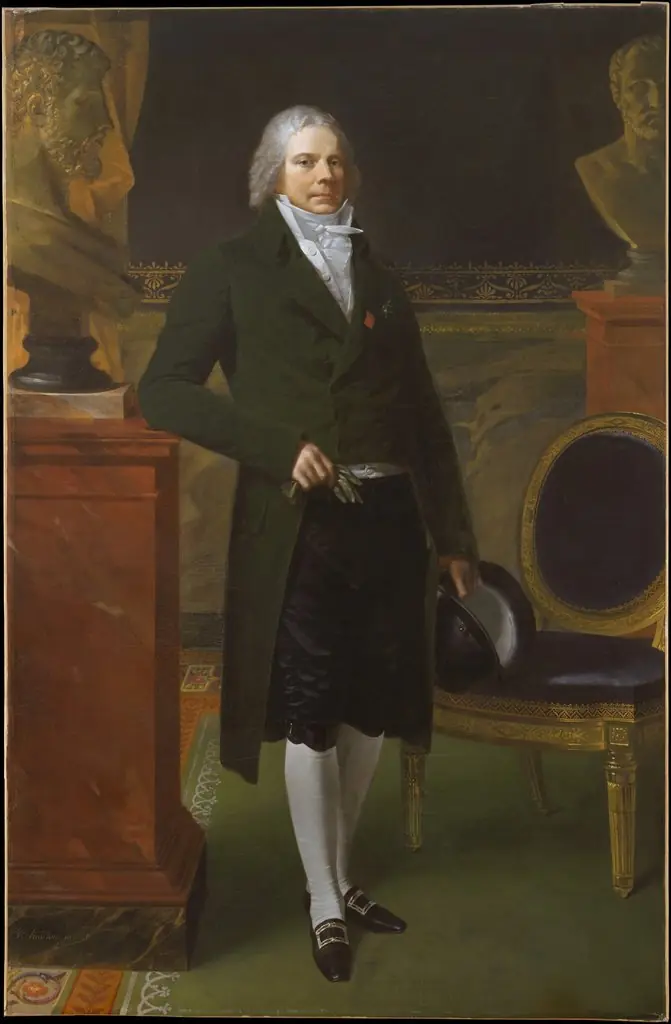
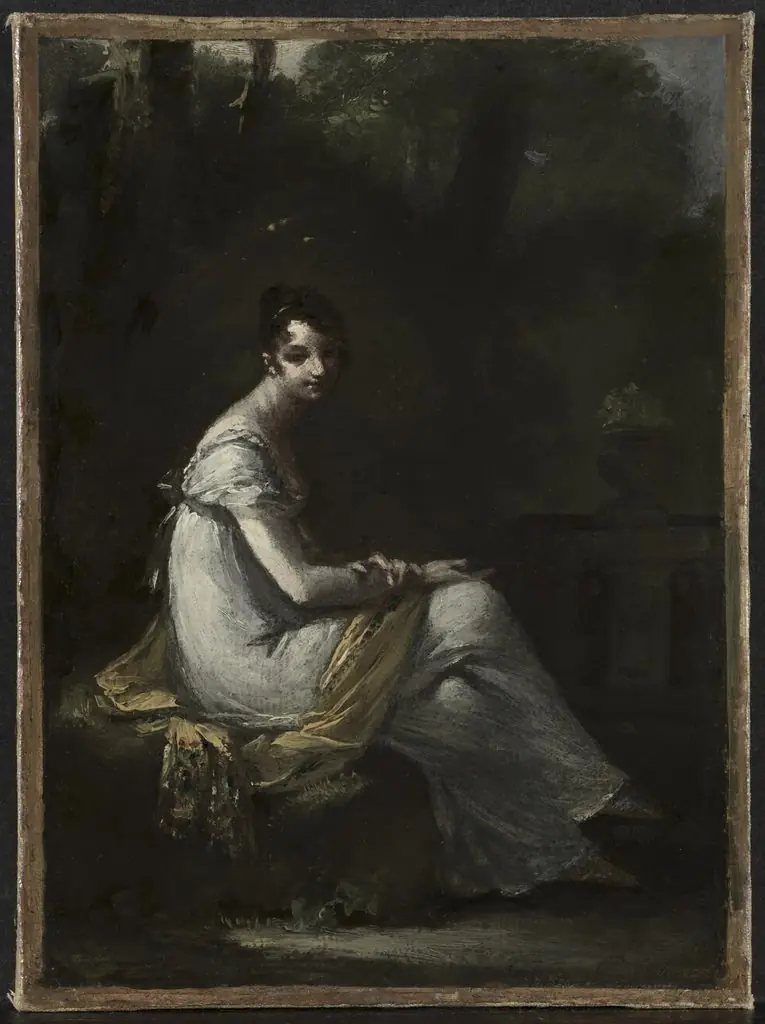
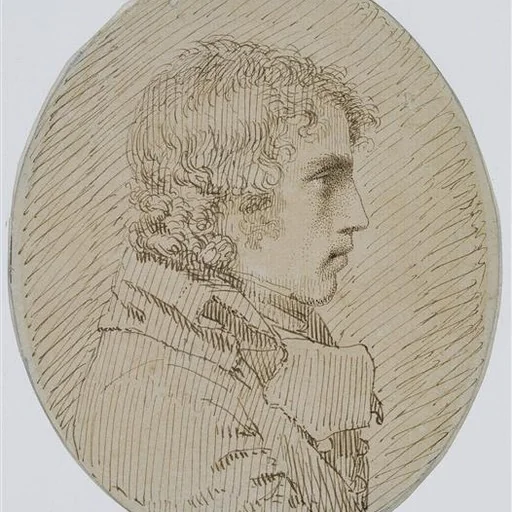
Pierre-Paul Prud'hon (French pronunciation: , 4 April 1758 – 16 February 16, 1823) was a French Neo-classical painter and draughtsman best known in his own time for his allegorical paintings and portraits, now for his drawings.