Artwork
The Seven Acts of Mercy by Pieter Brueghel the Younger
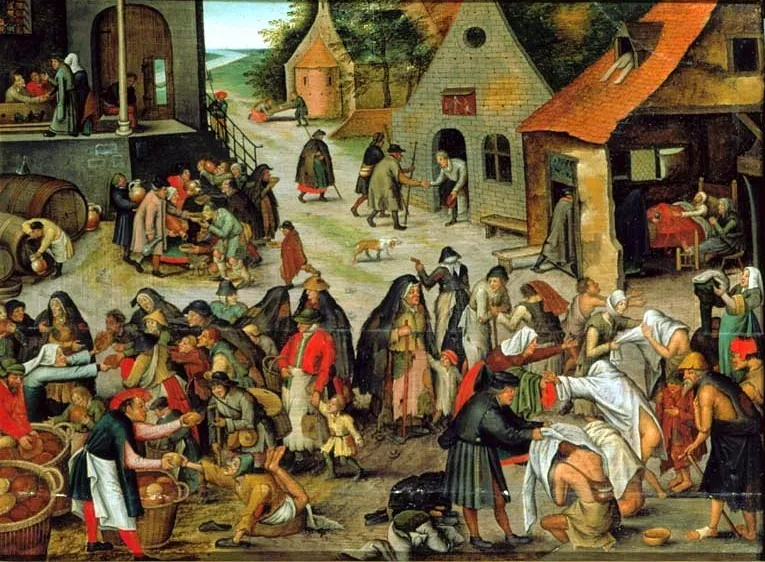
The Seven Acts of Mercy by Pieter Brueghel the Younger is an oil painting by the Flemish Baroque painting artist Pieter Brueghel the Younger. It dates from 1613 and is held in the collection of the National Museum of Ancient Art.
About this work
Overview
The Seven Acts of Mercy is a 1613 oil painting by Pieter Brueghel the Younger, a Flemish artist known for his prolific output and replication of his father's compositions. The work is characteristic of the Flemish Baroque style and is now held in the National Museum of Ancient Art.
Subject & Meaning
The painting depicts a scene of people helping one another, illustrating the seven acts of mercy. The foreground shows a man being carried on a stretcher, surrounded by others offering aid, while the background features a group gathered near a building.
Technique & Style
Brueghel's use of chiaroscuro creates a sense of volume and depth, with strong contrasts between light and dark. The painting is rich in detail, featuring intricate textures and colors that bring the scene to life.
Context
As a representative of the Flemish Baroque movement, The Seven Acts of Mercy reflects the artistic trends of the late 16th and early 17th centuries. The work's themes of community and kindness are conveyed through its depiction of people coming together to help those in need.
Artist & collection
Artist
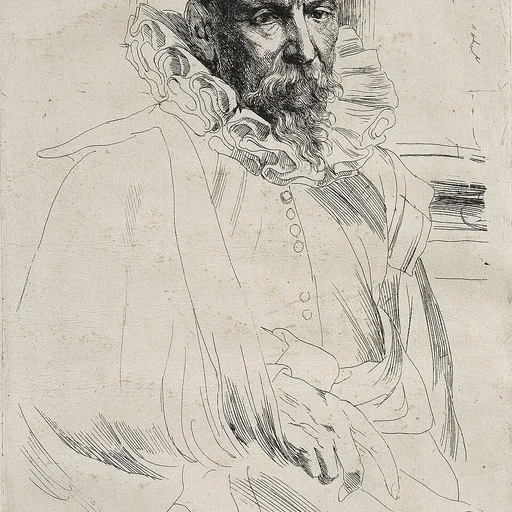
Pieter Brueghel the Younger ( BROY-gəl, also US: BROO-gəl; Dutch: ; between 23 May and 10 October 1564 – between March and May 1638) was a Flemish painter known for numerous copies after his father Pieter Bruegel the…

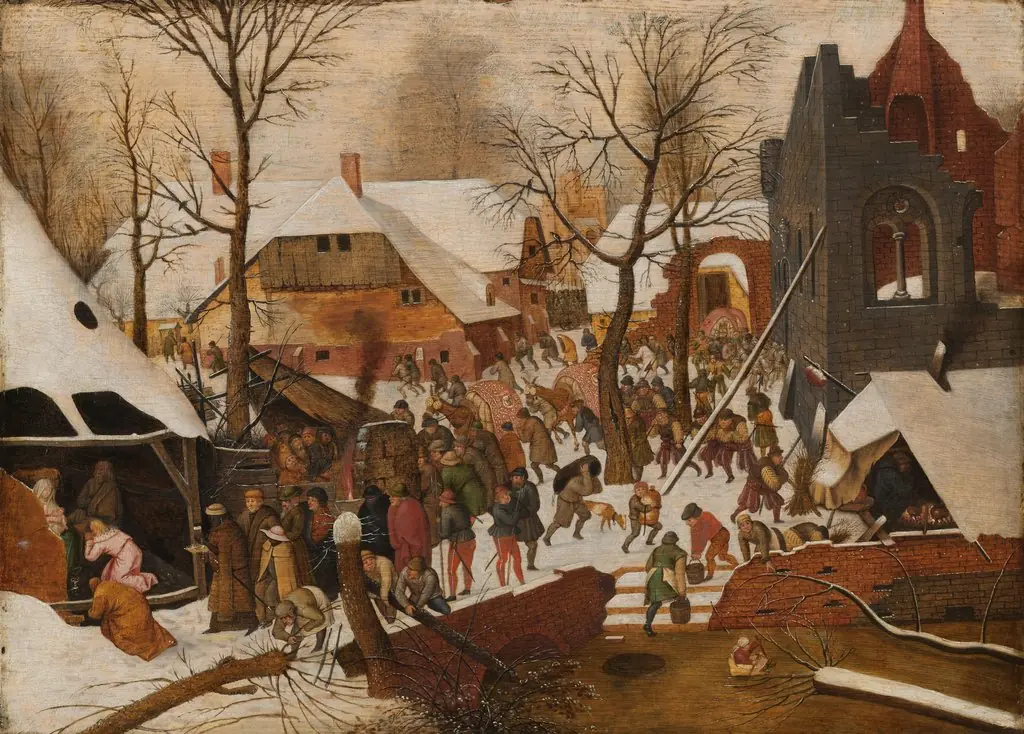 Adoration of the magi
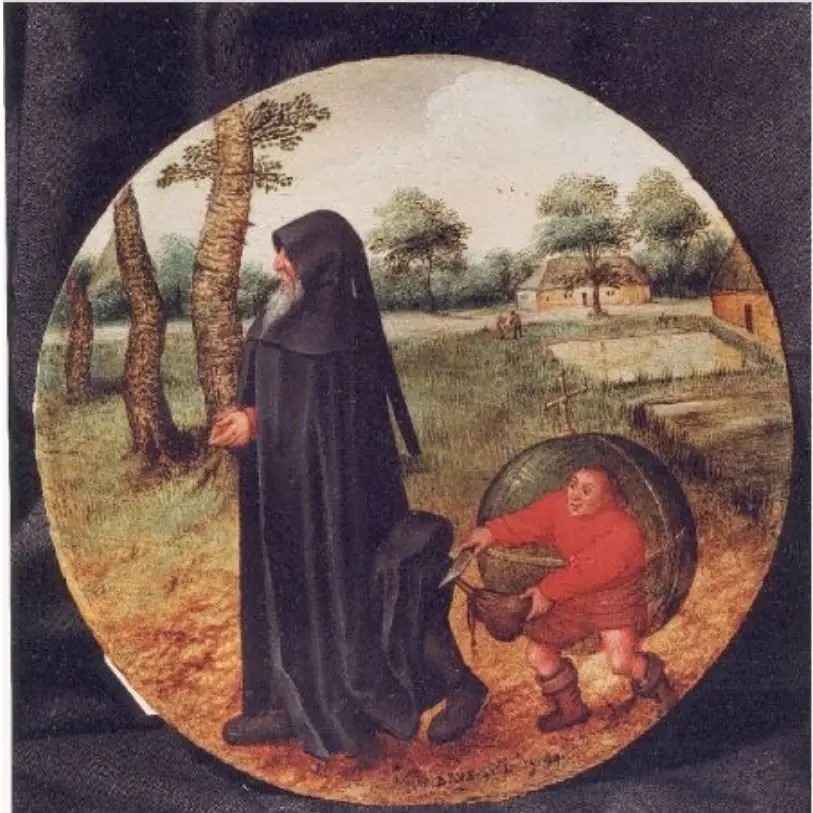 I Mourn because the World is so Untrustworthy
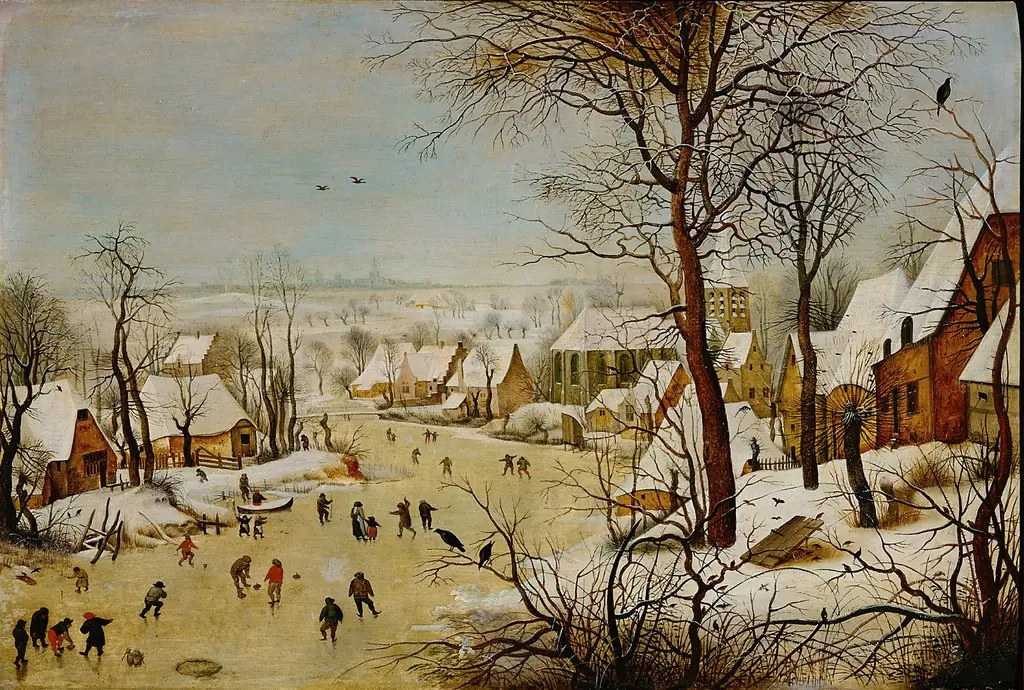 Winter Landscape with a Bird Trap
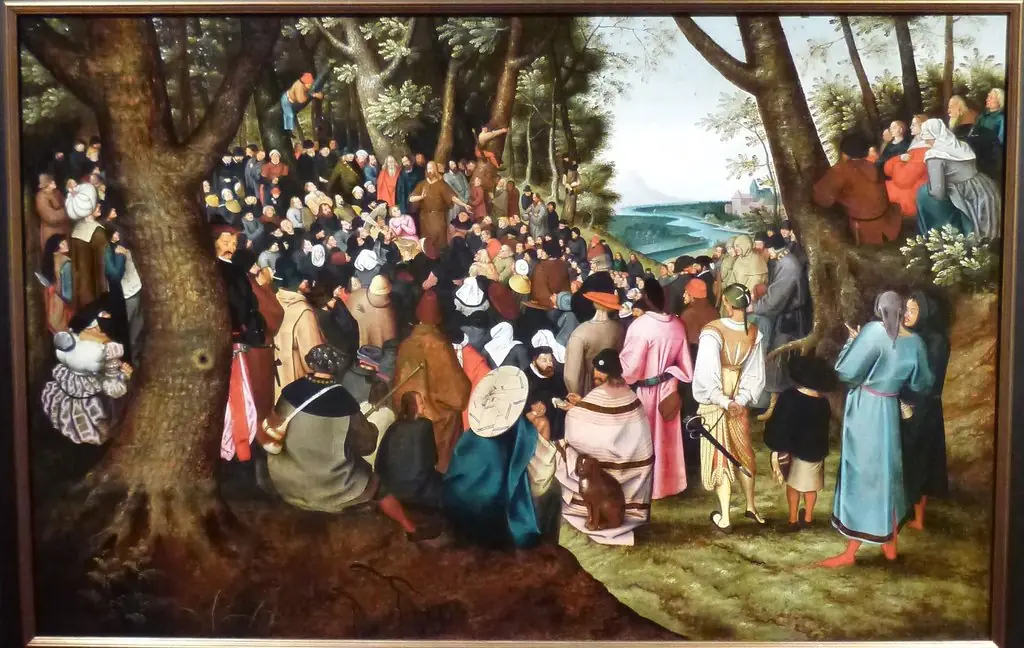 The Sermon of John the Baptist
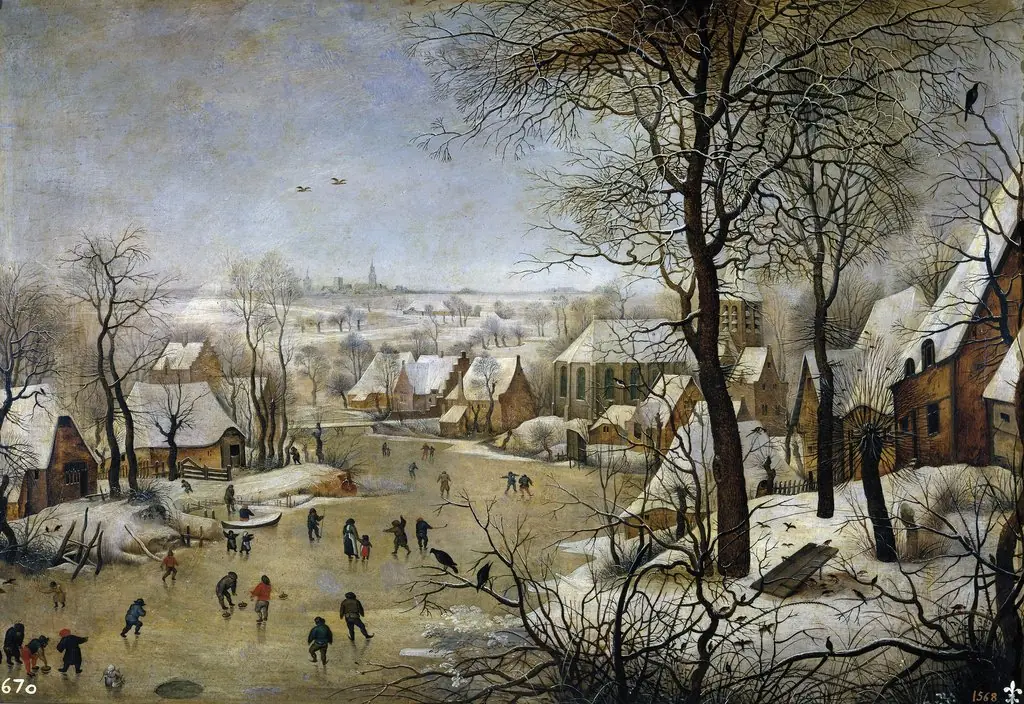 Winter Landscape with a Bird-trap
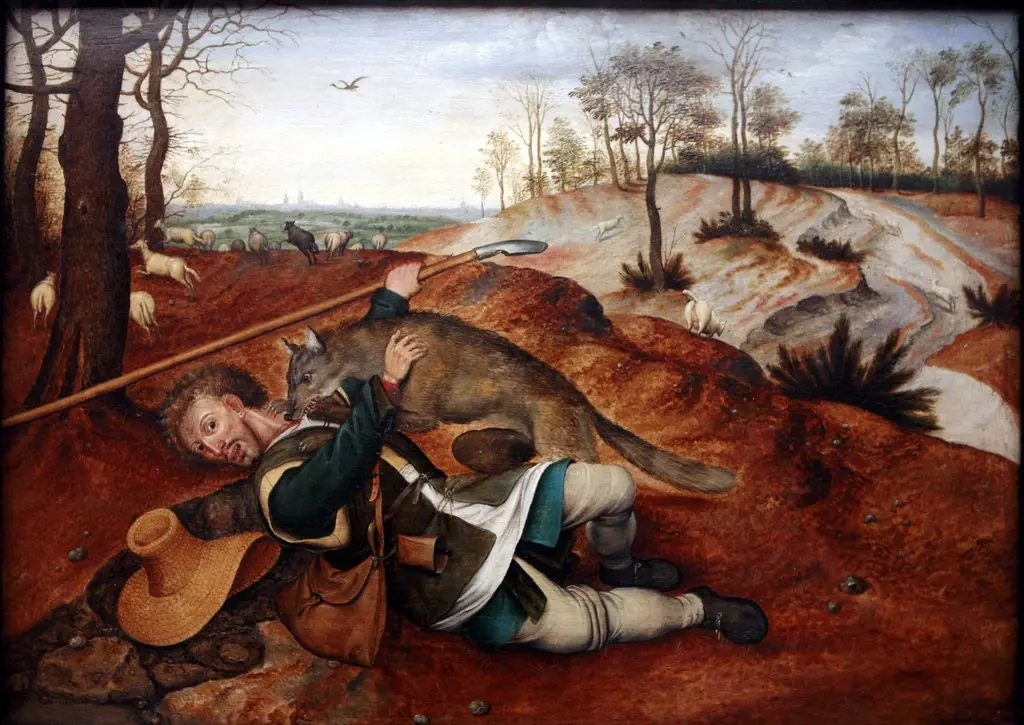 The Good Shepherd
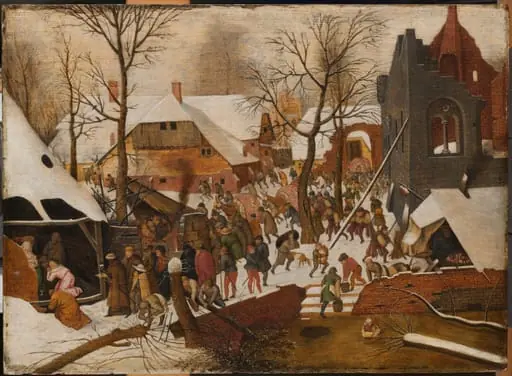 The Adoration of the Magi
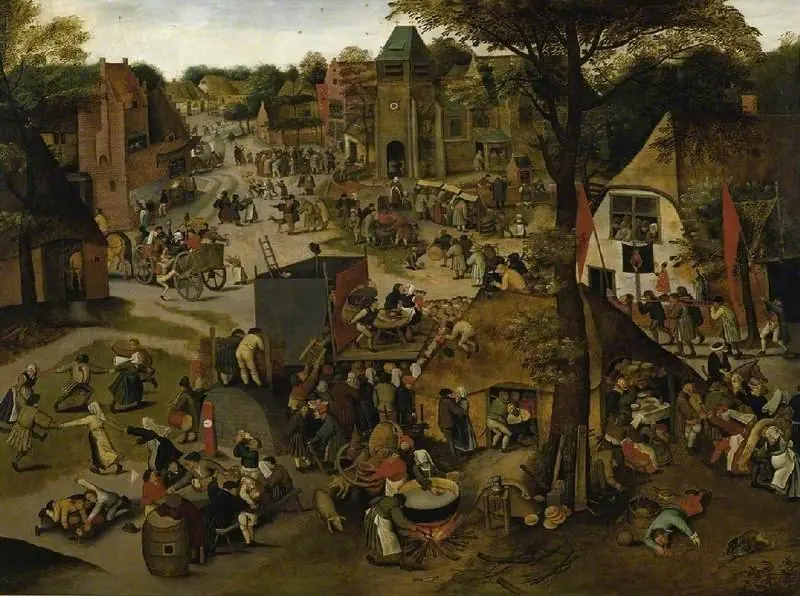 A Village Festival, With a Theatrical Performance and a Procession in Honour of St Hubert and St Anthony
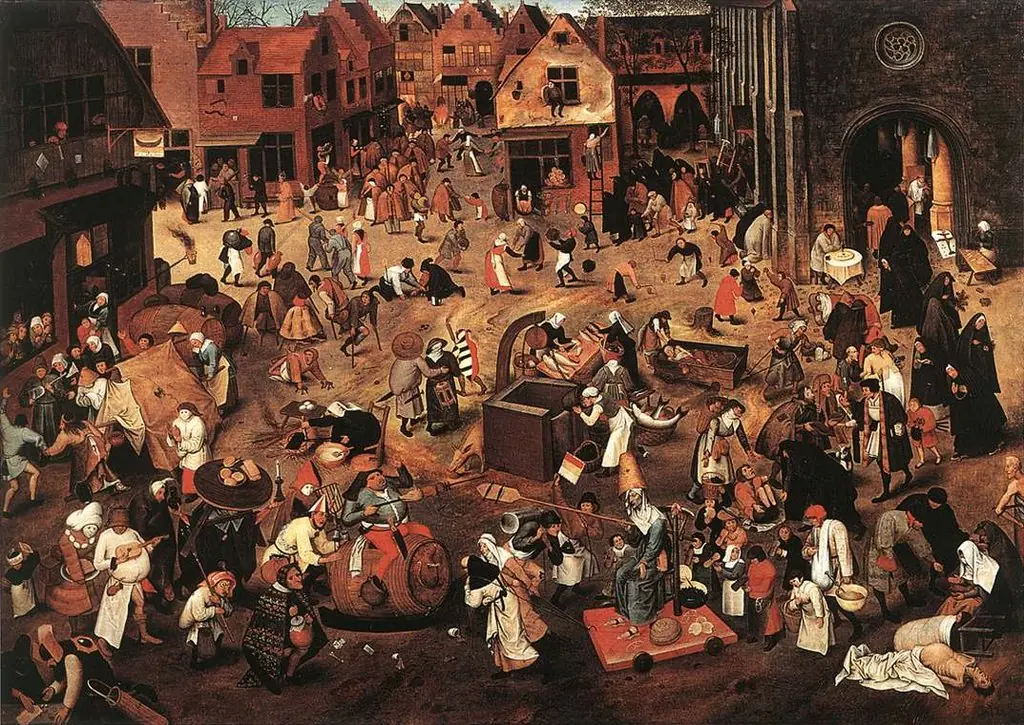 Battle of Carnival and Lent
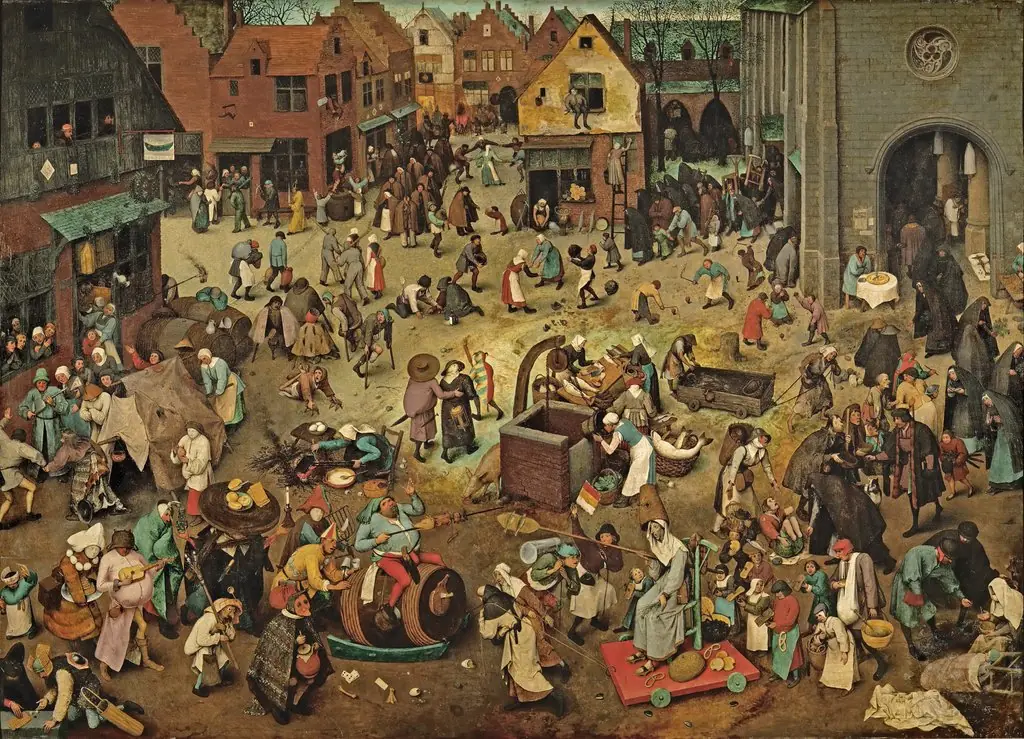 The Fight Between Carnival and Lent
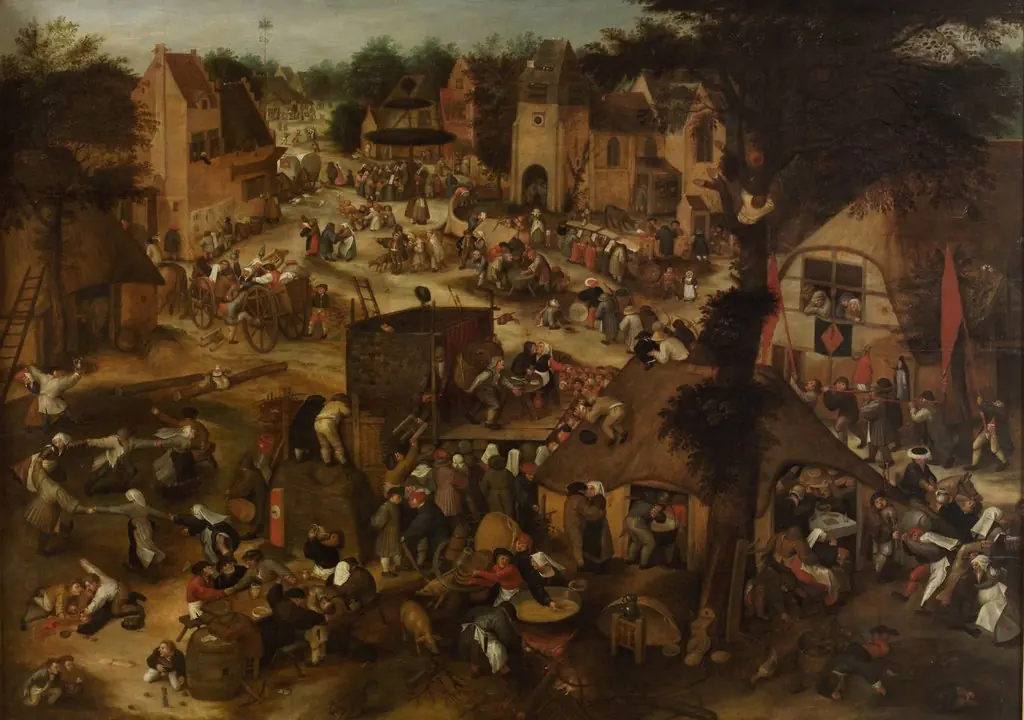 Performance of the farce 'Een Cluyte van Plaeyerwater' (A Clod from Plaeyerwater) at a Flemish Kermis
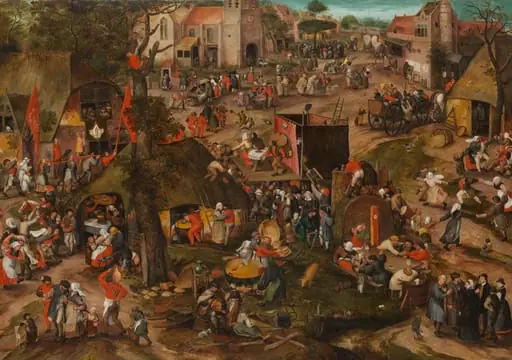 A Flemish Kermis with a Performance of the Farce ‘Een cluyte van Plaeyerwater’
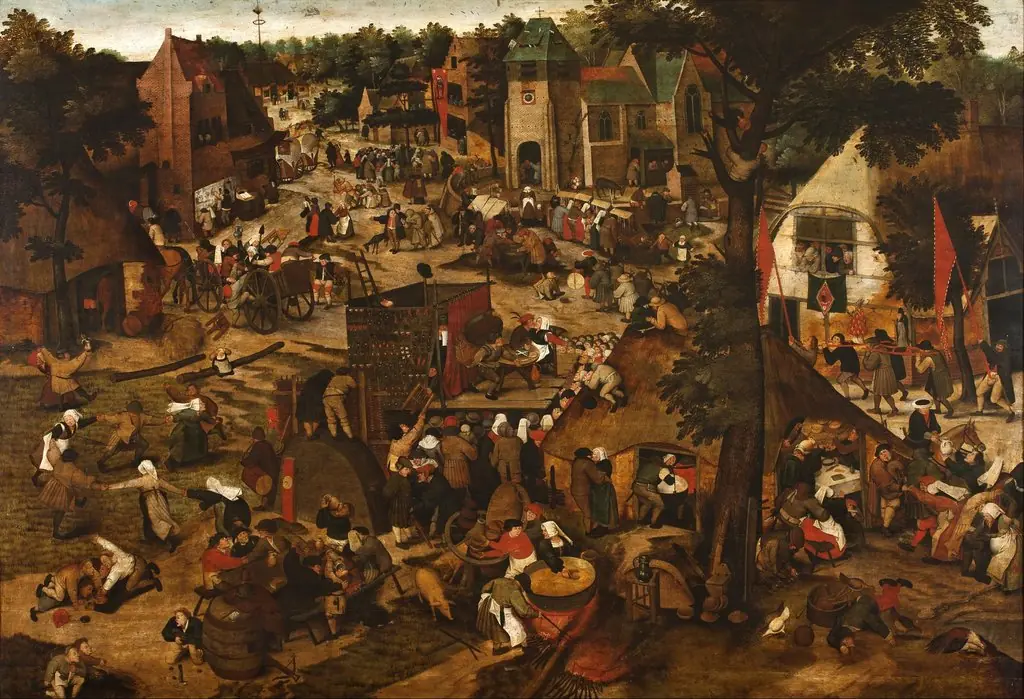 Fair with a Theatrical Presentation
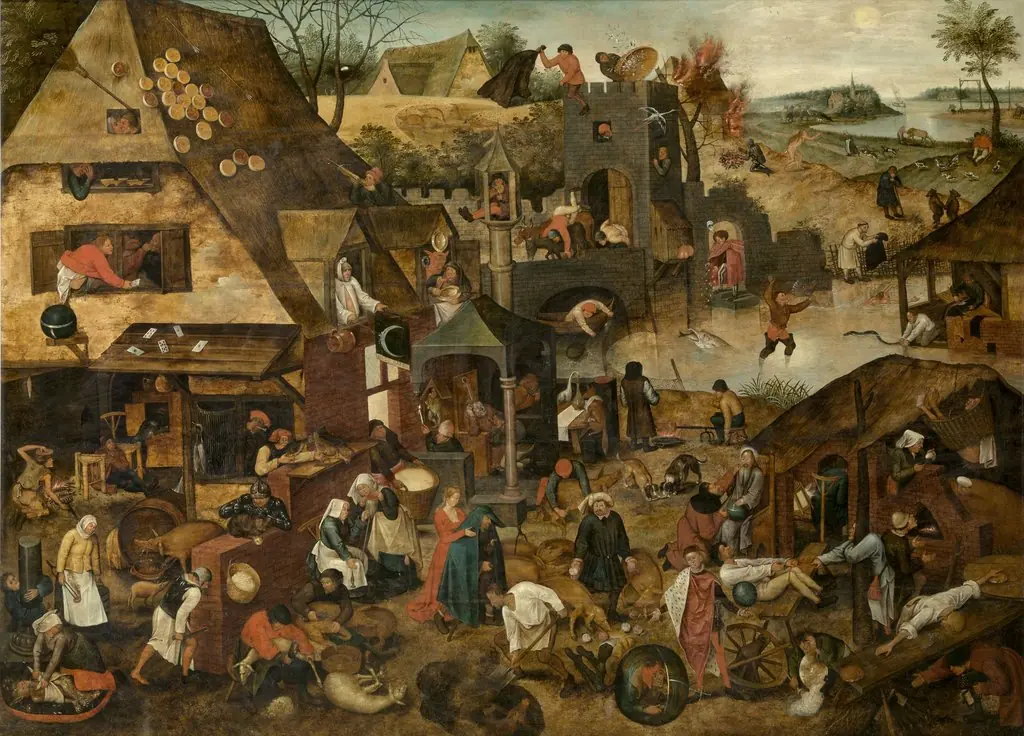 Proverbs
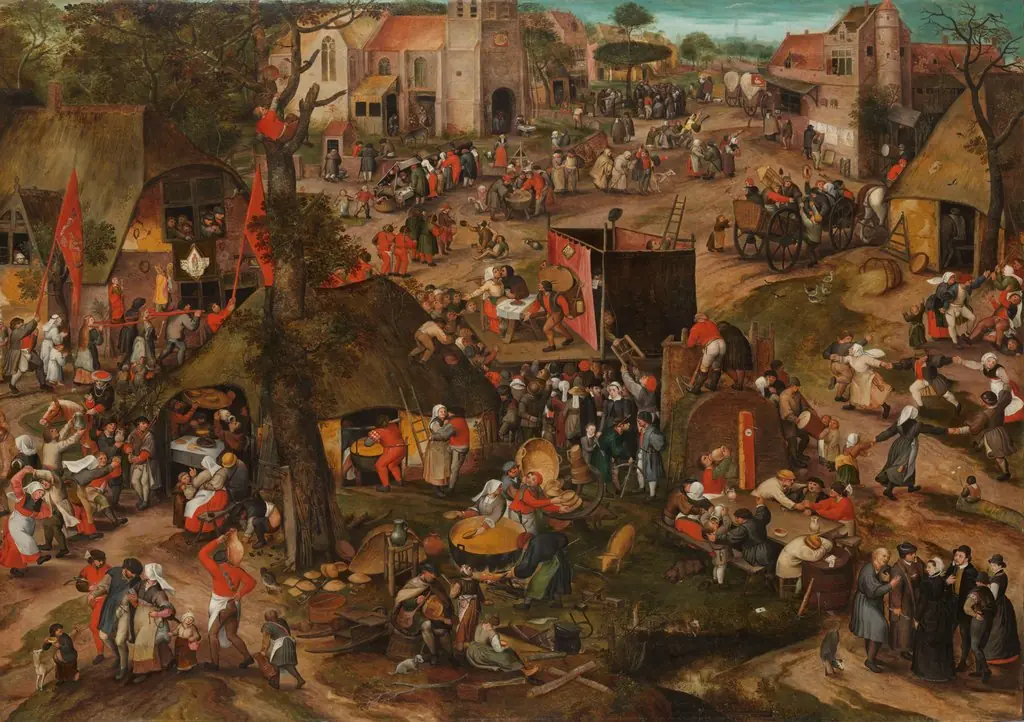 A Performance of the Farce 'Een Cluyte van Plaeyerwater' (A Clod from Plaeyerwater) at a Flemish Kermis
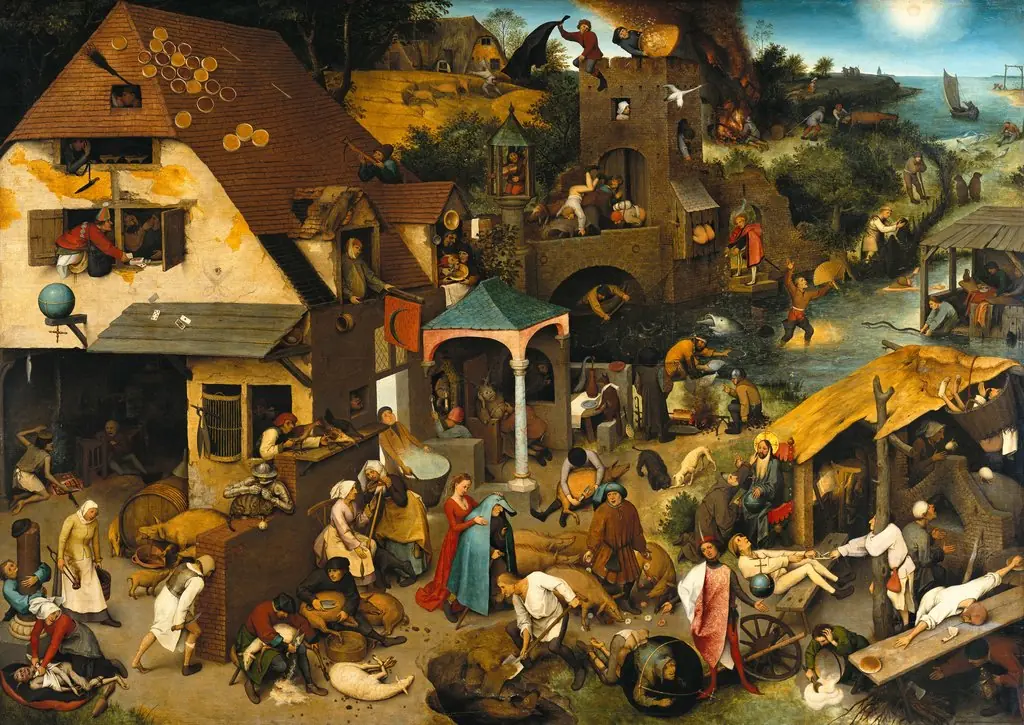 Netherlandish Proverbs
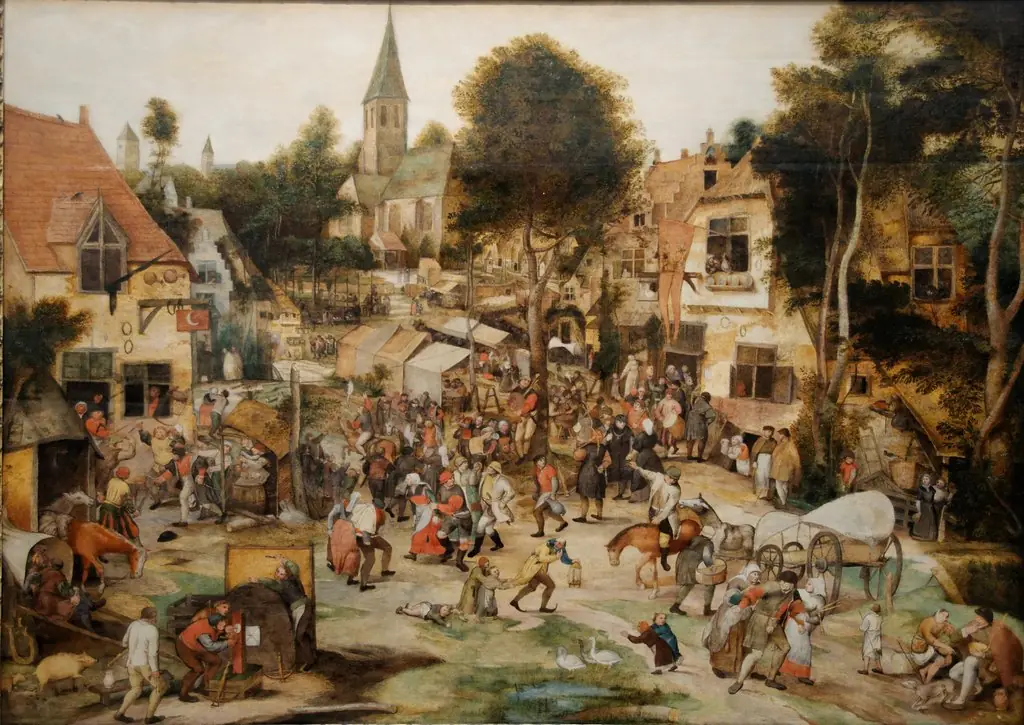 Kermis
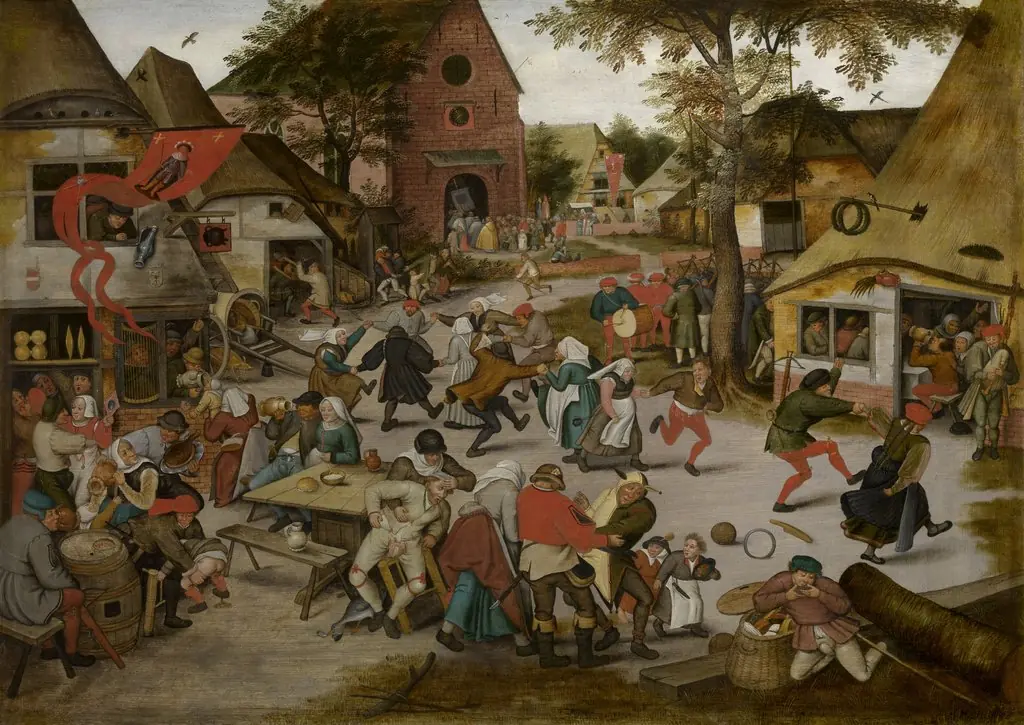 Kermis of Saint George
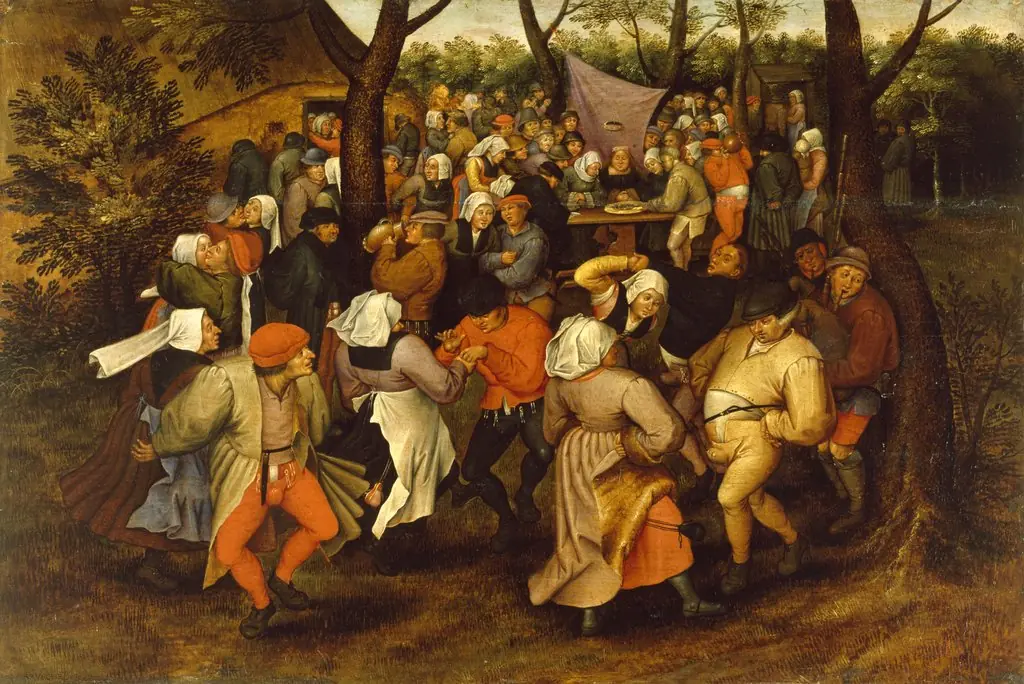 Peasant Wedding Dance
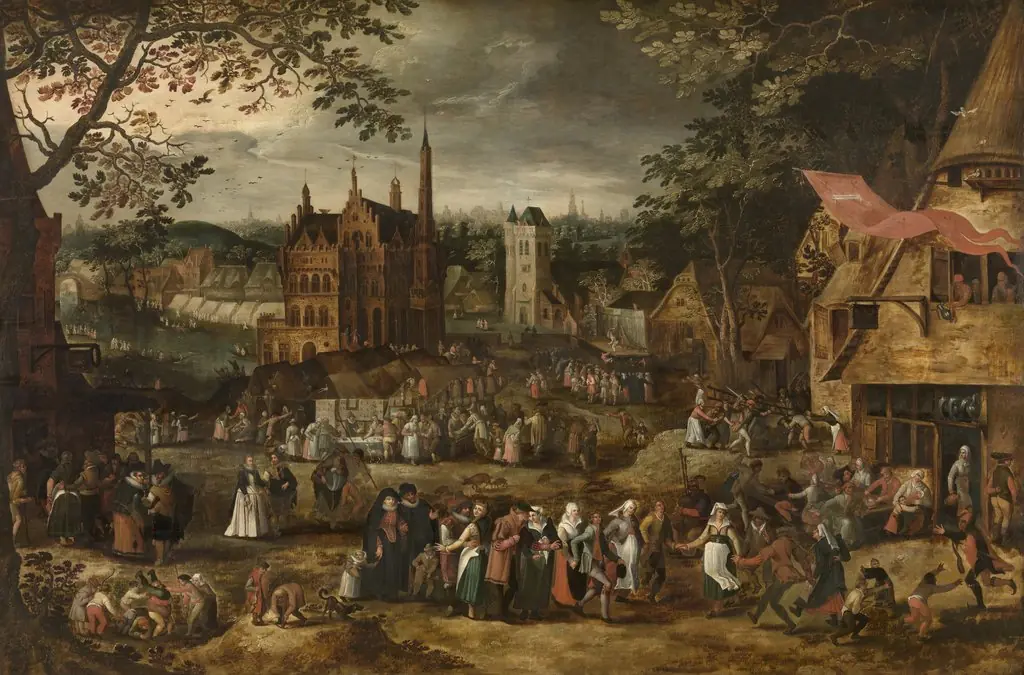 Village Fair