Artwork
The Four Seasons: Summer
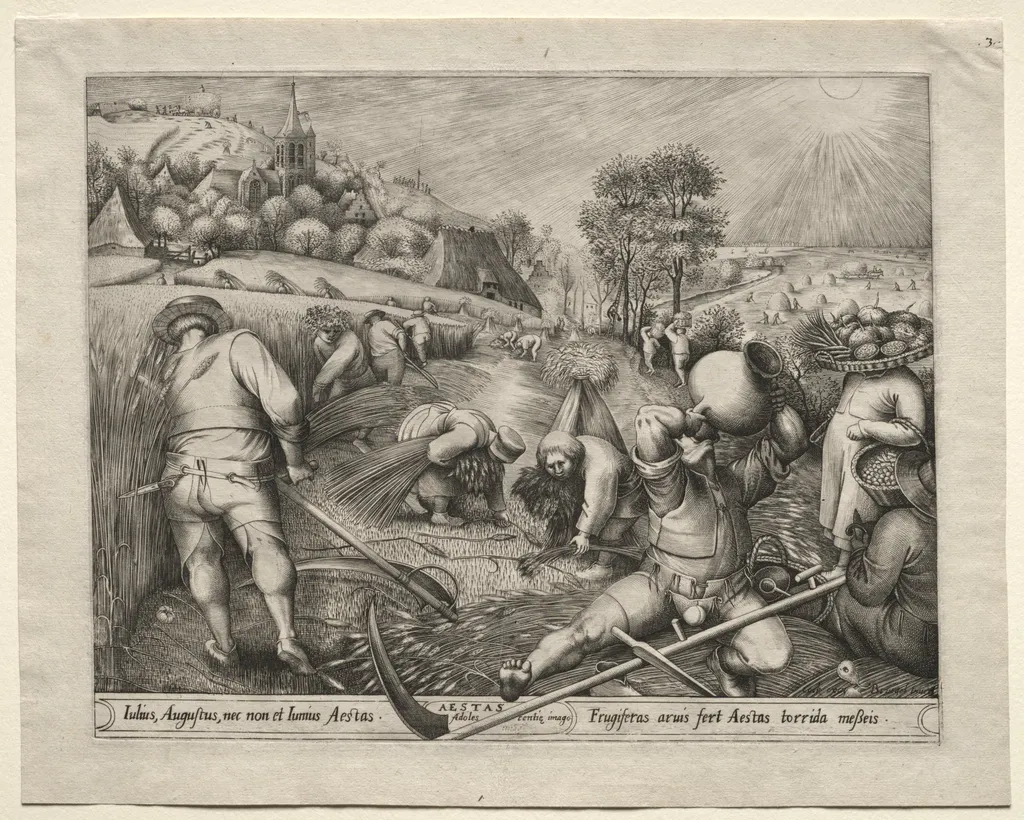
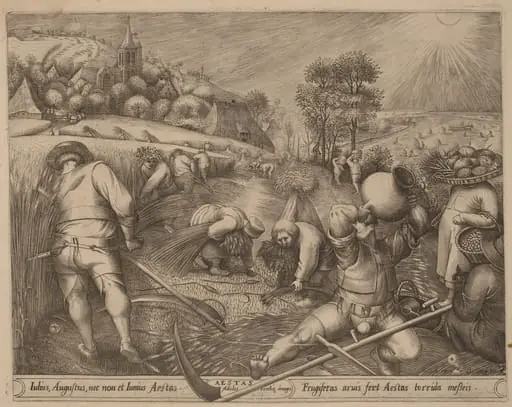
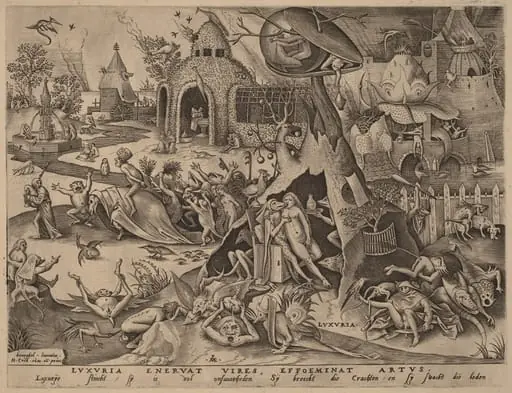
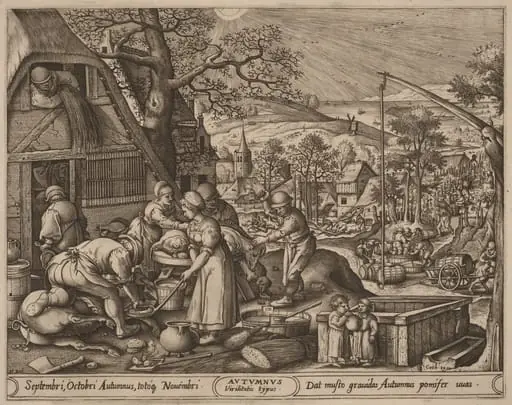
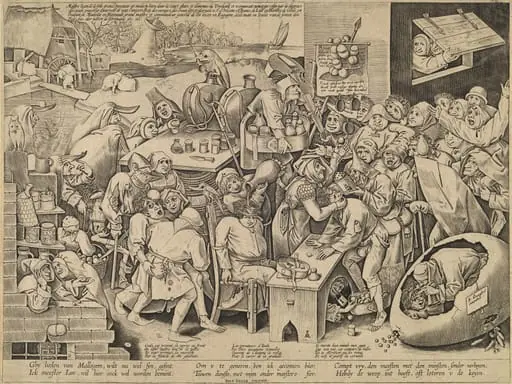
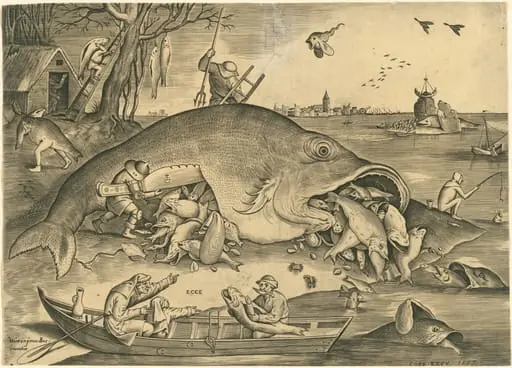
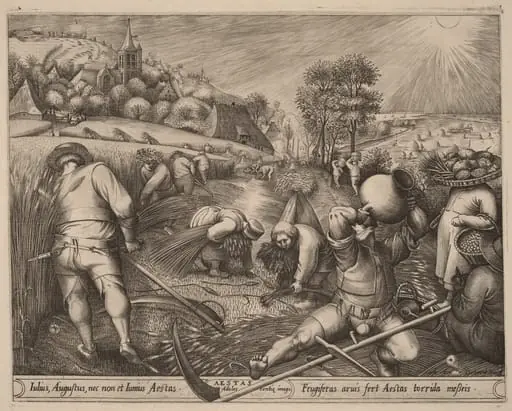
The Four Seasons: Summer is a print by the Renaissance artist Pieter van der Heyden. It dates from 1570 and is held in the collection of the Cleveland Museum of Art. By the 1560s, Antwerp had become a hub for print distribution, with Hieronymus Cock’s firm Aux quartre Vents leading the trade.
About this work
Overview
By the 1560s, Antwerp had become a hub for print distribution, with Hieronymus Cock’s firm Aux quartre Vents leading the trade.
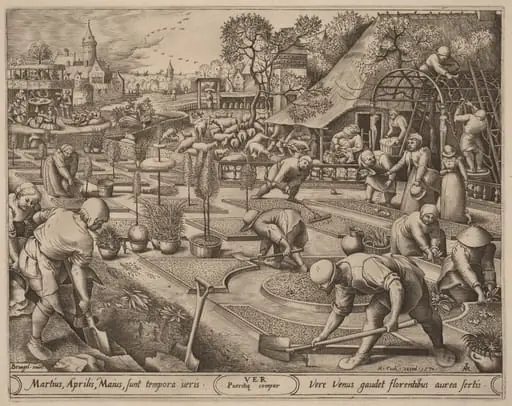
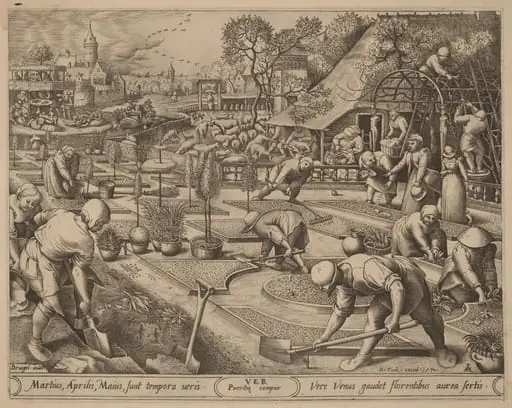
By the 1560s, Antwerp had become a hub for print distribution, with Hieronymus Cock’s firm Aux quartre Vents leading the trade. Cock commissioned Pieter Bruegel the Elder to create designs for seasonal themes, which were then engraved by skilled artisans. Bruegel’s drawings for Summer and Spring were among the first in a planned series of twelve, intended to capture rural life across the year through mass-produced imagery.
Subject & Meaning
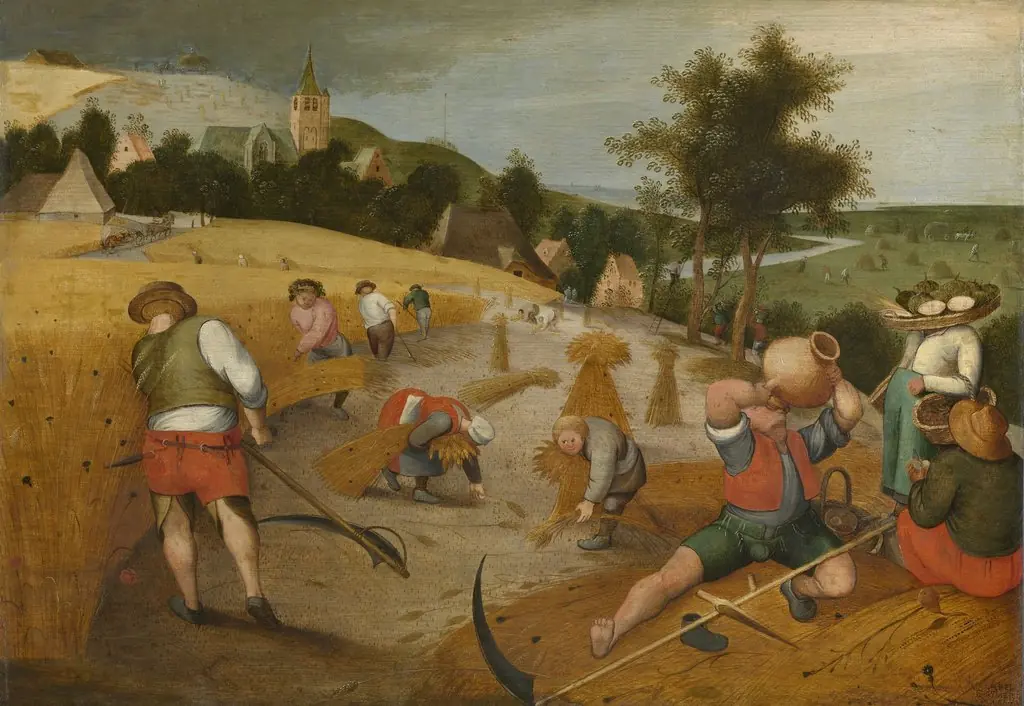
The scene depicts a sweltering midsummer day in the Flemish countryside. A laborer rests beneath a tree while others toil under the sun, oxen dragging a plow through dry fields. The image reflects the rhythm of agrarian life, emphasizing endurance and the unrelenting demands of seasonal labor, rooted in medieval calendar traditions that linked work to the natural cycle.
Technique & Style
Bruegel’s original drawing was translated into a copper engraving by Pieter van der Heyden, whose fine lines captured texture and movement with precision. The composition balances expansive sky with grounded figures, using atmospheric perspective to convey heat and distance. Bruegel’s focus on ordinary laborers, rendered with quiet dignity, distinguishes the work from idealized pastoral scenes of the era.
History & Provenance
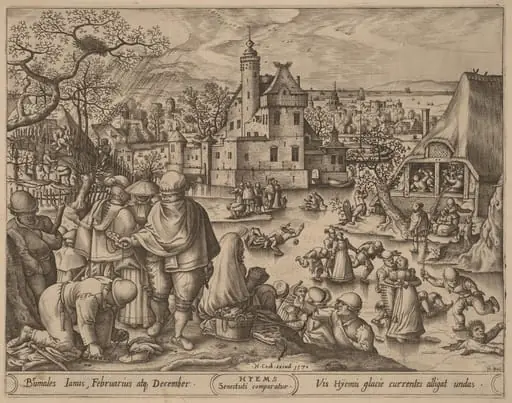
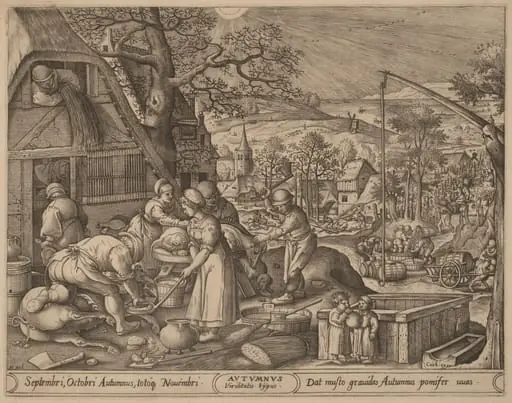
The Summer print was part of a larger series commissioned by Cock in 1565. Bruegel completed drawings for Spring and Summer; Autumn and Winter were later executed by Hans Bol based on Bruegel’s conceptual framework. The prints were widely distributed across Europe, reflecting the commercial success of Cock’s enterprise and the growing appetite for affordable, high-quality imagery.
Context
The series emerged during a period when printmaking democratized access to art, moving beyond religious or aristocratic patrons to reach merchants and artisans. Bruegel’s focus on peasant life aligned with broader humanist interests in daily experience, while Cock’s business model leveraged new technologies to circulate images rapidly across national borders.
Legacy
The Four Seasons prints established a precedent for seasonal cycles in Northern European art, influencing later depictions of rural labor. Bruegel’s collaboration with Cock demonstrated how artistic vision could be scaled through print, embedding his imagery into the visual culture of early modern Europe. The series remains a key example of the intersection between artistic intent and commercial enterprise.
Artist & collection

Artist
Pieter van der Heyden (c. 1530 - after March 1572) was a Flemish printmaker who is known for his reproductive engravings after works by leading Flemish painters and designers of the 16th century.