Artwork
The Wedding of Mopsus and Nisa (The Dirty Bride)
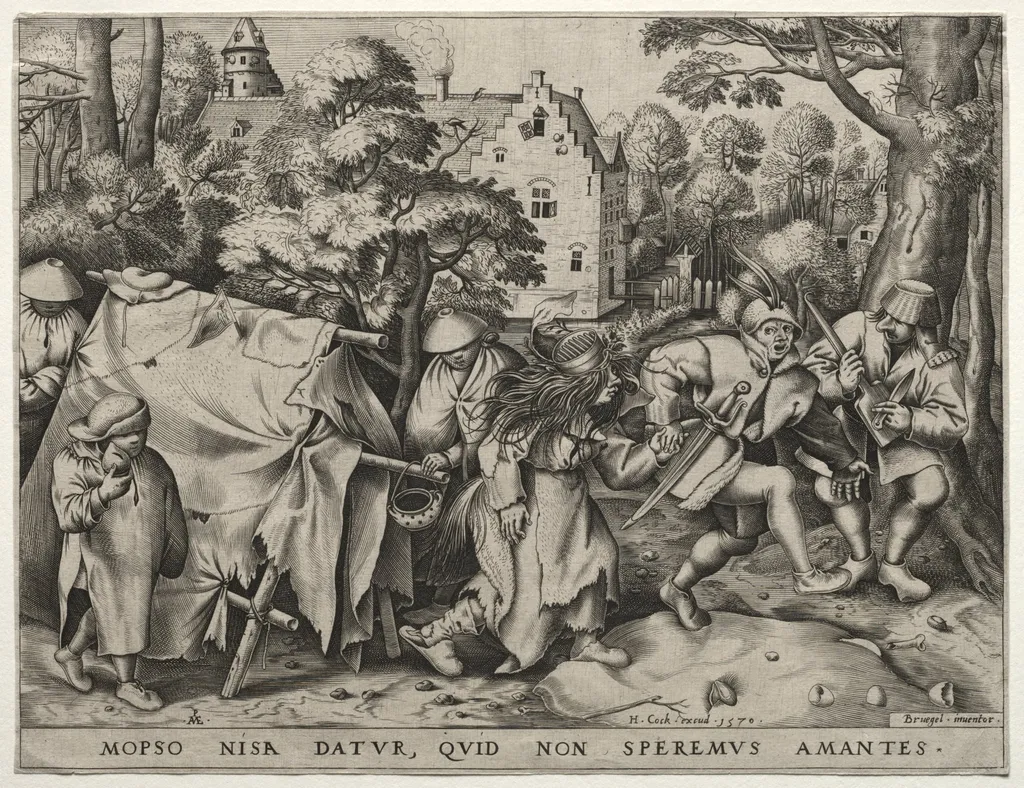
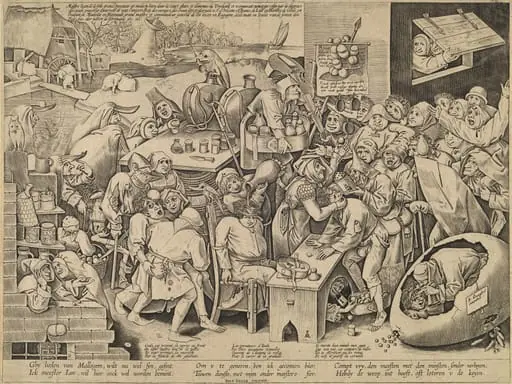
The Wedding of Mopsus and Nisa (The Dirty Bride) is a print by the Renaissance artist Pieter van der Heyden. It dates from 1570 and is held in the collection of the Cleveland Museum of Art.
About this work
Overview
The Wedding of Mopsus and Nisa (The Dirty Bride) is a 1570 print by Pieter van der Heyden, a Flemish printmaker known for reproducing works by prominent artists. This satirical print was produced in Antwerp, a hub of printmaking innovation during the 16th century.
Subject & Meaning
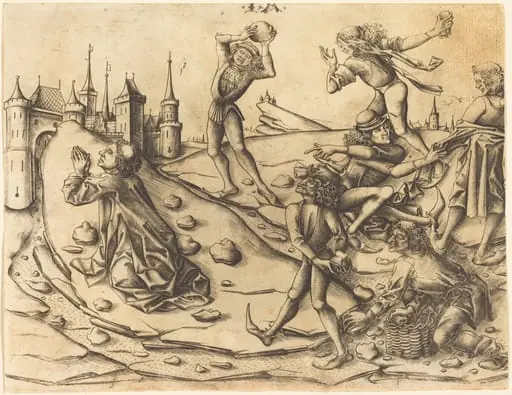
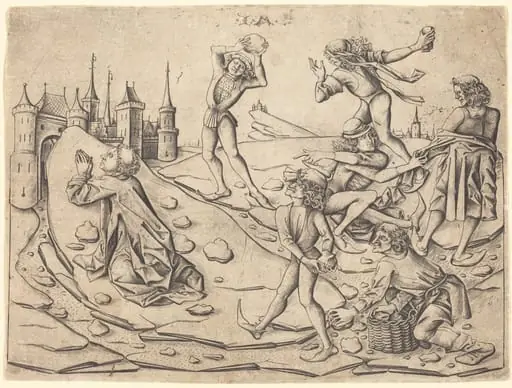
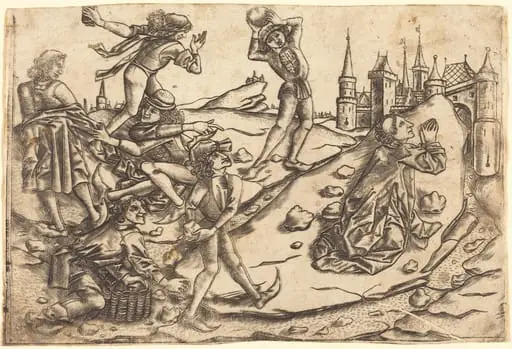
The print depicts a wedding ceremony in a wooded area with a large building in the background. The scene blends moralizing humor with detailed narrative elements, likely based on a contemporary Flemish design. Figures in old-fashioned clothing engage in an activity, with a woman being led by a man and another shouting while holding a stick.
Technique & Style
As a reproductive engraving, the work's style is derivative of Flemish painters and designers of the time. The composition features a mix of figural activity in the foreground and architectural detail in the background, set amidst trees.
History & Provenance
Created in 1570 in Antwerp, the print is now part of the Cleveland Museum of Art's collection.
Context
Produced in a period of artistic innovation, the print reflects Antwerp's significance as a 16th-century printmaking center. Its themes and style align with the Renaissance influences prevalent in Netherlandish art.
Legacy
While specific lasting impacts of *The Wedding of Mopsus and Nisa* are not widely documented, it contributes to the understanding of 16th-century Flemish printmaking and satirical themes in art of the era.
Artist & collection

Artist
Pieter van der Heyden (c. 1530 - after March 1572) was a Flemish printmaker who is known for his reproductive engravings after works by leading Flemish painters and designers of the 16th century.