Artwork
Nicolas Chrystin
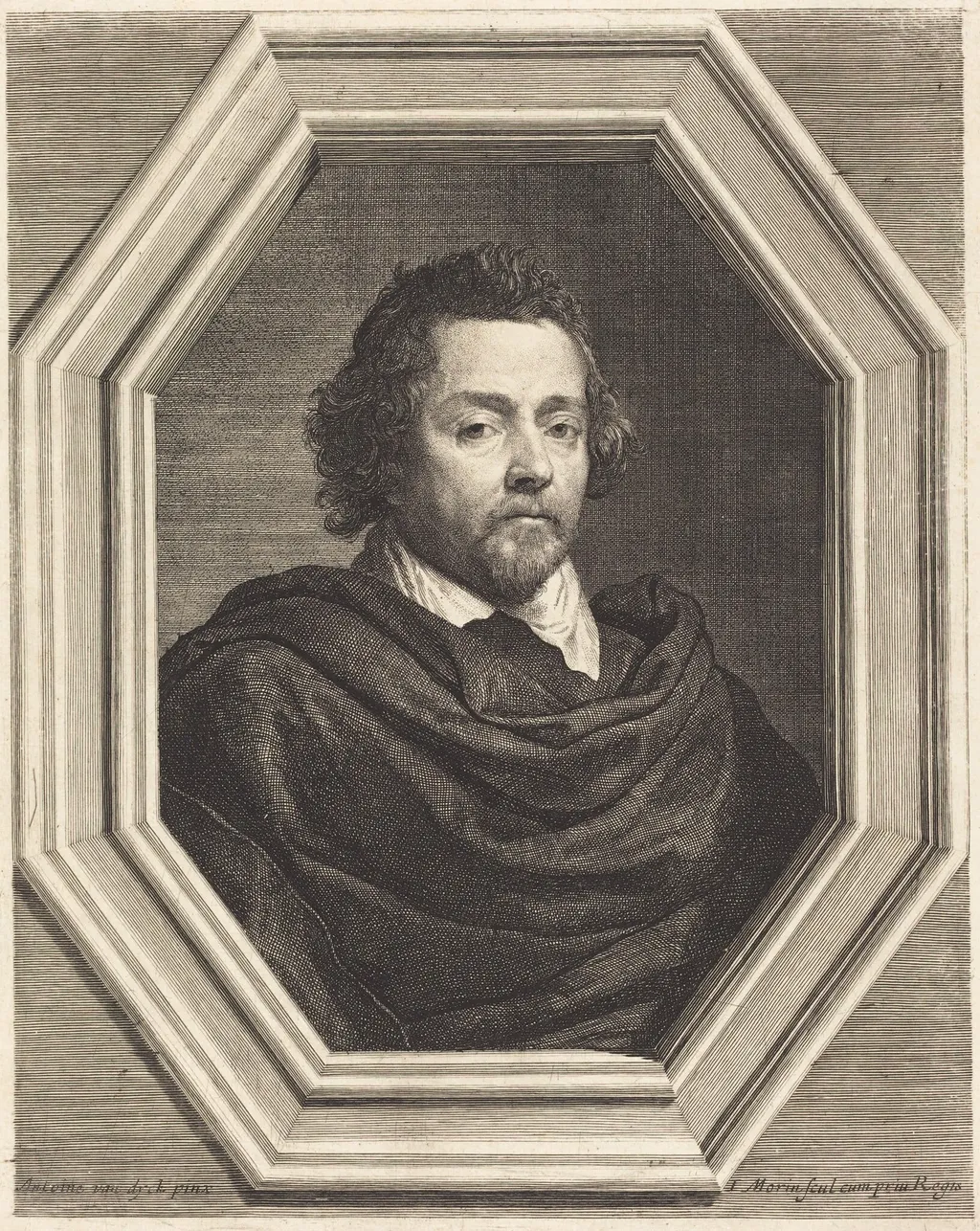
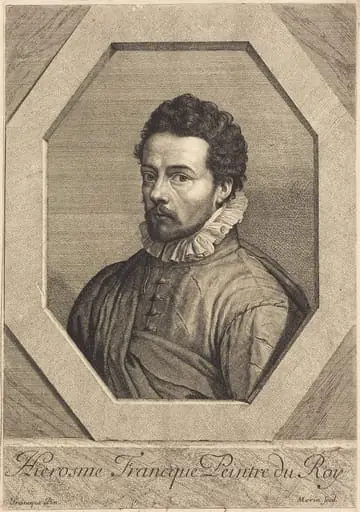
Nicolas Chrystin is an ink print by the Baroque artist Jean Morin. It dates from 1625 and is held in the collection of the National Gallery of Art.
About this work
Overview
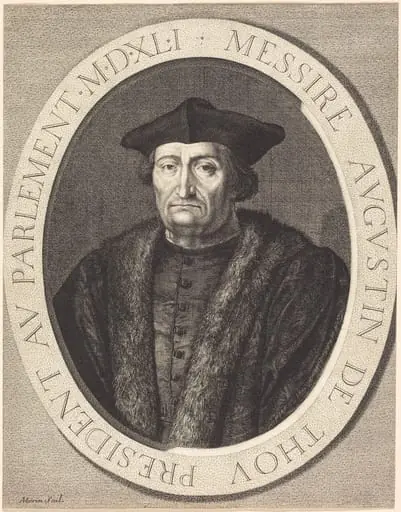
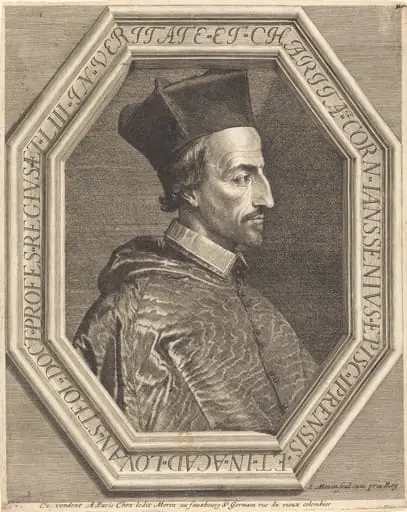
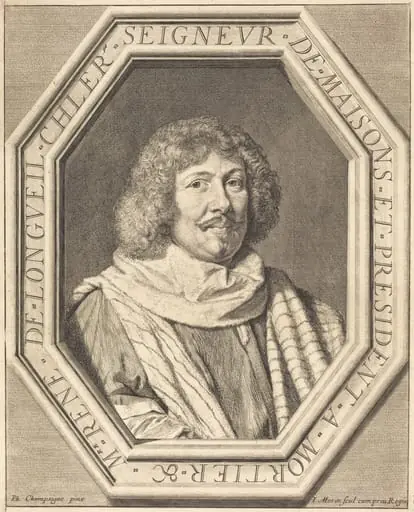
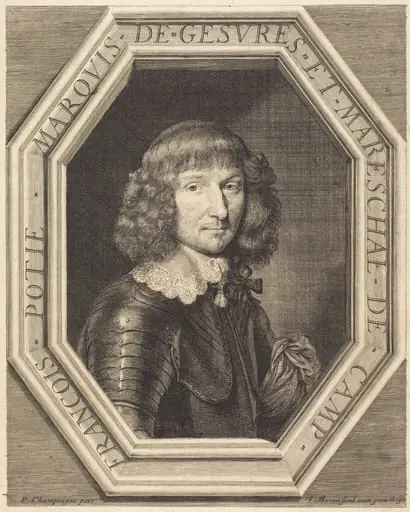
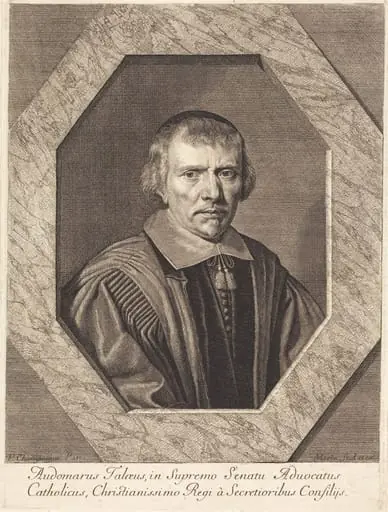
An engraving from 1625, *Nicolas Chrystin* is the work of Jean Morin, a French printmaker known for his technical experimentation. Executed in intaglio, the portrait captures a seated male figure with precise linework and tonal gradation. Morin’s use of cross-hatching and fine detail reflects the era’s emphasis on realism, distinguishing this piece within early 17th-century French printmaking.
Subject & Meaning
His dignified posture, dark attire, and contemplative gaze suggest a person of social standing, possibly a scholar or cleric.
The sitter, identified only as Nicolas Chrystin, remains otherwise undocumented in historical records. His dignified posture, dark attire, and contemplative gaze suggest a person of social standing, possibly a scholar or cleric. The absence of identifying symbols or context invites interpretation focused on character rather than status, aligning with a broader trend of psychological portraiture in the Baroque period.
Technique & Style
Morin employed fine-line engraving to render texture in the subject’s beard, hair, and fabric folds. Cross-hatching creates subtle shifts in light and shadow, enhancing three-dimensionality. The octagonal border frames the composition with geometric restraint, contrasting the organic forms of the figure. This integration of detail and structure exemplifies Morin’s skill in balancing precision with expressive depth.
History & Provenance
The engraving was produced in Paris during a period of flourishing print culture. While its early ownership is unrecorded, it entered institutional collections in the 19th century, likely through academic or private collections focused on French graphic arts. No known variant impressions exist, suggesting limited circulation, possibly as a private commission or study piece.
Context
In early 17th-century France, portraiture in print was increasingly valued for its accessibility and fidelity. Morin’s work emerged alongside artists like Jacques Callot, who similarly explored human expression through engraving. The focus on individual likeness, without overt symbolism, reflects a shift toward secular, introspective representation in a society still shaped by religious and aristocratic patronage.
Legacy
Though Morin is not widely remembered today, *Nicolas Chrystin* stands as a refined example of his technical innovation. The engraving contributes to the understanding of how printmakers expanded portraiture beyond elite commissions, using fine line and tonal control to convey psychological presence. It remains a reference point in studies of French Baroque graphic arts.
Artist & collection
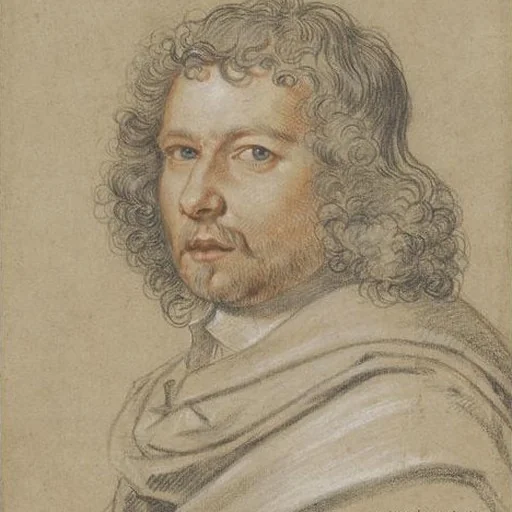
Artist
Jean Morin (c.1595 or 1605 – 1650) was a French baroque painter, printmaker, painter, etcher, engraver and publisher.