Artwork
Jupiter
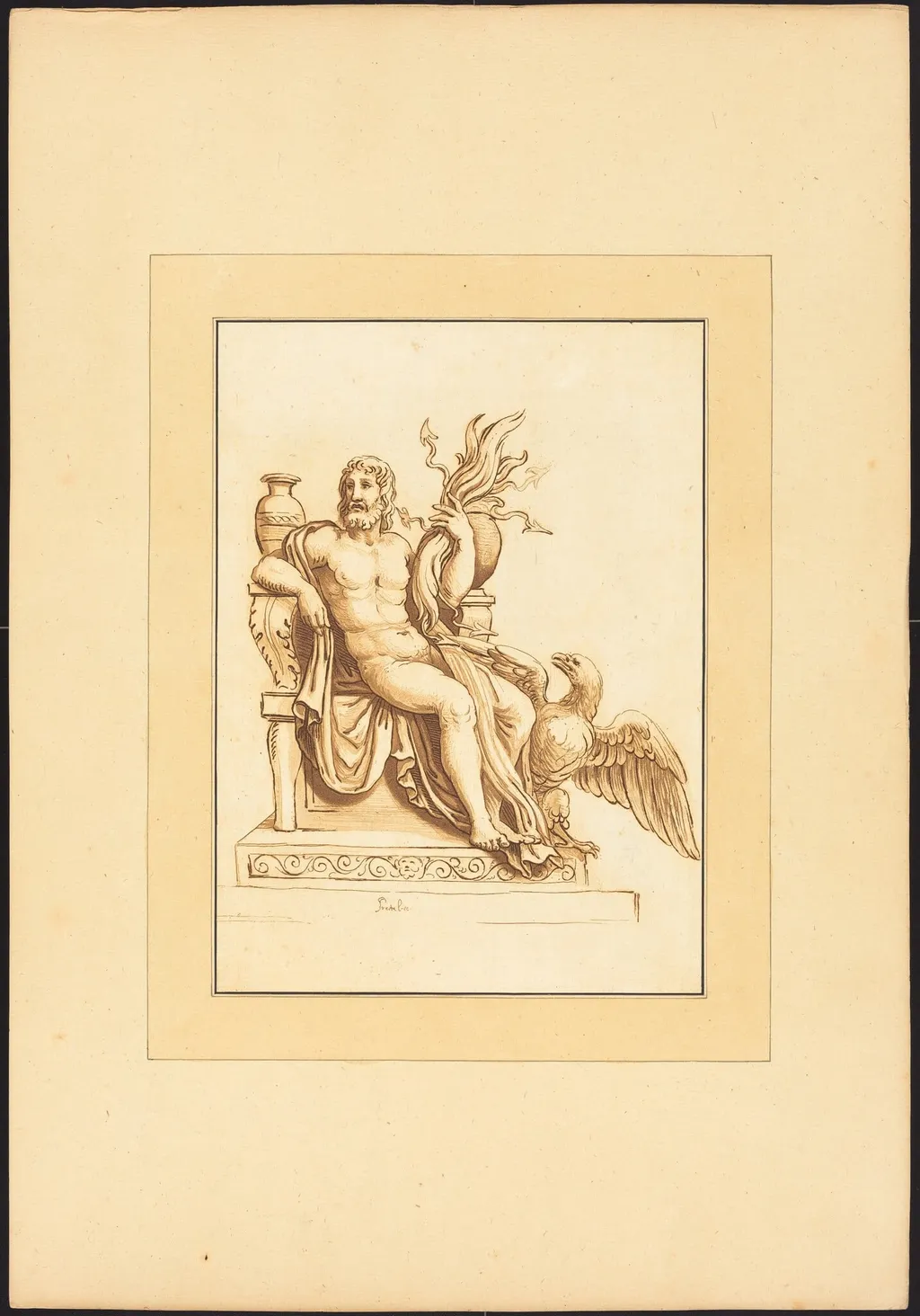
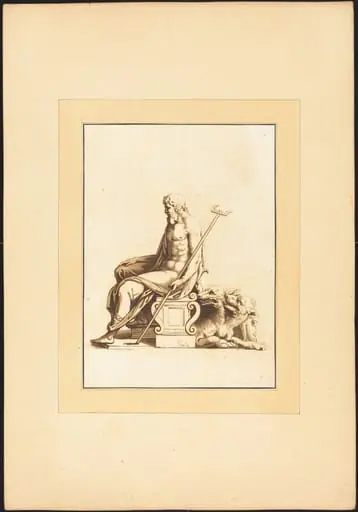
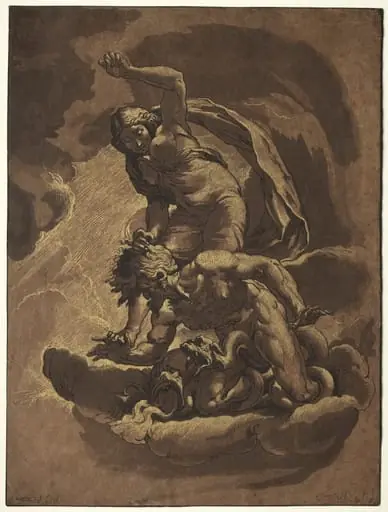
Jupiter is an ink print by the Romanticist artist Maria Catharina Prestel. It dates from 1781 and is held in the collection of the National Gallery of Art.
About this work
Overview
Jupiter is a print created by Maria Catharina Prestel in 1781, utilizing aquatint and etching techniques in a palette of dark and light brown.
Subject & Meaning
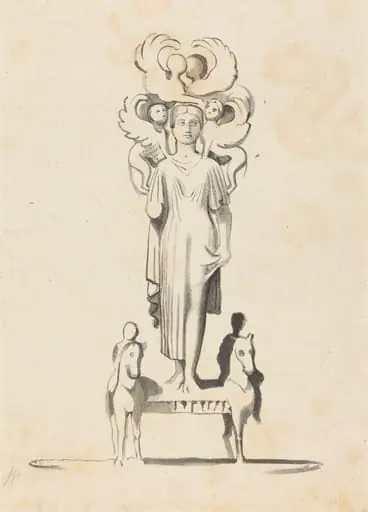
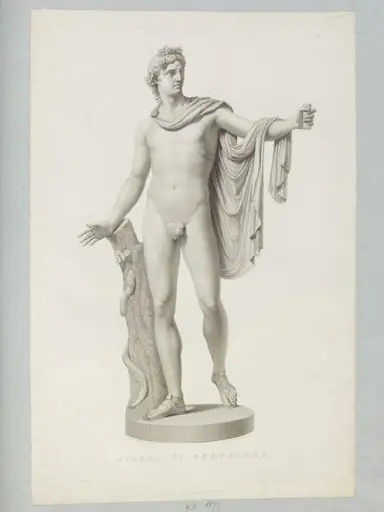
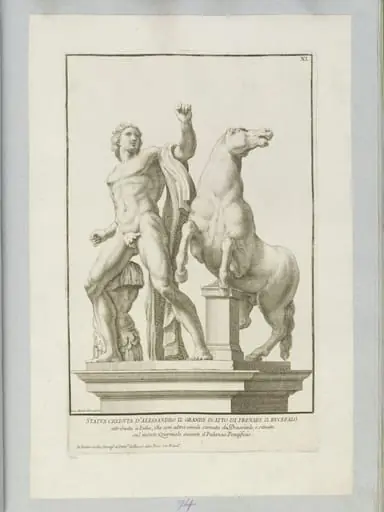
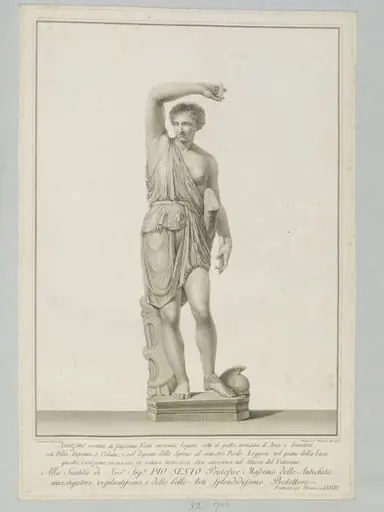
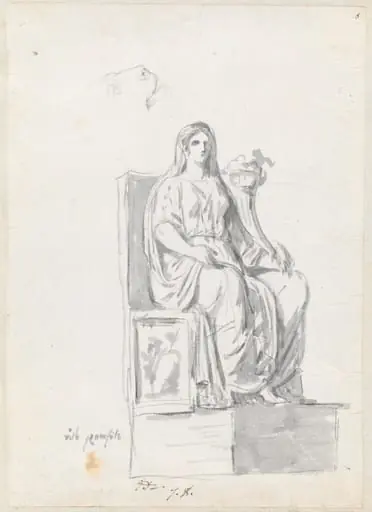
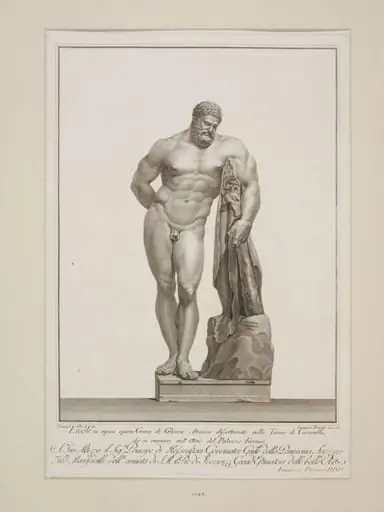
The print depicts a bearded male figure, identified as Jupiter, seated on a pedestal, holding a flaming torch. Accompanied by an eagle with outstretched wings on a nearby base, the composition conveys power and strength, leveraging the eagle as a timeless symbol of these attributes in ancient mythology.
Technique & Style
Prestel demonstrates her mastery of tonal printmaking in Jupiter, skillfully employing aquatint and etching to achieve nuanced shades in dark and light brown, characteristic of late 18th-century technical advancements in the field.
History & Provenance
Created in 1781 by Maria Catharina Prestel (née Höll, 1747, Nuremberg), who worked as an engraver and painter in London. Part of a series depicting gods and heroes from ancient mythology.
Context
Jupiter reflects Prestel's work within the late 18th-century printmaking scene, particularly in London, where she applied her skills in engraving and painting to mythological themes.
Legacy
While specific lasting impacts of Jupiter on subsequent art are not highlighted, it showcases Prestel's contribution to the technical and thematic developments in late 18th-century printmaking, especially among female artists of her time.
Artist & collection
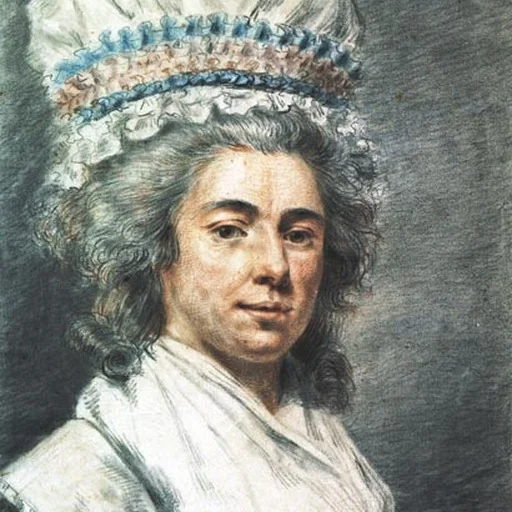
Artist
Maria Katharina Prestel (22 July 1747 – 16 March 1794) née Maria Katharina Höll, was an engraver and painter from Nuremberg, and active in London.