Artwork
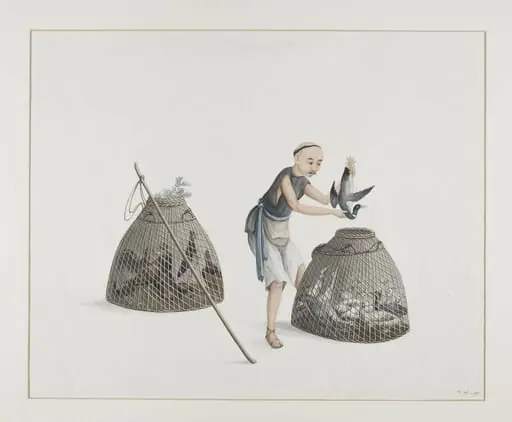
Boy Playing With Bird
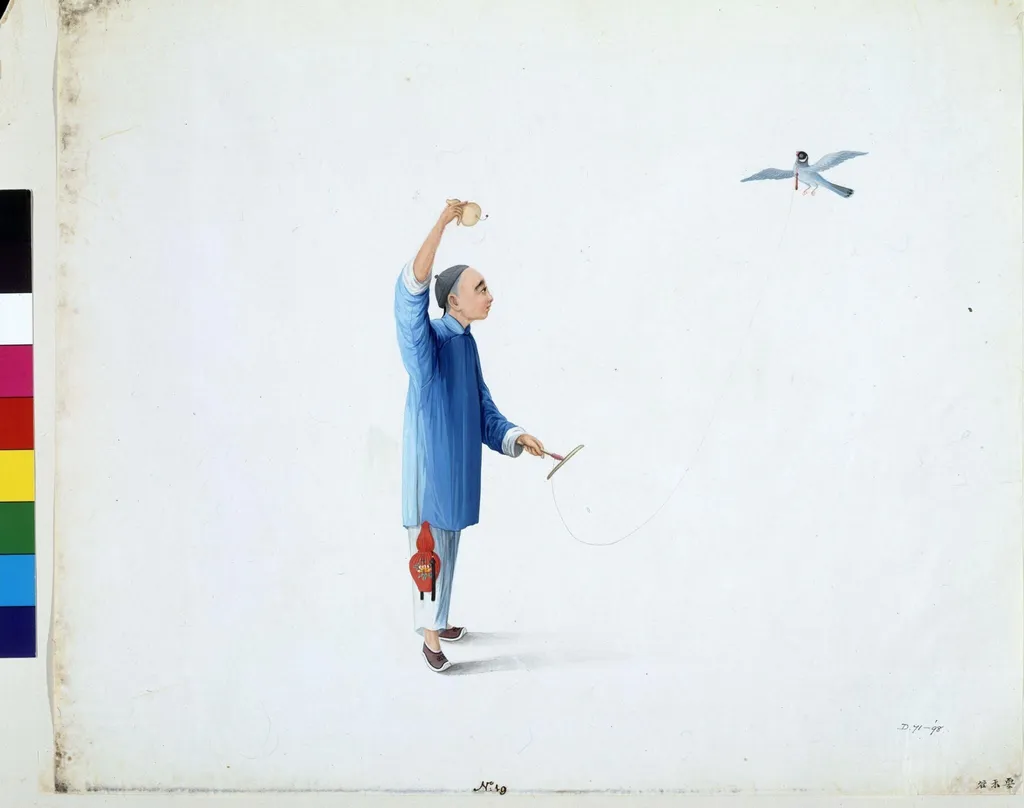
Boy Playing With Bird is a paint painting by the Patna School of Painting artist Puqua. It dates from 1790 and is held in the collection of the Victoria and Albert Museum.
About this work
Overview
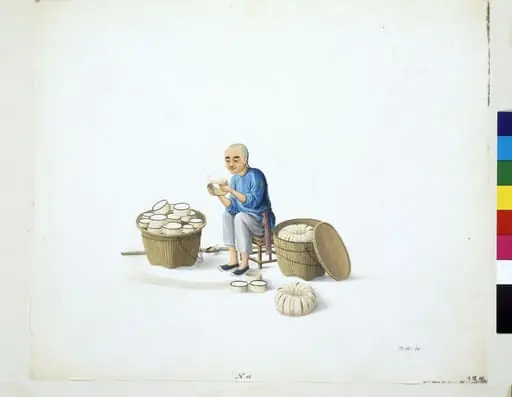
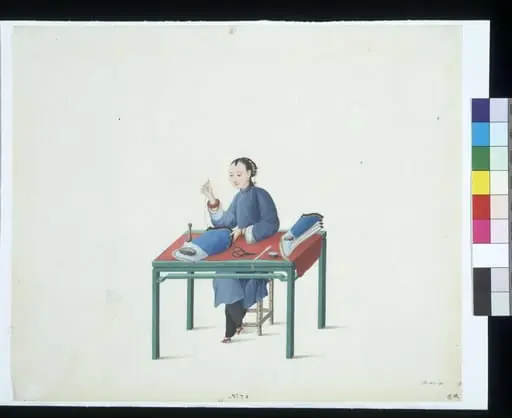
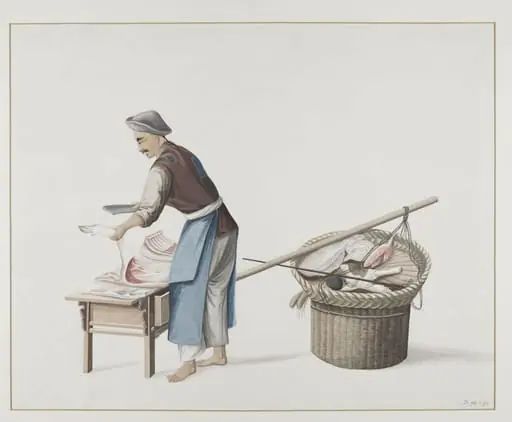
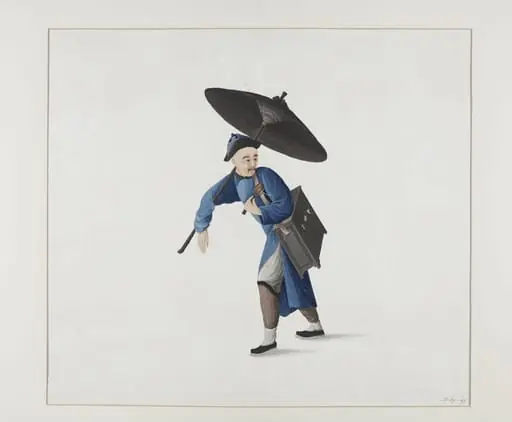
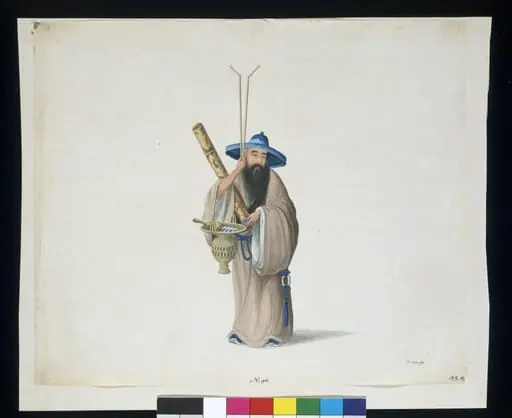
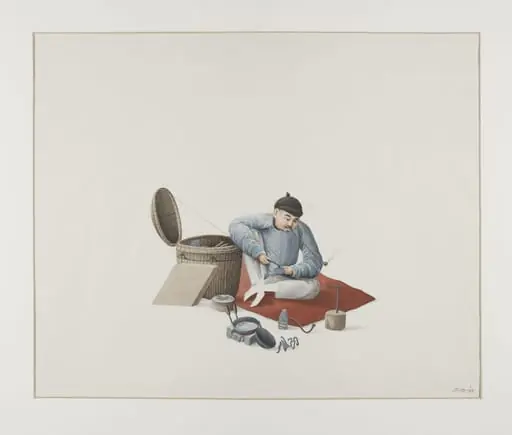
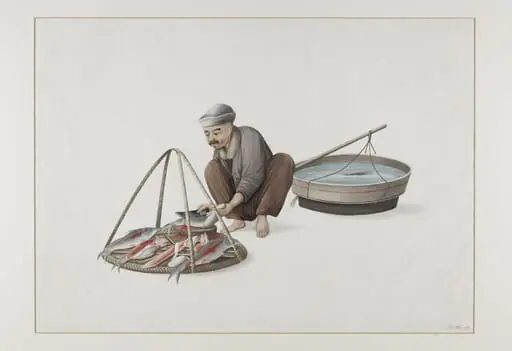
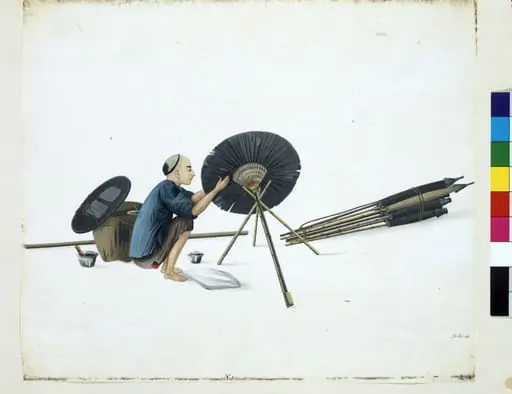
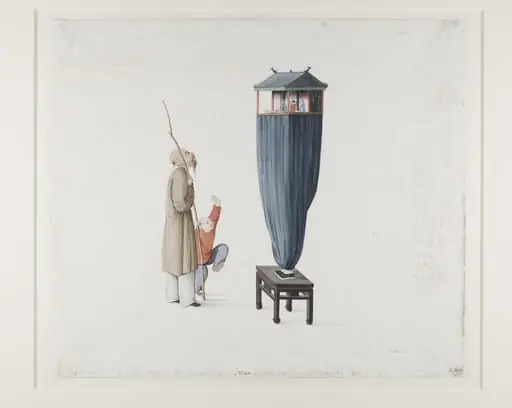
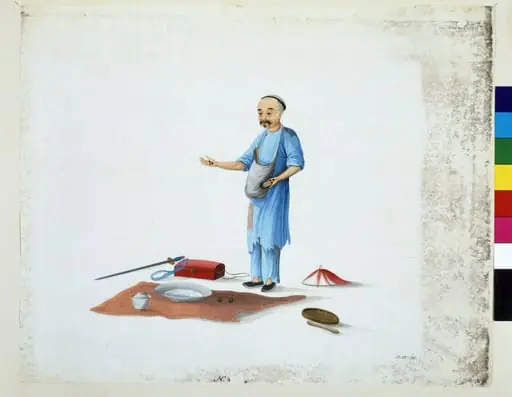
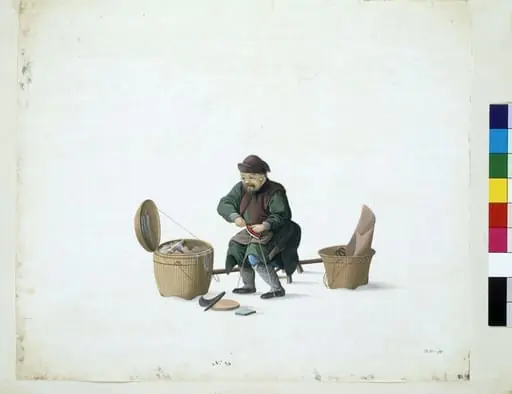
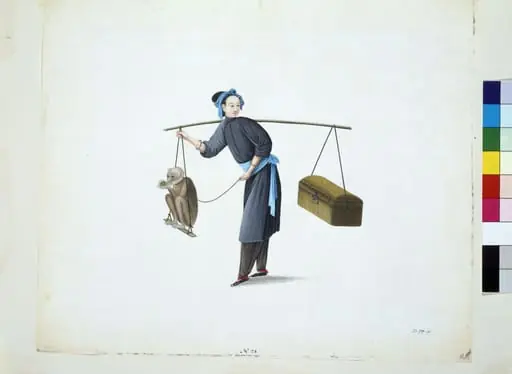
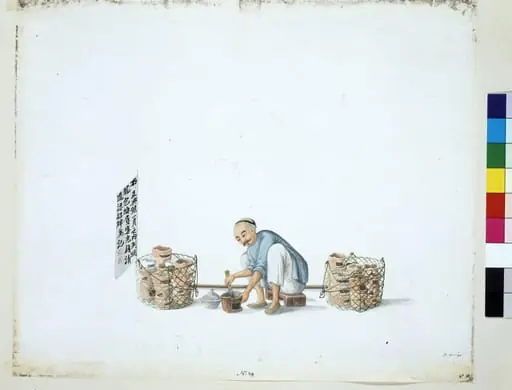
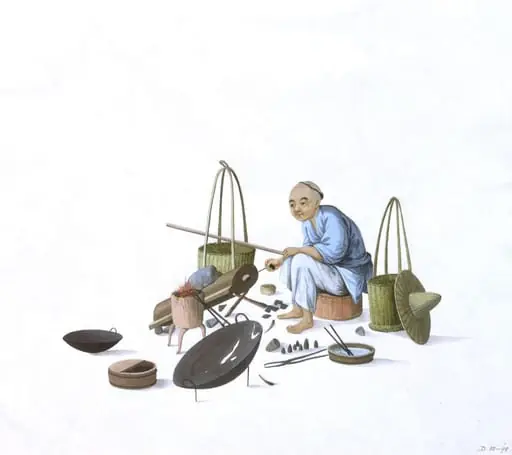
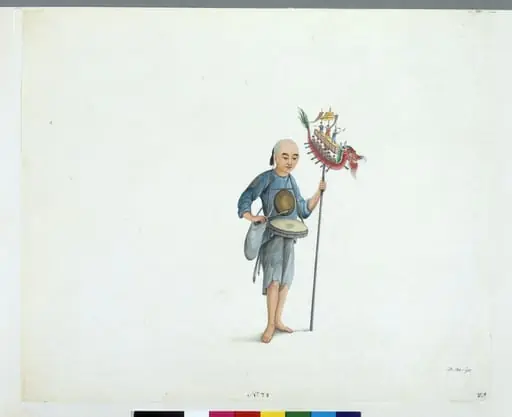
This oil painting is one of a hundred works produced in Canton during the late 18th or early 19th century, each illustrating a distinct trade or daily activity.
This oil painting is one of a hundred works produced in Canton during the late 18th or early 19th century, each illustrating a distinct trade or daily activity. Created for export to European markets, the series aimed to satisfy foreign curiosity about Chinese society. The boy with the bird represents an intimate, everyday moment rather than a formal profession, offering a glimpse into domestic life.
Subject & Meaning
The scene captures a child in quiet interaction with a small bird, likely a pet or captured songbird. The tender gesture suggests companionship rather than utility, contrasting with other panels that depict labor. The subject reflects a romanticized view of childhood innocence, appealing to European tastes while subtly conveying Chinese domestic values through understated emotion.
Technique & Style
Executed in oil on canvas, the painting employs soft modeling and muted tones to render textures of fabric and feathers. Brushwork is precise but unobtrusive, favoring clarity over dramatic effect. The composition centers the figures against a neutral background, directing attention to their interaction without architectural or environmental detail.
History & Provenance
Produced by Canton-based artists for Western traders and collectors, the series was part of a commercial art industry catering to the China trade. These works were often shipped to Europe as souvenirs or decorative items. While individual attributions are rare, the style aligns with artists working in the port city’s export art workshops during the Qing dynasty’s late period.
Context
The paintings emerged during a time of restricted foreign access to China, making Canton a key point of cultural exchange. Europeans sought visual records of Chinese life, and local artists adapted their output to foreign expectations. Though not part of any formal artistic movement, these works functioned as ethnographic curiosities, blending observation with stylized conventions familiar to both cultures.
Legacy
The series remains a valuable record of 19th-century Chinese daily life as interpreted for foreign audiences. While often overlooked in Western art histories, these paintings now inform scholarly studies on cross-cultural representation and the global trade in visual culture. Their quiet realism offers a counterpoint to more overtly exoticized depictions of China from the same era.
Artist & collection