Artwork
Mary, Queen of Scots
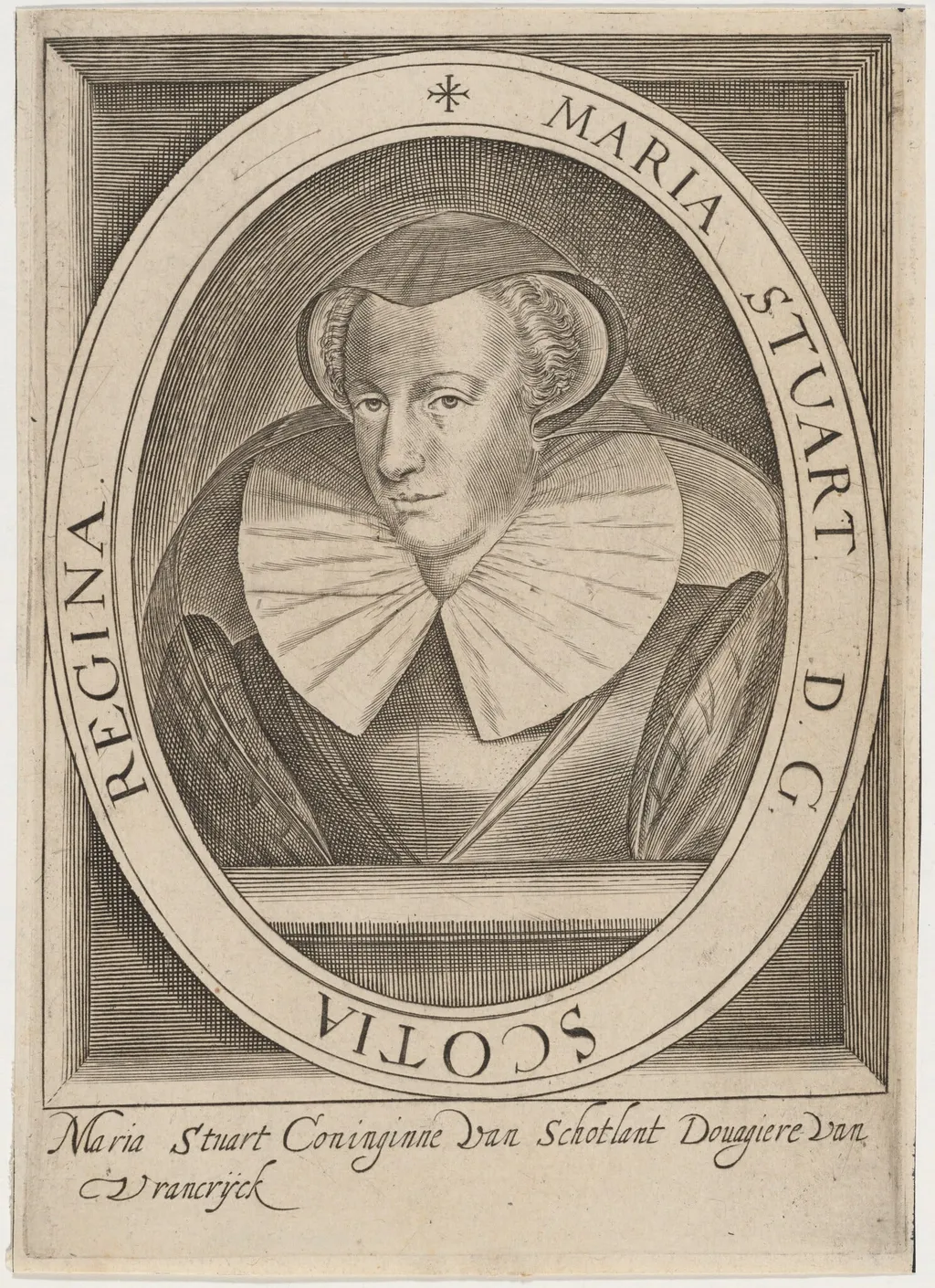
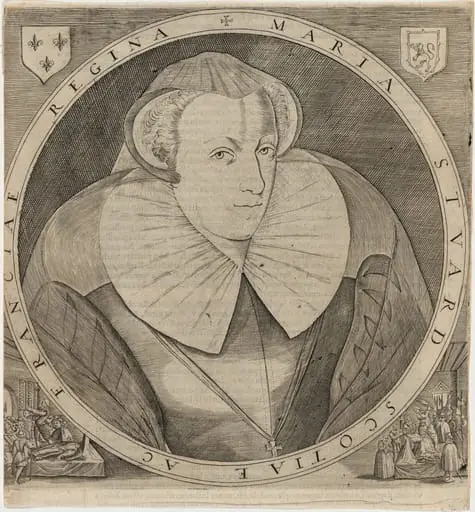
Mary, Queen of Scots is an ink print by the Baroque artist Crispyn van den Queboorn. It dates from 1628 and is held in the collection of the National Gallery of Art.
About this work
Overview
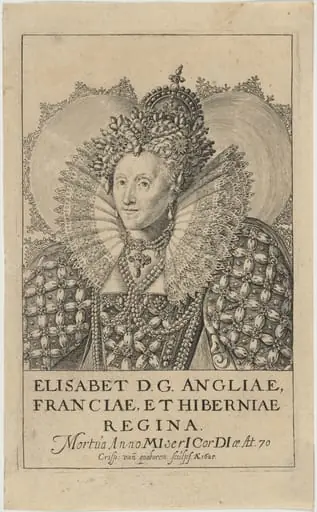
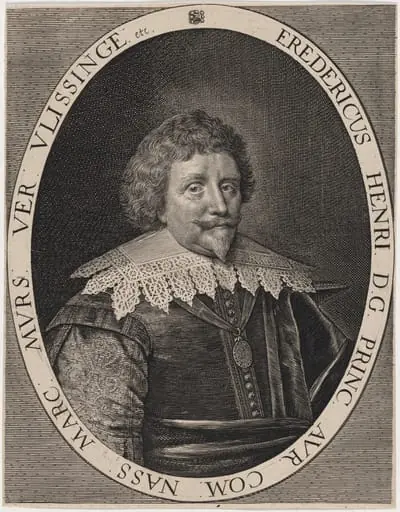
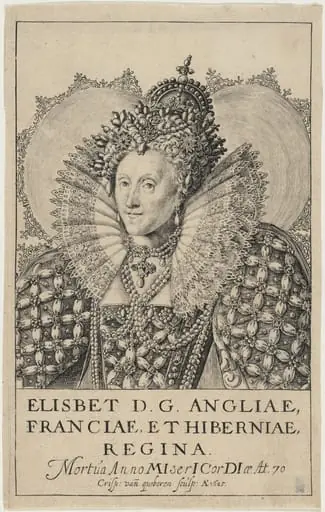
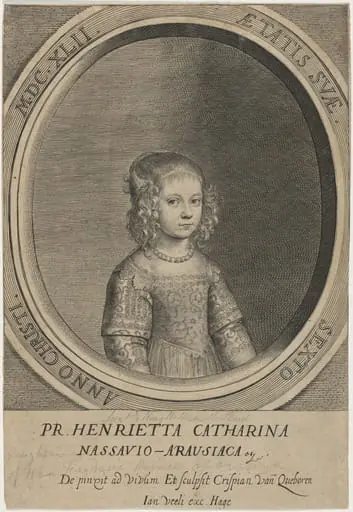
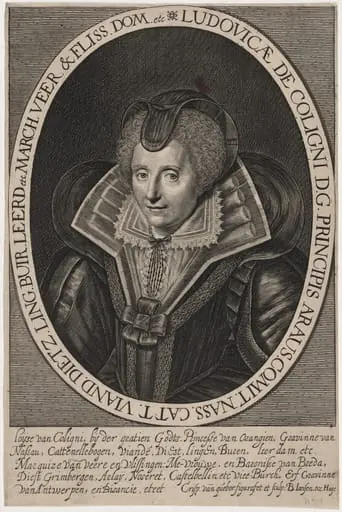
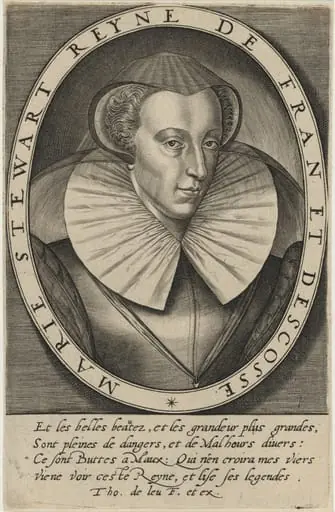
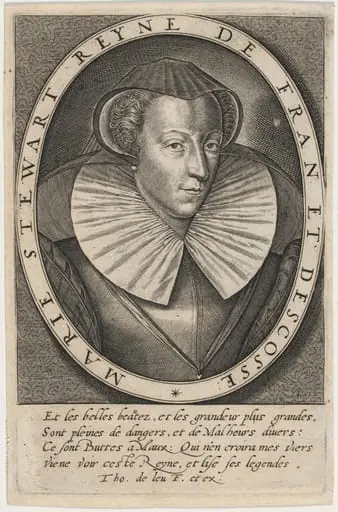
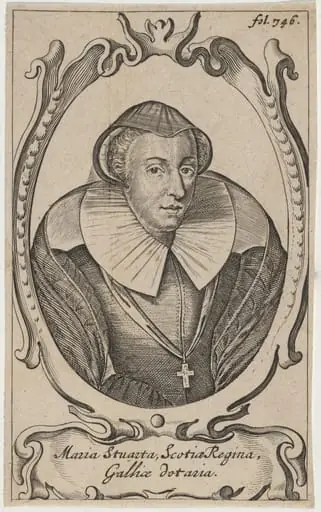
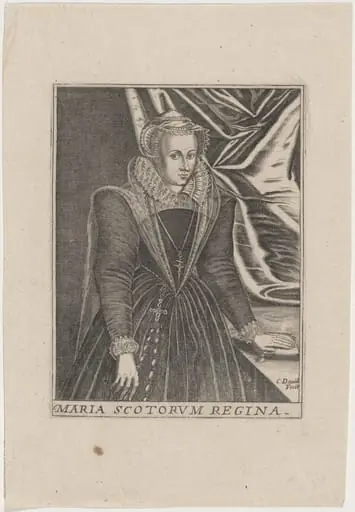
Crispyn van den Queboorn’s 1628 engraving presents a portrait of Mary, Queen of Scots. Rendered in monochrome, the image shows the monarch in a solemn pose, framed within an oval border that bears her name and title in Latin. The composition is stark, with a plain backdrop that focuses attention on the sitter’s attire and expression.
Subject & Meaning
The work depicts Mary Stuart as a regal figure, emphasizing her status through the elaborate high collar and intricately patterned ruff that frame her face. The serious expression and dignified bearing reflect contemporary notions of royal authority and the personal gravity associated with her tumultuous reign.
Technique & Style
Van den Queboorn employed fine, intersecting lines to model light and shadow, a method known as cross‑hatching. This approach creates subtle gradations in the hair, fabric, and facial features, allowing the engraving to convey texture and depth despite the absence of color. The precision of the line work is characteristic of early 17th‑century printmaking.
History & Provenance
The engraving was produced in 1628, several decades after Mary’s execution, and likely served as a commemorative image circulated among supporters and collectors. Its survival in museum collections indicates it was valued as a visual record of the queen’s likeness and as an example of van den Queboorn’s printmaking.
Context
Printed during a period when portrait engravings were a primary means of disseminating royal imagery, this work reflects the broader European practice of memorializing sovereigns through reproducible media. The inclusion of Latin titles around the frame aligns with contemporary conventions that reinforced the subject’s legitimacy and lineage.
Artist & collection