Artwork
Princess Louisa, Daughter of Henry Frederick
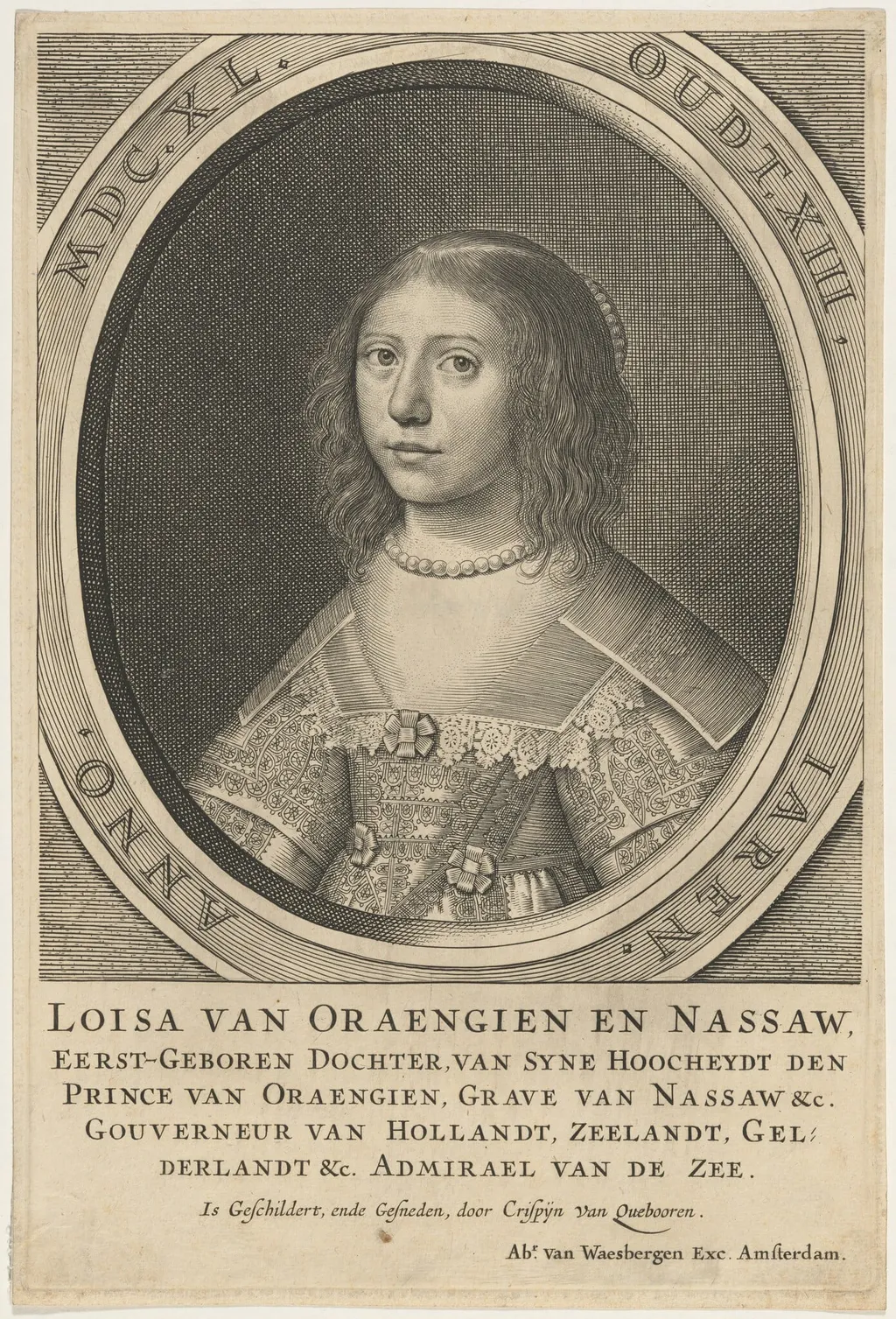
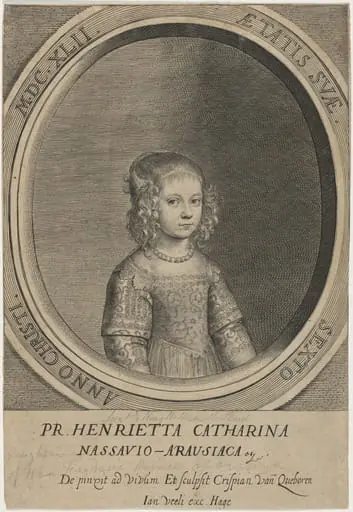
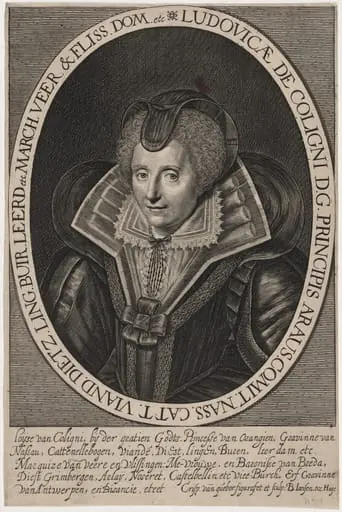
Princess Louisa, Daughter of Henry Frederick is an ink print by the Baroque artist Crispyn van den Queboorn. It dates from 1628 and is held in the collection of the National Gallery of Art.
About this work
Overview
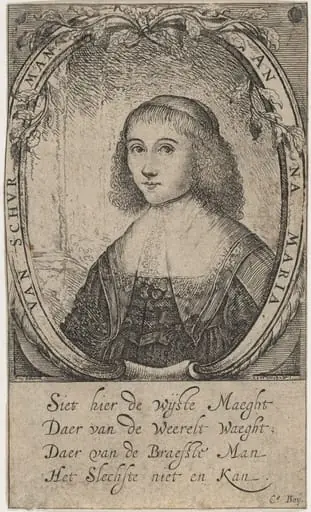
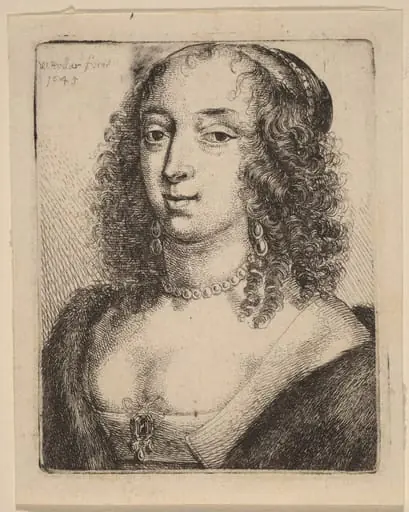
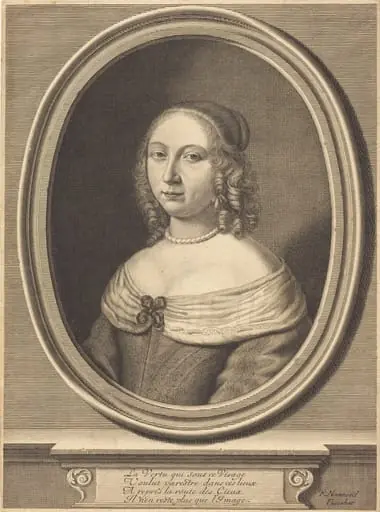
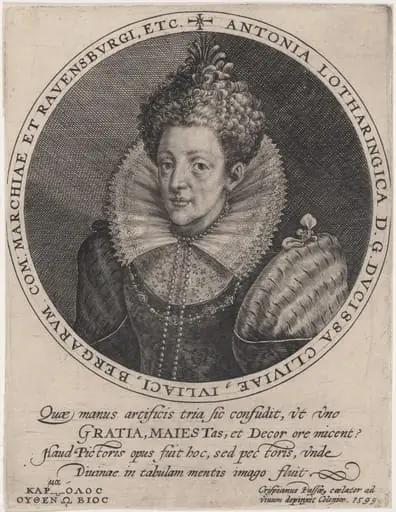
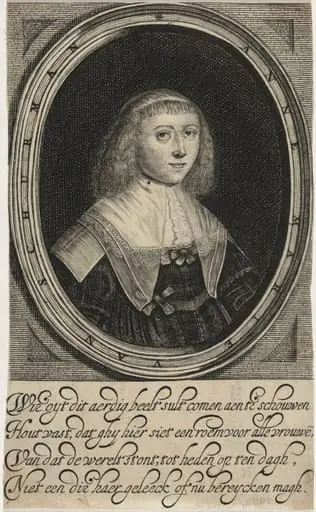
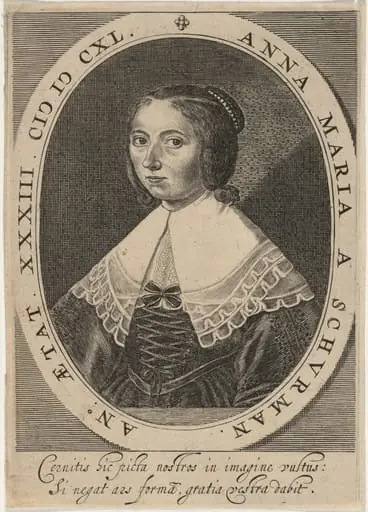
Princess Louisa, Daughter of Henry Frederick is a 1628 engraving by Crispyn van den Queboorn, portraying a serene and dignified female subject adorned in period finery.
Subject & Meaning
The engraving depicts Princess Louisa, identified by her attire—a lace-collared dress, pearl necklace, and bowed waist—conveying nobility and refinement through her calm, subtly smiling expression.
Technique & Style
Characterized by intricate lines, detailed textures, and a circular border against a dark background, the work exemplifies Baroque engraving's emphasis on depth and dimensionality.
History & Provenance
Created in 1628 by Crispyn van den Queboorn, specific provenance details are not provided, highlighting the engraving's attribution and date as primary historical context.
Context
The piece reflects the Baroque style's grandeur, though its intimate scale and portrait focus temper this aspect, suggesting a balance between dramatic flair and personal, noble representation.
Legacy
While the engraving's direct influence is not detailed, it remains a representative example of 17th-century Baroque engraving techniques and aristocratic portraiture of its time.
Artist & collection