Artwork
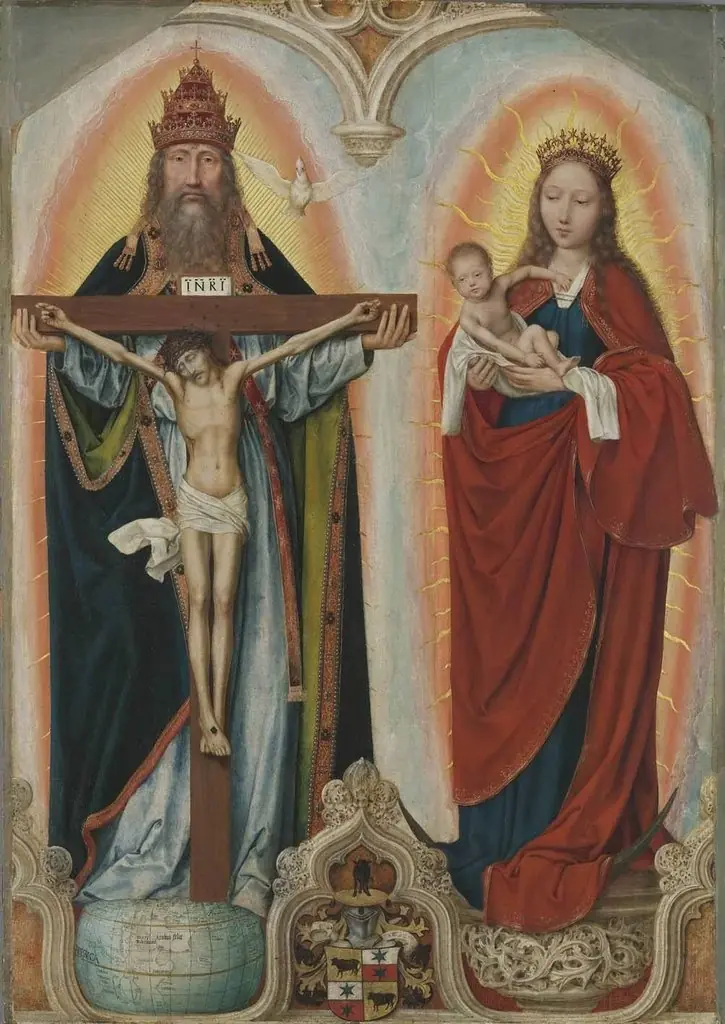
Rem-Altar: Heilige Dreifaltigkeit ("Gnadenstuhl")
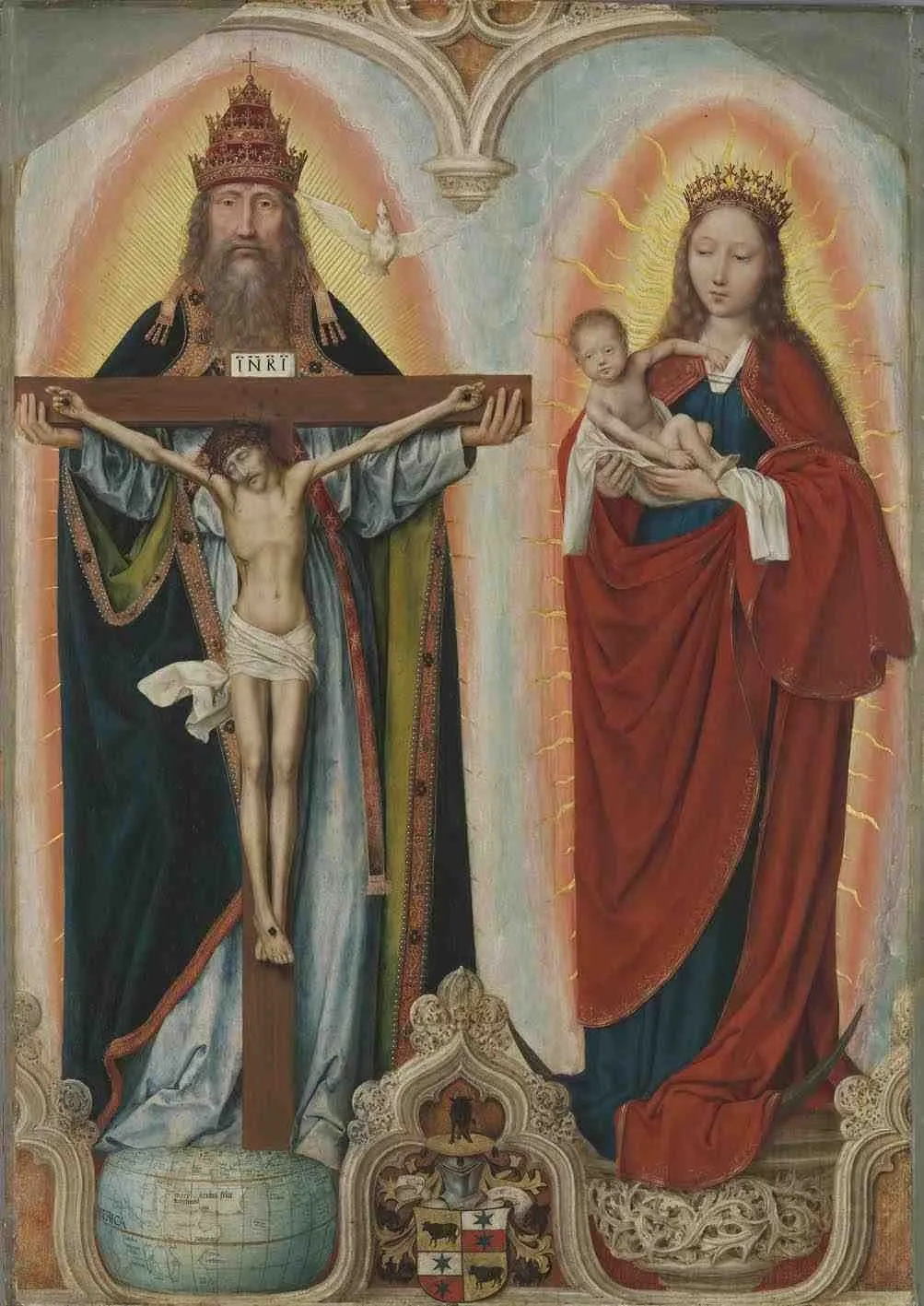
Rem-Altar: Heilige Dreifaltigkeit ("Gnadenstuhl") is an unspecified painting by the Northern Renaissance artist Quinten Metsys. It dates from 1518 and is held in the collection of the Bavarian State Painting Collections. Painted in 1518 by Quentin Matsys, this work is a devotional altarpiece from the northern Renaissance.
About this work
Overview
Matsys, originally trained as a blacksmith, transitioned to painting and became a central figure in Antwerp’s artistic community.
Painted in 1518 by Quentin Matsys, this work is a devotional altarpiece from the northern Renaissance. Matsys, originally trained as a blacksmith, transitioned to painting and became a central figure in Antwerp’s artistic community. The piece was created for religious use and reflects the spiritual priorities of early 16th-century Flanders. It is now held in the Alte Pinakothek in Munich, where it remains part of a broader collection of European religious art.
Subject & Meaning
The painting presents the Holy Trinity in a traditional iconography known as the 'Throne of Grace.' The central figure, robed in white, represents God the Father, while the figure on the cross is Christ the Son. The woman holding the infant is the Virgin Mary, positioned as an intercessor. The composition emphasizes divine mercy rather than suffering, with calm expressions and restrained gestures reinforcing a tone of contemplative grace.
Technique & Style
Matsys employs fine brushwork and subtle modeling to render textures of fabric, skin, and metal with quiet precision. The figures are arranged in a stable, symmetrical group against a luminous, atmospheric background. Gold leaf borders frame the scene, echoing the ornamental traditions of medieval altarpieces. The lighting is even and diffused, avoiding dramatic contrasts, which contributes to the painting’s serene, meditative quality.
History & Provenance
Commissioned for private or ecclesiastical devotion, the painting remained in northern Europe throughout its early history. It entered the Bavarian royal collection in the 18th century and was later transferred to the Alte Pinakothek. Its survival through periods of religious upheaval, including the Reformation, speaks to its perceived value as both spiritual object and artistic achievement.
Context
Created during the height of the northern Renaissance, the work reflects the fusion of devotional intensity with emerging naturalism. While Italian art emphasized classical harmony, northern painters like Matsys focused on detailed observation and emotional restraint. This altarpiece aligns with contemporary Flemish practices that prioritized intimate, accessible religious imagery for personal contemplation.
Legacy
Matsys’s influence extended through his role in shaping the Antwerp school, which trained generations of painters and helped define Flemish art for decades. This altarpiece exemplifies his ability to blend traditional iconography with humanized expression. Though less celebrated than later Baroque works, it remains a significant example of early 16th-century religious painting in the Low Countries.
Artist & collection
Artist
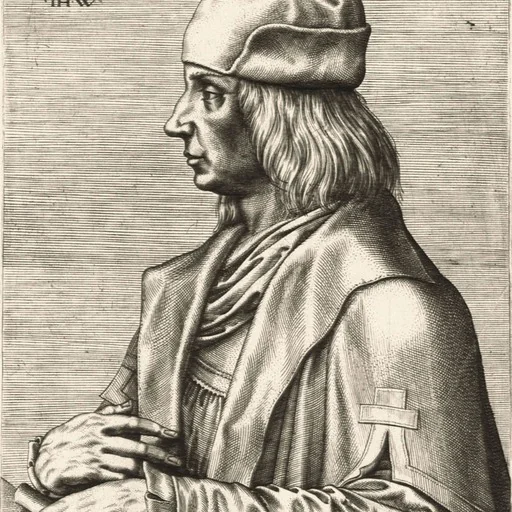
Quentin Matsys (UK: MAT-sysse, US: MAHT-sysse; also Massys or Metsys; Flemish: Quinten Matsijs ; 1466–1530) was a Flemish painter in the Early Netherlandish tradition.

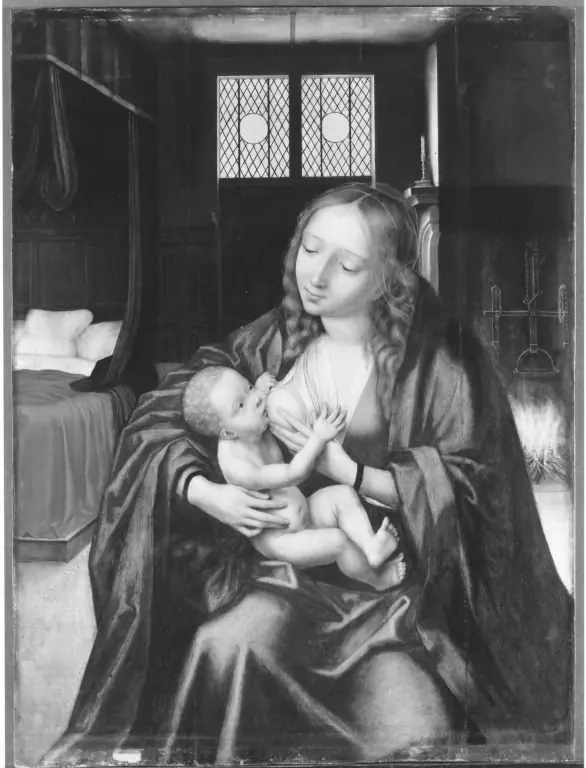
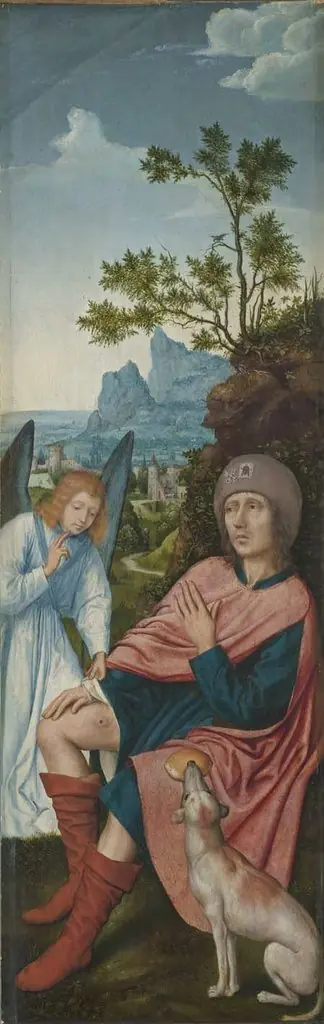
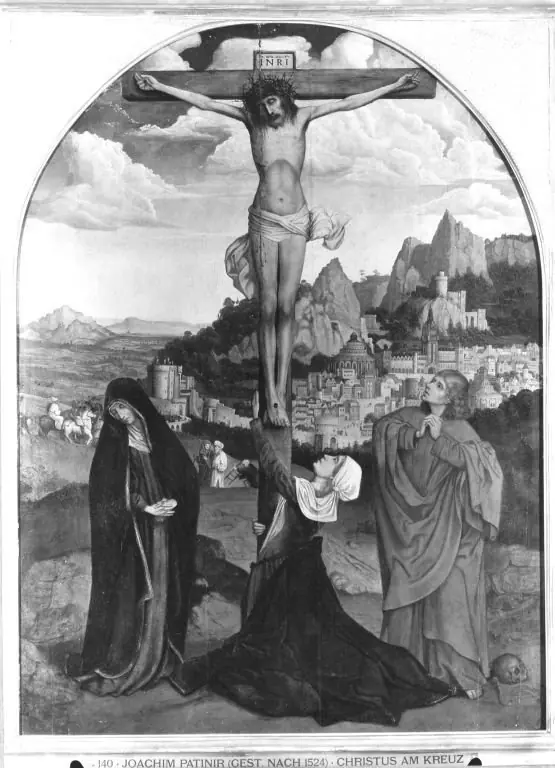
 Rem-Altar: Maria mit Kind
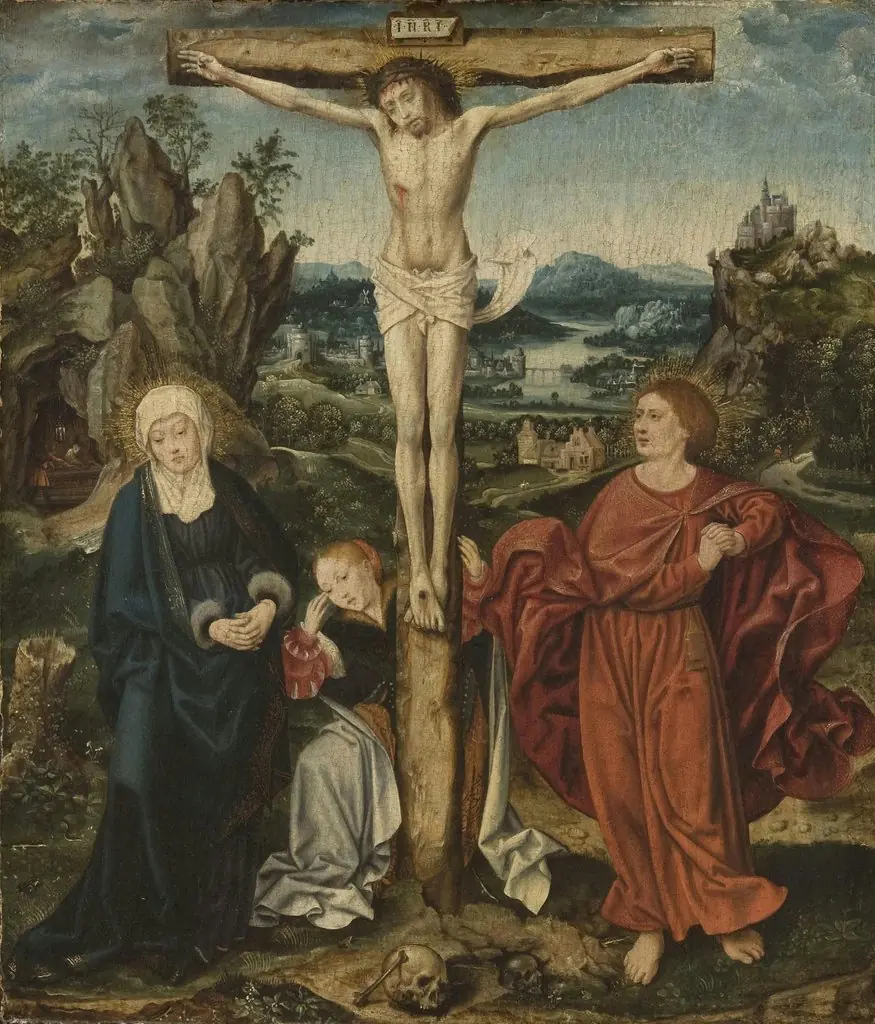 Crucifixion
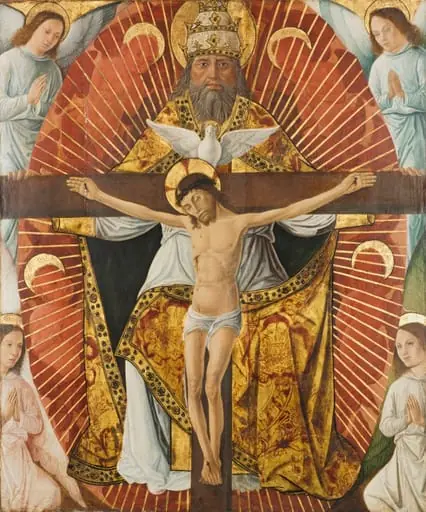 The Trinity
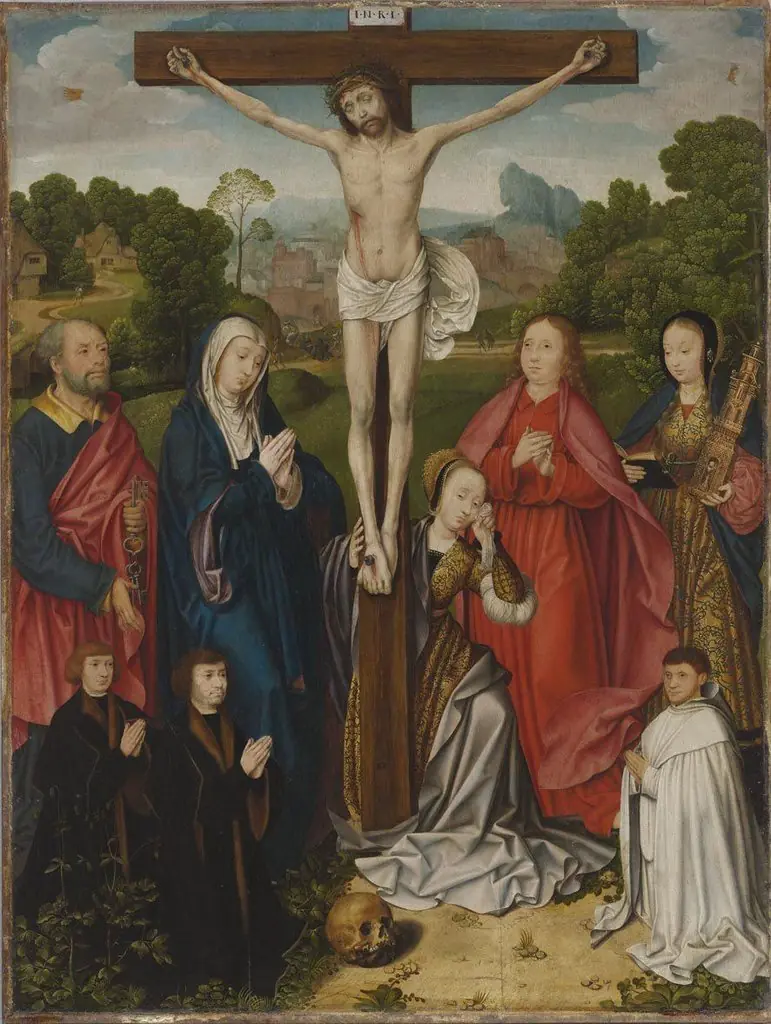 Christ on the cross with the saints Peter, Mary, Mary Magdalene, John the Evangelist and Barbara, with three donors
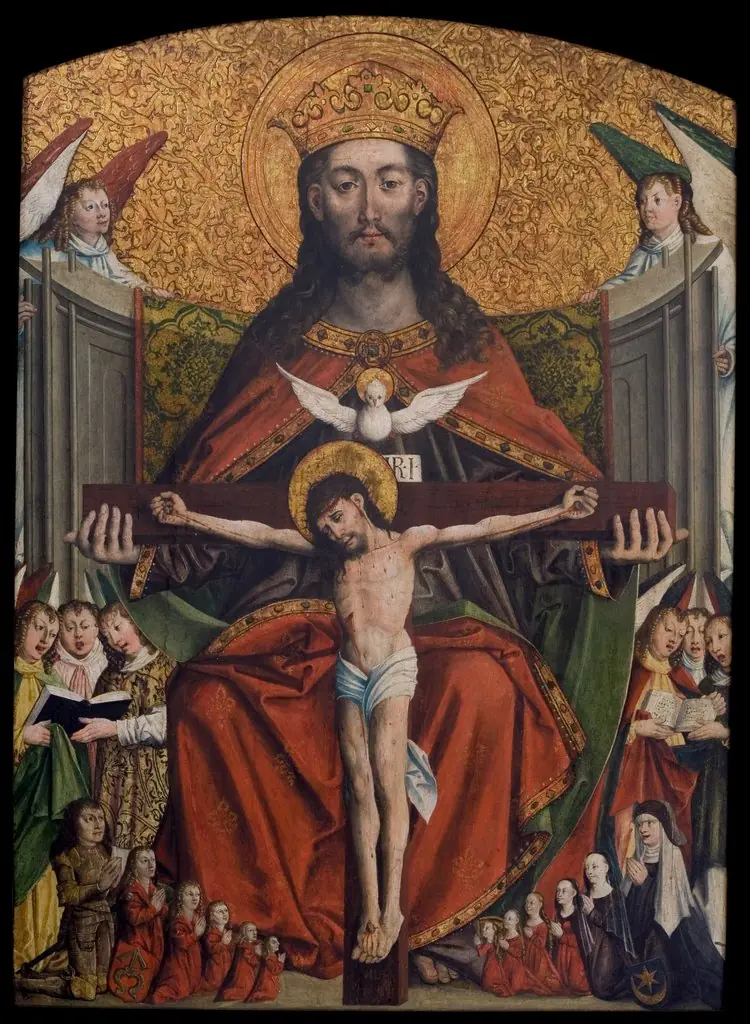 Holy Trinity. Votive painting of Jakub Dębiński, from the Parish Church of St Margaret in Dębno near Brzesko
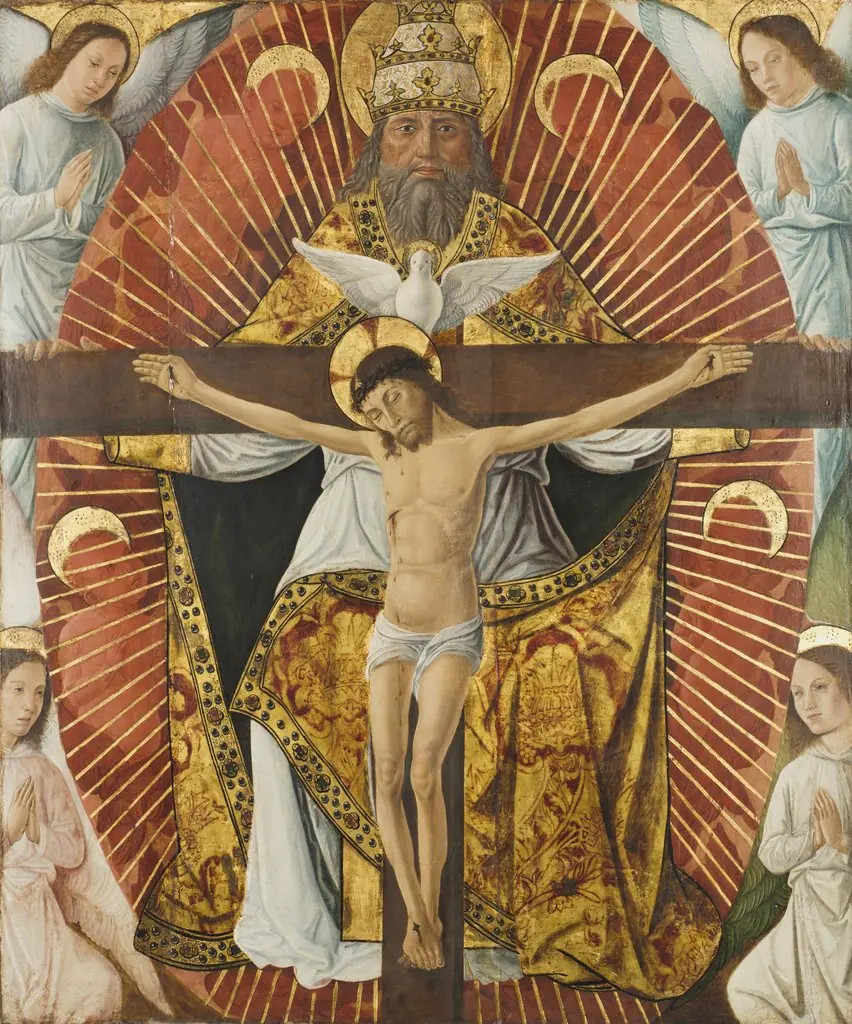 The Trinity
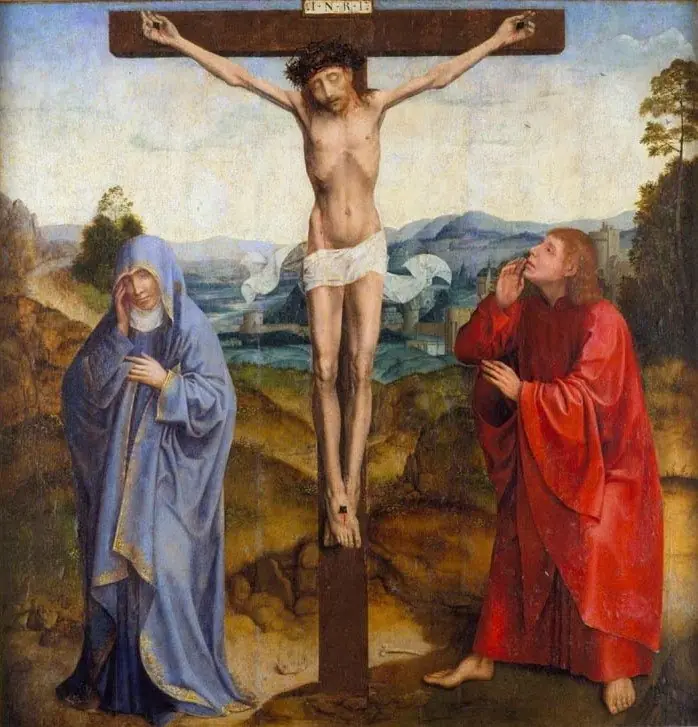 Calvary
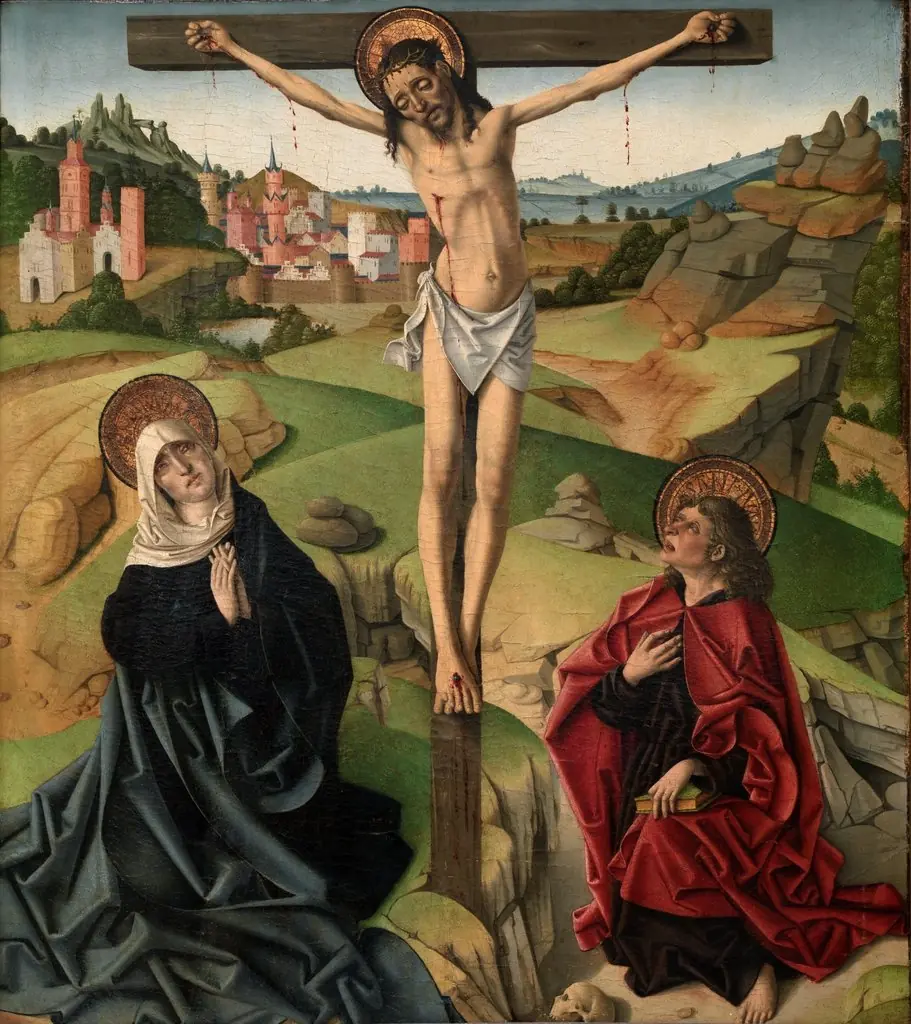 The Crucifixion
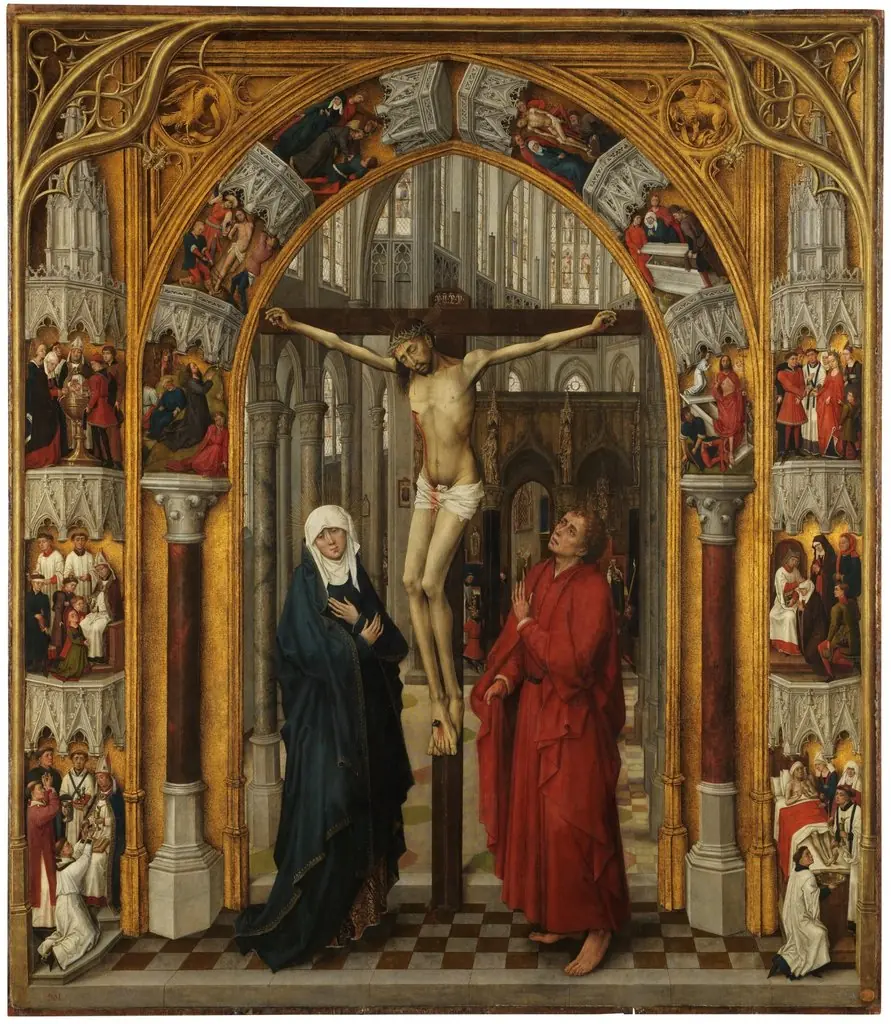 Redemption Triptych: The Crucifixion
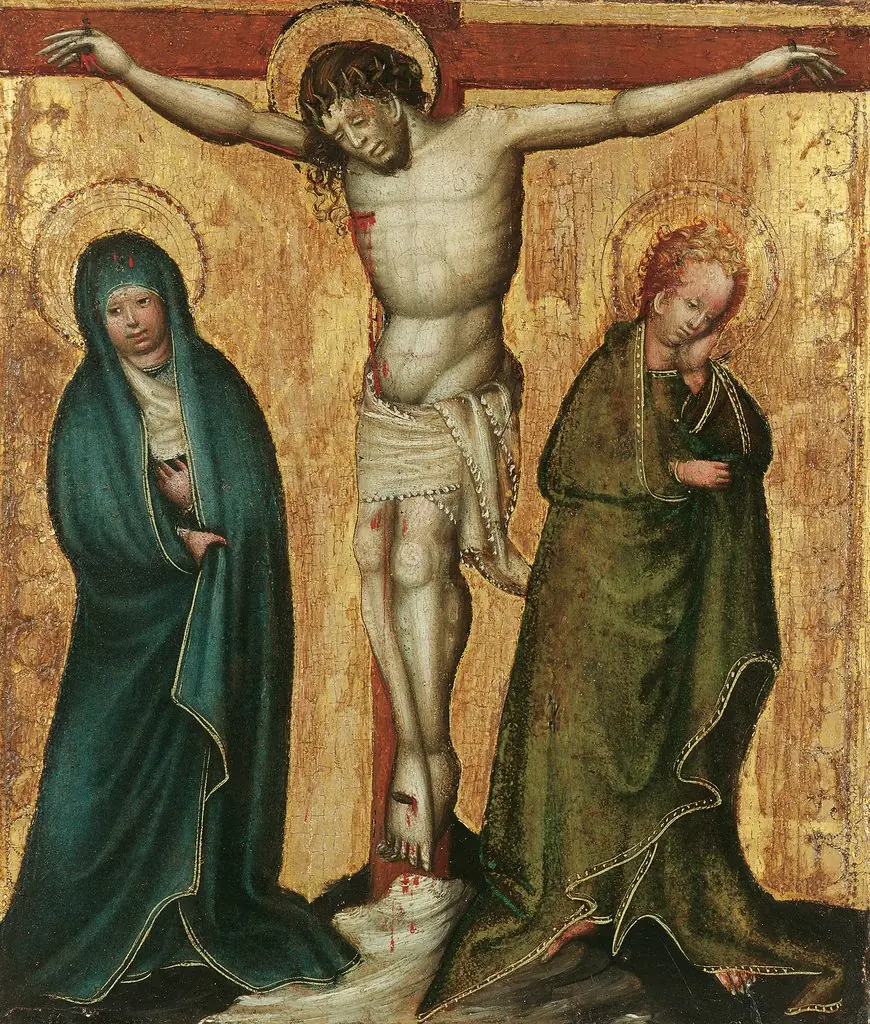 Dreifigurige Kreuzigung
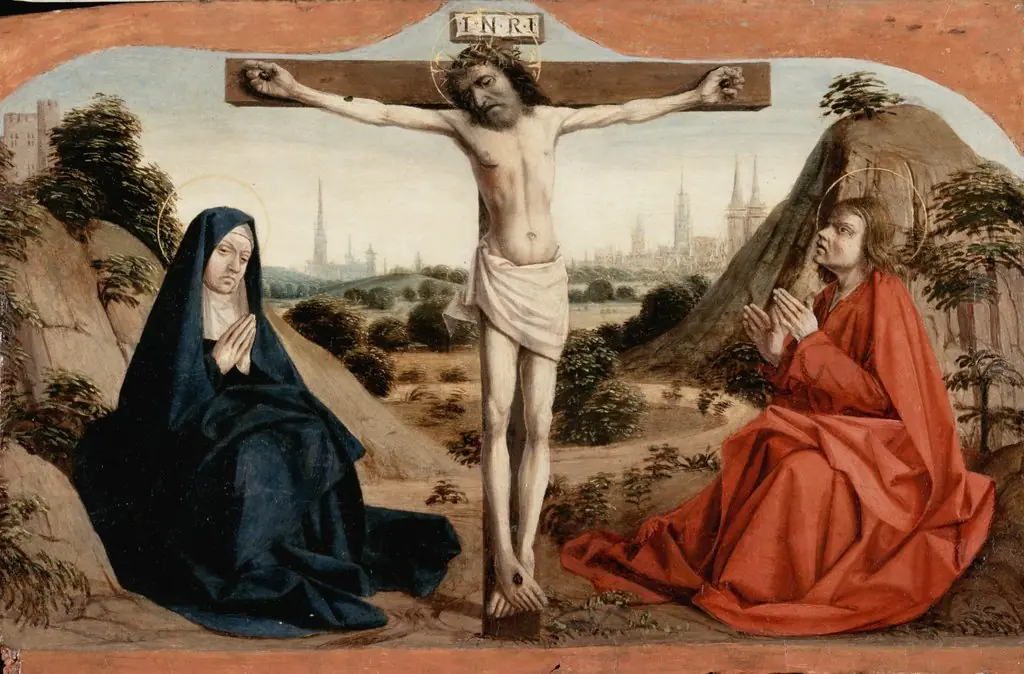 Crucifixion
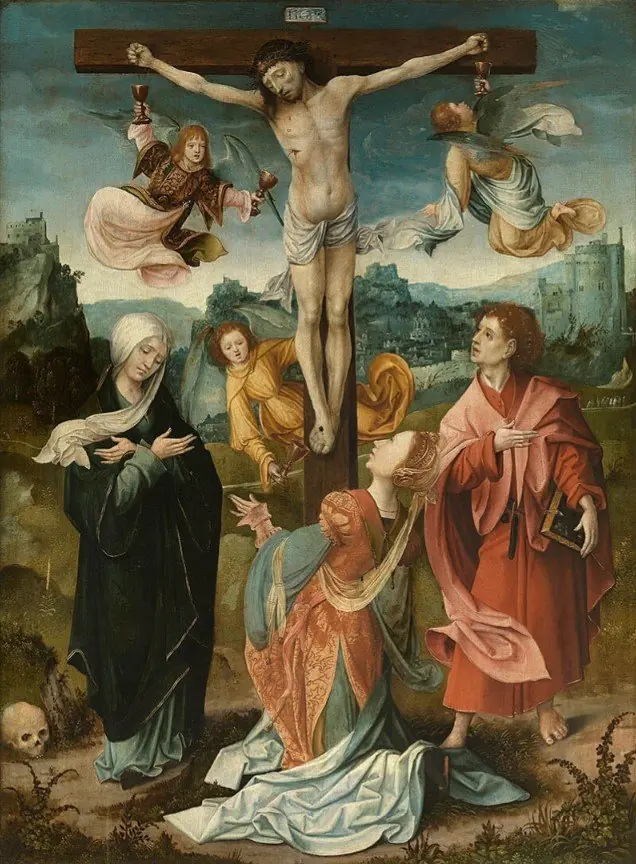 Crucifixion