Artwork
Saint John and the Women at the Tomb of Christ
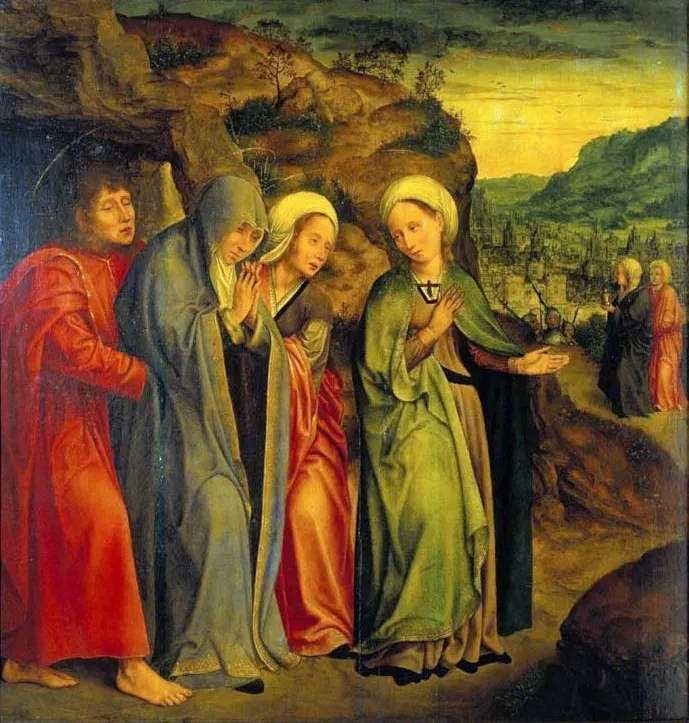
Saint John and the Women at the Tomb of Christ is an oil painting by Quinten Metsys. It dates from 1509 and is held in the collection of the National Museum of Ancient Art.
About this work
Overview
The painting captures a moment from the Resurrection narrative, focusing on the emotional response of witnesses to Christ’s empty tomb.
Painted in 1509 by Quinten Metsys, this oil-on-panel work belongs to the Early Netherlandish tradition. Metsys, originally trained as a blacksmith, turned to painting in Antwerp, where he helped establish a distinct regional style. The painting captures a moment from the Resurrection narrative, focusing on the emotional response of witnesses to Christ’s empty tomb. It is now held in the National Museum of Ancient Art in Lisbon.
Subject & Meaning
The scene portrays John the Evangelist and several women gathered before Christ’s tomb, reacting to the news of his resurrection. Their expressions convey sorrow, awe, and uncertainty, reflecting the biblical account of the women’s discovery. John, barefoot and in a red robe, stands apart as a witness, while the women, dressed in varied hues, embody human vulnerability before divine mystery. The moment is neither triumphant nor miraculous in depiction, but quietly contemplative.
Technique & Style
Metsys employed oil glazing to achieve subtle transitions in skin tones and fabric textures, a hallmark of Netherlandish painting. The figures are rendered with precise detail, especially in the folds of their garments and the modeling of their faces. The rocky landscape and distant city are rendered with careful perspective, while the golden sky suggests dawn or dusk, enhancing the solemn mood without overt symbolism.
History & Provenance
Commissioned during Metsys’s mature period in Antwerp, the painting remained in private collections in the Low Countries before entering the Portuguese royal collection in the 18th century. It was later transferred to the National Museum of Ancient Art, where it has been preserved since the 19th century. Its survival through centuries of political and religious upheaval reflects its enduring value as a devotional object.
Context
Created during the height of the Northern Renaissance, the work reflects the era’s emphasis on emotional realism and biblical narrative. Antwerp’s growing mercantile class supported religious art that combined spiritual depth with meticulous craftsmanship. Metsys’s background as a metalworker informed his precision in line and form, distinguishing his style from contemporaries while aligning with broader Netherlandish conventions.
Legacy
Metsys’s influence extended through his workshop and students, helping shape the Antwerp school’s reputation for narrative clarity and technical refinement. While less celebrated than later Flemish painters, his work exemplifies the quiet intensity of early 16th-century religious art. This painting remains a key example of how devotional themes were rendered with psychological nuance and restrained elegance.
Artist & collection
Artist
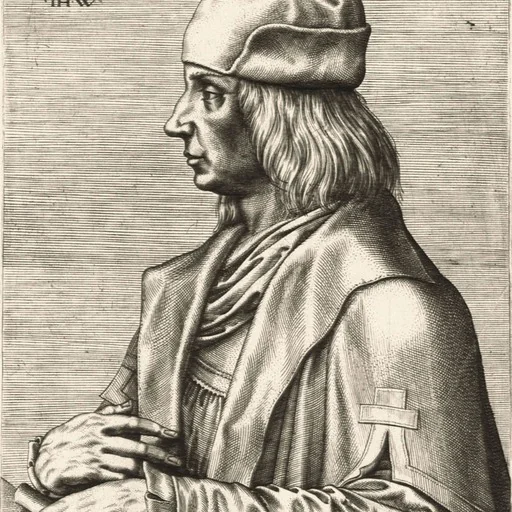
Quentin Matsys (UK: MAT-sysse, US: MAHT-sysse; also Massys or Metsys; Flemish: Quinten Matsijs ; 1466–1530) was a Flemish painter in the Early Netherlandish tradition.


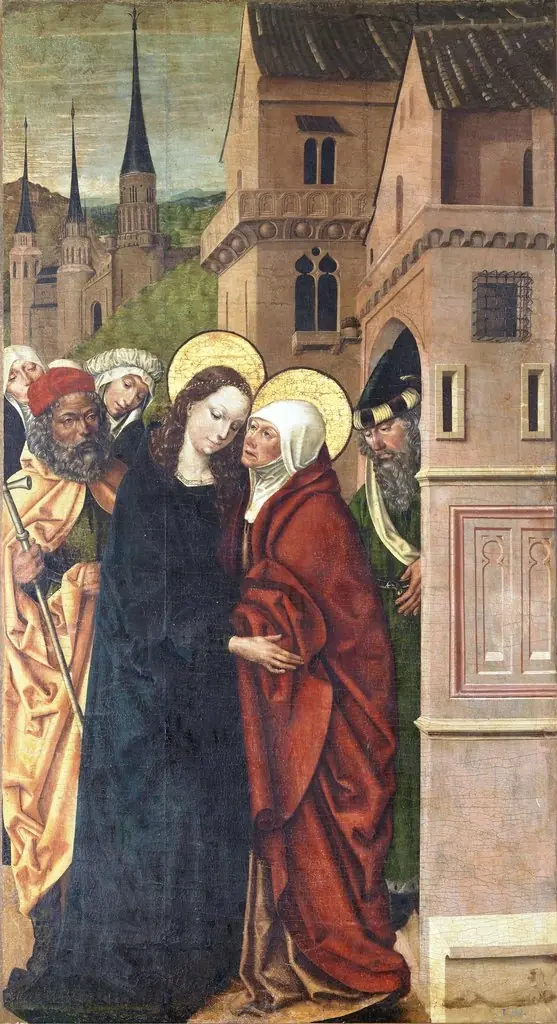 The Visitation
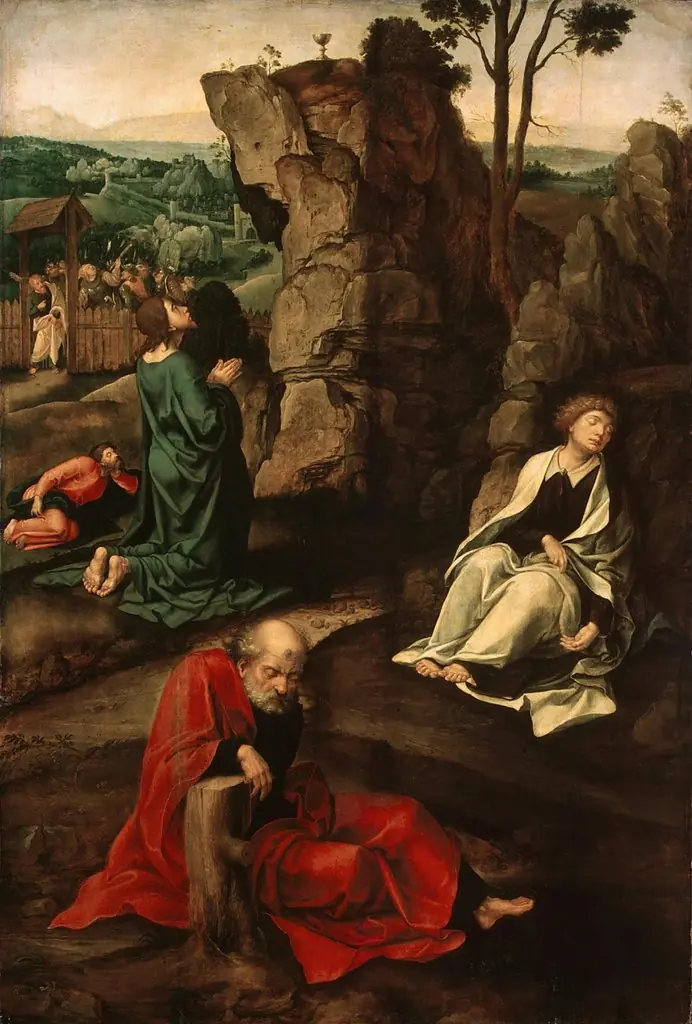 Agony in the Garden
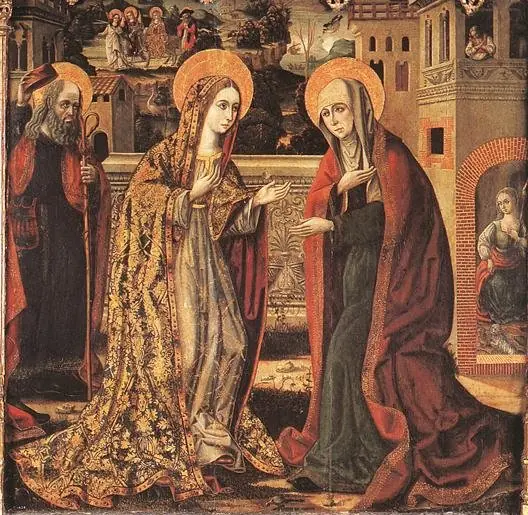 The visitation
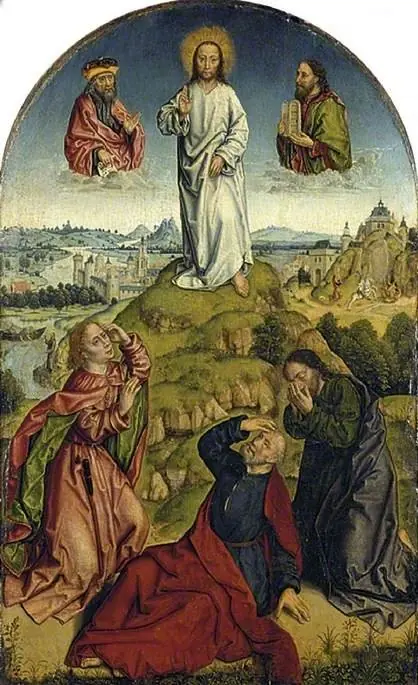 The Transfiguration
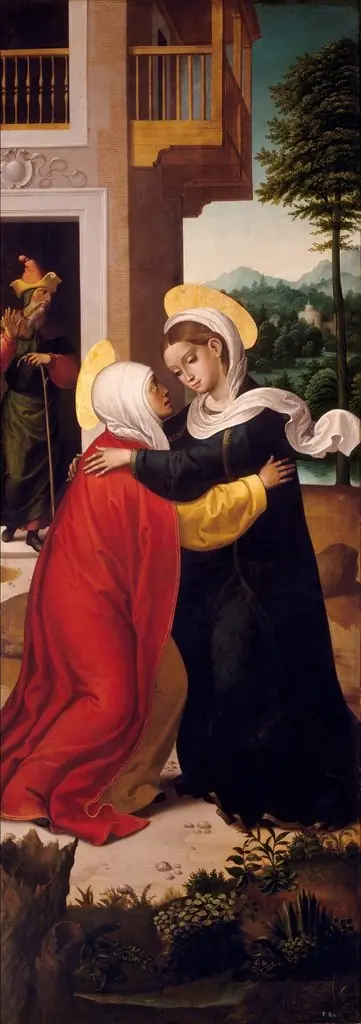 The Visitation
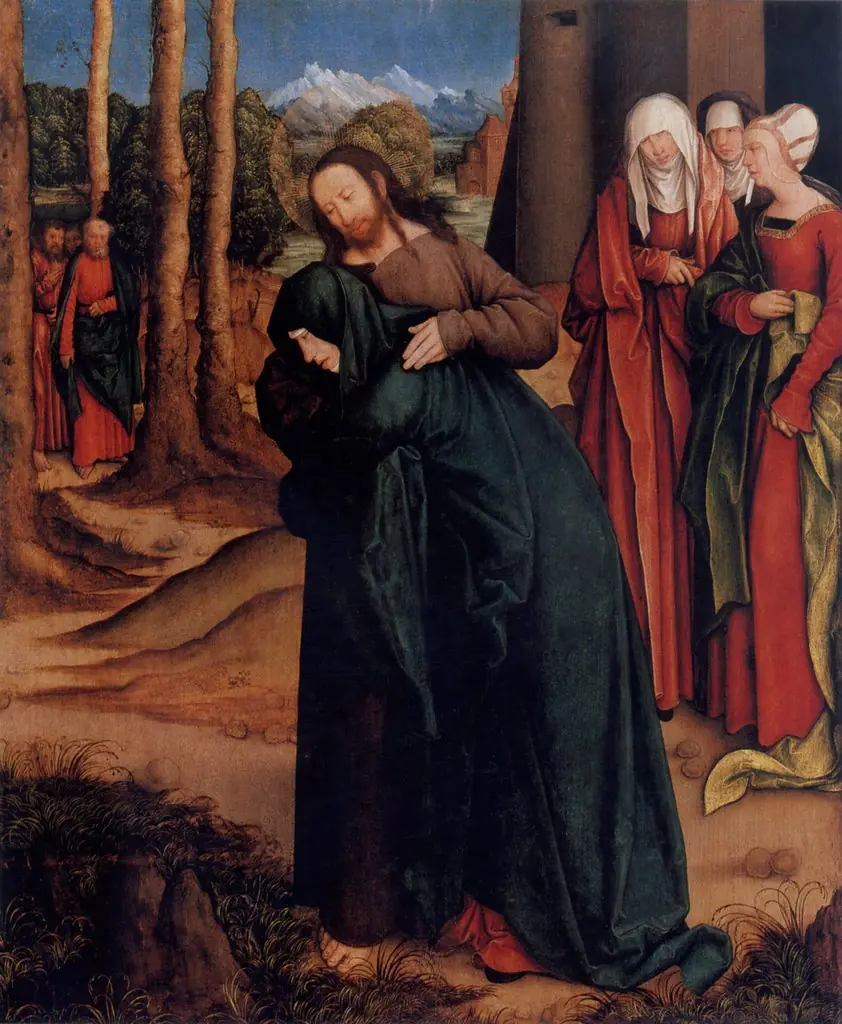 Christ taking leave of his Mother
 The Visitation with Saint Nicholas and Saint Anthony Abbot
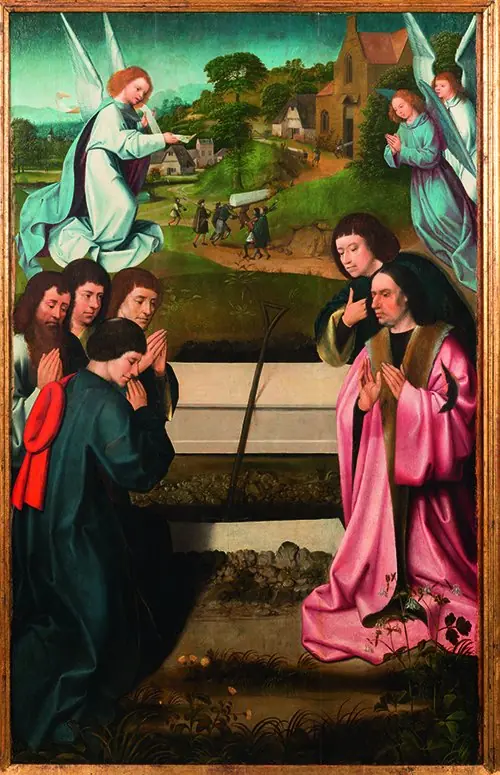 Discovery of the Sarcophagi Containing the Bodies of Dymphna and Gerebernus
 Visitation
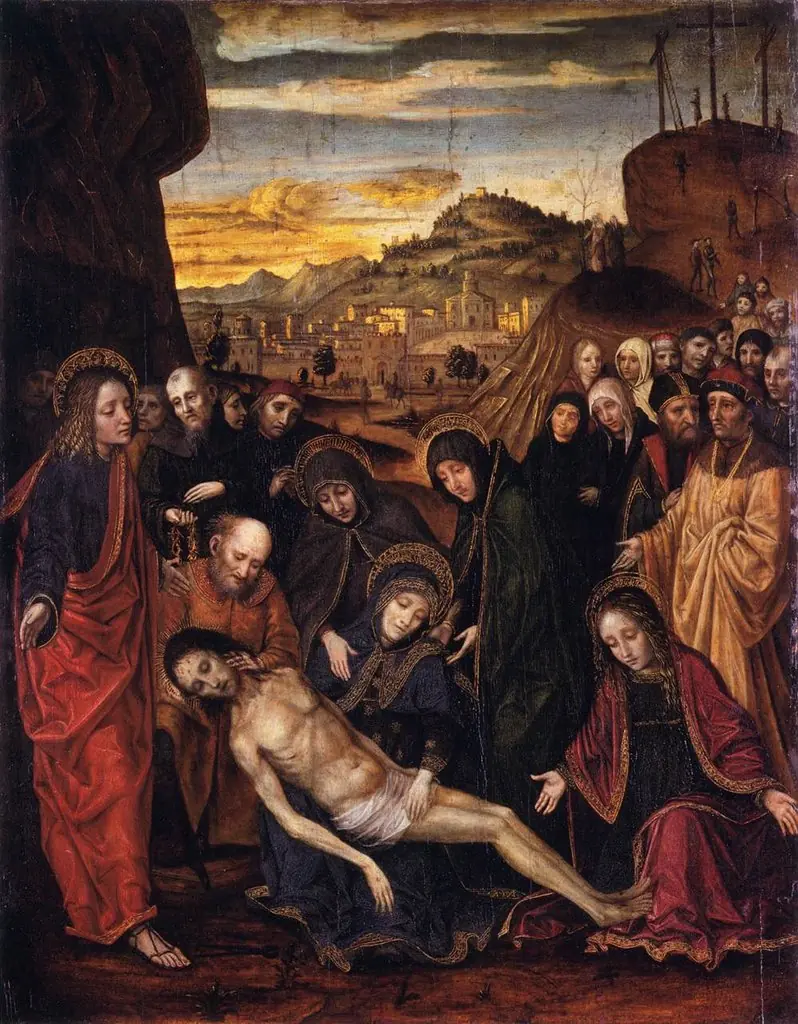 The lamentation over the dead Christ
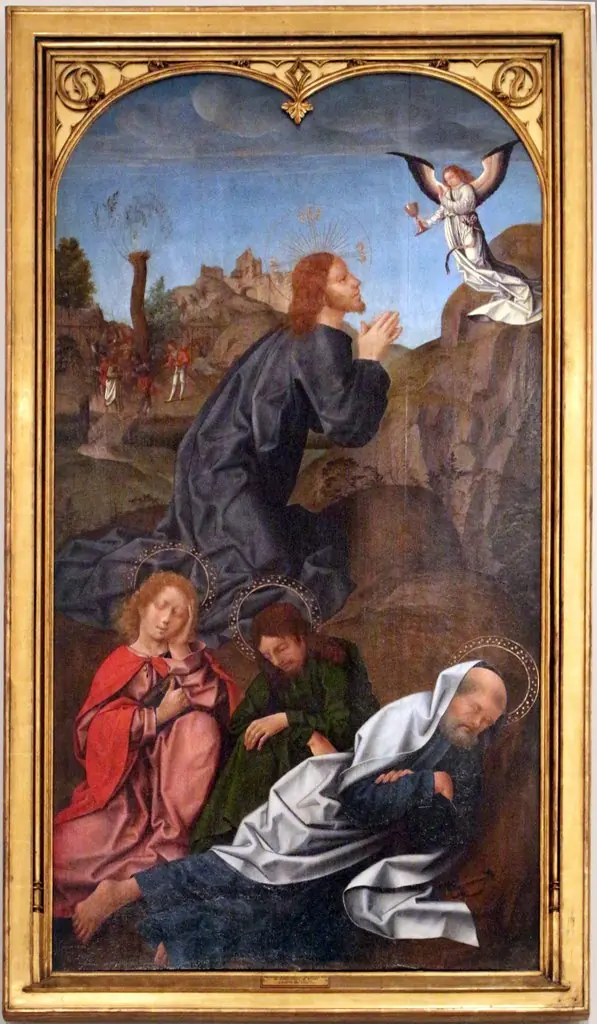 Cristo no Horto
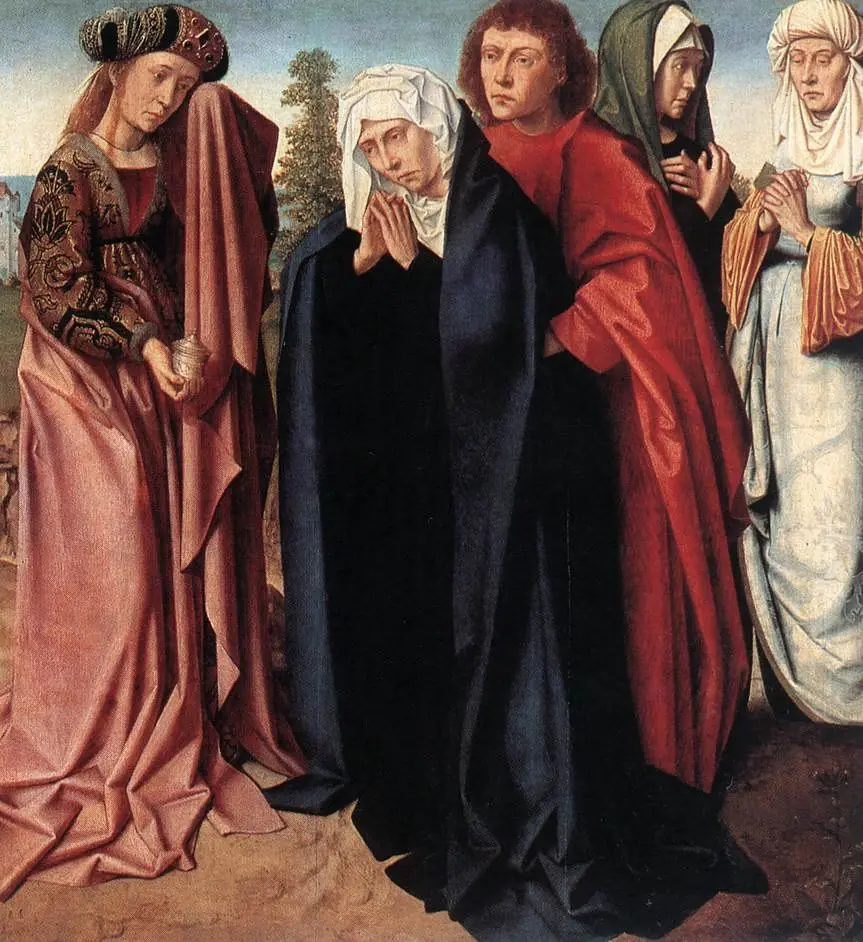 The Holy Women and Saint John at Golgotha