Artwork
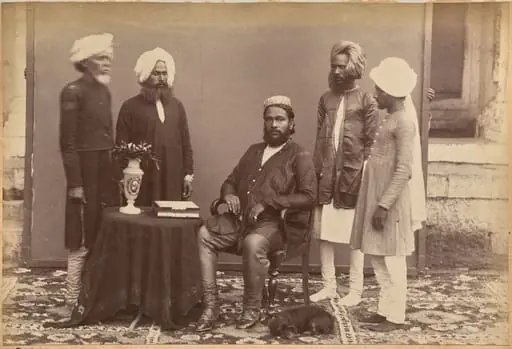
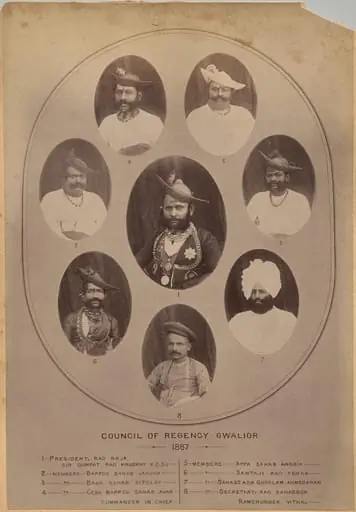
Ramkishore Singh, Rewa (recto, top); Mowhri Rahman Alli Khan family, Rewa (recto, bottom)
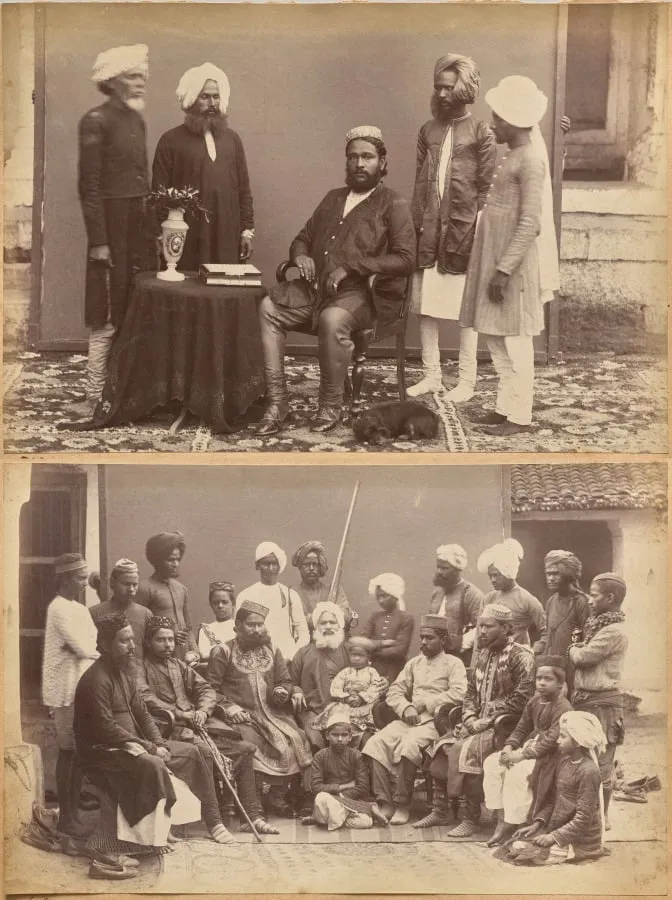
Ramkishore Singh, Rewa (recto, top); Mowhri Rahman Alli Khan family, Rewa (recto, bottom) is a photography by the Impressionist artist Raja Deen Dayal. It dates from 1884 and is held in the collection of the Cleveland Museum of Art.
About this work
Overview
Produced by a professional photographer active in Rewa, they were likely compiled as a personal record by a British colonial official.
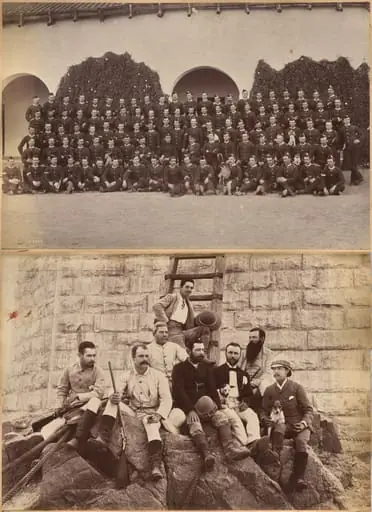
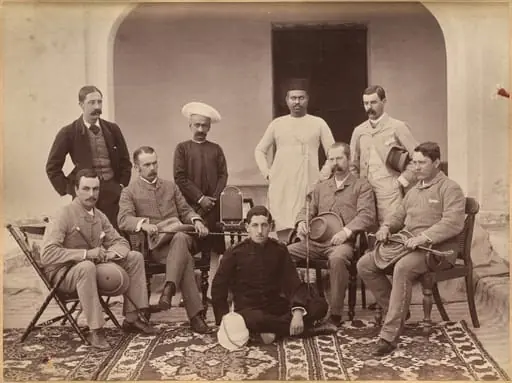
These two photographic portraits, created between 1885 and 1887, originate from a now-disassembled album of approximately 105 images documenting elite life in India during the late Victorian era. Produced by a professional photographer active in Rewa, they were likely compiled as a personal record by a British colonial official. The images reflect the intersection of Indian royalty and British administrative presence, capturing individuals who occupied positions of influence under colonial rule.
Subject & Meaning
The upper image depicts Ramkishore Singh, a local ruler of Rewa, posed formally before his palace, asserting his status through attire and setting. The lower image shows the Mowhri Rahman Alli Khan family—men in Western suits, women in traditional saris—gathered on a porch, blending indigenous and colonial dress codes. Together, they illustrate the dual cultural identities of India’s upper classes, navigating both indigenous heritage and British influence during the colonial period.
Technique & Style
Both images are gelatin silver prints, typical of late 19th-century photographic practice in India. The compositions are carefully staged, with subjects arranged for clarity and dignity, reflecting studio conventions adapted to outdoor settings. Lighting is natural, emphasizing texture and form without dramatic contrast. The lack of retouching or embellishment underscores the documentary intent, prioritizing realism over artistic interpretation.
History & Provenance
The photographs were once part of a larger album, likely assembled around 1888 by a British civil servant stationed in India. The album was later dispersed; the Cleveland Museum of Art holds another 37 images from the same collection. These works entered the museum’s holdings through acquisition, preserving a rare visual record of Indian aristocracy and colonial intermediaries during a period of significant social transition.
Context
During the 1880s, photography became a tool for both documentation and status display among Indian royalty and British officials. Court photographers, often trained in European techniques, served both communities, producing images that reinforced hierarchy and cultural hybridity. These portraits reflect a moment when Indian elites used Western media to assert legitimacy, while British collectors sought tangible mementos of imperial engagement.
Legacy
These photographs contribute to a broader archive of colonial-era Indian portraiture, offering insight into how identity was visually constructed during a time of political and cultural negotiation. Their preservation allows scholars to study the interplay of tradition and modernity, as well as the role of photography in shaping perceptions of power and class. They remain valuable as historical artifacts rather than aesthetic objects.
Artist & collection

Artist
Raja Lala Deen Dayal, famously known as Raja Deen Dayal) was an Indian photographer.

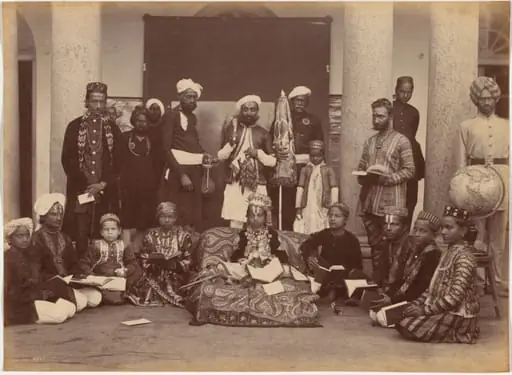 Maharaja of Rewa and Classmates
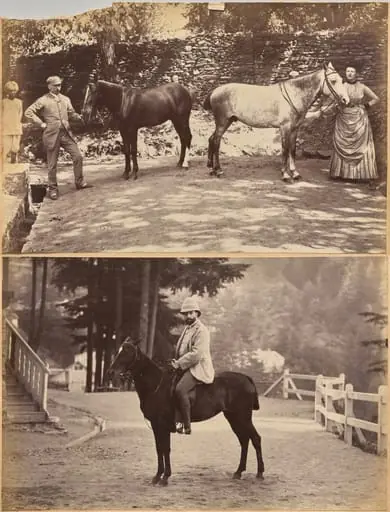 Col. F. G. Oldham (recto, top); Mr. Nowell, Shimla (recto, bottom)
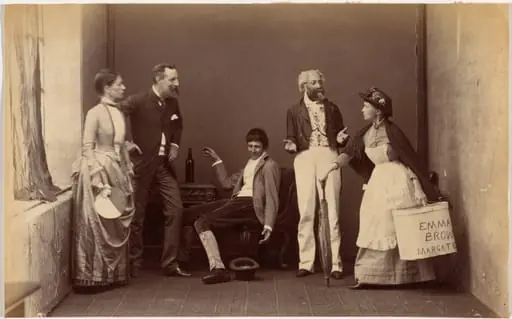 Fancy Group, Indore I
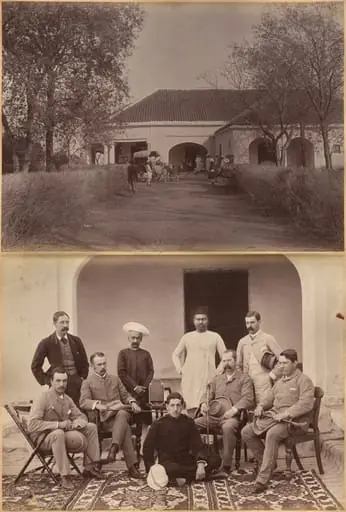 Civil officers at Jhansi (recto); Mr. William's House, Jhansi (verso)
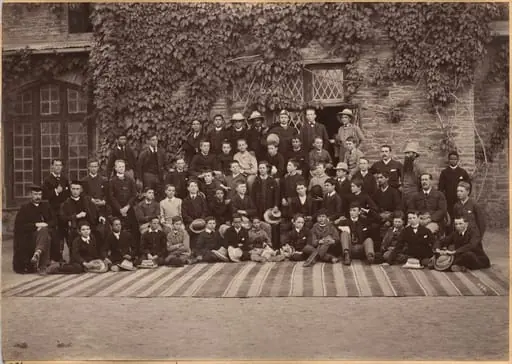 Middle Class Students and Staff, Bishop Cotton School, Shimla (verso)
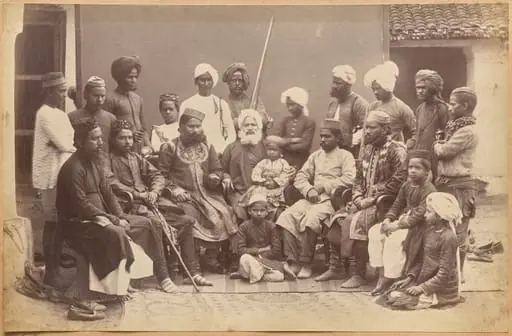 Mowhri Rahman Alli Khan family, Rewa (recto, bottom)
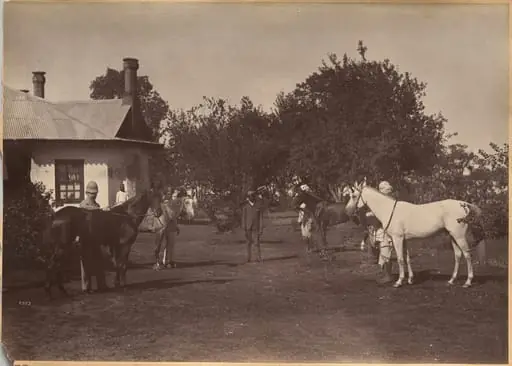 Lord William Beresford's horses
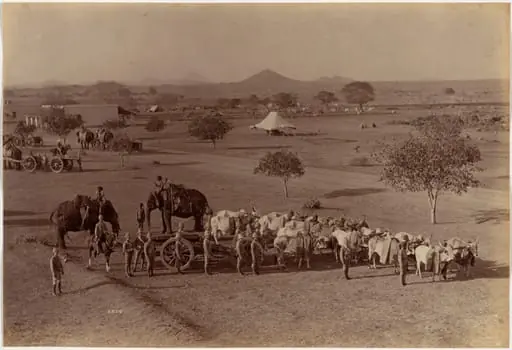 Heavy Field Battery, Jhansi