Artwork
Tooth Extraction
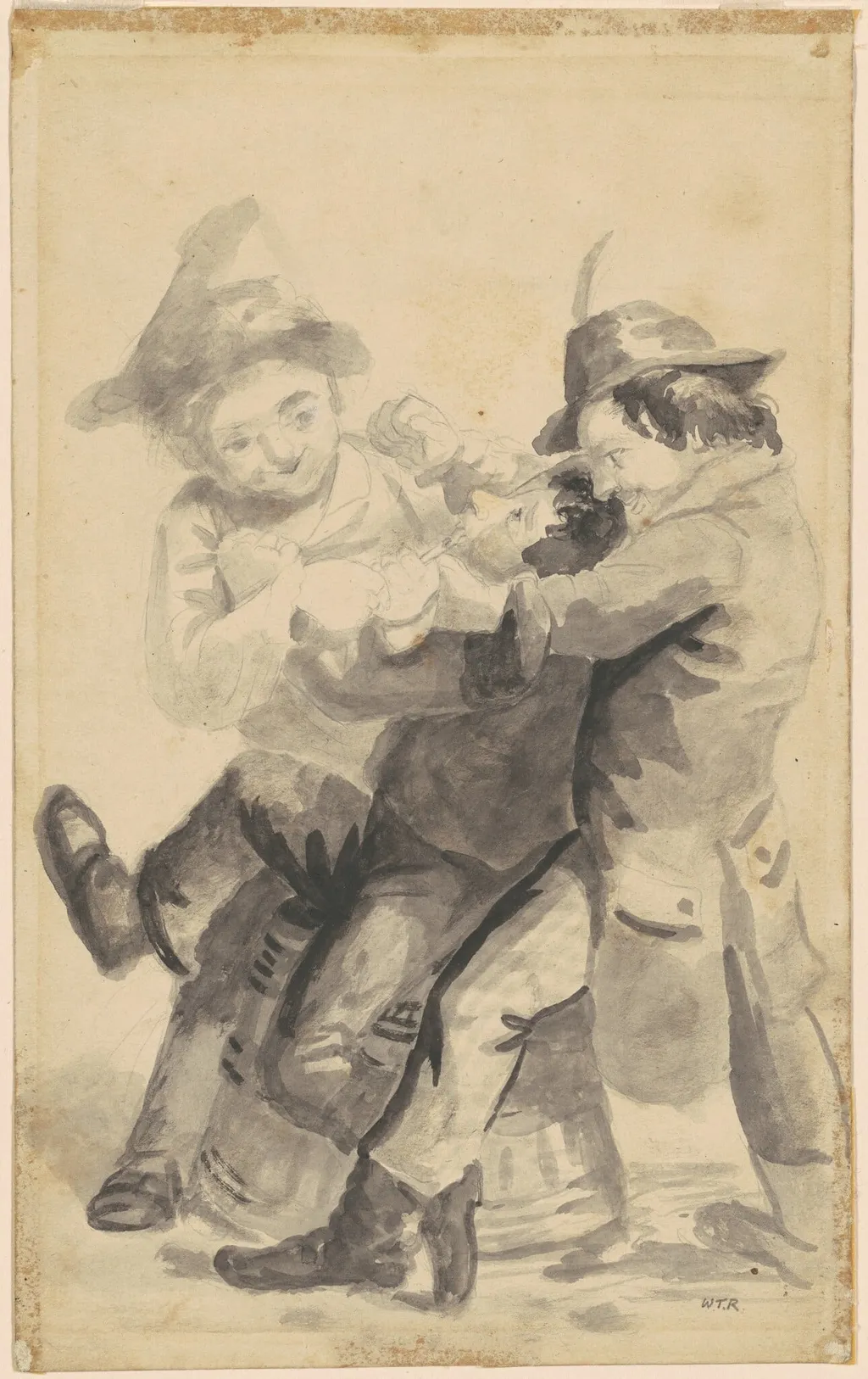
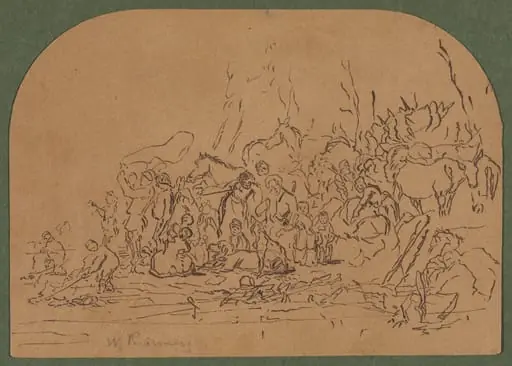
Tooth Extraction is a graphite drawing by the Romanticist artist William Tylee Ranney. It dates from 1850 and is held in the collection of the National Gallery of Art.
About this work
Overview
Created around 1850, this ink-and-graphite drawing by William Tylee Ranney captures a fleeting, unidealized moment of medical intervention. Executed on wove paper, the work is a preparatory sketch that prioritizes immediacy over finish. Its raw, unpolished appearance suggests it was made on the spot, recording a private, intimate encounter rather than a staged composition.
Subject & Meaning
The scene depicts a patient seated and gripping their face in distress, while a second figure leans forward with a dental tool.
The scene depicts a patient seated and gripping their face in distress, while a second figure leans forward with a dental tool. Neither person is identified by social status; their simple, loose clothing emphasizes the universality of pain and care. The title points to a common, unglamorous reality of 19th-century life, where medical procedures were often performed without anesthesia and in domestic settings.
Technique & Style
Ranney employed rapid, dark ink washes over light graphite underdrawing to convey motion and tension. Cross-hatching builds shadow and depth without refinement, while uneven lines suggest urgency and physical strain. The lack of detailed background or polished contours reinforces the sketch’s spontaneous quality, as if the artist reacted to the scene rather than composed it.
History & Provenance
The drawing is part of Ranney’s broader practice of documenting everyday American life, though its specific provenance before the 20th century remains undocumented. It likely originated as a study for a larger painting or as an independent record of a moment observed in rural or small-town settings, common subjects in his oeuvre.
Context
In mid-19th century America, dental care was rudimentary and often performed by non-specialists. Tooth extraction was a frequent, feared procedure, typically carried out at home. Ranney’s depiction aligns with a growing interest in realism among American artists, who turned away from idealized narratives toward the unvarnished details of ordinary experience.
Legacy
This drawing contributes to a shift in American art toward candid, unromanticized portrayals of daily life. Though not widely exhibited in its time, it reflects Ranney’s commitment to observing human vulnerability. Its sketch-like quality anticipates later documentary approaches in 19th-century visual culture, valuing authenticity over formal finish.
Artist & collection

 Histoire d'en dire deux
 A Convivial Gathering with a Man Playing a Hurdy-Gurdy
 Drovers with a Pair of Rearing Horses
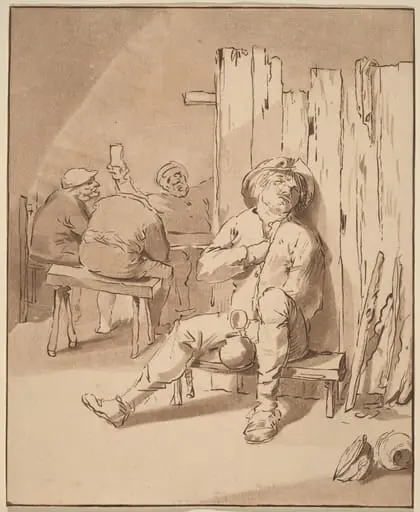 Drunken Peasant at an Inn
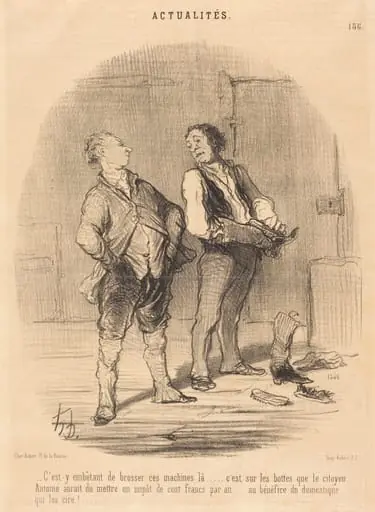 C'est-y embêtant de brosser ces machines là...
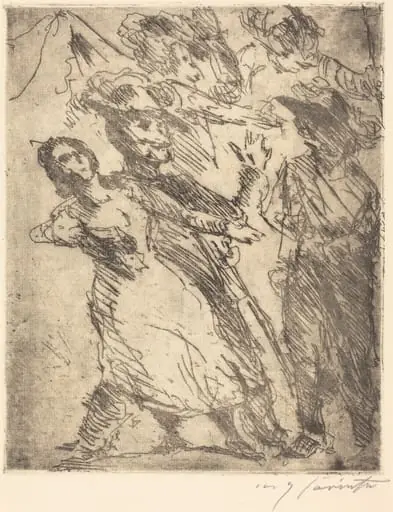 Kavaliere mit einer frau (Cavaliers with a Woman)
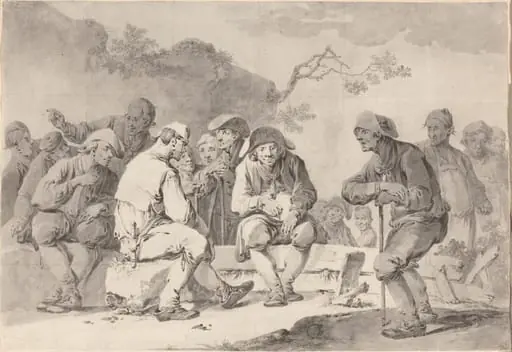 Self-Portrait with Country Folk from Appenzell
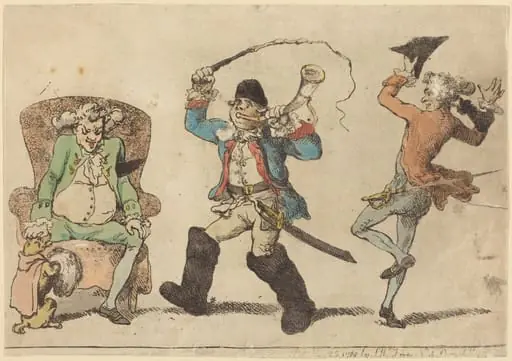 A Frenchman in November
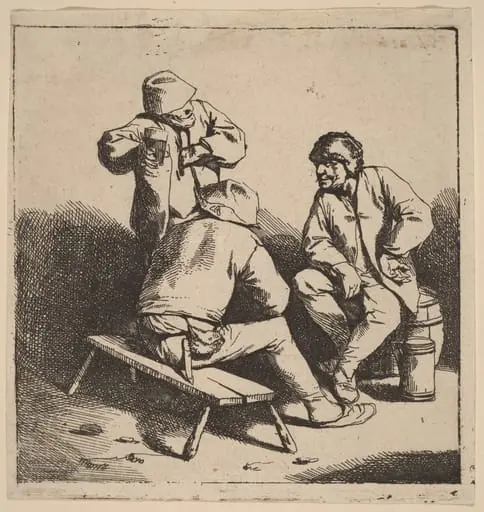 The Three Drinkers
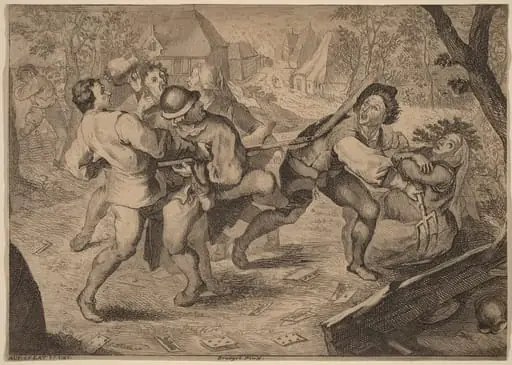 Peasants Fighting
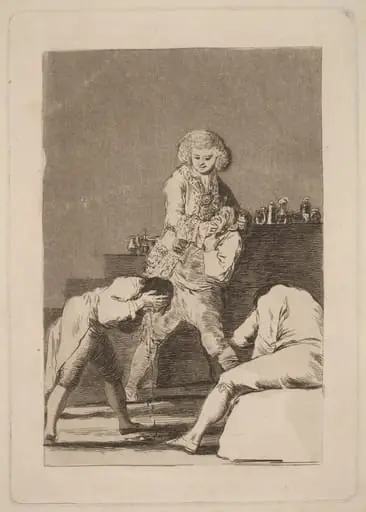 Al Conde Palatino (To the Count Palatine)
 Disparate de Carnabal (Carnival Folly)