Artwork
The Spanish Gypsy "Preciosa"
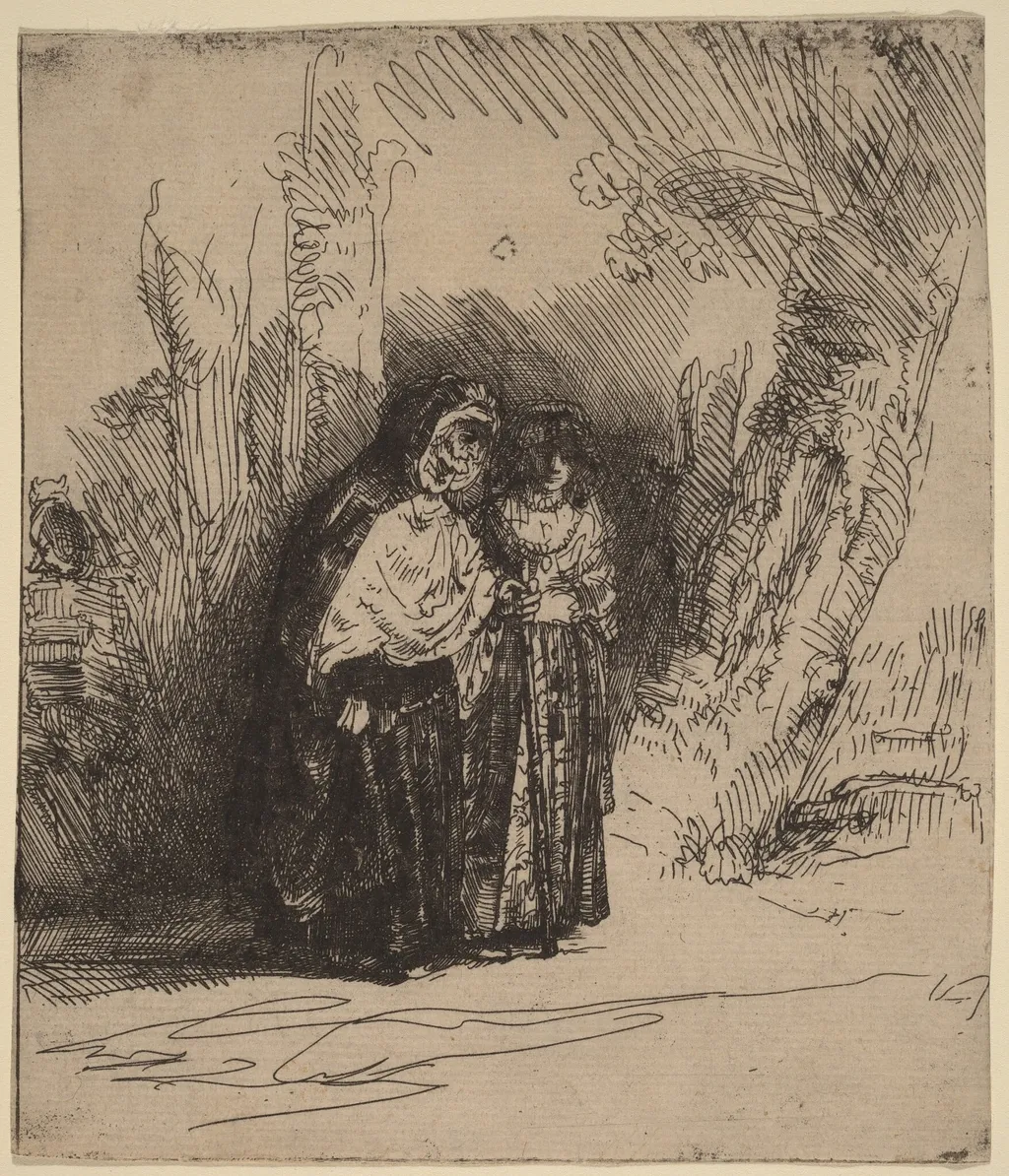
The Spanish Gypsy "Preciosa" is an ink print by the Baroque artist Rembrandt. It dates from 1642 and is held in the collection of the National Gallery of Art.
About this work
Overview
The Spanish Gypsy 'Preciosa' is an etching by Rembrandt van Rijn, dating to circa 1642. It depicts a solitary young woman in a natural setting, distinguished by its outdoor single-figure composition, a rarity in Rembrandt's etchings.
Subject & Meaning
The subject, identified as a gypsy by her attire—a wide-brimmed hat and simple dress with puffed sleeves—was a popular theme among artists of the time, reflecting contemporary fascination with gypsy culture. She is shown leaning against a tree, holding a flower, with her face partially obscured by shadow.
Technique & Style
The etching features soft, almost smudged lines, suggesting a rapid execution aimed at capturing a transient moment. This technique emphasizes the interplay of light and shadow, characteristic of Rembrandt's ability to narrate through chiaroscuro.
History & Provenance
Created circa 1642, specific details regarding its commission, early ownership, or exhibition history are not provided in the available information.
Context
Part of a broader artistic trend of depicting gypsy figures in 17th-century Europe, 'Preciosa' reflects the era's romanticization of gypsy life. The work's outdoor setting and focus on light also align with Dutch Golden Age explorations of naturalism.
Legacy
While 'Preciosa' is not highlighted as a watershed work in Rembrandt's oeuvre, it contributes to the understanding of his experimentation with capturing fleeting moments and his contribution to the artistic fascination with gypsy subjects during his time.
Artist & collection
Artist
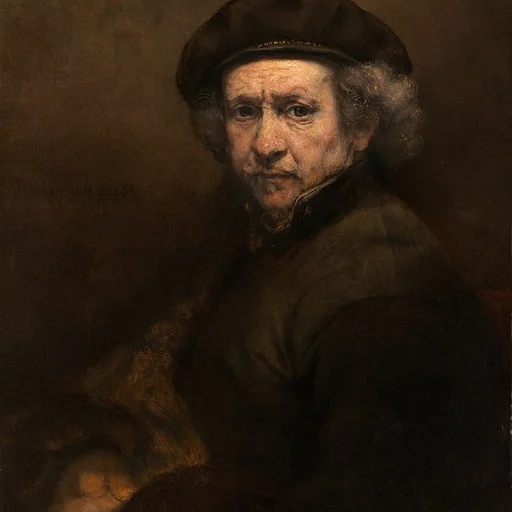
Rembrandt Harmenszoon van Rijn (15 July 1606 – 4 October 1669), known mononymously as Rembrandt, was a Dutch Golden Age painter, printmaker, and draughtsman.

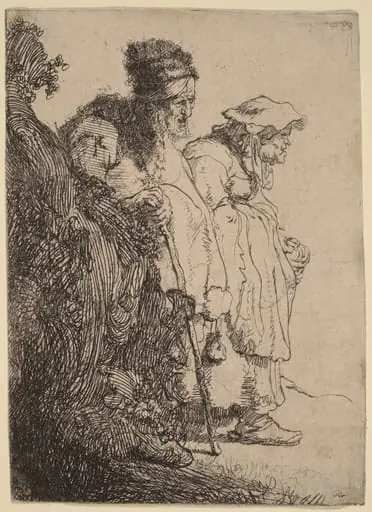 Beggar Man and Woman behind a Bank
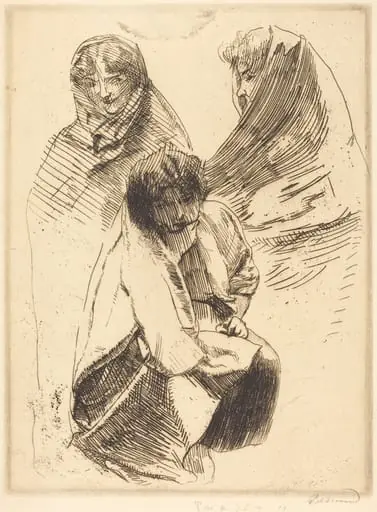 Three Veiled Women (Trois femmes voilées)
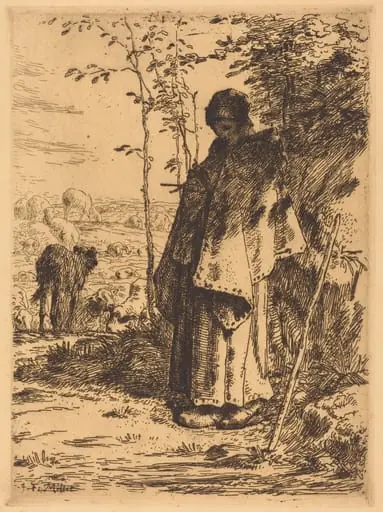 The Large Shepherdess (La grande bergere)
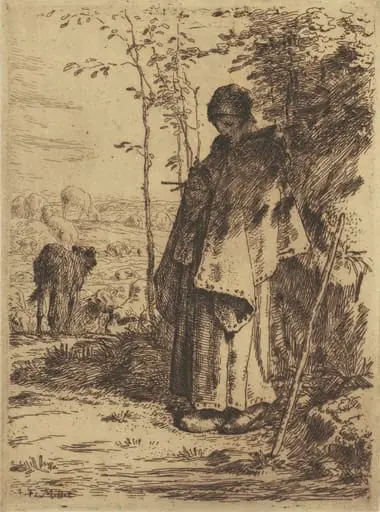 The Large Shepherdess (La Grande Bergere)
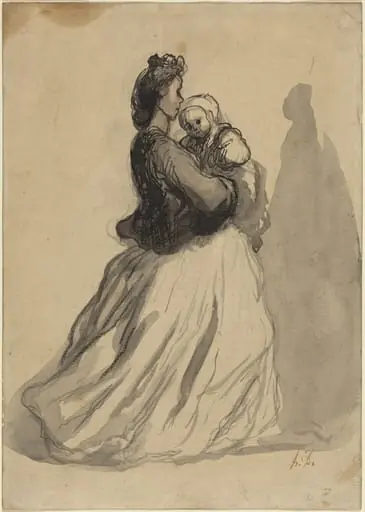 Mother and Baby
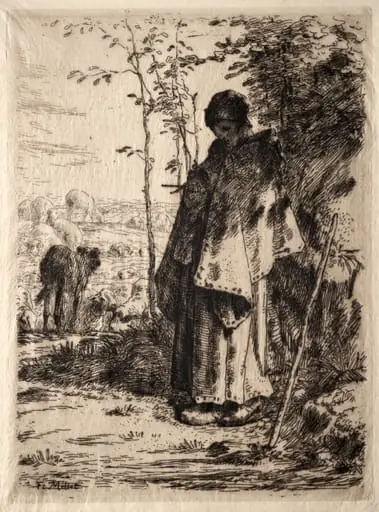 The Large Shepherdess
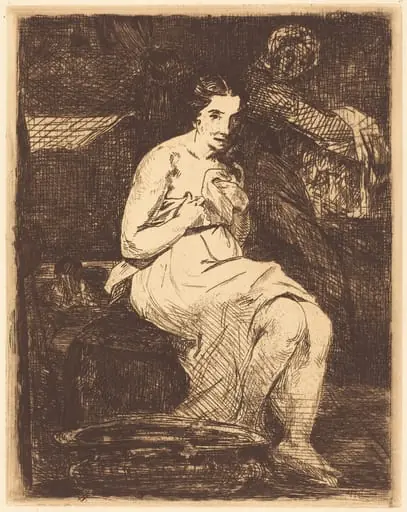 The Toilette (La toilette)
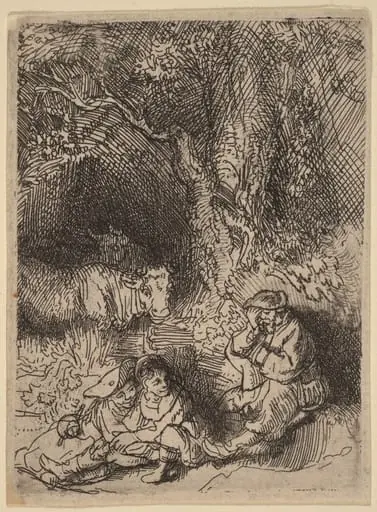 The Sleeping Herdsman
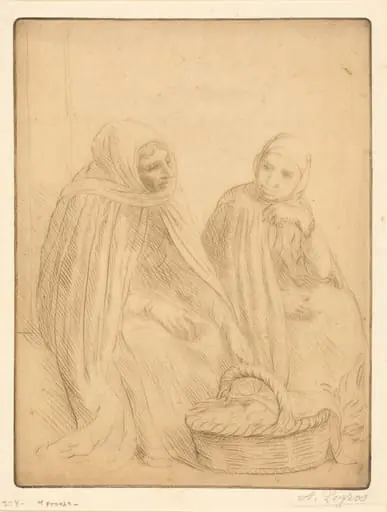 Egg-sellers, 1st plate (Les marchandes d'oeufs)
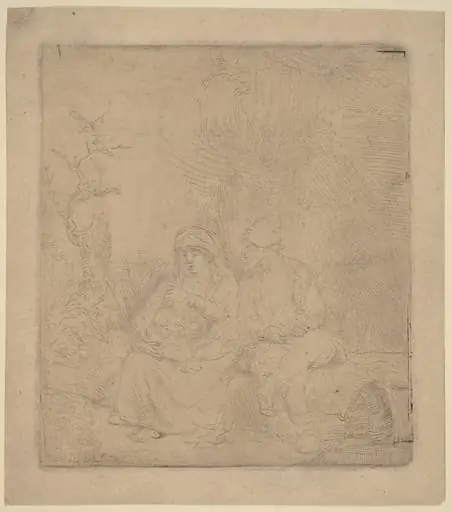 The Rest on the Flight: Lightly Etched
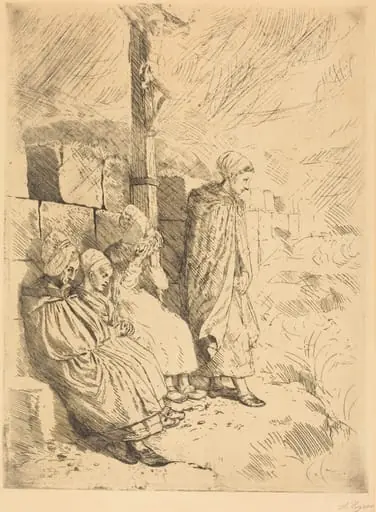 Fishermen's Wives (Femmes de pecheurs)
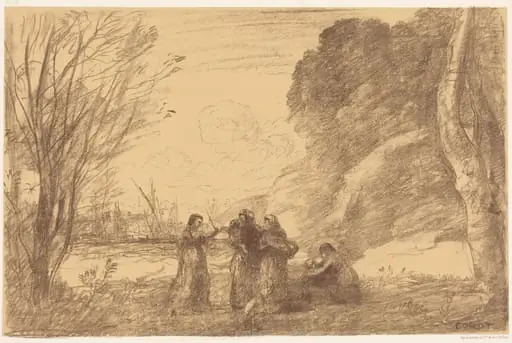 Family at Terracina (Une famille a terracine)