Artwork
Edouard Molé
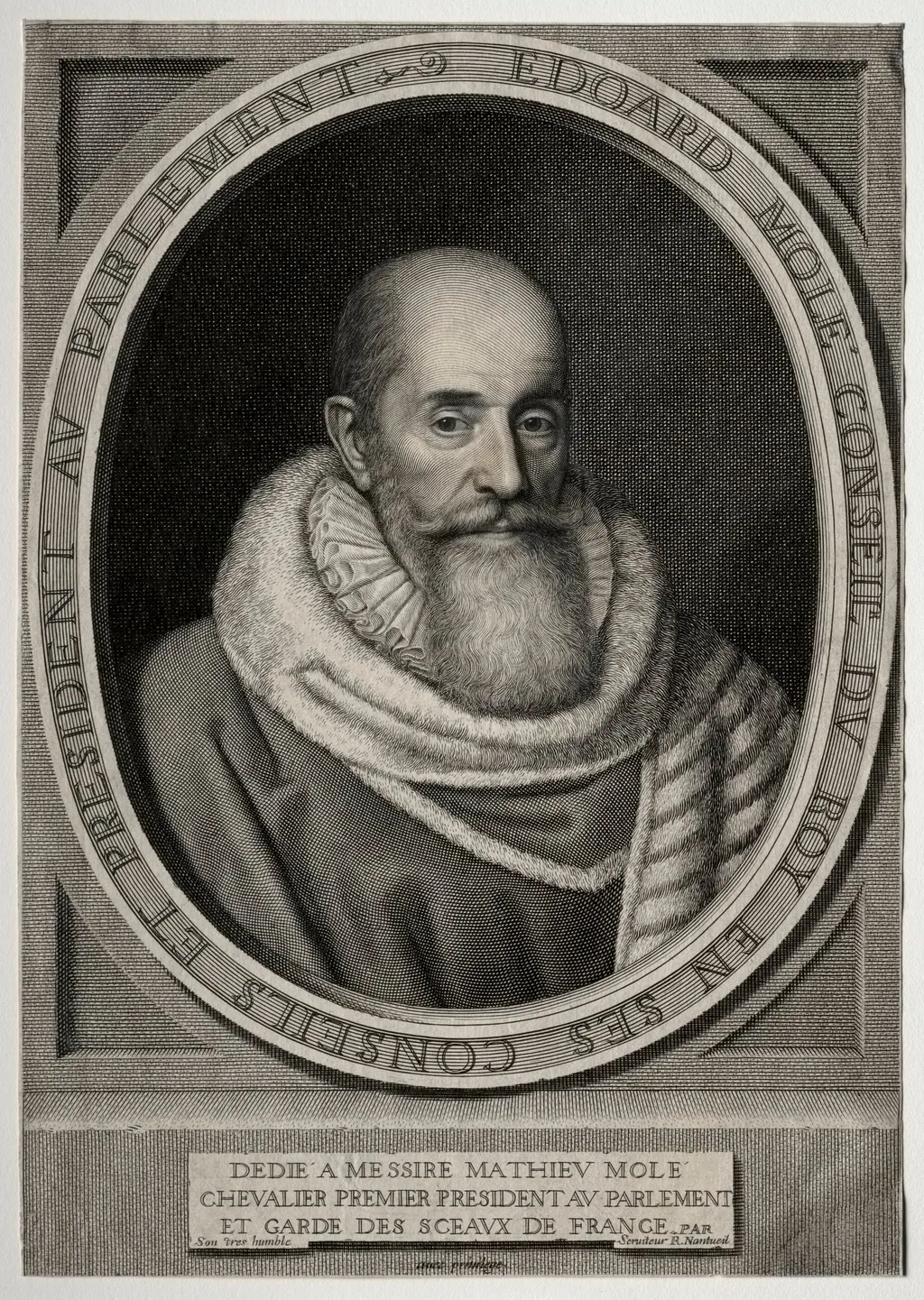
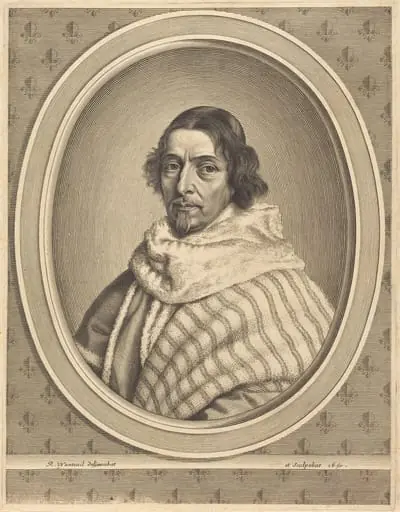
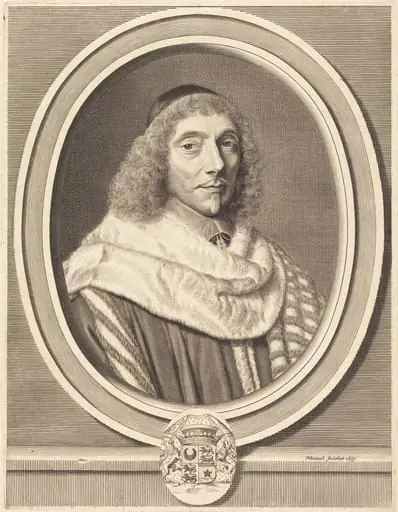
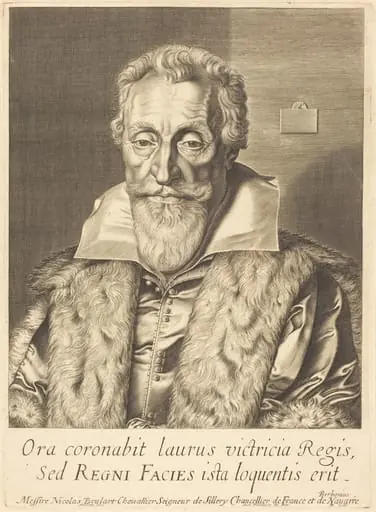
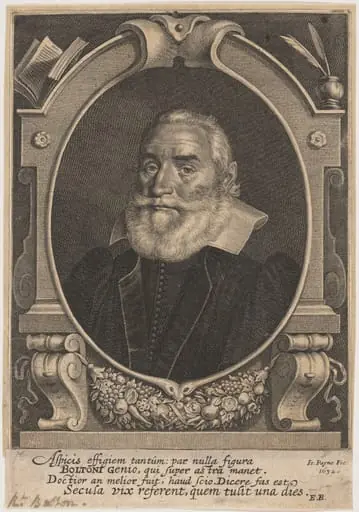
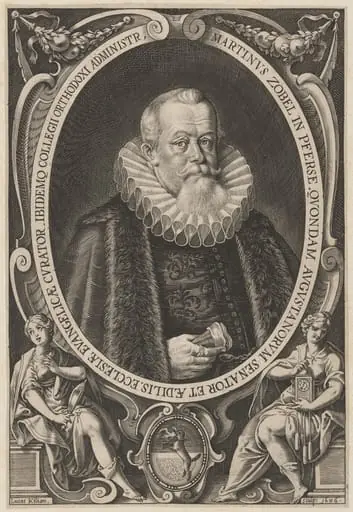
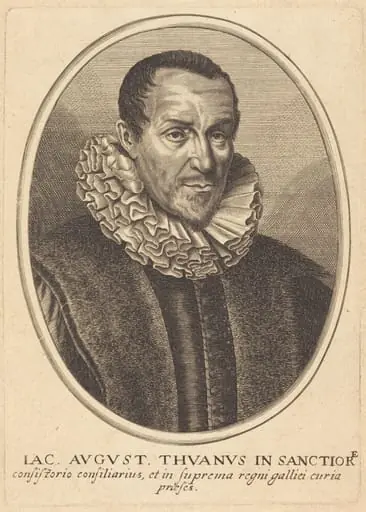
Edouard Molé is a print by the Baroque artist Robert Nanteuil. It dates from 1653 and is held in the collection of the Cleveland Museum of Art.
About this work
Overview
Created in 1653 by Robert Nanteuil, this engraved portrait depicts Édouard Molé, a French courtier and actor.
Created in 1653 by Robert Nanteuil, this engraved portrait depicts Édouard Molé, a French courtier and actor. Executed in monochrome, the print reflects Nanteuil’s role as an official engraver to Louis XIV’s court, where he documented the likenesses of nobility and cultural figures. The work is part of the Cleveland Museum of Art’s collection and exemplifies the precision and intimacy characteristic of 17th-century French portrait engraving.
Subject & Meaning
Édouard Molé was a respected figure in the French theater world and a member of the royal court. The portrait presents him with solemn dignity, his fur-lined collar and broad hat suggesting status and formality. The circular border and dedicatory inscription reinforce the image’s ceremonial purpose, likely intended for circulation among elite circles as a token of recognition or personal commemoration.
Technique & Style
Nanteuil employed fine, controlled lines to render texture and volume, using chiaroscuro to model the face with dramatic contrast. Deep shadows beneath the eyes and jaw define the contours, while the dark background isolates the subject. The intricate decorative border, etched with ornamental patterns, frames the portrait without distracting from its central focus, showcasing Nanteuil’s mastery of line and spatial balance.
History & Provenance
The print was produced during Nanteuil’s tenure as court engraver, a position that granted him access to influential patrons. It entered the Cleveland Museum of Art’s collection through documented acquisitions in the 20th century, preserving its historical integrity. Its survival in good condition reflects its value as both artistic and documentary material from the reign of Louis XIV.
Context
In mid-17th-century France, engraved portraits served as tools of social and political representation. Nanteuil’s work aligned with the court’s emphasis on visual authority and personal legacy. The popularity of such prints among the aristocracy reflected broader cultural trends favoring refined, intimate depictions over grand public imagery, especially in the years before the full consolidation of absolutist monarchy.
Legacy
Nanteuil’s portraits, including this one, set a standard for French engraving in the Baroque era. His ability to convey psychological depth through line influenced generations of printmakers. Though Molé himself is less remembered today, the portrait endures as a precise record of a cultural figure at the intersection of theater and court life in early modern France.
Artist & collection
Artist
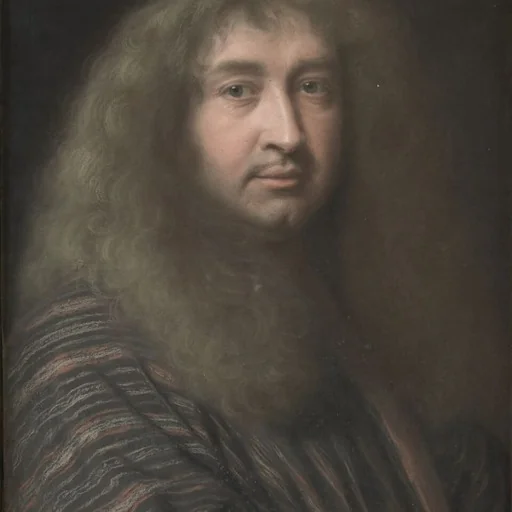
Robert Nanteuil (French pronunciation: ; 1623 – 9 December 1678) was a French portrait artist: engraver, draughtsman and pastellist to the court of Louis XIV.