Artwork
Saint Herve
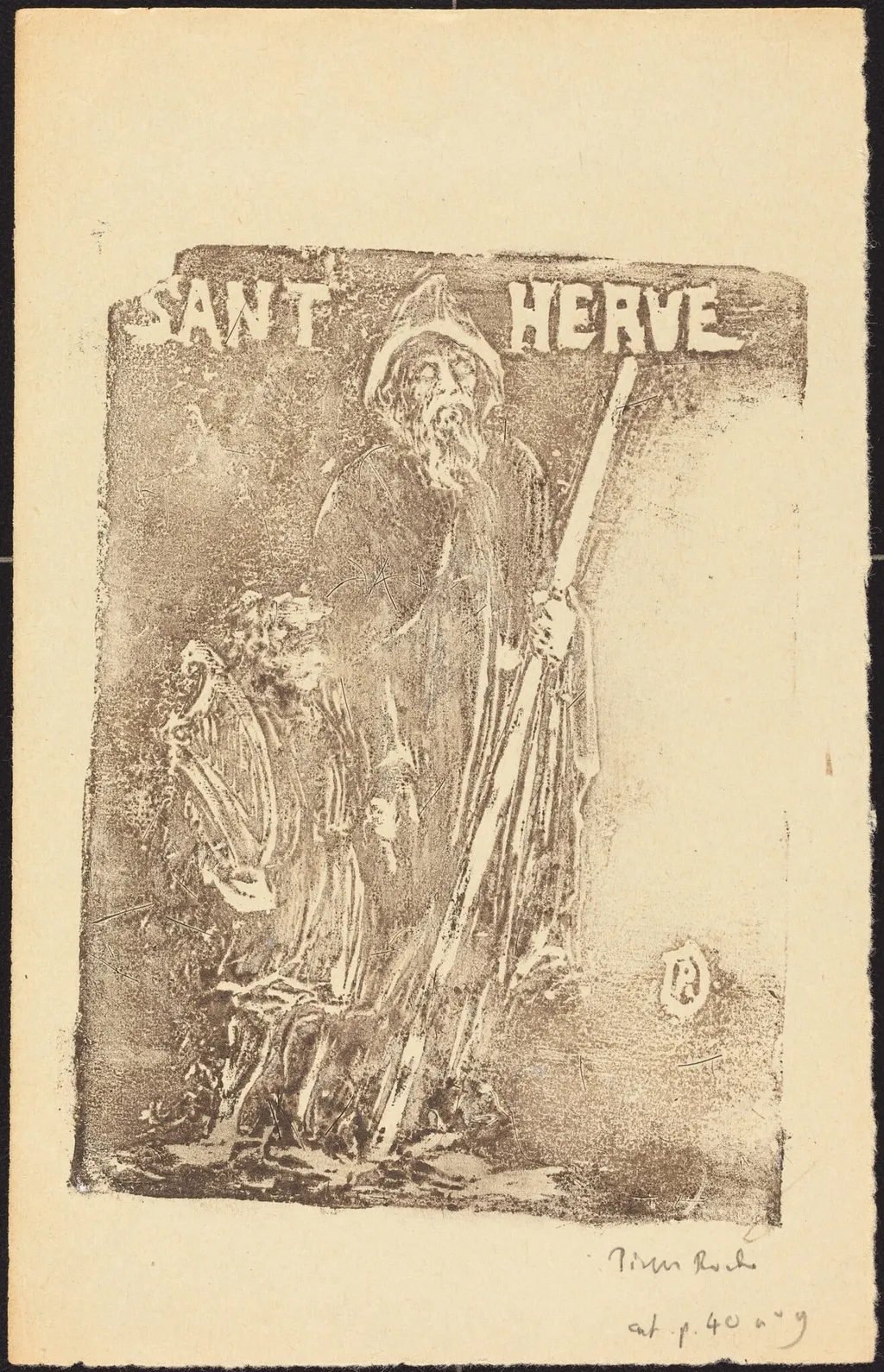
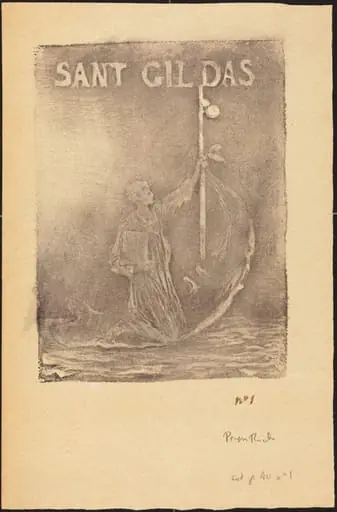
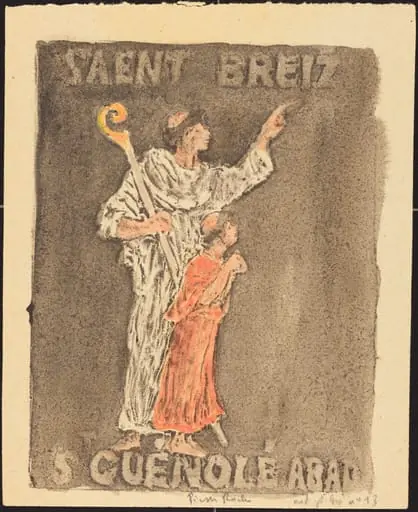
Saint Herve is a print by the Impressionist artist Pierre Roche. It dates from 1888 and is held in the collection of the National Gallery of Art.
About this work
Overview
Though Roche was primarily known as a sculptor and ceramist, this work reflects his brief but focused engagement with religious imagery during the late 1880s.
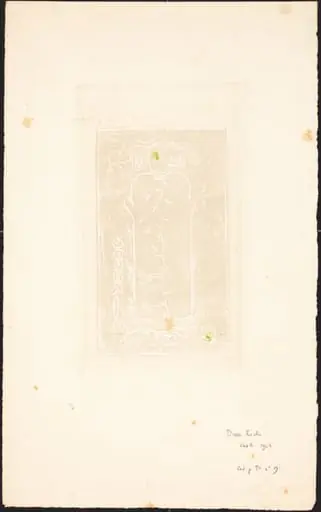
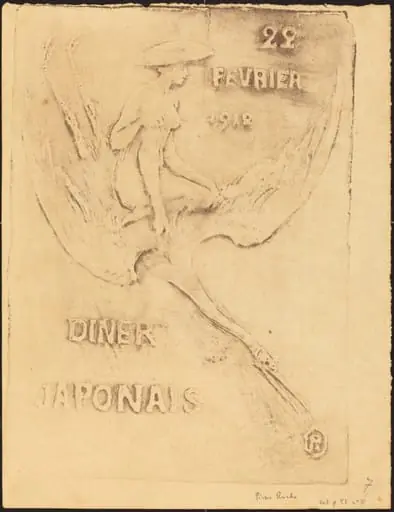
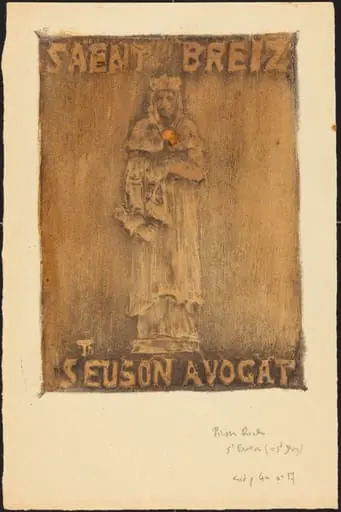
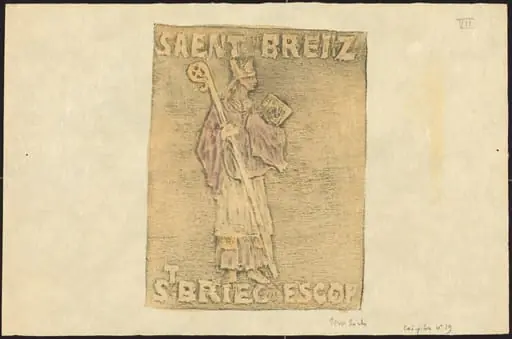
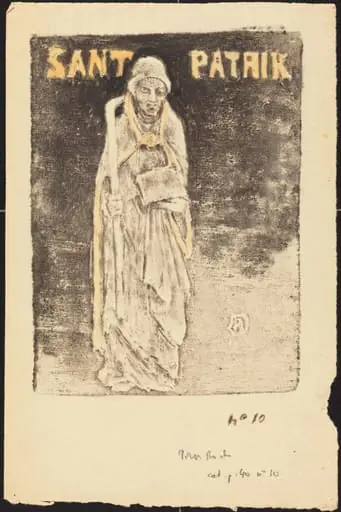
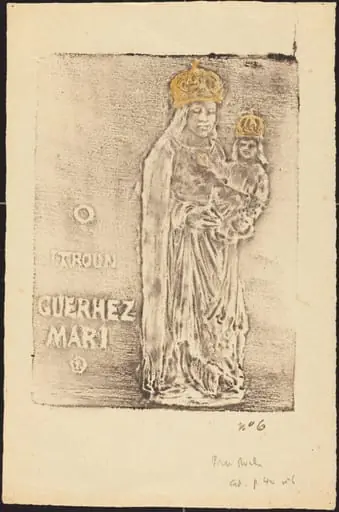
Pierre Roche’s *Saint Herve*, produced in 1888, is a gypsograph—a print made from a mold of gypsum plaster. Though Roche was primarily known as a sculptor and ceramist, this work reflects his brief but focused engagement with religious imagery during the late 1880s. The piece was created during a period when he exhibited regularly at the Paris Salon, following his training at the Académie Julian. Its medium distinguishes it from his more common sculptural outputs, highlighting experimental printmaking in his oeuvre.
Subject & Meaning
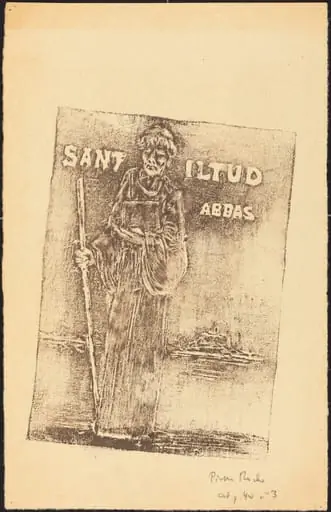
The image portrays Saint Herve, a 6th-century Breton hermit and healer, depicted in a moment of spiritual intercession. A kneeling figure, likely a supplicant, bows before him, emphasizing themes of devotion and divine intervention. The saint holds a staff, a traditional symbol of authority and pilgrimage, while his calm demeanor suggests quiet benevolence. The composition avoids dramatic spectacle, favoring introspection and reverence, consistent with late 19th-century devotional aesthetics in France.
Technique & Style
As a gypsograph, the work was produced by pressing paper into a gypsum mold, capturing fine surface textures and tonal gradations. Roche employed chiaroscuro to model the figures, with light accentuating the saint’s face and the supplicant’s hands, enhancing emotional focus. The folds of the robe and the texture of skin are rendered with precise, almost sculptural detail, reflecting his training in three-dimensional form. The muted background isolates the figures, reinforcing the intimacy of the scene.
History & Provenance
Created in 1888, the gypsograph was likely made for private or institutional circulation during Roche’s active exhibition years. It entered the collection of the National Gallery of Art in Washington, D.C., where it remains today. While few gypsographs by Roche survive, this piece is among the few documented examples of his printmaking, offering insight into his lesser-known technical explorations beyond sculpture and painting.
Context
In the late 1880s, French artists revisited religious themes amid broader cultural debates over secularism and tradition. Roche’s work aligns with a quiet revival of spiritual subjects among academic painters, distinct from the radical styles emerging in Impressionism. His background in medicine and chemistry may have influenced his methodical approach to materials, while his training under Alfred Roll grounded him in naturalistic representation, evident in the careful rendering of anatomy and expression.
Legacy
Though Roche is not widely remembered today, *Saint Herve* stands as a rare testament to his versatility and technical curiosity. The gypsograph format, rarely used by his contemporaries, underscores his willingness to experiment beyond conventional media. The work contributes to understanding the breadth of religious art in fin-de-siècle France, illustrating how academic artists engaged with faith through innovative, if modest, print techniques.
Artist & collection

Artist
Pierre Roche (Paris, 2 August 1855 – Paris, 18 January 1922), pseudonym of Pierre Henry Ferdinand Massignon, was a French sculptor, painter, ceramist and medallist.