Artwork
Femme et Cygne, 22 fevrier 1912, Diner Japonaise (Woman and Bird, 22 February 1912, J
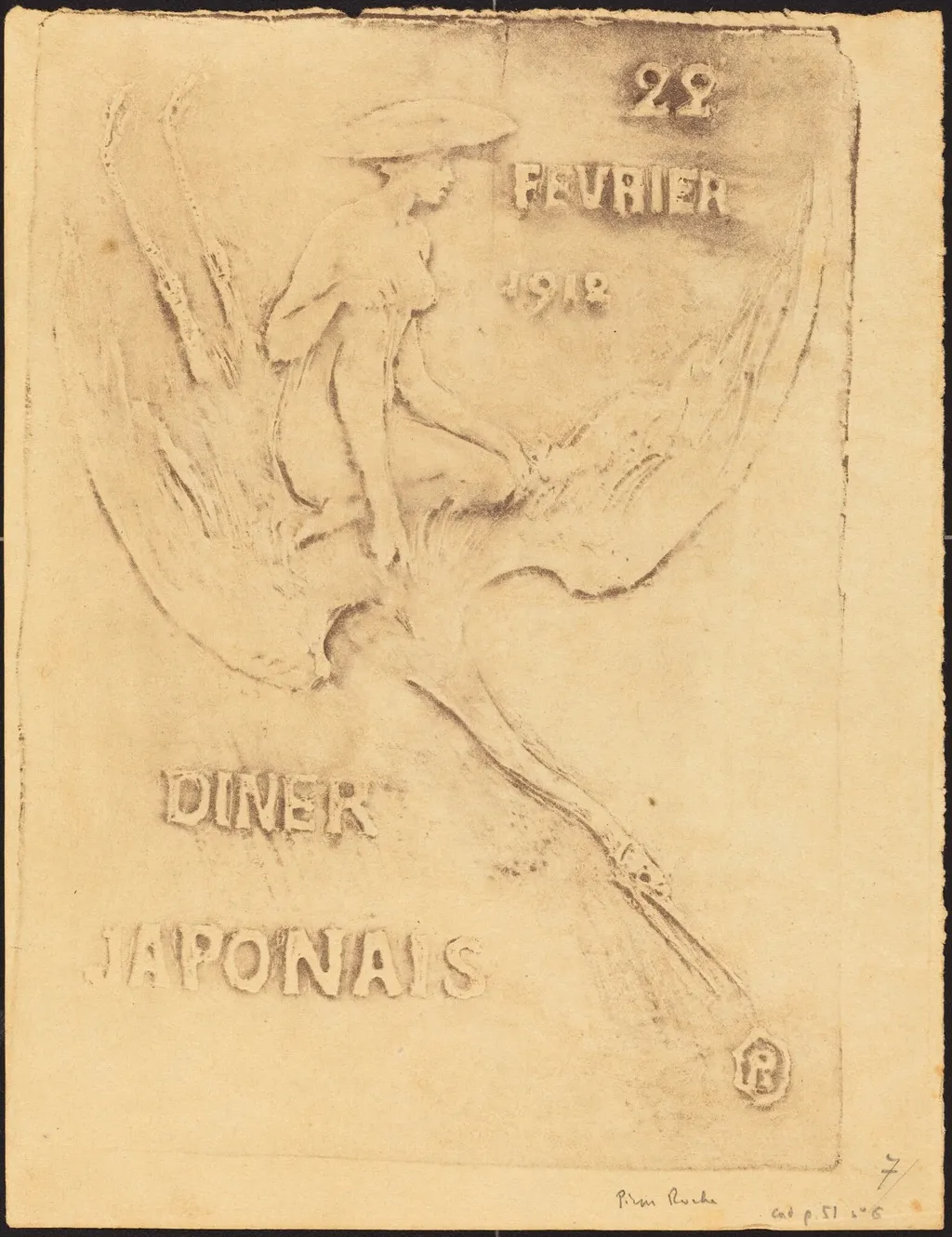
Femme et Cygne, 22 fevrier 1912, Diner Japonaise (Woman and Bird, 22 February 1912, J is a print by Pierre Roche. It dates from 1912 and is held in the collection of the National Gallery of Art.
About this work
Overview
Though trained initially in medicine, Roche shifted to the visual arts, studying at the Académie Julian and later under sculptor Jules Dalou.
Pierre Roche, a French artist active in the early 20th century, produced *Femme et Cygne, 22 février 1912, Diner Japonaise* in 1912 using the gypsograph process—a relief printing method involving plaster. Though trained initially in medicine, Roche shifted to the visual arts, studying at the Académie Julian and later under sculptor Jules Dalou. This print reflects his interdisciplinary approach, bridging his work in sculpture, painting, and graphic media.
Subject & Meaning
The image presents a female figure in contemplative proximity to a swan, evoking themes of grace, stillness, and natural harmony. The title’s reference to a Japanese dinner suggests an aesthetic influence from Japanese art, particularly in its emphasis on quiet composition and symbolic elements. The swan, often associated with purity or transformation, complements the figure’s poised demeanor, though no explicit narrative is conveyed.
Technique & Style
Roche employed gypsograph, a technique involving carved plaster plates inked and pressed onto paper, to achieve a textured, tonal surface. The lines are delicate yet deliberate, favoring subtle modulation over bold contrast. This method aligns with his sculptural sensibility, translating three-dimensional form into two-dimensional relief. The style is restrained, avoiding theatricality in favor of intimate, meditative detail.
History & Provenance
Created in 1912, the work emerged during a period when Roche was actively exhibiting at the Paris Salon and refining his practice across multiple media. While few records detail its early ownership, it is documented as part of his broader output in graphic arts. The piece remains a rare example of his printmaking, distinct from his more widely known sculptures and medals.
Context
In early 20th-century Paris, artists increasingly drew from non-Western aesthetics, including Japanese prints, to rethink composition and subject matter. Roche’s engagement with such influences reflects broader trends among contemporaries exploring Japonisme. His background in medicine and sculpture informed a methodical, observational approach, setting his graphic work apart from more decorative contemporaries.
Legacy
Though Roche is primarily remembered for his sculptural output, *Femme et Cygne* illustrates his quiet innovation in printmaking. The work contributes to a lesser-known facet of his career, revealing how his interdisciplinary training shaped a unique visual language. It remains a modest but significant artifact of early modern French graphic art, appreciated for its restraint and technical nuance.
Artist & collection

Artist
Pierre Roche (Paris, 2 August 1855 – Paris, 18 January 1922), pseudonym of Pierre Henry Ferdinand Massignon, was a French sculptor, painter, ceramist and medallist.

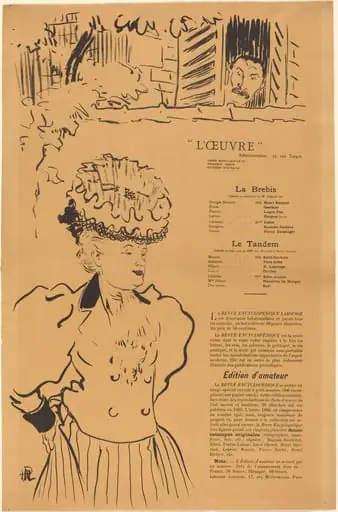 La Brebis; Le Tandem
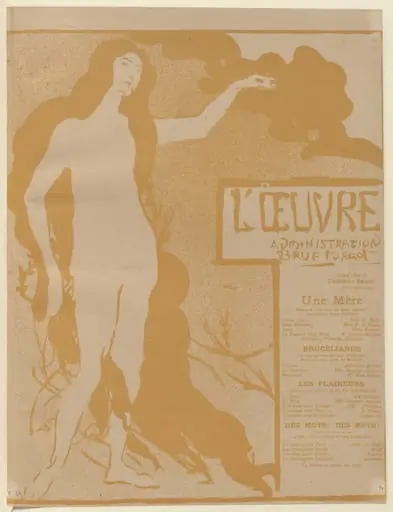 Untitled
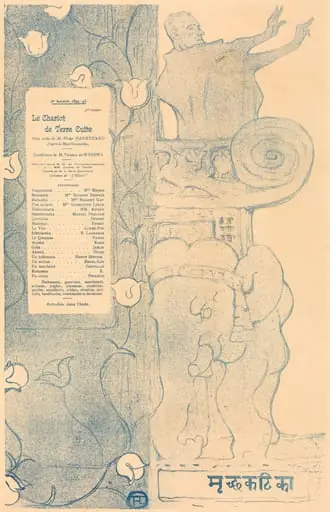 Le Chariot de terre cuite
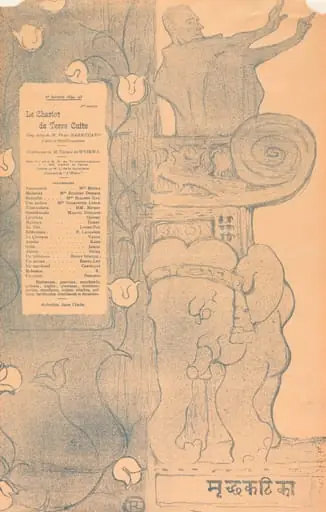 Le Chariot de terre cuite
 Image
Image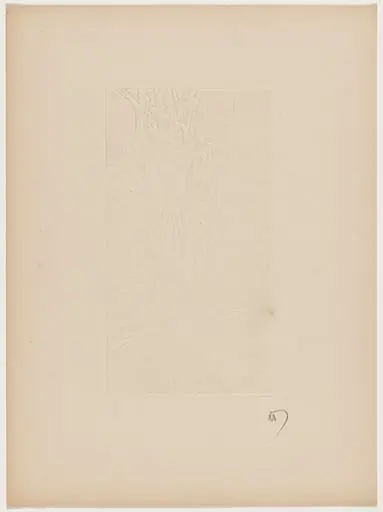 Léger relief pour une reliure (Light Relief for a Binding)
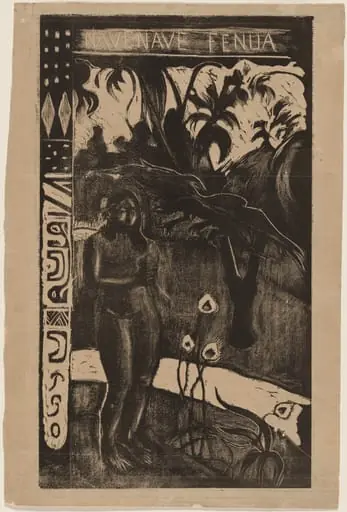 Nave Nave Fenua (Delightful Land)
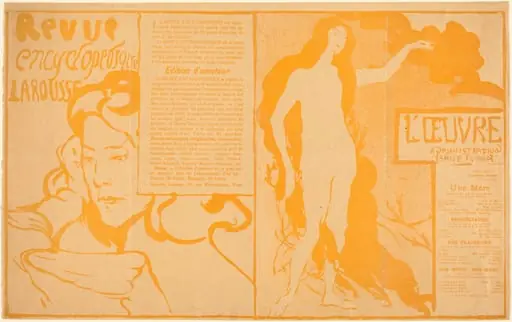 Une Mère; Brocéliande; Les Flaireurs; Des Mots! Des Mots!
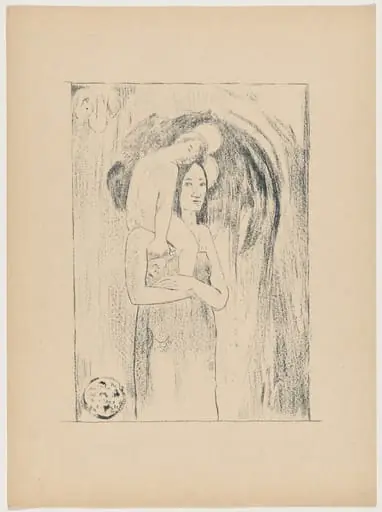 La vierge et l'enfant (The Virgin and Child)
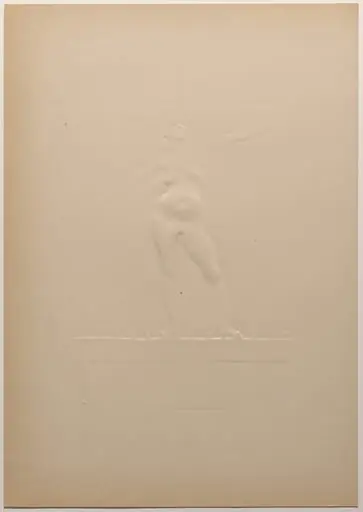 Devant la rampe
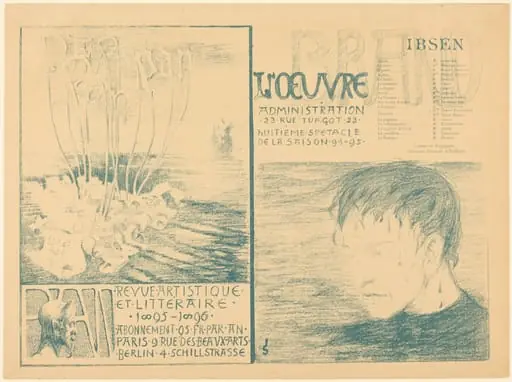 Brand
Brand Saint Agathe (Saint Agatha)