Artwork
Türkenschlacht
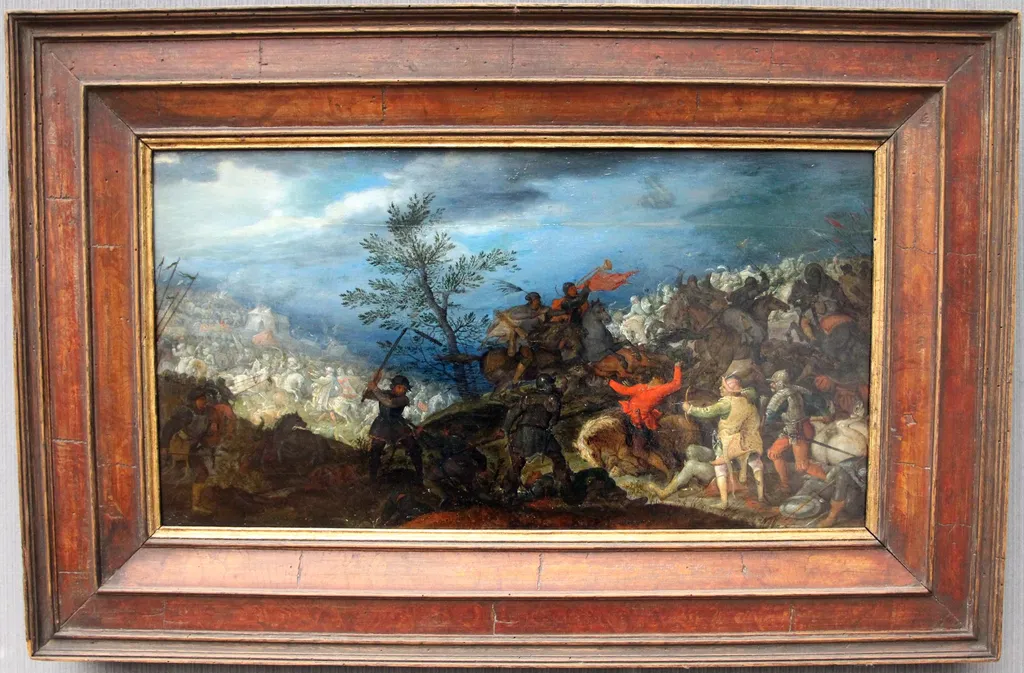
Türkenschlacht is a paint painting by the Dutch Golden Age artist Roelant Savery. It dates from 1614 and is held in the collection of the Gemäldegalerie Berlin.
About this work
Overview
The painting is part of the Gemäldegalerie Berlin’s collection and exemplifies the period’s interest in dynamic, large-scale compositions.
Painted in 1614 by Roelant Savery, *Türkenschlacht* is an oil-on-panel work depicting a turbulent battle scene. Though Savery is better known for his animal studies and landscapes, this piece reflects his engagement with historical and military subjects during his time in the Dutch Republic. The painting is part of the Gemäldegalerie Berlin’s collection and exemplifies the period’s interest in dynamic, large-scale compositions.
Subject & Meaning
The painting portrays a chaotic clash between opposing forces, likely referencing conflicts between Christian European armies and Ottoman forces. The central figure in orange may represent a commander, singled out amid the melee. While the scene lacks specific historical identification, it conveys the disorder and intensity of warfare, reflecting contemporary anxieties about Ottoman expansion and the broader cultural memory of religious conflict.
Technique & Style
Savery employs a layered composition to suggest depth, with dense foreground figures receding into a hazy background. The sky, rendered in pale blues and whites, contrasts with the muted earth tones of the battlefield. Brushwork is detailed yet fluid, capturing motion through overlapping forms and varied postures. Though not dominated by chiaroscuro, the painting uses light to guide attention toward the central figure and the heart of the conflict.
History & Provenance
Created during Savery’s tenure in the Netherlands, the painting entered the collection of the Gemäldegalerie Berlin in the 19th century. Its early ownership is undocumented, but its survival through centuries suggests it was valued as a notable example of early 17th-century narrative painting. The work remained relatively obscure until modern scholarly attention to Savery’s broader oeuvre revived interest in this unusual subject.
Context
In early 17th-century Europe, depictions of battles with Ottoman forces were common in art, often serving as allegories of Christian resistance. Savery, though primarily a naturalist, adapted to market demands for historical scenes. *Türkenschlacht* aligns with a broader trend in Dutch art that blended observation with imaginative reconstruction, reflecting both real political tensions and the public’s appetite for dramatic storytelling.
Legacy
While not among Savery’s most celebrated works, *Türkenschlacht* remains a rare example of his engagement with large-scale historical narrative. It contributes to understanding the range of subjects Dutch artists explored beyond still life and landscape. The painting continues to be studied for its composition and as evidence of how Flemish-trained artists adapted to Dutch cultural priorities during the Golden Age.
Artist & collection
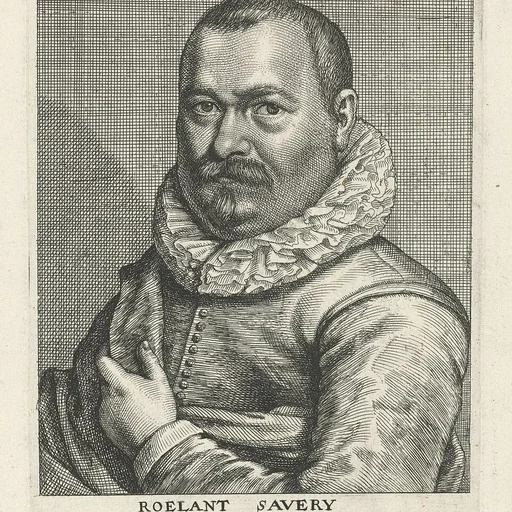
Artist
Roelant Savery (or Roeland(t) Maertensz Saverij, or de Savery, or many variants; 1576 – buried 25 February 1639) was a Flanders-born Dutch Golden Age painter.

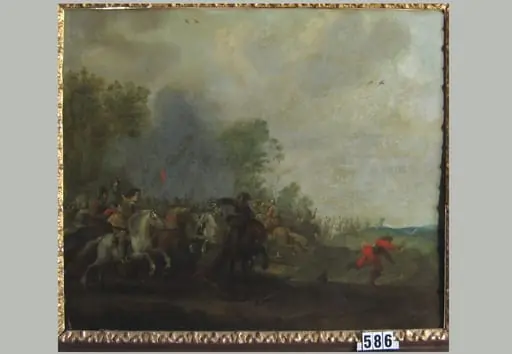 Luptă de cavalerie la marginea codrului
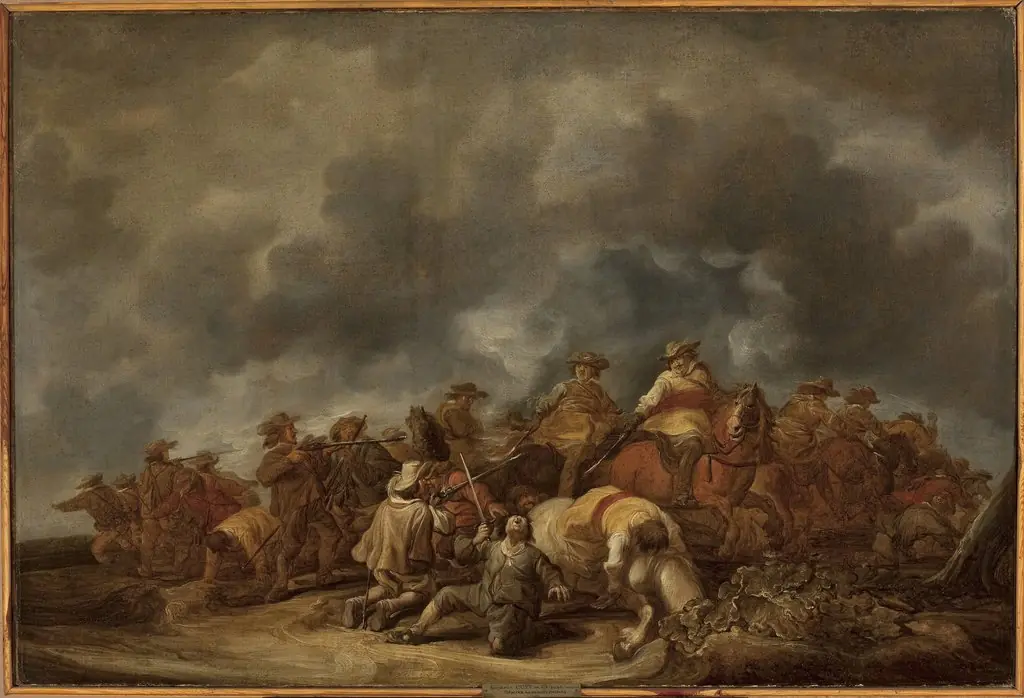 Skirmish of cavalry and infantry
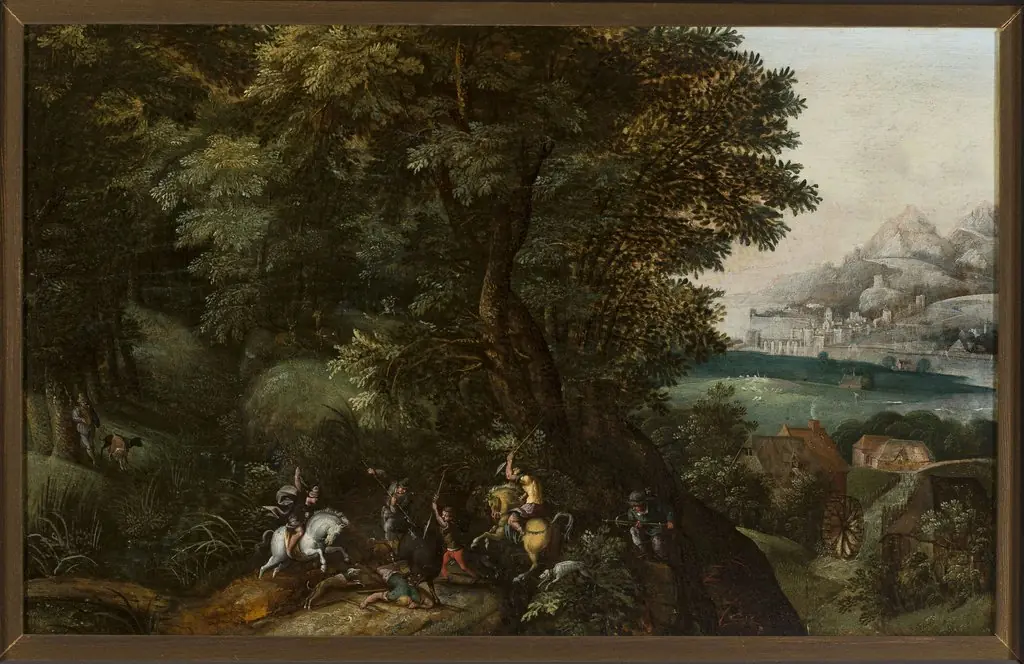 Hunting a wild boar
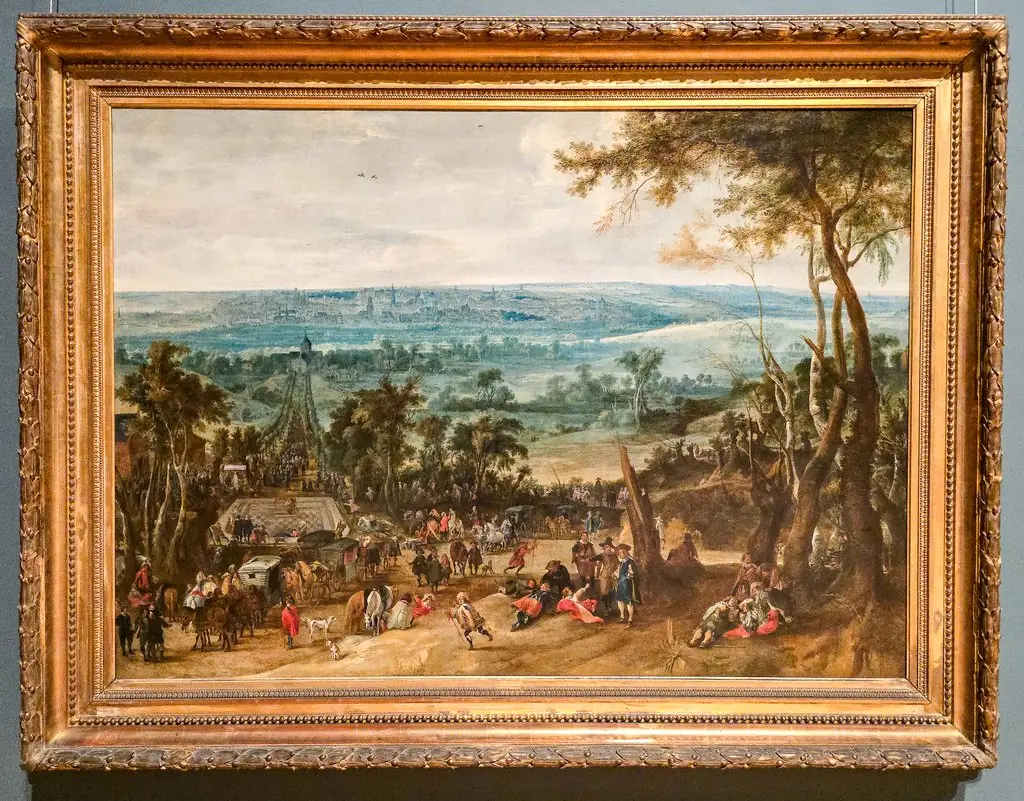 De bedevaart van de infante Isabella naar Laken in 1623
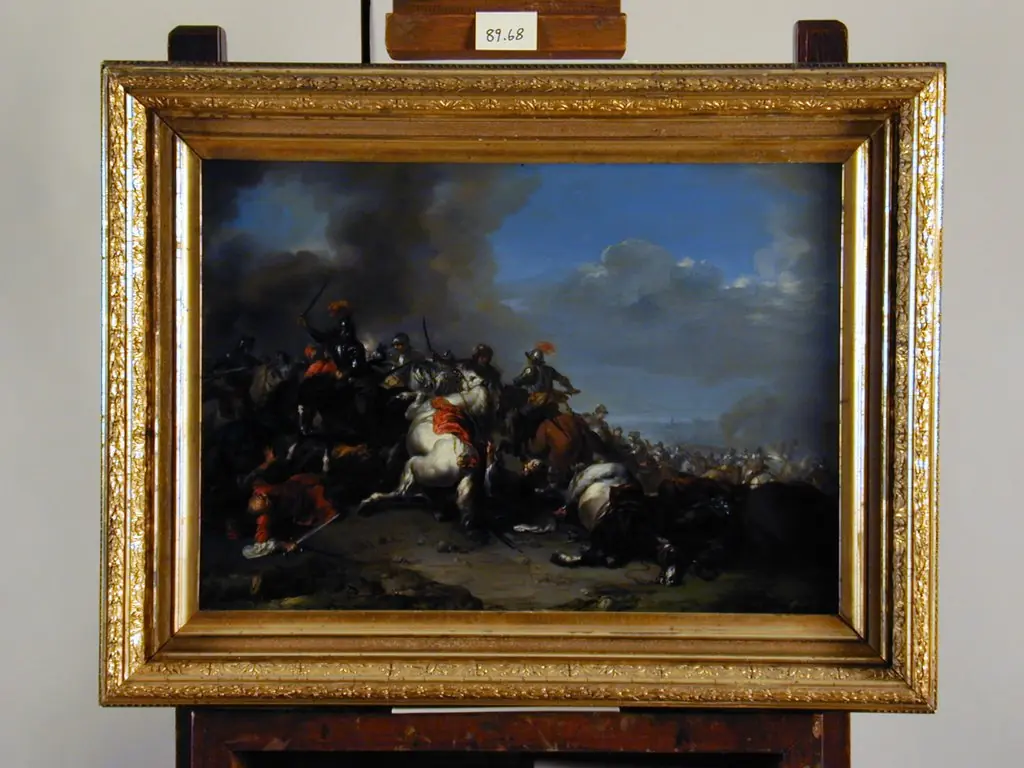 Cavalry
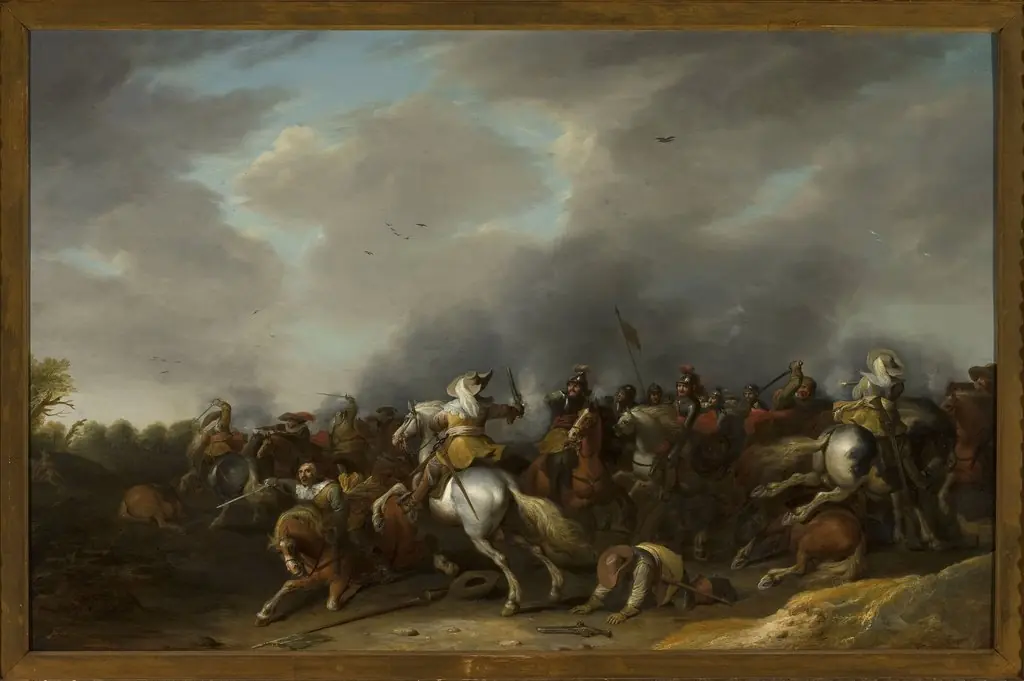 A Cavalry Skirmish
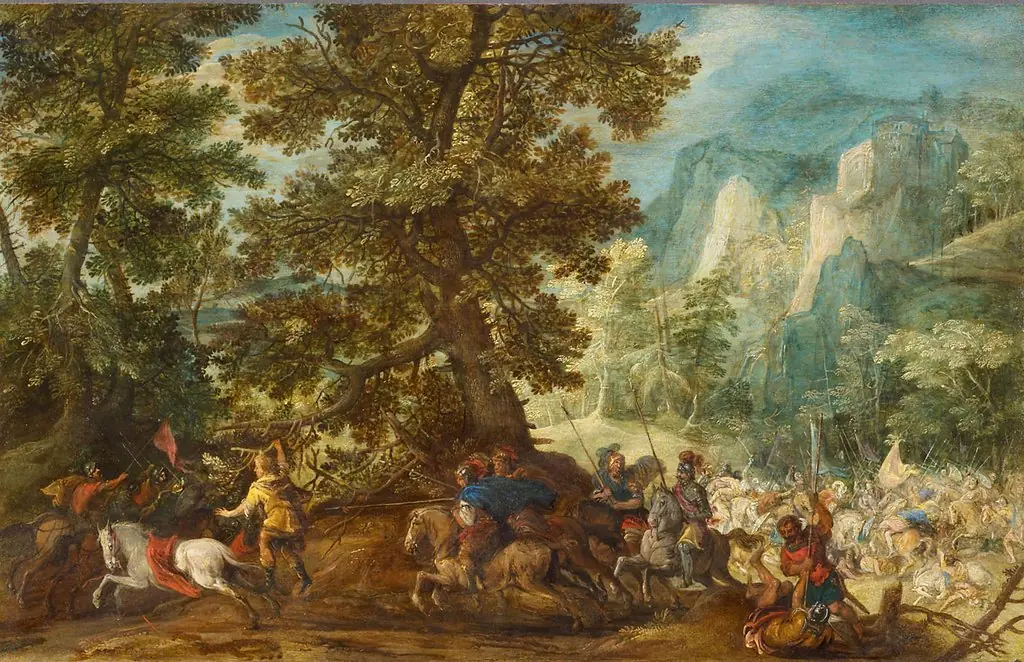 Absaloms death (2 Samuel 18: 9-15)
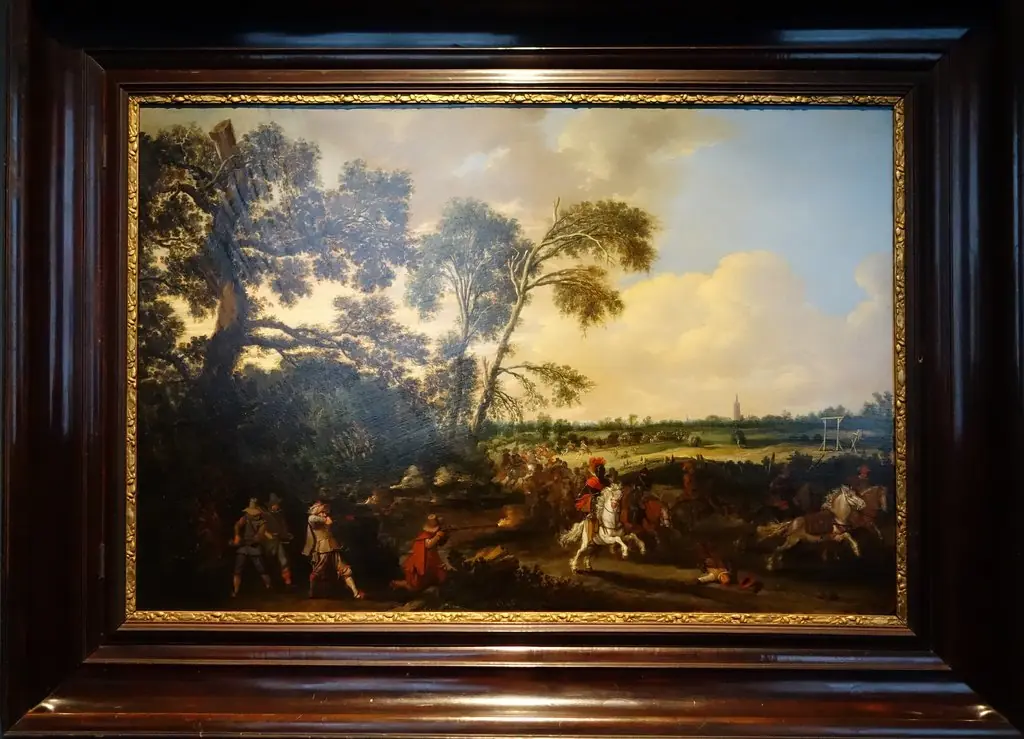 Attack on a Convoy
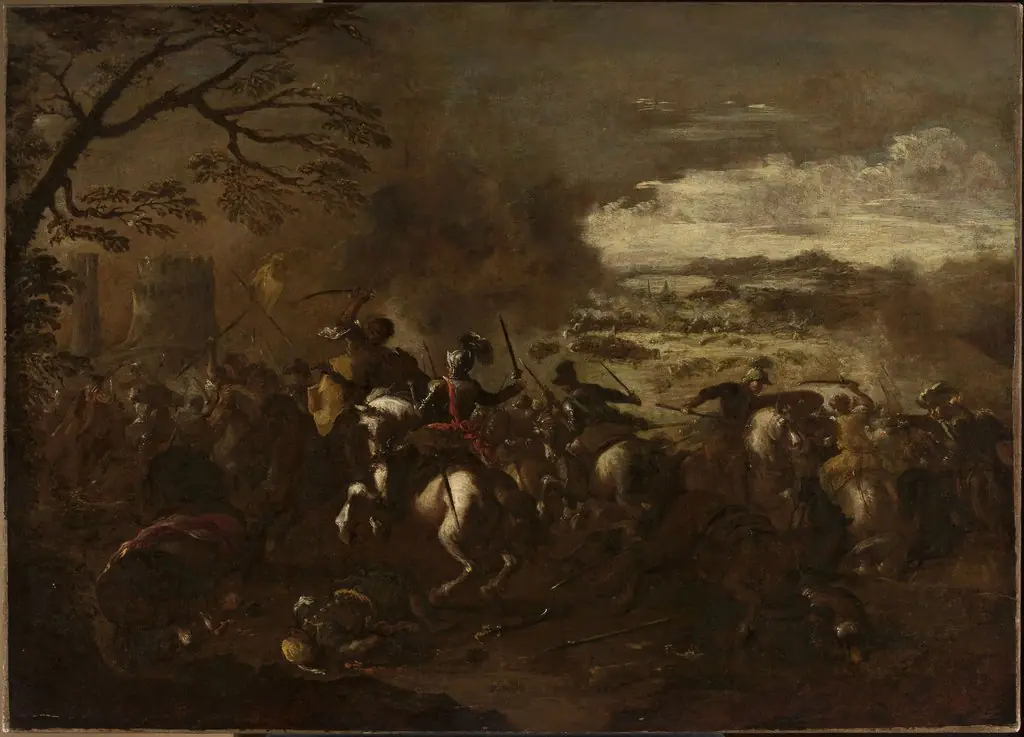 A battle scene
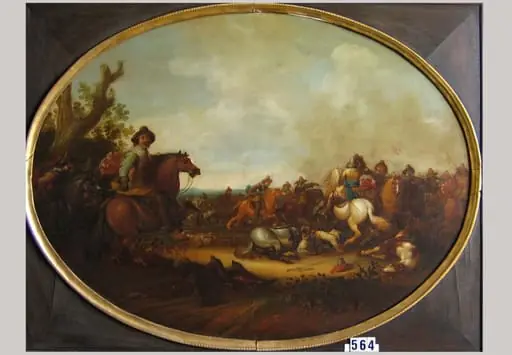 Matthias Gallas în luptă contra suedezilor (în Reg. Inv.: Luptă de cavalerie între austrieci și suedezi)
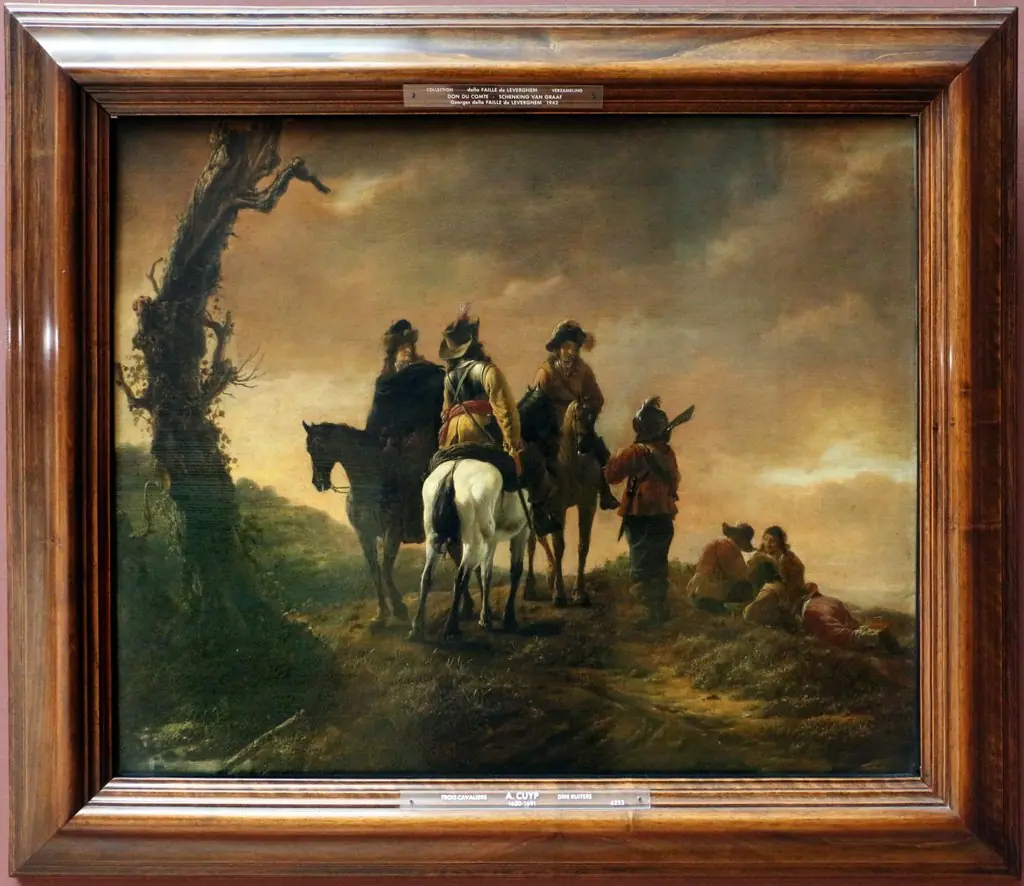 Three cavaliers
 Atacul hoților (în registrul inventar: Hoți atacând pe neașteptate)