Artwork
Le Juif Errant
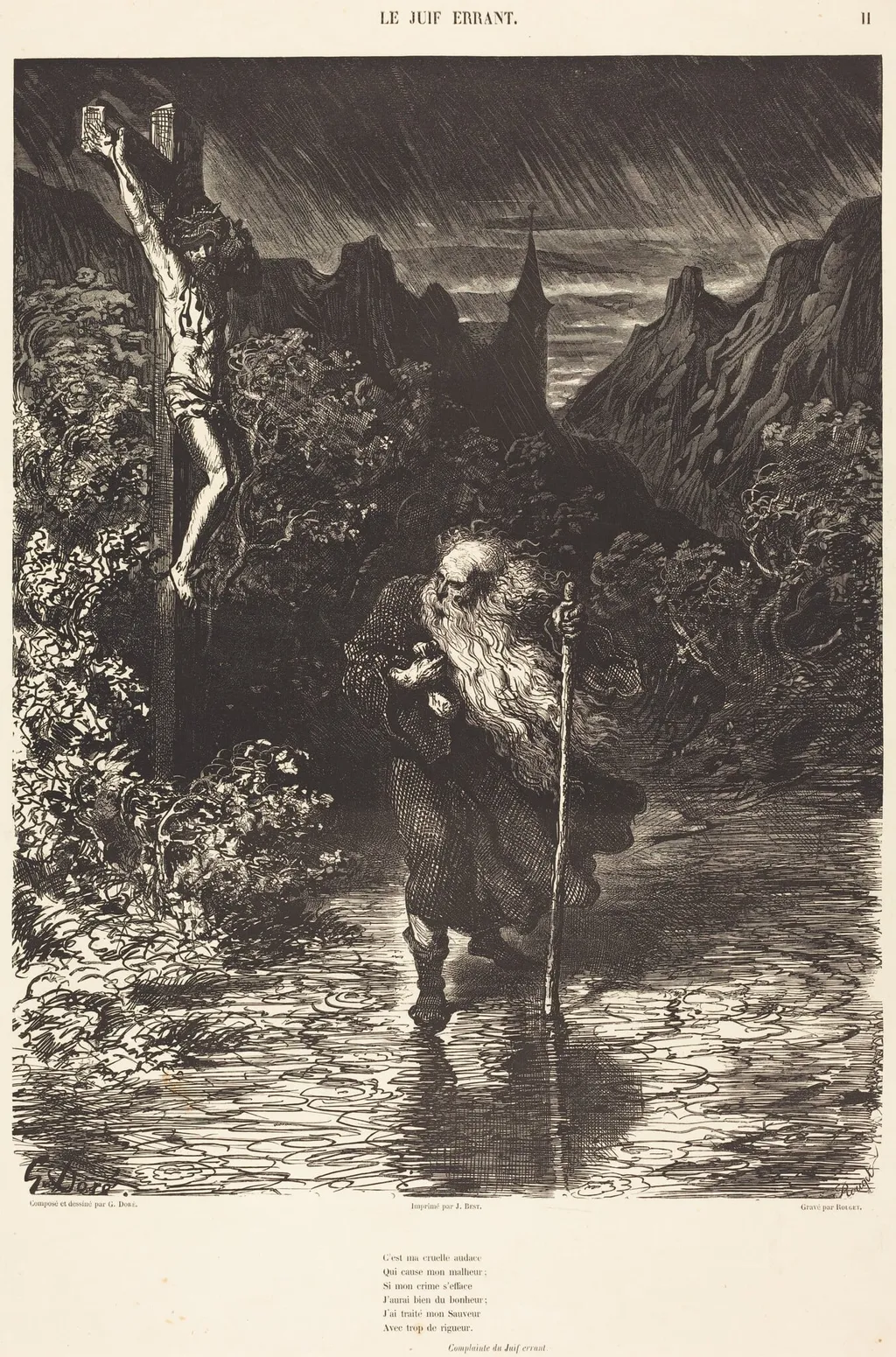
Le Juif Errant is an ink print by the Impressionist artist Georges Rouget. It dates from 1856 and is held in the collection of the National Gallery of Art.
About this work
Overview
Georges Rouget’s wood engraving Le Juif Errant, dated around 1856, presents a solitary, bearded figure trudging through a bleak forest. The composition is dominated by stark contrasts of black linework, emphasizing the figure’s fatigue and the oppressive atmosphere of the surrounding woods.
Subject & Meaning
The image evokes the medieval legend of the Wandering Jew, a cursed soul condemned to endless travel. Roulet underscores this narrative by depicting the traveler leaning on a staff, his heavy garments suggesting perpetual hardship, while a looming, shadowy presence on a hill hints at an ominous, perhaps supernatural, watcher.
Technique & Style
Executed as a wood engraving, the work relies on deep, incisive lines to generate dramatic chiaroscuro. The artist’s control of line density creates a sense of movement in the twisted trees and a foreboding sky, while the stark black areas intensify the overall mood of tension.
History & Provenance
Created in the mid‑nineteenth century, the print reflects the period’s fascination with moralistic folklore and the use of print media to disseminate such narratives. Details of its original publication or subsequent ownership remain sparse, but it stands as a representative example of Rouget’s printmaking output.
Context
During the 1850s, wood engraving was a primary method for reproducing images in books and periodicals. Rouget’s choice of this medium aligns with contemporary practices, allowing the dramatic visual story of the Wandering Jew to reach a broader audience through illustrated publications.
Artist & collection

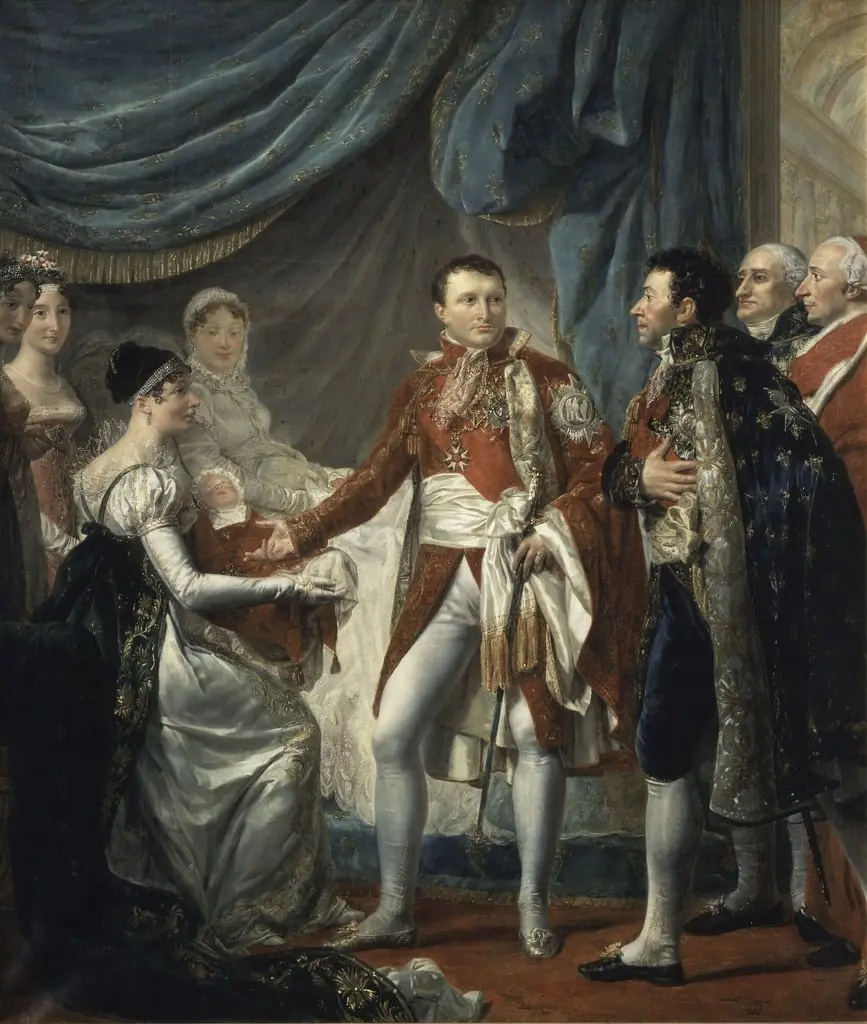 Napoleon I presents the King of Rome to the dignitaries of the Empire, March 20, 1811
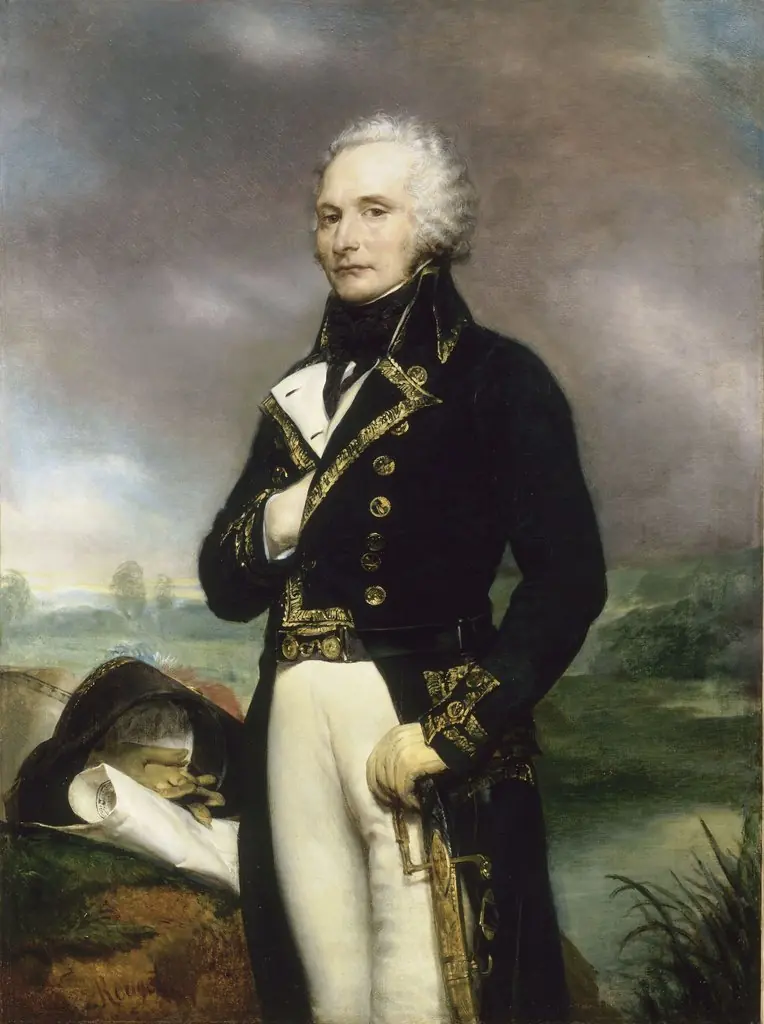 Alexandre-François Marie, viscount of Beauharnais, general-in-chief of the army of the Rhine
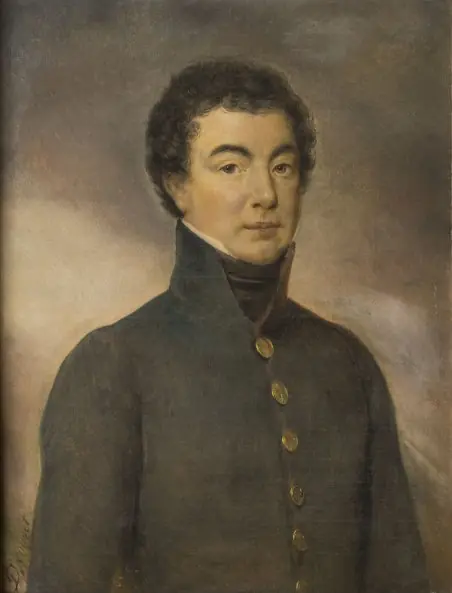 Victor-Guy, admiral-baron Duperré
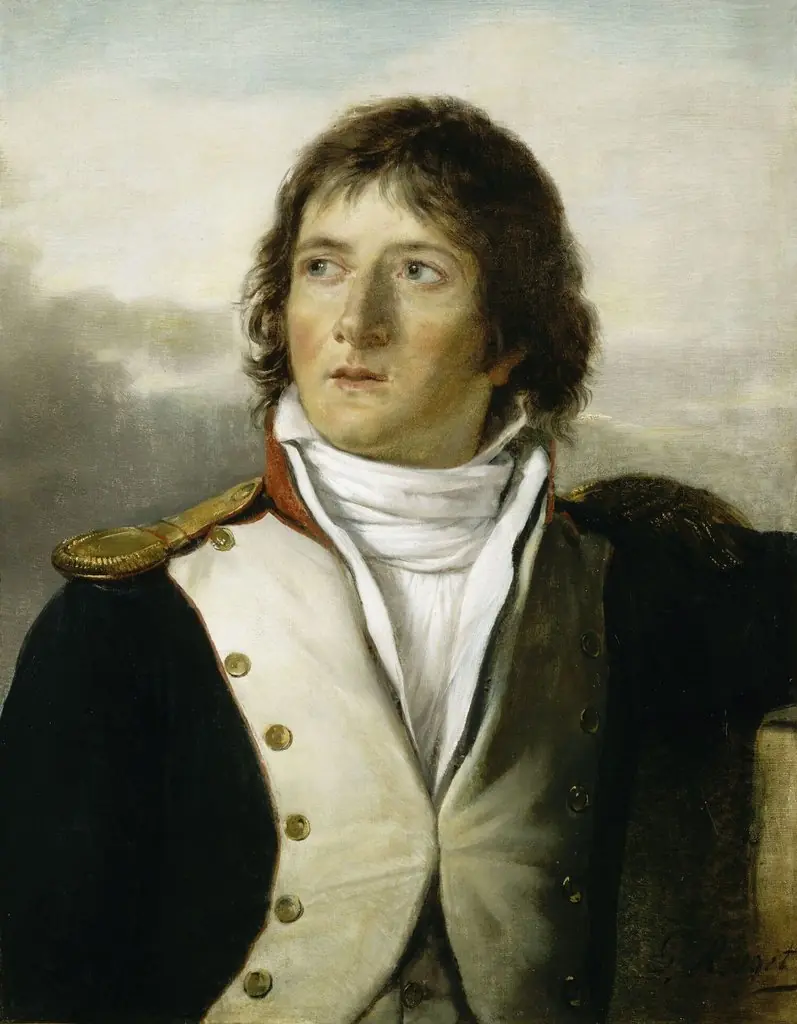 Laurent Gouvion Saint-Cyr, later Marshal and Marquis of Empire
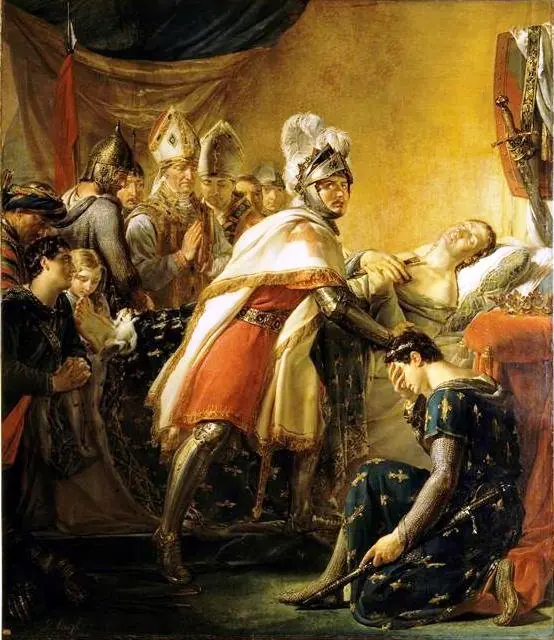 Mort de Saint Louis devant Tunis, 25 août 1270
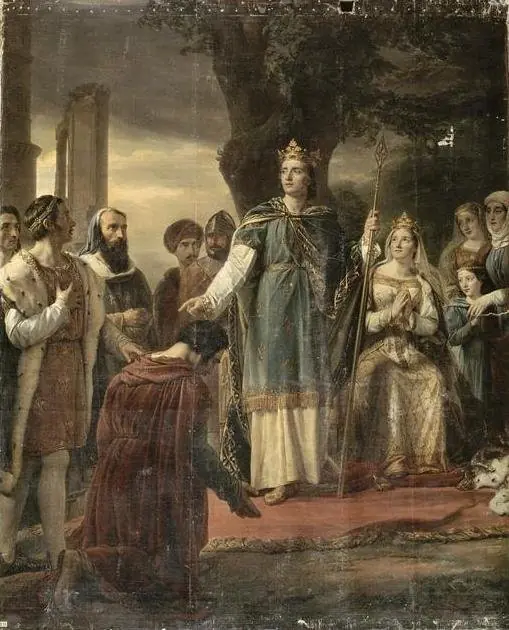 Saint Louis rendant la justice sous le chêne de Vincennes, 1260
 Auguste Frédéric Louis Viesse de Marmont, lieutenant d'état-major d'artillerie en 1792 (1774-1852)
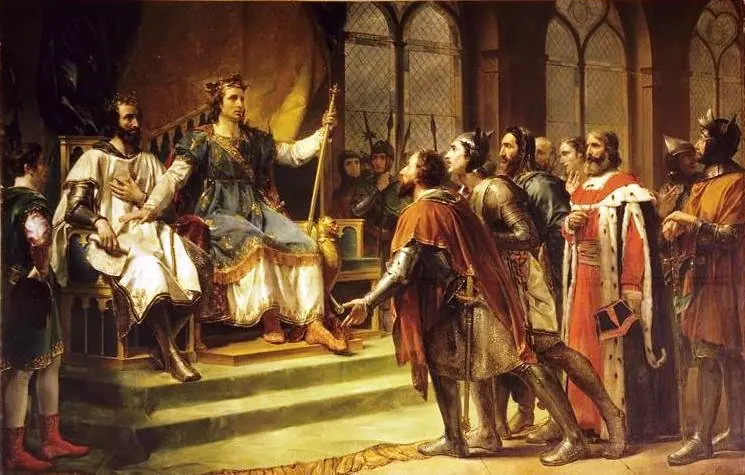 Mise of Amiens, 1264
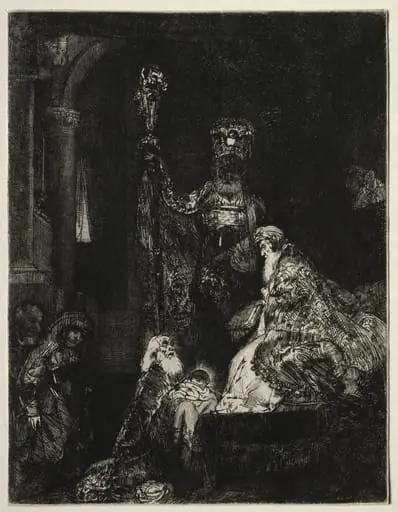 The Presentation in the Temple
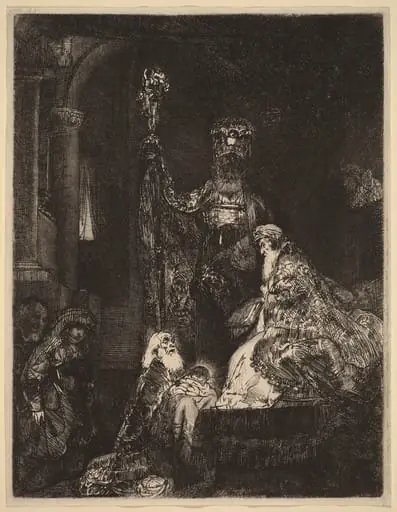 The Presentation in the Temple in the Dark Manner
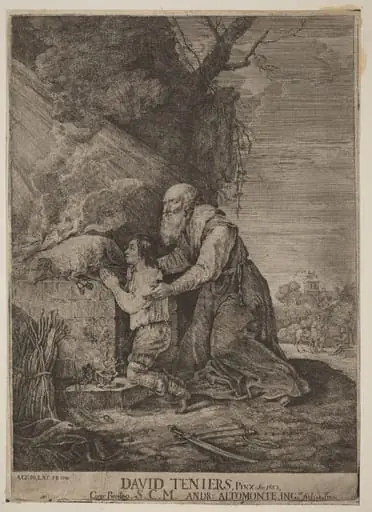 Sacrifice of Isaac
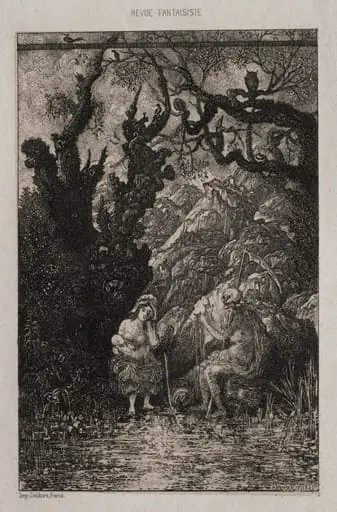 Death and the Young Mother
 Saint Jerome
 Saint Francis Receiving the Stigmata
 The Crucifixion
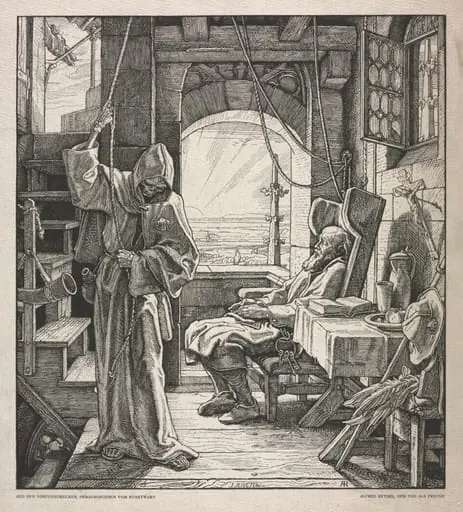 Dance of Death: Death as a Friend
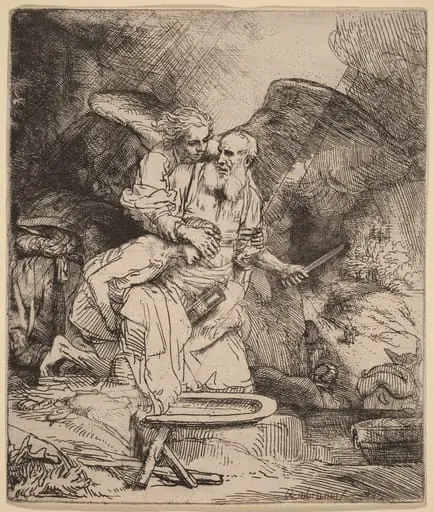 Abraham's Sacrifice
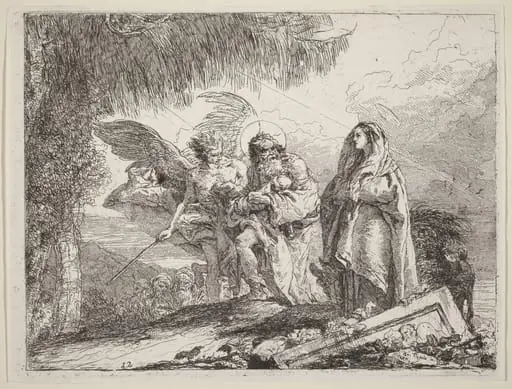 The Flight, Holy Family Walking with Angel
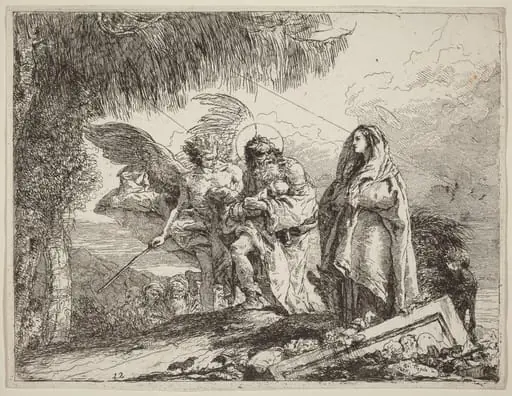 The Flight, Holy Family Walking with Angel
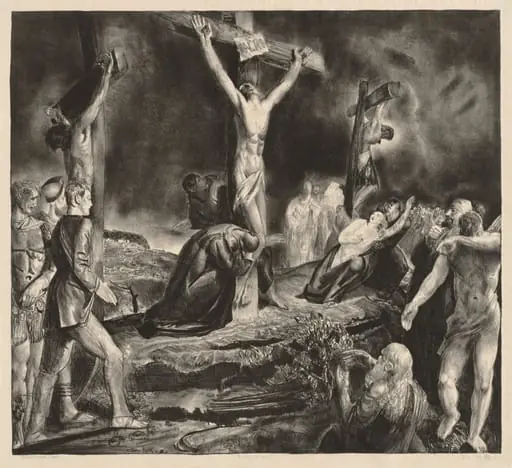 Crucifixion of Christ