Artwork
The Wonderful Pig
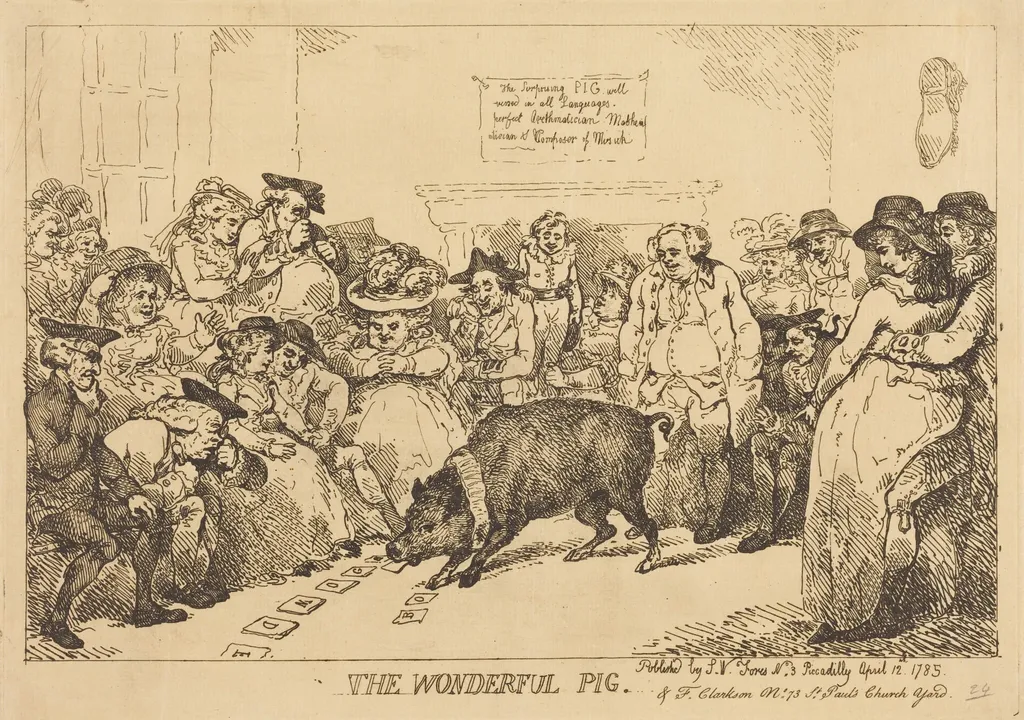
The Wonderful Pig is an ink print by the Romanticist artist Thomas Rowlandson. It dates from 1785 and is held in the collection of the National Gallery of Art.
About this work
Overview
Thomas Rowlandson’s 1785 etching *The Wonderful Pig* depicts a bustling tableau in which a pig, dressed in a hat and seated at a card table, dominates a crowd of well‑dressed onlookers. The animal holds cards, delivers a boastful speech bubble, and is surrounded by figures ranging from amused to astonished, creating a comic, satirical atmosphere typical of Rowlandson’s print work.
Subject & Meaning
The central pig functions as a caricatured symbol, its exaggerated posture and multilingual claim lampooning pretensions and folly among the social elite of late‑18th‑century England. By placing the animal in a genteel setting and having it boast of musical prowess, Rowlandson ridicules the pretentiousness of those who claim cultural superiority, inviting viewers to question the authenticity of such displays.
Technique & Style
Executed as an etching, the image relies on fine line work and cross‑hatching to render the crowded scene with clarity and detail. Rowlandson’s characteristic bold outlines and lively composition convey motion and humor, while the use of text within the picture—speech bubble and title—integrates narrative directly into the visual field, a common device in his satirical prints.
History & Provenance
Created in 1785, the print emerges from Rowlandson’s prolific period of social commentary during the Georgian era. It was produced for the commercial market of caricature prints, which were widely distributed in taverns and bookshops. Original impressions remain in several public collections, reflecting the work’s continued relevance as a document of contemporary satire.
Context
Rowlandson’s oeuvre frequently employed animals as allegorical figures to critique politics and manners. *The Wonderful Pig* aligns with this tradition, echoing earlier satirical prints that used anthropomorphic creatures to veil criticism of powerful individuals or institutions, thereby evading direct censorship while engaging a broad audience.
Legacy
Although not as frequently reproduced as some of Rowlandson’s later works, the etching illustrates the artist’s skill in merging visual wit with social observation. It serves as a reference point for scholars studying the evolution of English caricature and the role of print media in shaping public discourse during the late 18th century.
Artist & collection
Artist
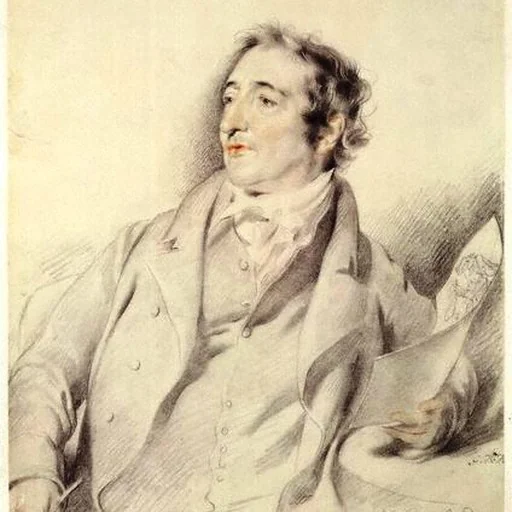
Thomas Rowlandson (; 13 July 1757 – 21 April 1827) was an English artist and caricaturist of the Georgian Era, noted for his political satire and social observation.

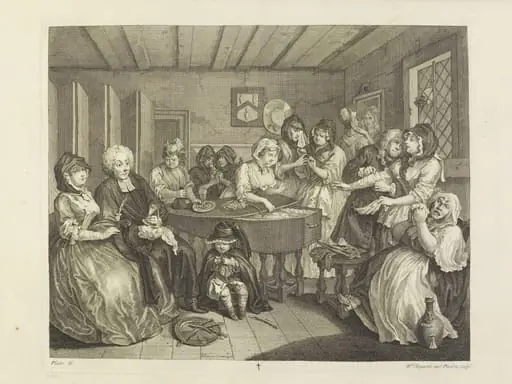 The Harlot's Progress
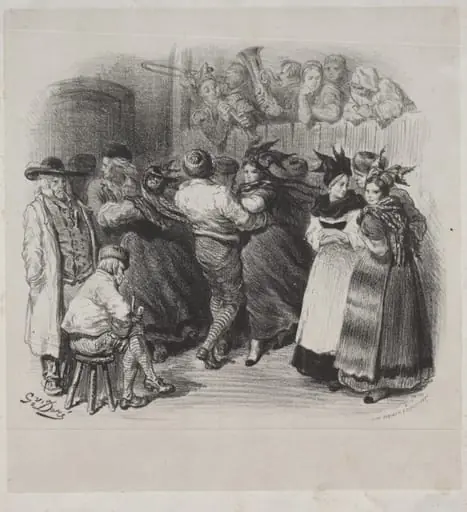 Musical Works of Ernest Doré: Souvenir of Alsace, Alsatian Dance - Title Page
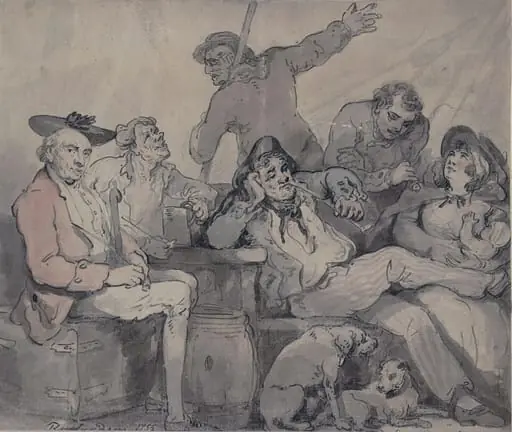 Group sketched on board 'The Europa'
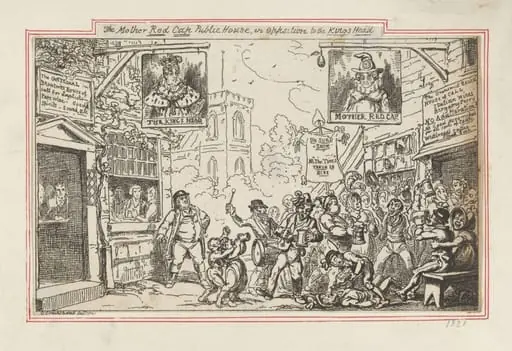 H Beard Print Collection
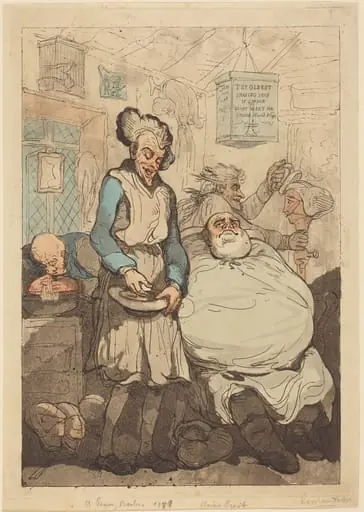 A Penny Barber
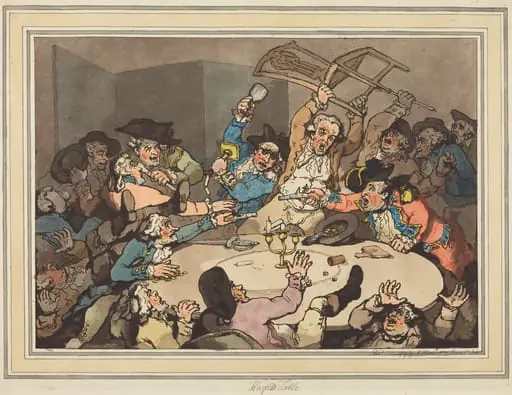 A Kick-up at a Hazard Table
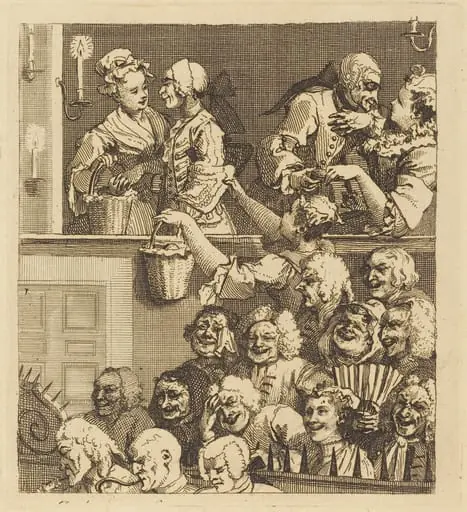 The Laughing Audience
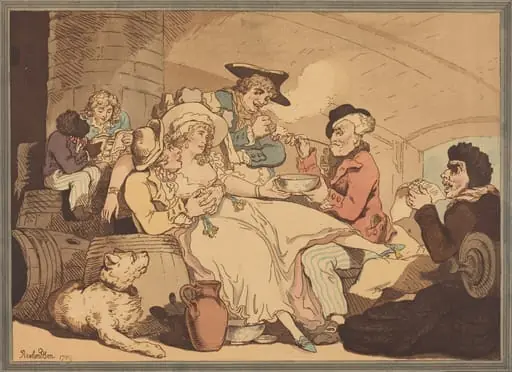 Grog on Board
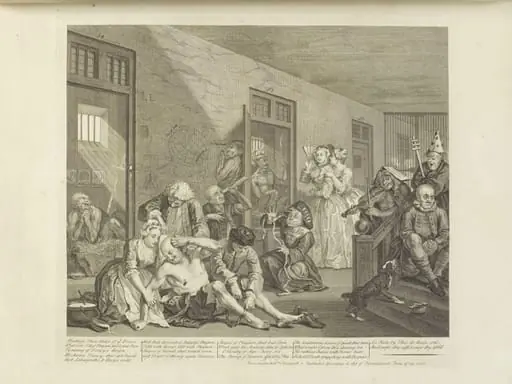 The Rake's Progress
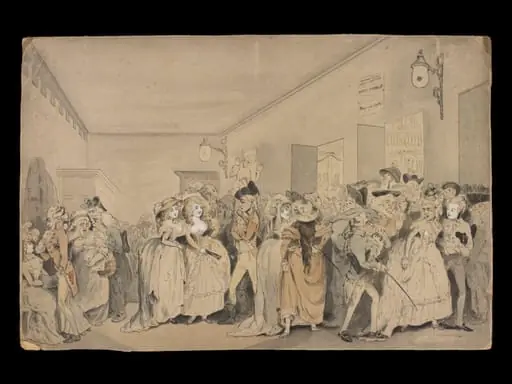 H Beard Print Collection
 H Beard Print Collection
 A Harlot's Progress: pl.6