Artwork
Untitled
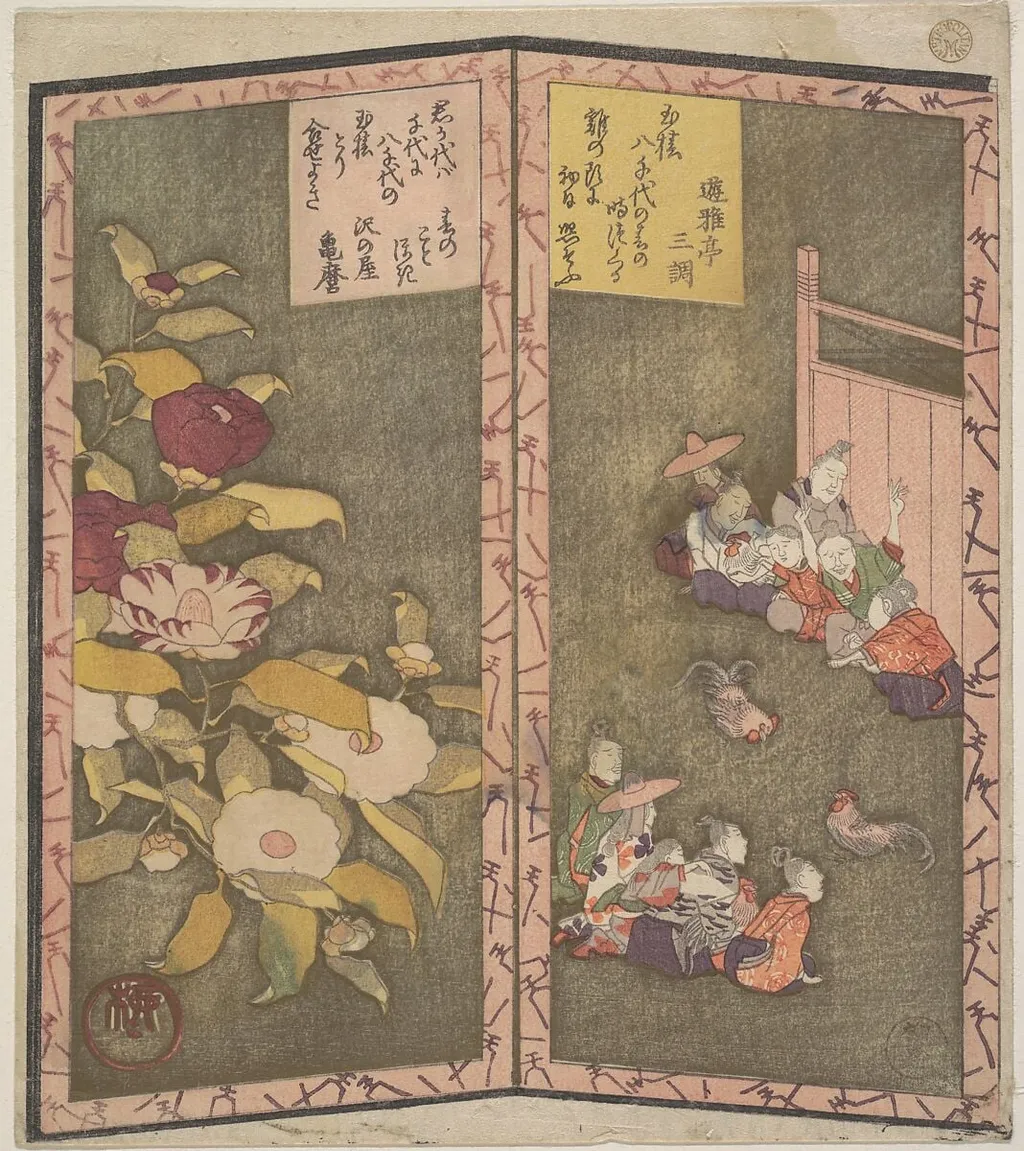
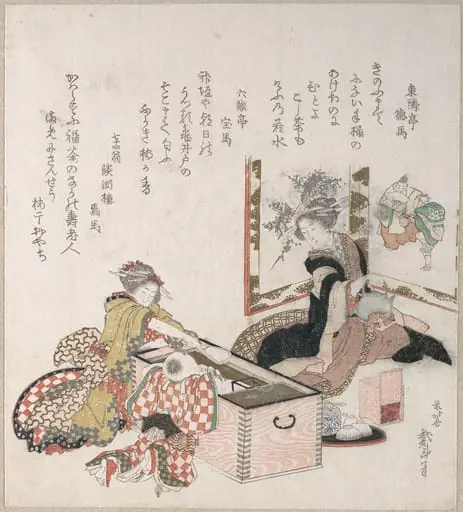
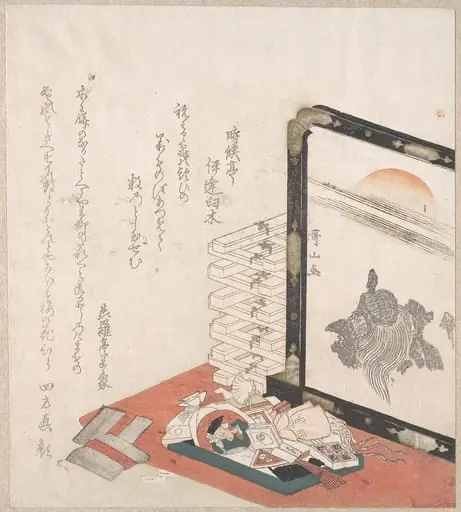
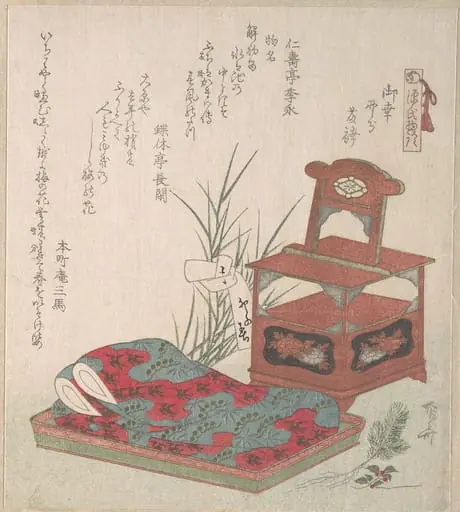
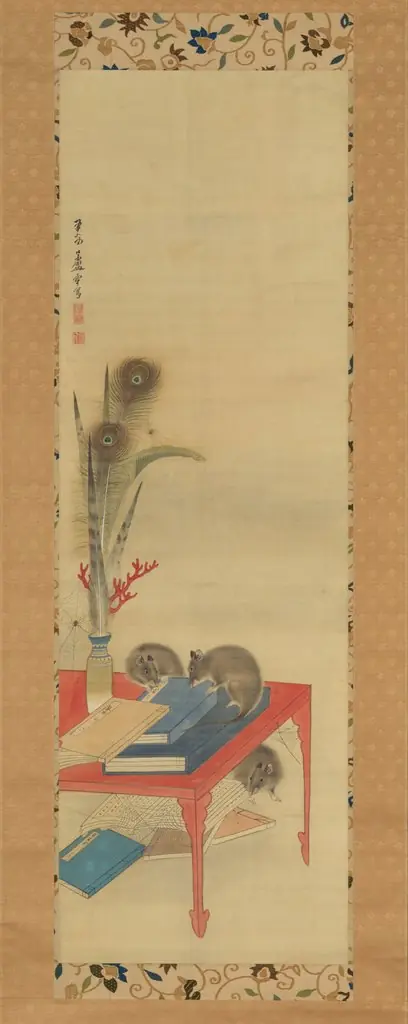
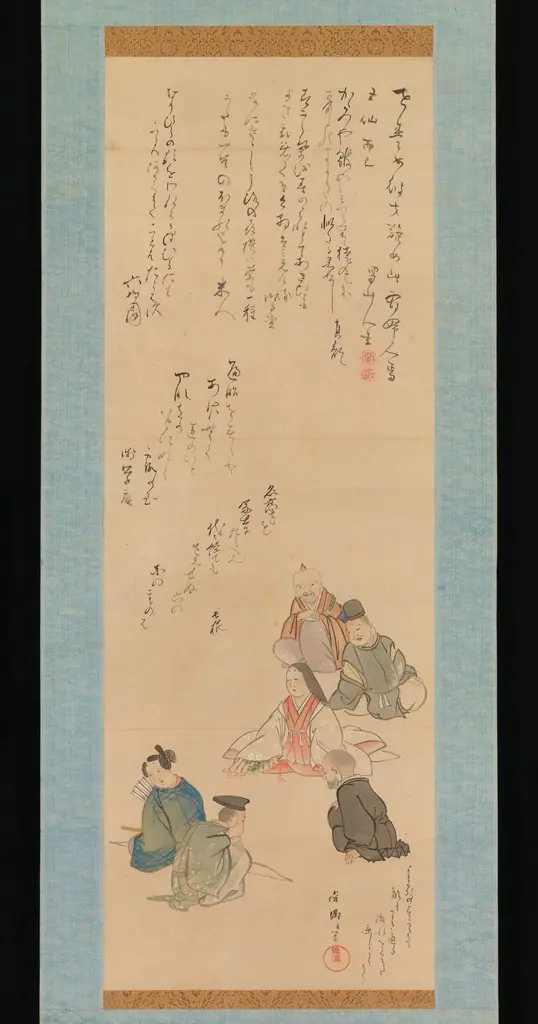
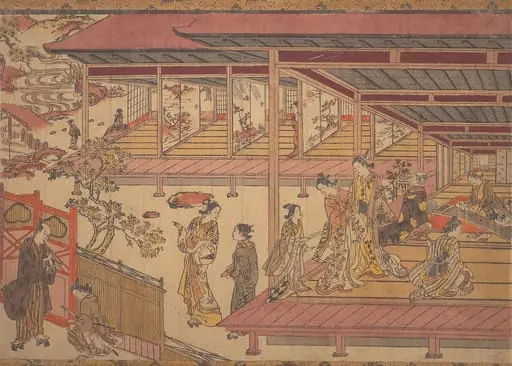
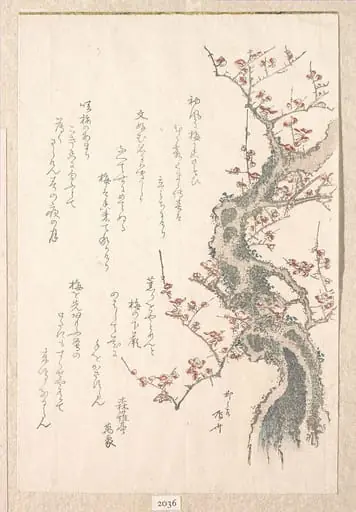
Untitled is an ink print by the Romanticist artist Ryūryūkyo Shinsai. It dates from 1820 and is held in the collection of the Metropolitan Museum of Art.
About this work
Overview
The work is part of The Metropolitan Museum of Art’s collection, representing the refined aesthetic of early 19th-century Japanese printmaking.
This woodblock print, created around 1820 by Ryūryūkyo Shinsai, belongs to the surimono genre—privately commissioned prints often produced for special occasions. Made with ink and color on paper, it features a delicate balance of natural and human elements. The work is part of The Metropolitan Museum of Art’s collection, representing the refined aesthetic of early 19th-century Japanese printmaking.
Subject & Meaning
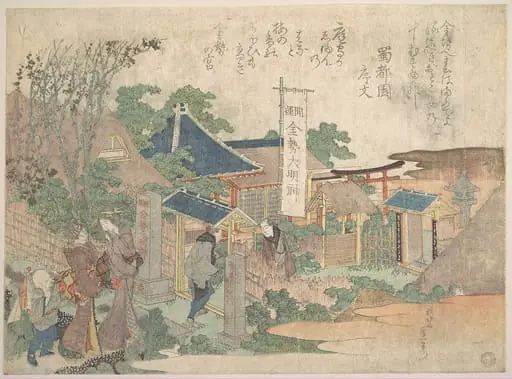
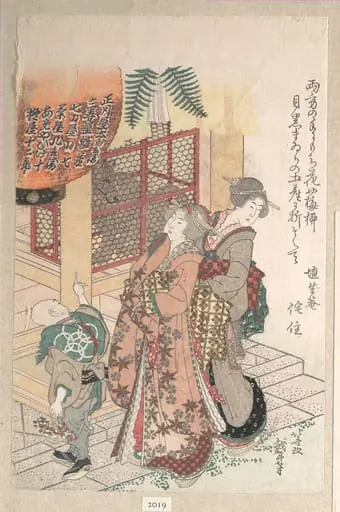
The composition pairs a blooming flower on the left with a group of figures gathered near a rooster on the right. The flower, rendered in soft pinks, yellows, and whites, may symbolize seasonal change or transience. The people, dressed in traditional attire and observing the rooster, suggest a ceremonial or festive context, possibly tied to New Year or harvest rituals, where the rooster held symbolic significance as a herald of dawn and renewal.
Technique & Style
The print employs subtle, muted tones—earthy ochres, soft grays, and pale greens—creating a restrained palette that enhances its quiet energy. Bold, expressive brushwork defines forms, while fine lines suggest texture and motion. The woodblock technique allows for layered color applications, contributing to a sense of depth and fluidity despite the medium’s inherent constraints.
History & Provenance
Produced during the late Edo period, this surimono was likely commissioned by a literary or artistic circle rather than sold publicly. Such prints were often distributed as New Year greetings or to commemorate poetry contests. The work entered The Metropolitan Museum of Art’s collection through documented acquisitions of Japanese prints in the early 20th century, preserving its cultural context.
Context
Ryūryūkyo Shinsai worked within a tradition of elite printmaking that emphasized poetic allusion and refined craftsmanship. Unlike mass-produced ukiyo-e, surimono catered to a small, educated audience familiar with seasonal symbolism and literary references. This print reflects the intersection of visual art, poetry, and ritual in Edo-period Japan, where nature and human activity were intertwined in cultural expression.
Legacy
Though not widely known outside specialist circles, Shinsai’s surimono contribute to understanding the diversity of Japanese print culture beyond popular ukiyo-e. His attention to subtle detail and symbolic composition influenced later collectors and artists interested in the quiet, introspective side of Edo-period aesthetics. The work remains a testament to the intimacy and precision of private print commissions.
Artist & collection

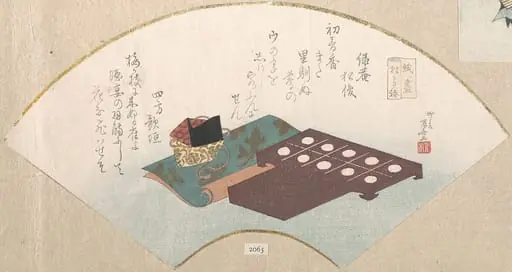 Untitled
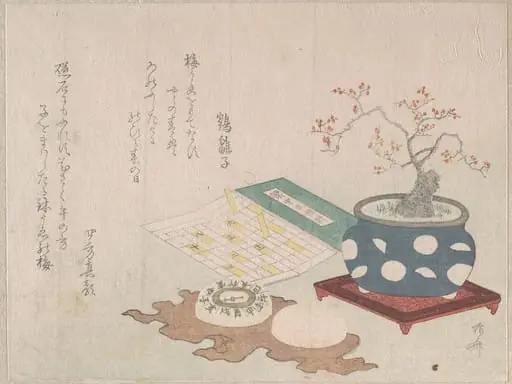 鉢梅、懐中日時計、羅針盤|Bonsai Plum, Compass, and Pocket Sundial with Design of Calendar, from Spring Rain Surimono Album (Harusame surimono-jō, vol. 3)
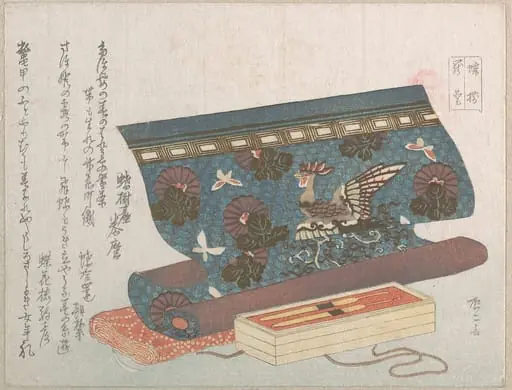 『蝶揃・寵愛』帯と簪|Roll of Cloth for an Obi and Tortoise-shell Hair Ornaments (“Presents for One’s Beloved”), from the Butterfly Series, from Spring Rain Surimono Album (Harusame surimono-jō, vol. 3)
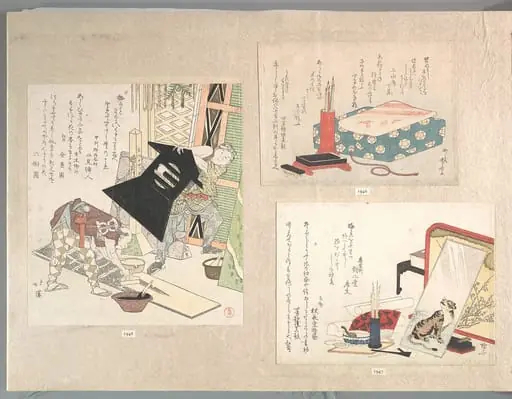 衝立、虎図、文具一式|Desk Screen, Writing Set, Painting of Tiger, and Mounting Paraphernalia, from Spring Rain Surimono Album (Harusame surimono-jō, vol. 1)
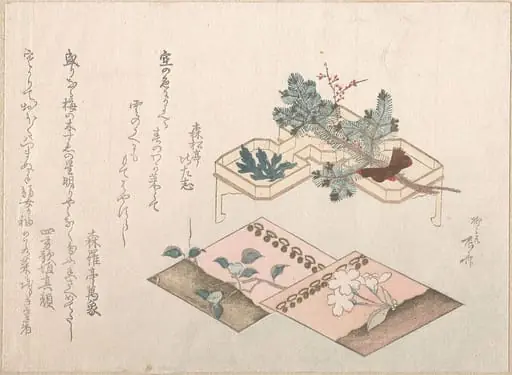 『春雨集』 摺物帖柳々居辰斎画 若松|Spring Rain Collection (Harusame shū), vol. 2: Pine Shoots and Accoutrements for New Year’s Celebrations
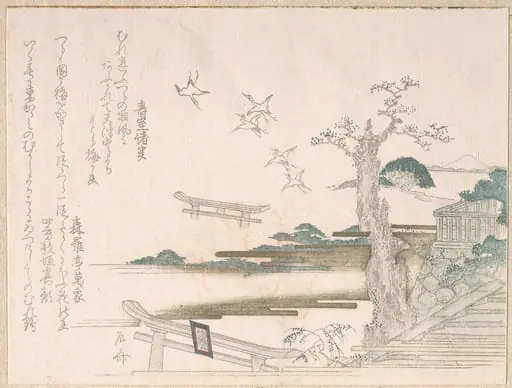 『春雨集』 摺物帖柳々居辰斎画 鎌倉の鶴岡八幡宮に鶴|Spring Rain Collection (Harusame shū), vol. 2: Cranes at Tsurugaoka Hachimangō Shrine in Kamakura
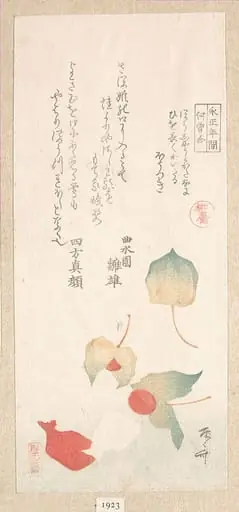 Untitled
 『春雨集』 摺物帖柳々居辰斎画 紅梅|Spring Rain Collection (Harusame shū), vol. 1: Plum Tree in Bloom