Artwork
Portret de pescăriță
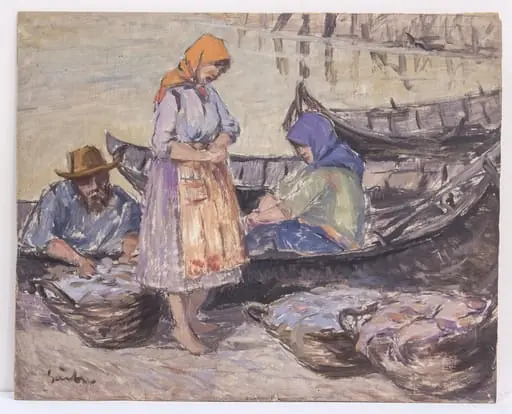
Portret de pescăriță is a print by Gheorghe Sârbu. It dates from 1929 and is held in the collection of the Gavrila Simion Eco-Museum Research Institute Tulcea.
About this work
Overview
Portret de pescăriță, painted around 1929 by Gheorghe Sârbu, is a quiet portrait of a young woman, likely a fisherwoman, preserved in the Museum of Ethnography. The composition centers on her face, with the rest of the figure and surroundings rendered with minimal detail. The muted palette and restrained brushwork convey a sense of stillness, emphasizing presence over narrative.
Subject & Meaning
The subject is a young woman whose identity as a fisherwoman is implied by the title rather than explicit detail. Her gaze, directed slightly away, suggests introspection or quiet endurance. The work avoids idealization, instead presenting a grounded, unadorned figure, reflecting the dignity of everyday labor in interwar Romanian rural life.
Technique & Style
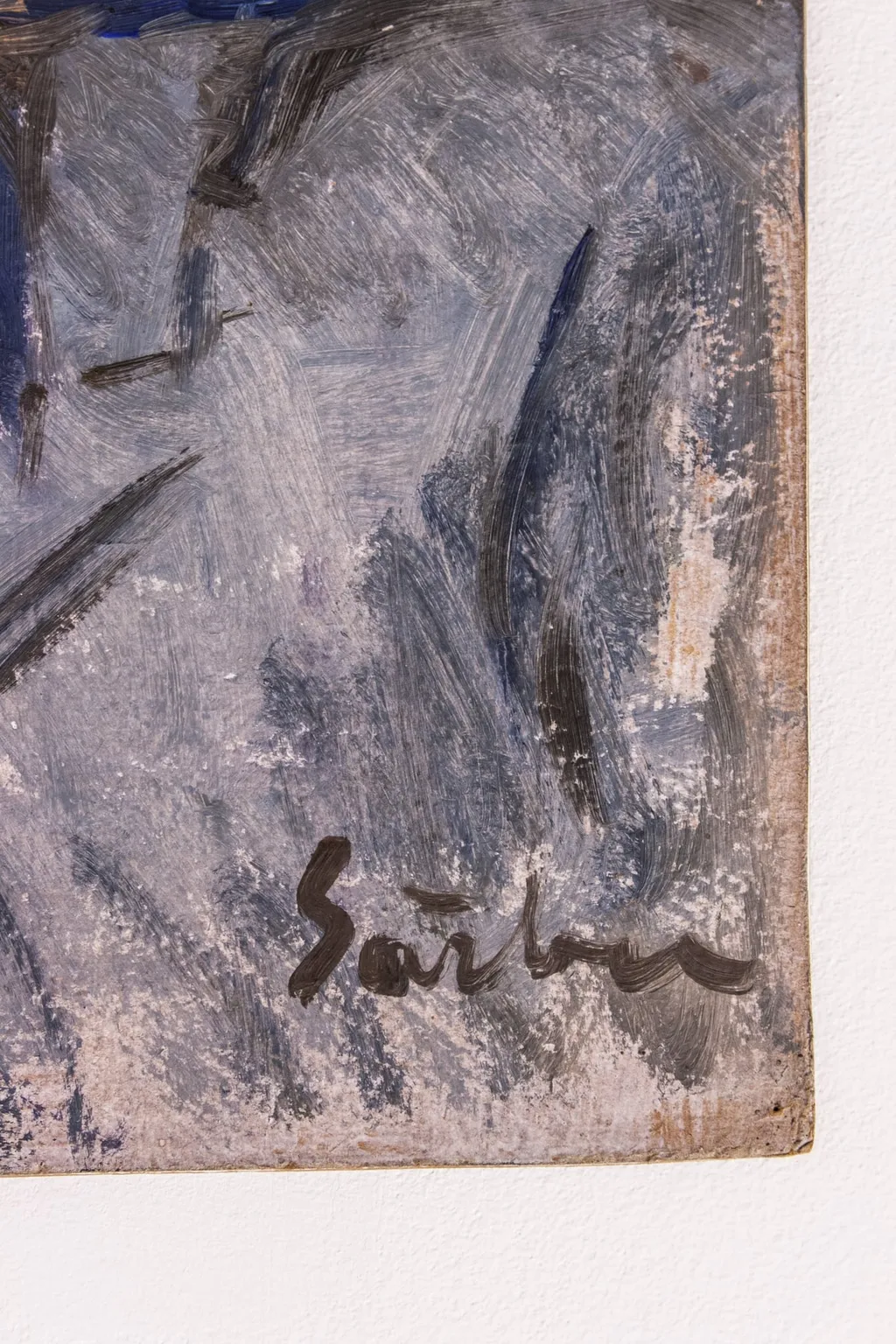
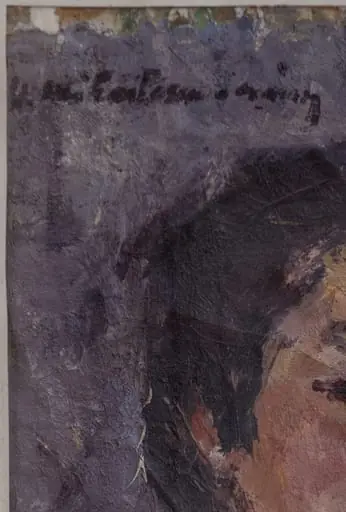
Sârbu employs a restrained tonal range dominated by grey, softened by subtle hints of blue and brown. Forms are suggested rather than defined, with loose brushstrokes dissolving the background and clothing into the atmosphere. The signature in the lower right corner is unobtrusive, reinforcing the painting’s intimate, unpretentious character.
History & Provenance
The painting entered the collection of the Museum of Ethnography shortly after its creation, likely through cultural documentation efforts of the period. Its preservation there indicates an early recognition of its value as a record of regional life, rather than as a conventional fine art piece.
Context
Created in late 1920s Romania, the work aligns with a broader interest in portraying rural subjects with psychological depth. While urban modernism gained traction in cities, artists like Sârbu turned to provincial life, capturing its quiet rhythms without romanticism, reflecting a national search for authentic identity.
Legacy
Though not widely exhibited beyond regional collections, Portret de pescăriță remains a quiet reference in studies of Romanian interwar portraiture. Its understated approach influenced later artists seeking to depict ordinary lives with emotional honesty, rather than spectacle or sentiment.
Artist & collection
Museum
Gavrila Simion Eco-Museum Research Institute Tulcea
Continue through works from the same source collection.
 Portret de fată
 Flori
Flori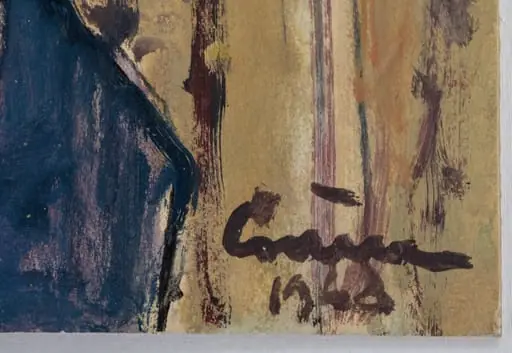 Portret de băiat pe o sofă, văzut până la genunchi, cu mâinile aduse în poală. Are părul scurt, este îmbrăcat cu cămașă verde cu mâneci lungi și pantaloni lungi albaștri. Fundal gri. Ușoară disproporție în construirea personajului prin capul mic în comparație cu corpul. Semnat și datat cu brun, dreapta jos: Craiu 1968.
 Peisaj la Sulina
 Peisaj în deltă cu personaje
 Peisaj de iarnă
 Peisaj
 Peisaj de iarnă cu fântână
 Tătăroaică din Medgidia
 Peisaj dobrogean
 Femeie în peisaj