Artwork
Philippe de Mornay (Du Plessis-Mornay)
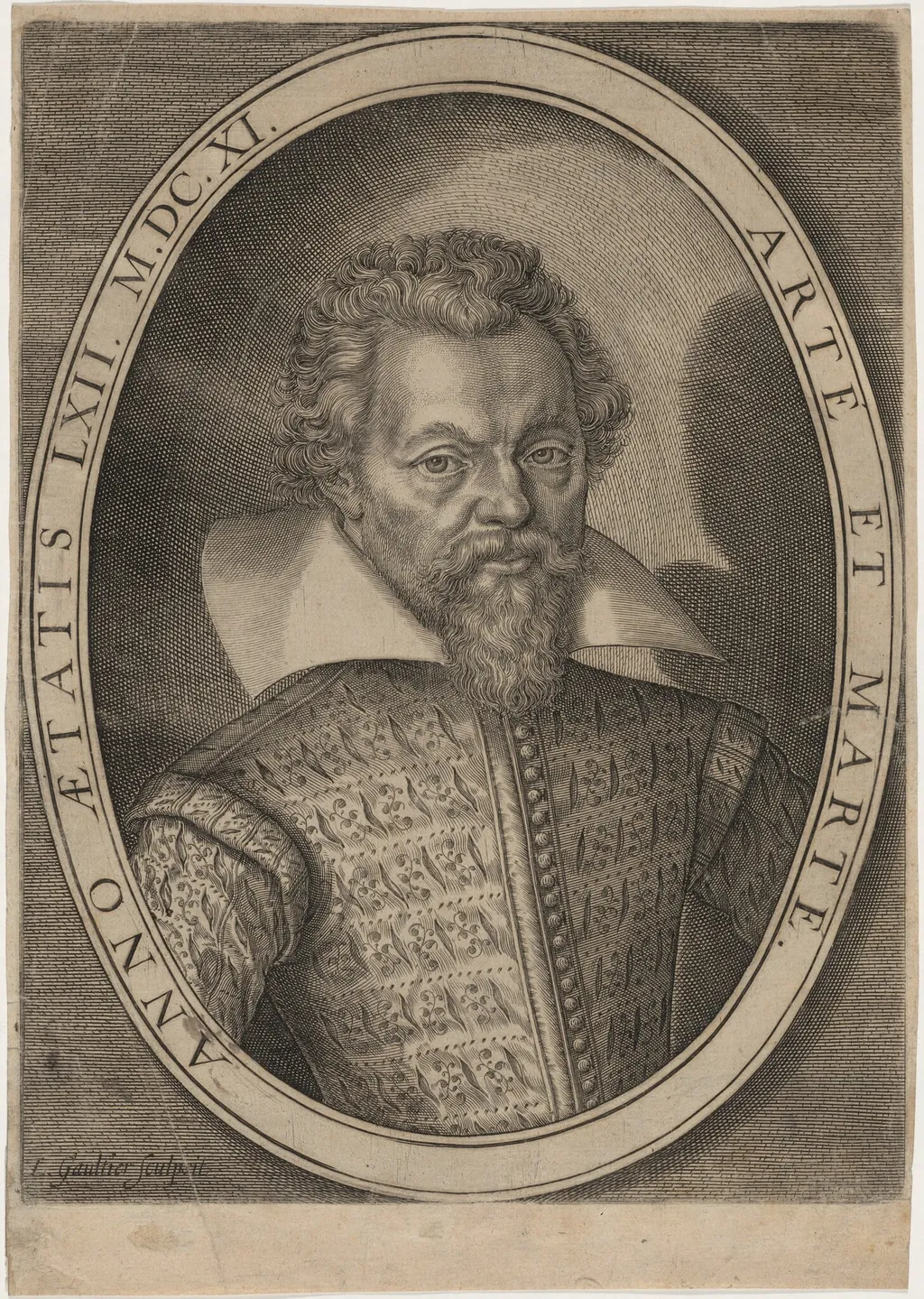
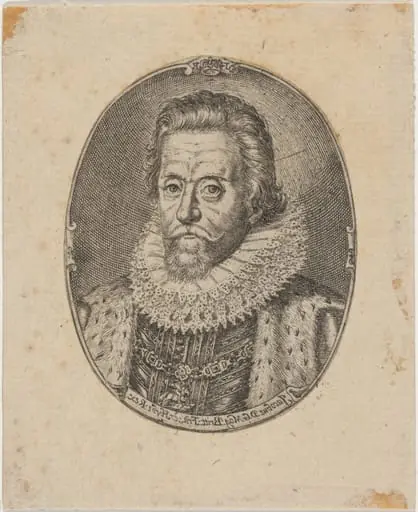
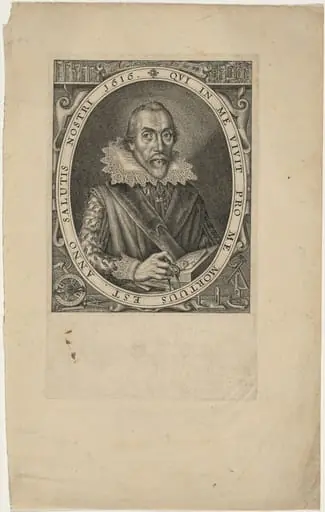
Philippe de Mornay (Du Plessis-Mornay) is an ink print by the Baroque artist Léonard Gaultier. It dates from 1611 and is held in the collection of the National Gallery of Art.
About this work
Overview
Gaultier, active in Paris, specialized in detailed portraiture using the graver, and this work exemplifies his precision and restraint.
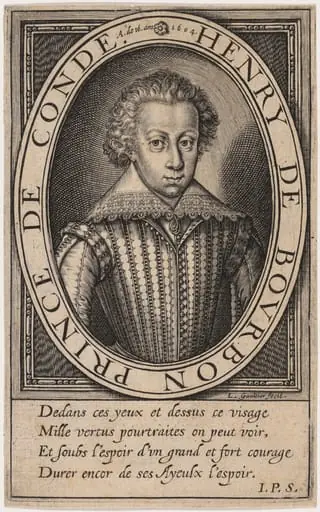
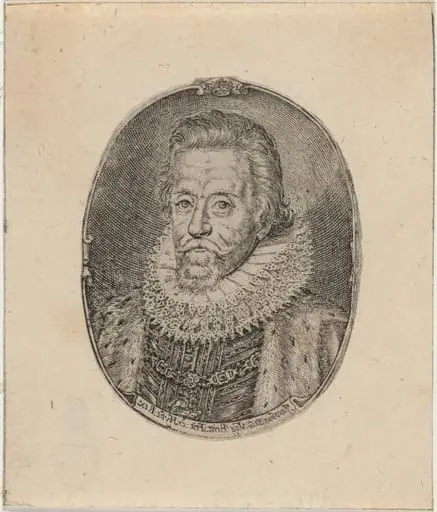
This 1611 engraving by Léonard Gaultier portrays Philippe de Mornay, a prominent French Huguenot writer and diplomat. Executed in black ink on paper, the portrait is rendered in a formal, linear style typical of early 17th-century printmaking. Gaultier, active in Paris, specialized in detailed portraiture using the graver, and this work exemplifies his precision and restraint. The image is contained within an oval border inscribed with Latin text, emphasizing the subject’s intellectual stature.
Subject & Meaning
Philippe de Mornay was a leading Protestant voice during France’s religious conflicts, known for his political treatises and diplomatic efforts. The engraving captures him with a solemn gaze and neatly arranged facial hair, conveying authority and introspection. His ruffled collar and plain background focus attention on his countenance, aligning with contemporary ideals of learned men. The Latin inscription around the frame likely identifies him and affirms his scholarly identity, reinforcing his role as a thinker rather than a nobleman.
Technique & Style
Gaultier employed fine, controlled lines and cross-hatching to model form and texture without color. The shading on the face and collar is built through layered, intersecting strokes that suggest volume and depth. His technique reflects Northern European engraving traditions, particularly the meticulous approach of artists like the Wierix family. The rigid posture and even lighting avoid theatricality, favoring clarity and intellectual gravitas. The oval frame, though decorative, serves to contain and elevate the subject within a classical format.
History & Provenance
Created in 1611, the engraving was likely produced to circulate Mornay’s image among intellectual and Protestant networks in Europe. Gaultier, based in Paris, frequently worked for publishers and scholars, making such portraits tools of reputation-building. While the original commission is unrecorded, the print’s survival in multiple institutional collections suggests it was widely distributed. Its preservation reflects enduring interest in Mornay’s legacy during and after the Wars of Religion.
Context
In early 17th-century France, printed portraits served as both personal mementos and political statements, especially among religious minorities. Mornay’s prominence as a Huguenot leader made him a natural subject for such imagery. Engravings like this one circulated among educated elites, reinforcing ideological alliances. Gaultier’s style, rooted in Flemish and Dutch traditions, was well-suited to the demand for accurate, dignified likenesses in an era before photography, where visual identity was closely tied to textual authority.
Legacy
Gaultier’s engraving of Mornay remains a key visual record of a significant Protestant intellectual. Its restrained aesthetic influenced later portrait prints in France and beyond, emphasizing clarity over ornament. The work continues to be referenced in studies of Huguenot culture and early modern print culture. As one of many portraits Gaultier produced, it exemplifies how engraving functioned as a medium for preserving and disseminating the likenesses of public figures in an age of religious and political upheaval.
Artist & collection
Artist
Léonard Gaultier, or, as he sometimes signed himself, Galter, a French engraver, was born at Mainz about 1561, and died in Paris in 1641.