Artwork
Alexander von Pfister
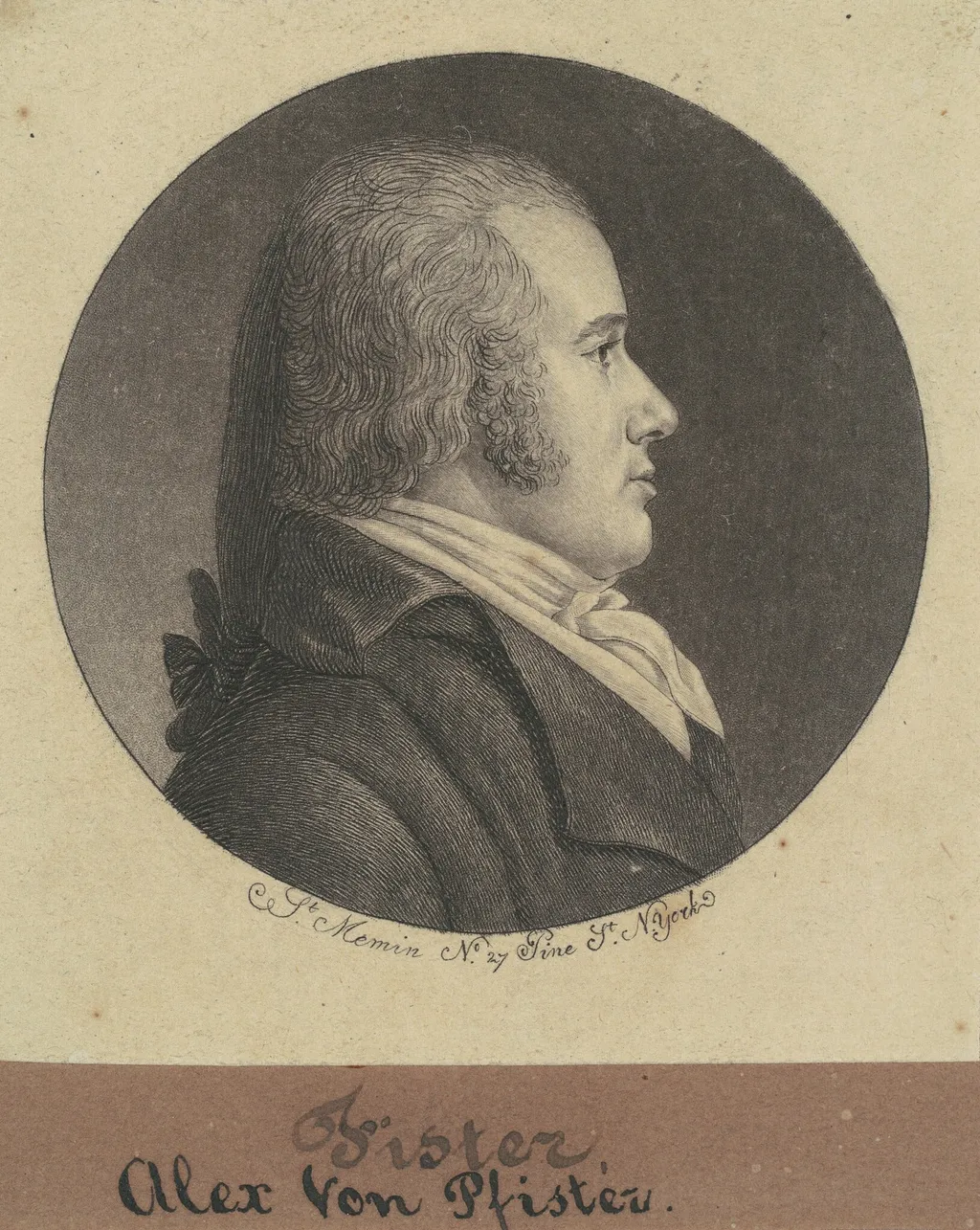
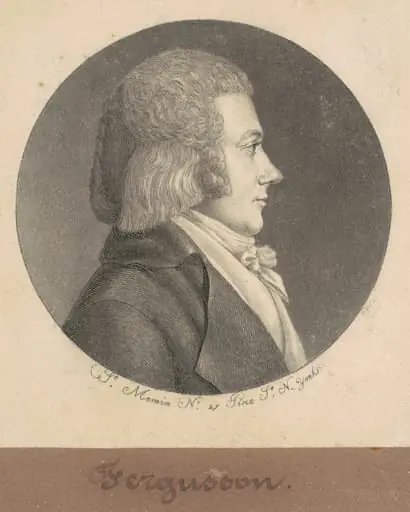
Alexander von Pfister is an ink print by the Romanticist artist Charles Balthazar Julien Févret de Saint-Mémin. It dates from 1796 and is held in the collection of the National Gallery of Art. Charles B.
About this work
Overview
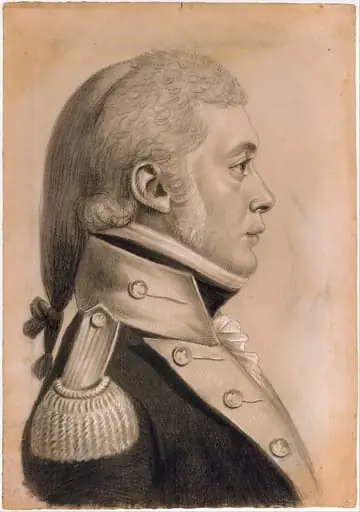
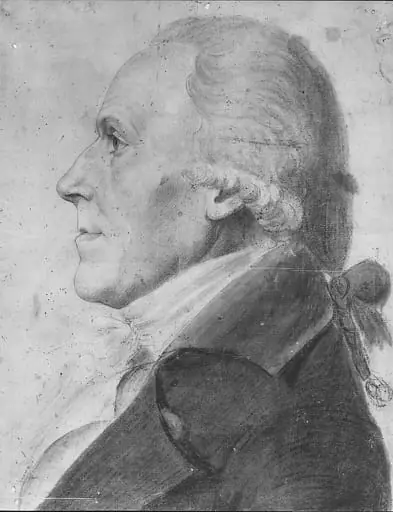
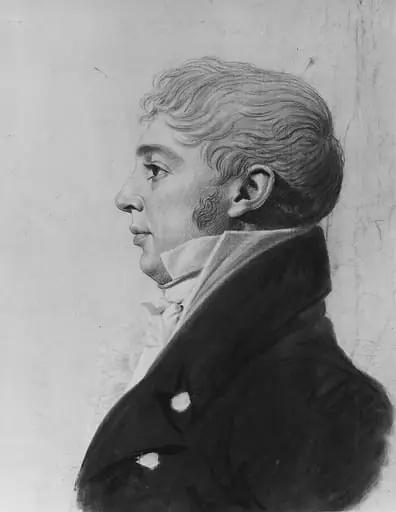
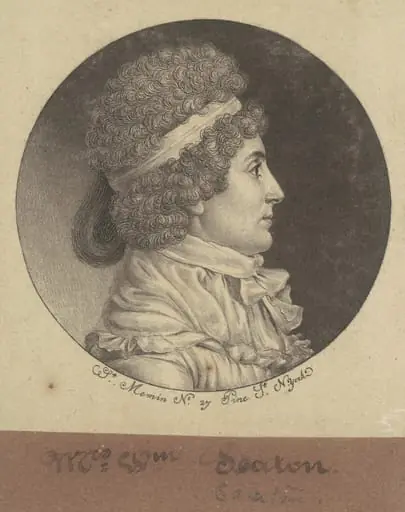
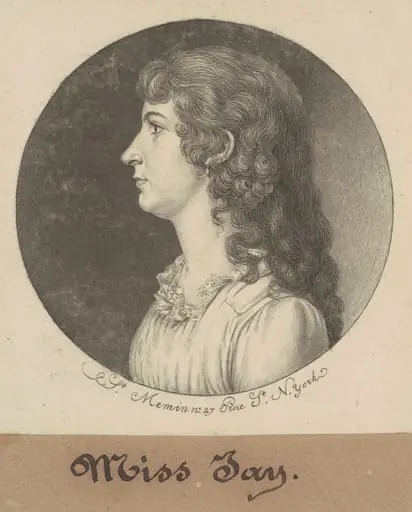
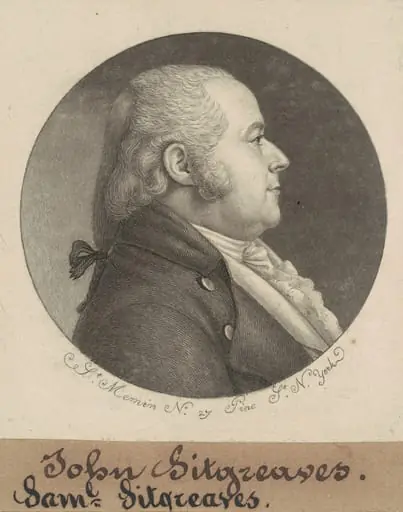
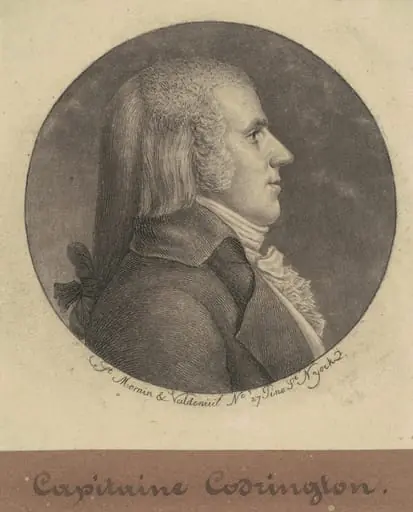
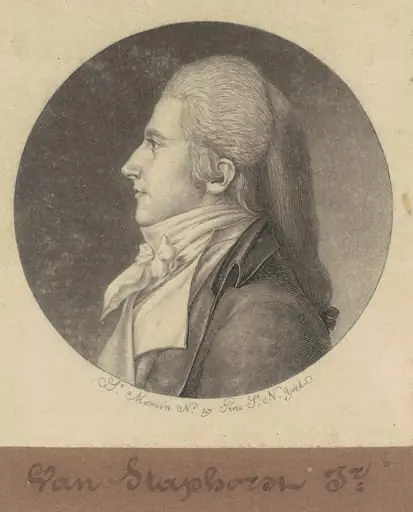
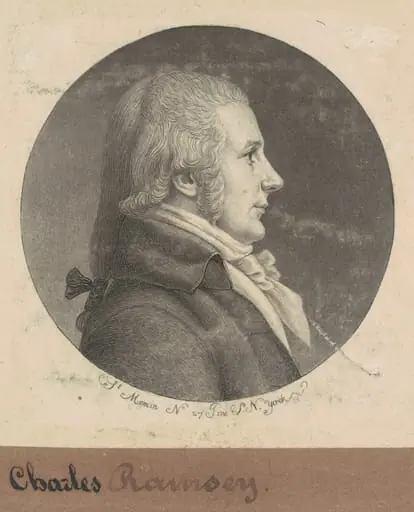
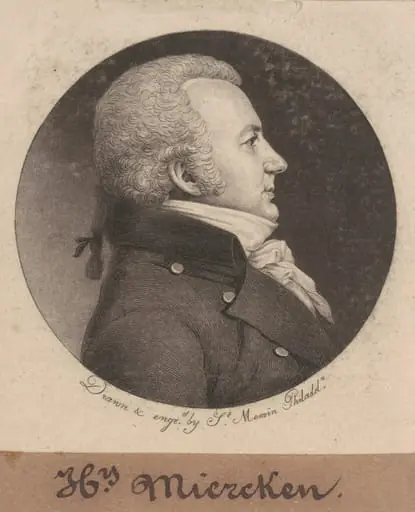
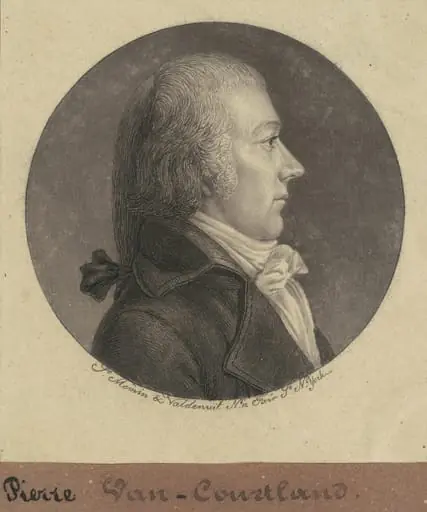
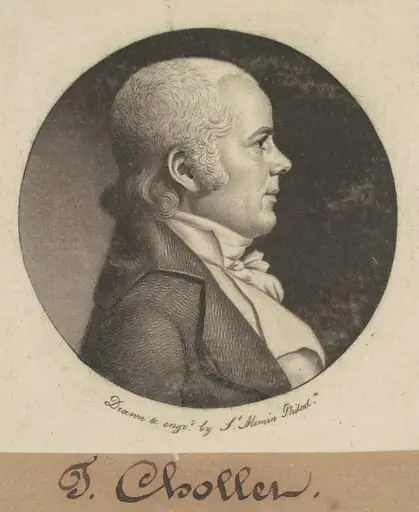
Charles B. J. Févret de Saint‑Mémin’s portrait of Alexander von Pfister is a black‑and‑white print executed as a mezzotint and engraving. The image appears on wove paper that has been mounted onto a brown‑toned wove backing, presenting the sitter in a clear profile view typical of late‑eighteenth‑century portraiture.
Subject & Meaning
The work captures Pfister with distinctive curly hair, a pronounced nose, and rounded cheeks, all rendered in profile. His attire reflects contemporary fashion of the years 1796–1797, offering a visual record of his social standing and the stylistic conventions of the period.
Technique & Style
Mezzotint, a relatively recent printmaking method at the time, allows the artist to achieve delicate gradations between light and shadow. By combining this with traditional engraving, Saint‑Mémin creates a nuanced tonal range that emphasizes the three‑dimensionality of the sitter’s features and clothing.
History & Provenance
Created in the late 1790s, the print was produced during a phase when French artists were exploring mezzotint for portraiture. It remains attributed to Saint‑Mémin, a noted practitioner of the medium, and is documented as part of his body of work that circulated among collectors of the era.
Context
Portraits in profile were common in the Enlightenment era, serving both as personal likenesses and as symbols of status. The use of mezzotint aligns with a broader European interest in reproducing fine detail and subtle lighting effects before the advent of photography.
Legacy
The print exemplifies early experimentation with mezzotint in French portraiture, illustrating how the technique was employed to convey realism and elegance. It continues to be referenced in studies of late‑eighteenth‑century print media and the visual culture surrounding European elites.
Artist & collection

Artist
Charles Balthazar Julien Févret de Saint-Mémin
Charles Balthazar Julien Févret de Saint-Mémin (French pronunciation: ; 1770–1852) was a French portrait painter and museum director.