Artwork
Henry Woods
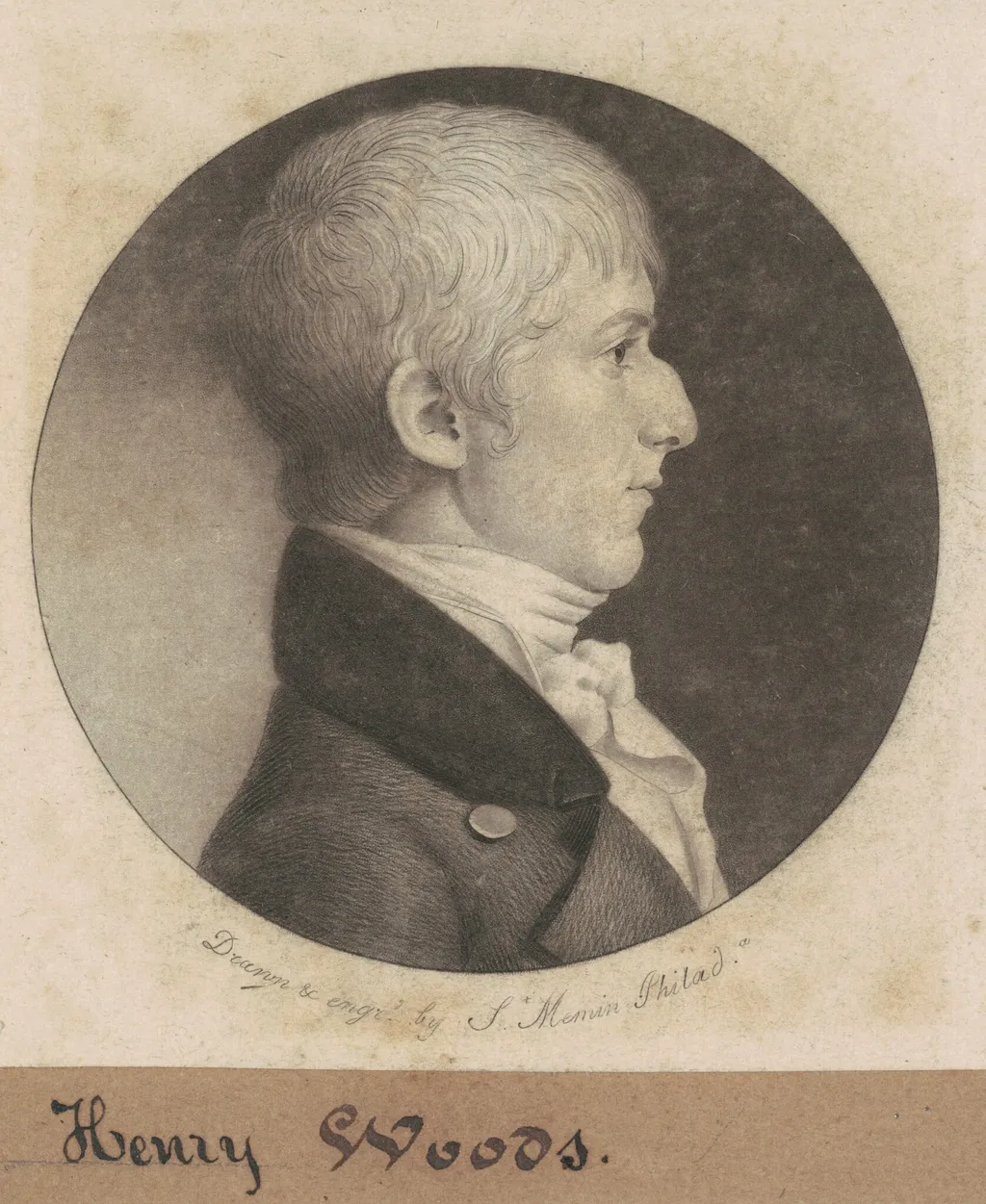
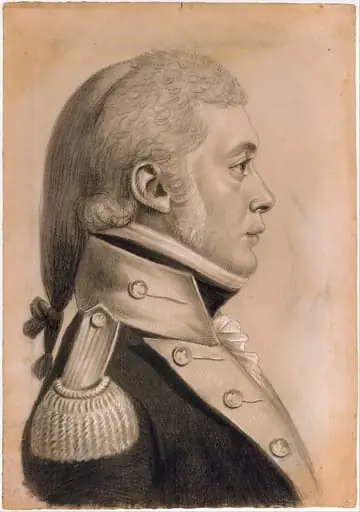
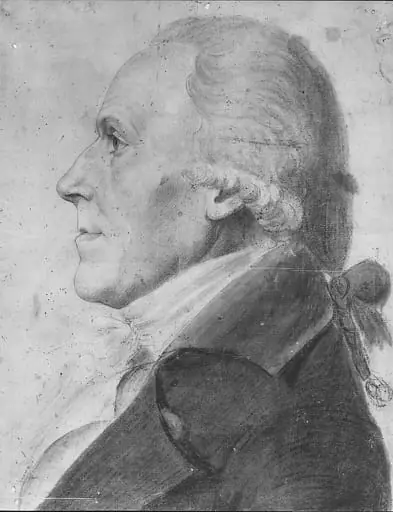
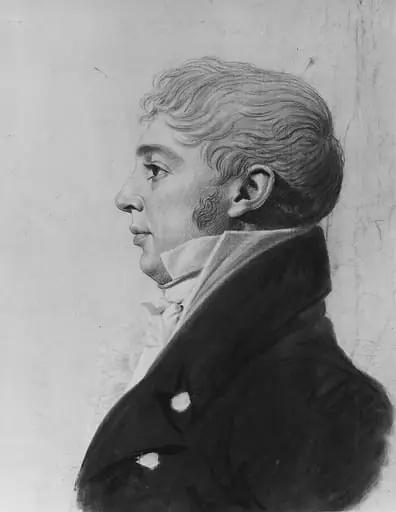
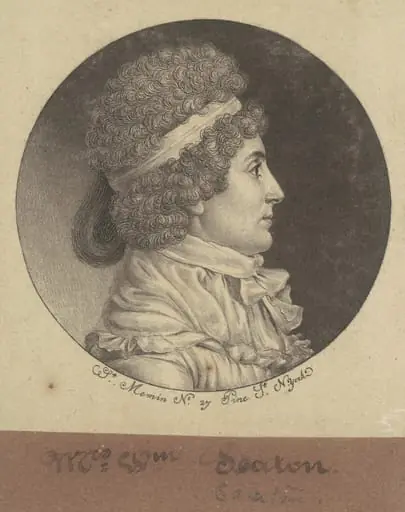
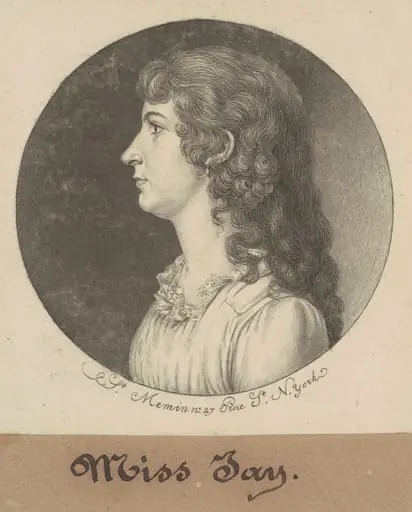
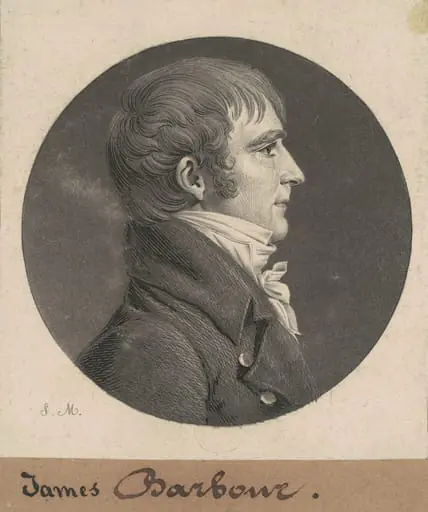
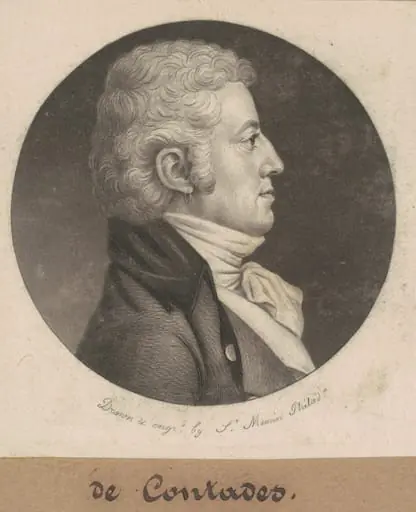
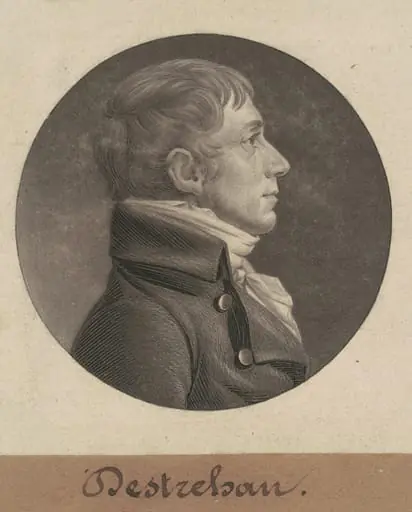
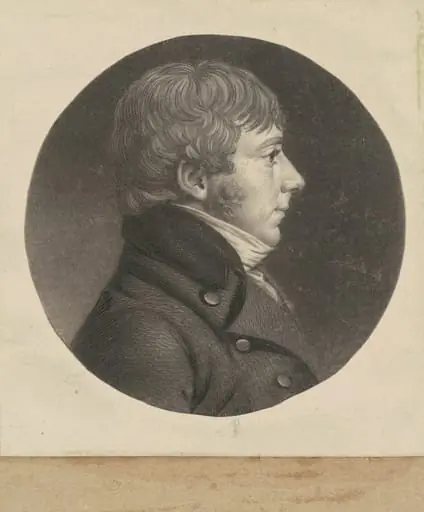
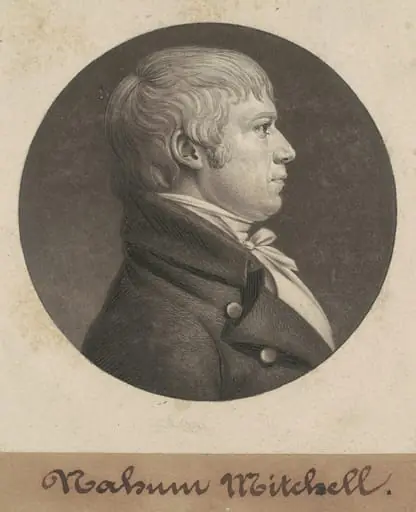
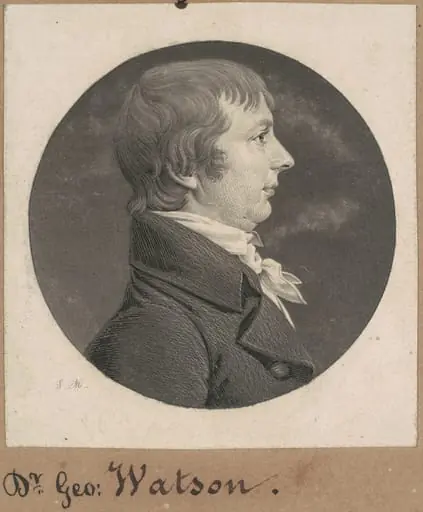
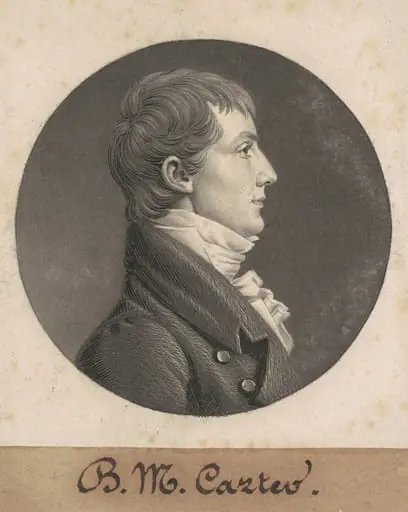
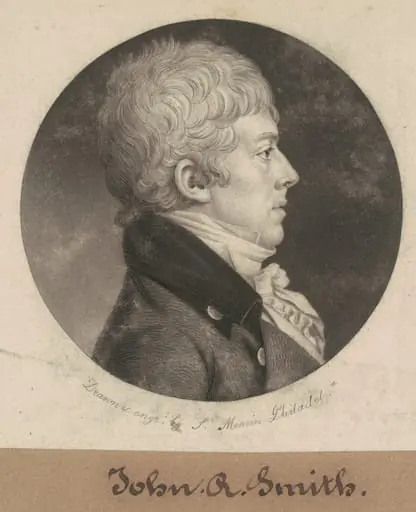
Henry Woods is an ink print by the Romanticist artist Charles Balthazar Julien Févret de Saint-Mémin. It dates from 1802 and is held in the collection of the National Gallery of Art. This small print, created in 1802, is a mezzotint and engraving by Charles B.
About this work
Overview
Févret de Saint-Mémin, rendered in black ink on wove paper and mounted to a brown wove support.
This small print, created in 1802, is a mezzotint and engraving by Charles B. J. Févret de Saint-Mémin, rendered in black ink on wove paper and mounted to a brown wove support. It portrays Henry Woods, an American corporal, in a tightly framed portrait. The work is part of the Corcoran Collection, notable for its precision and intimate scale, reflecting the artist’s mastery of fine detail within a compact format.
Subject & Meaning
Henry Woods, depicted in military uniform, is shown facing directly forward with a composed expression. The portrait captures a rank-and-file soldier rather than a prominent figure, suggesting an interest in documenting ordinary individuals of the early American republic. The formal pose and attention to uniform details imply a desire to convey dignity and discipline within the military hierarchy.
Technique & Style
Saint-Mémin employed mezzotint and engraving to achieve subtle tonal gradations and fine linear detail. The small dimensions—just over five centimeters square—demand exceptional control, particularly in rendering facial features and fabric textures. The black-on-white contrast enhances clarity, while the mounting on brown paper provides a muted backdrop that focuses attention on the subject’s likeness.
History & Provenance
Created in 1802, the portrait was likely made during Saint-Mémin’s time in the United States, where he produced numerous likenesses of public figures and military personnel. It entered the Corcoran Collection, known for its emphasis on American art, and has remained within institutional custody since, preserving its historical context and material integrity.
Context
In the early 19th century, portrait prints like this served as accessible records of individuals, especially in a young nation lacking established artistic institutions. Saint-Mémin’s work contributed to a growing tradition of documenting citizens through print, blending European techniques with American subjects to foster a sense of civic identity through visual representation.
Legacy
The portrait exemplifies Saint-Mémin’s role in advancing portrait engraving in America. Its survival in a major collection underscores its value as a specimen of early American printmaking. Though modest in size, it reflects broader cultural efforts to visually archive the faces of ordinary citizens during a formative period in U.S. history.
Artist & collection

Artist
Charles Balthazar Julien Févret de Saint-Mémin
Charles Balthazar Julien Févret de Saint-Mémin (French pronunciation: ; 1770–1852) was a French portrait painter and museum director.