Artwork
Lewis Richard Morris
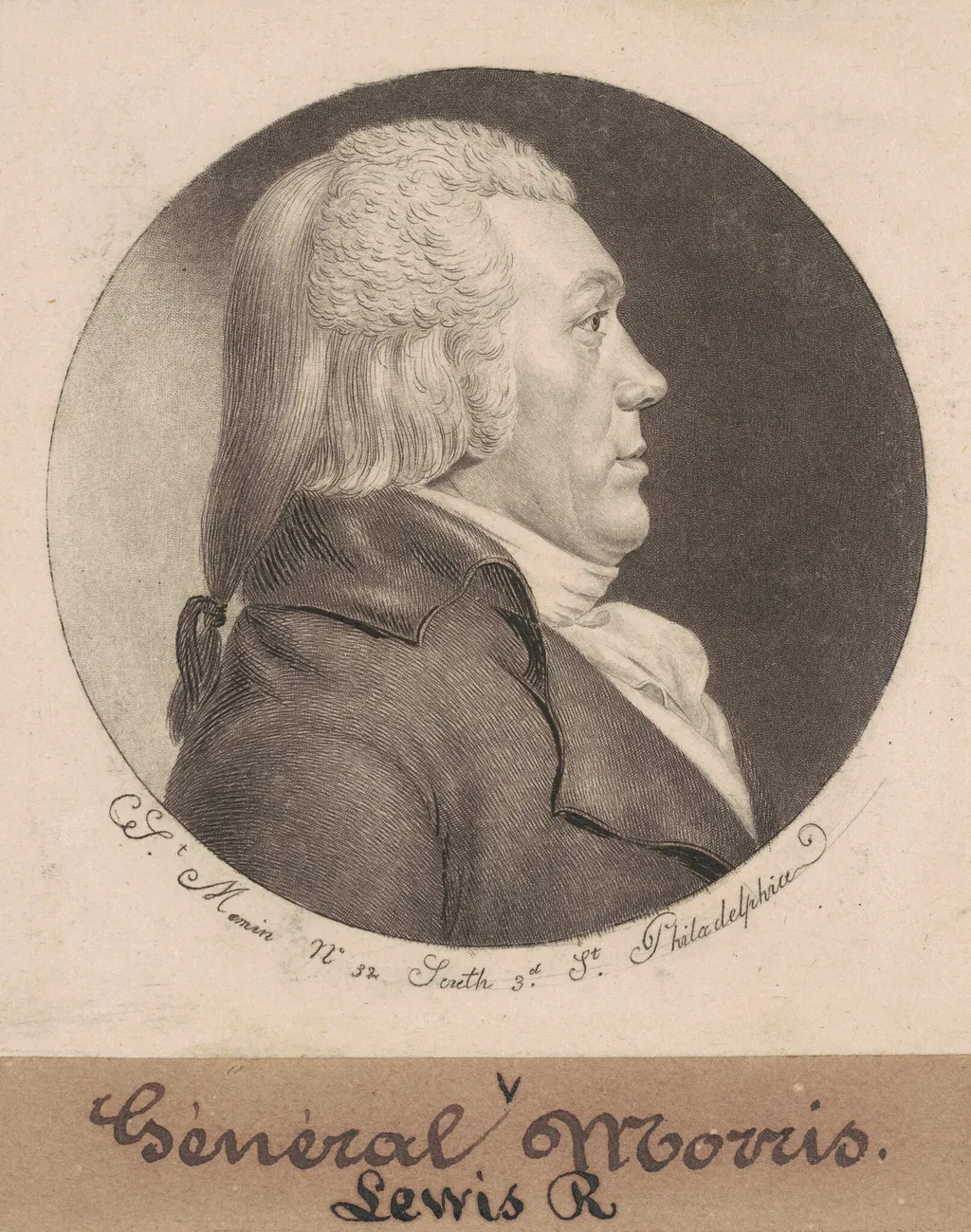
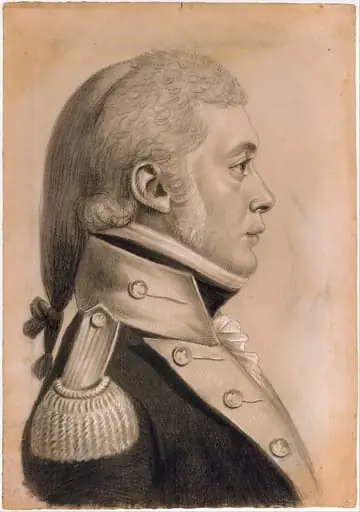
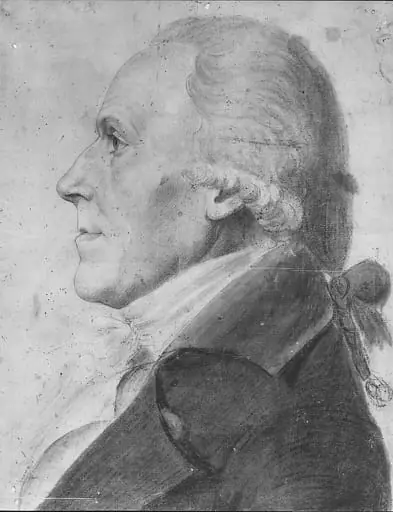
Lewis Richard Morris is an ink print by the Romanticist artist Charles Balthazar Julien Févret de Saint-Mémin. It dates from 1798 and is held in the collection of the National Gallery of Art.
About this work
Overview
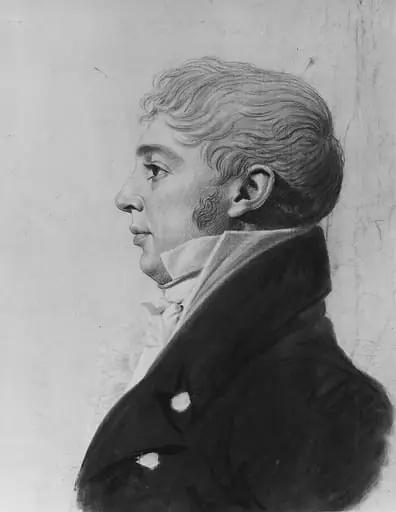
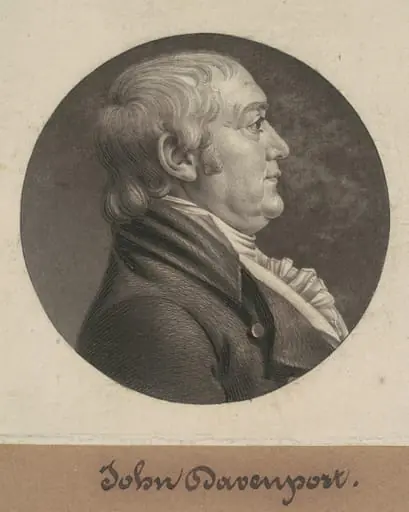
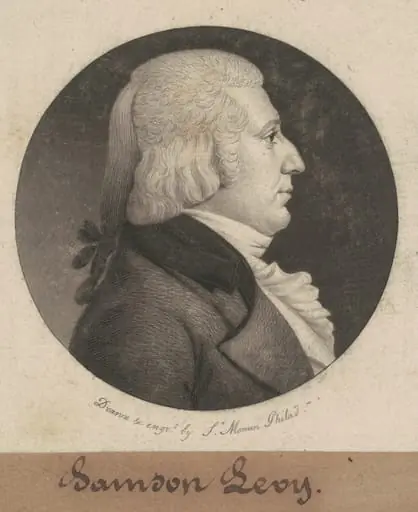
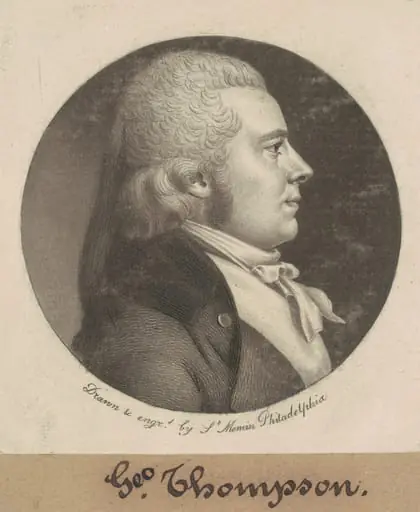
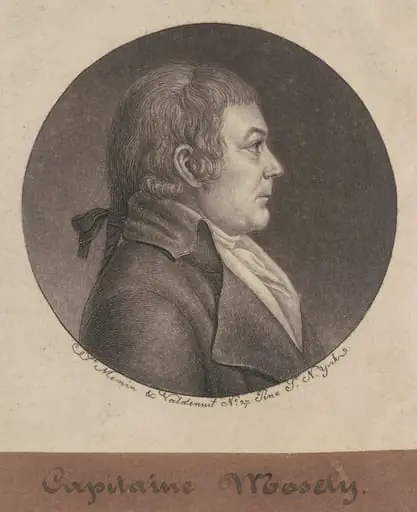
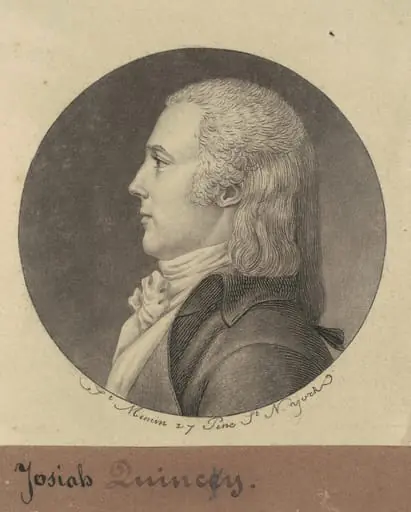
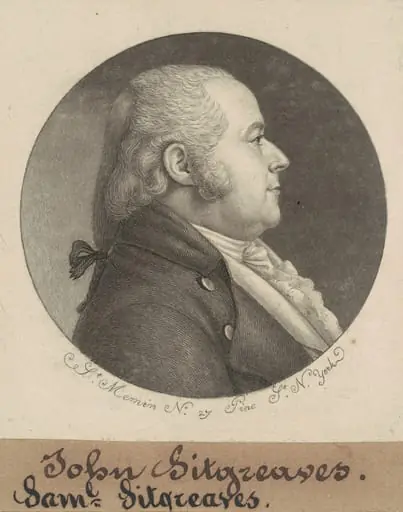
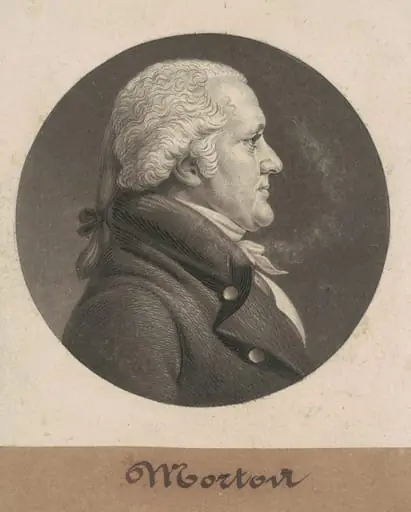
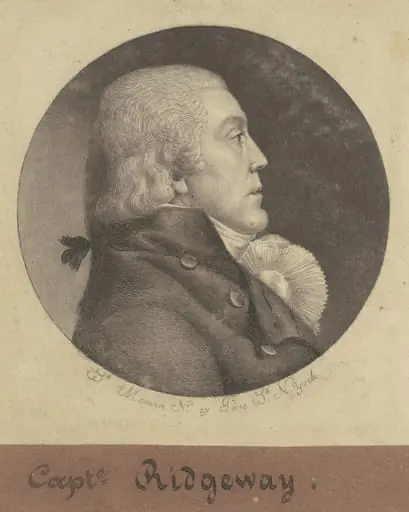
The work is a black-and-white print combining mezzotint and engraving techniques, portraying Lewis Richard Morris in a right‑facing profile. Rendered on wove paper that has been mounted to a brown‑toned sheet, the image presents a solitary figure against an unadorned backdrop, emphasizing the sitter’s likeness and attire.
Subject & Meaning
Morris is shown in formal dress typical of the early nineteenth century: a coat with a high, stiff collar and a crisp white cravat. The profile pose, common in neoclassical portraiture, conveys a sense of dignity and restraint, focusing attention on the sitter’s facial features, which are rendered with clear definition.
Technique & Style
The artist employed the tonal richness of mezzotint for the broader shadows and the precise line work of engraving for fine details such as hair texture and the folds of clothing. This hybrid approach allows subtle gradations of tone while preserving the crispness of the subject’s outline, reflecting the neoclassical aesthetic of clarity and order.
History & Provenance
The print belongs to the early 1800s, a period when mezzotint and engraving were popular for reproducing portraiture. While the specific printer is not recorded, the work aligns with the practices of artists like Charles B. J. Févret de Saint‑Mémin, who specialized in similar neoclassical portrait prints.
Context
During the post‑Revolutionary era, American and European elites often commissioned profile portraits to signal their social standing and adherence to classical ideals. Morris’s attire and the restrained composition place the image within this broader cultural trend of dignified, classically inspired representation.
Artist & collection

Artist
Charles Balthazar Julien Févret de Saint-Mémin
Charles Balthazar Julien Févret de Saint-Mémin (French pronunciation: ; 1770–1852) was a French portrait painter and museum director.